
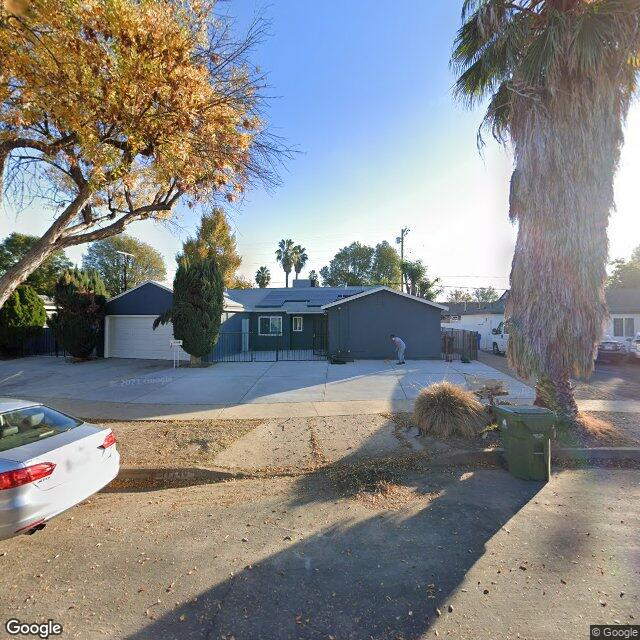
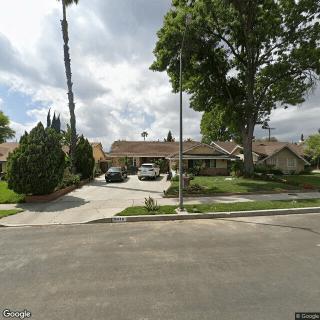
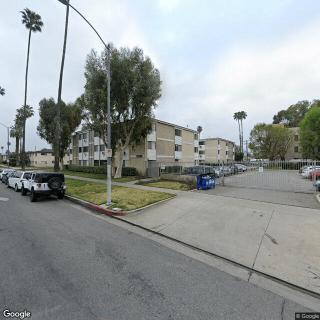
17740 Baltar Street, Reseda, CA 91335
For more information about senior living options: (866) 208-4318
Manila Manor II Costs & Pricing
Manila Manor II offers competitive pricing for its accommodations compared to the broader market in Los Angeles County and California as a whole. For a semi-private room, residents can expect to pay $3,000 per month, which is notably lower than the county average of $3,349 and slightly better than the state average of $3,333. In terms of private rooms, Manila Manor II charges $3,700 monthly - again more economical compared to Los Angeles County's average of $4,197 and California's state average of $3,939. These rates reflect Manila Manor II's commitment to providing quality care at accessible prices while still maintaining a welcoming and supportive environment for residents.
| Floor plans | Manila Manor II | Los Angeles County | California |
|---|---|---|---|
| Semi-Private | $3,000 | $3,349 | $3,333 |
| Private | $3,700 | $4,197 | $3,939 |
Assisted Living communities with a similar price nearby
-
from -$250 / mo
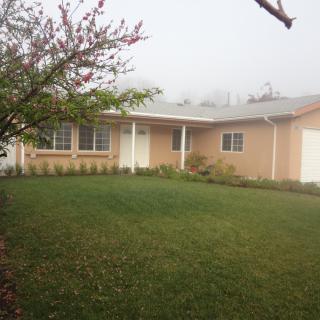
Dignity Care Home 1
$2,750 to $4,150 / month2.1 miles away -
About the same
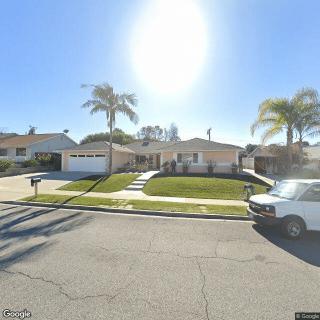
Thousand Oaks Home Care IV
$3,000 to $4,000 / month20.1 miles away -
About the same
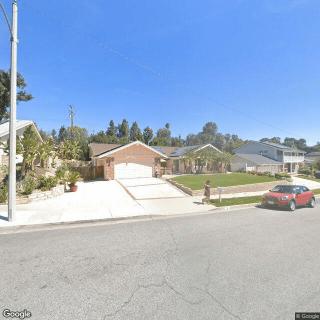
Thousand Oaks Home Care II
$3,000 to $4,000 / month20.3 miles away -
from -$500 / mo
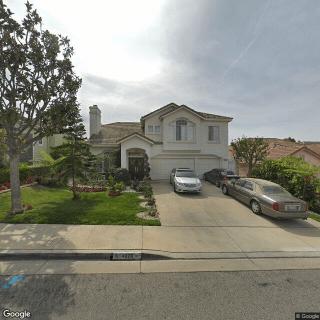
Eleanor's Residential Home
$2,500 to $6,000 / month17.4 miles away -
from +$500 / mo
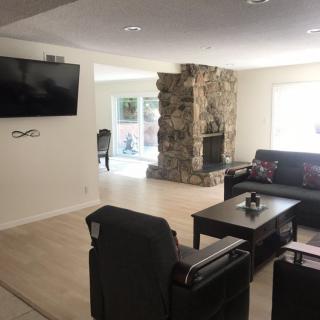
Hollywood Healthy Living
$3,500 to $5,000 / month10.0 miles away
Overall Review of Manila Manor II
Pros
 The staff are friendly and treat residents and their families like family.
- The director is great at following up and is patient and understanding of moving a loved one.
- The food is excellent and tastes homemade, with the cook from the same province as the resident's mother.
- The resident feels close to everyone and participates in activities.
- The resident has his own room and feels comfortable.
- Meals are good and the resident's mom likes them.
- There are no concerns with cleanliness and care.
Cons
 The reviewer did not care for this community.
- The care home did not seem as warm and welcoming as the care home they chose.
- There was a strange smell.
- The residents did not seem to be very active.
Review
Manila Manor II in Reseda, CA, is best suited for families seeking a warm, home-like assisted living experience where caregivers share a Filipino cultural frame and residents can settle into a closely connected, human-scale community. It works particularly well for seniors who value personal attention, frequent positive interactions with staff, and meals that feel like homemade cooking. Those who need robust medical oversight, a highly formal facility feel, or a broader, more aggressive activity calendar should consider alternatives.
The immediate strengths center on people and culture. The caregiving team is described as friendly and attentive, with the kind of warmth that makes residents and families feel acknowledged and supported. The director’s proactive follow-up stands out as a practical advantage, translating into steadier communication during a challenging transition. Food is a standout feature, home-style meals prepared by a cook from the same providence as the resident’s family, delivering comfort that translates into appetite and morale. Residents often have their own rooms, which supports personal space and a sense of ownership in daily living. Activities like exercise classes and simple in-community chores (watering plants, light tasks) give residents meaningful ways to participate and contribute.
Yet the picture isn’t uniformly ideal across all visits. One reviewer found the atmosphere less warm and the residents less engaged, noting a smell and a lack of vitality in the environment. That impression isn’t universal, but it does signal real variability in day-to-day mood and momentum. On the flip side, another review emphasizes cleanliness, attentive care, and meals that were well-received, with weekly room cleaning and staff interaction that helps keep a less active resident engaged. The contrast matters: for families chasing a consistently bustling, energetic vibe, the experience may fall short; for those prioritizing a calm, intimate setting, the quiet cadence can be welcome.
The pros can meaningfully offset the cons when aligned with the right expectations. The culturally aligned staff and the sense of family create a steady, reassuring presence, which often carries more value than a polished showroom feel. The combination of private rooms, homey meals, and ongoing staff engagement fosters belonging and reduces the loneliness common in transitions to care. The director’s ongoing communication helps reassure families that their loved ones are seen and cared for, which is as critical as any specific activity schedule. When residents participate in basic routines and social interaction, washing, watering, gentle exercise, the environment becomes less about institutional supervision and more about daily life with purpose.
Despite the strengths, those considering Manila Manor II should be clear-eyed about fit. This community is a strong choice for a senior who cherishes a family-like atmosphere, cultural connection through caregivers, and meals that feel like home. It may be less suitable for someone who requires continuous, high-intensity medical supervision, a highly active daily calendar, or a setting with a consistently neutral or non-cultural vibe. Odor sensitivity, inconsistent energy levels, or a desire for a highly formal, institution-like ambiance are legitimate considerations that could tilt the balance toward other options.
In the end, Manila Manor II offers a practical, dependable option for families prioritizing connection, comfort, and personalized care over formal polish or constant activity. It delivers a lived-in, personable environment where residents often feel at home and families feel heard, thanks to direct communication from a responsive director and a caregiving team with a clear relational focus. For families who want more medical oversight or a consistently high-energy program, alternatives should be explored with site visits and direct conversations about staffing ratios, care plans, and daily routines. Before deciding, observe during peak activity periods, speak with front-line staff, and request a sample menu and a day-in-the-life outline to ensure expectations align with realities.
 6 resident community capacity
 Assisted Living
 Board and Care Home
 Cable or satellite TV
 Dining room
 Fully furnished
 Garden
 Housekeeping services
 Move-in coordination
 Outdoor space
 Private
 Telephone
 Wi-Fi/high-speed internet available
 Burbank-Glendale-Pasadena (9 miles away)
 24-hour supervision
 Activities of daily living assistance
 Assistance with bathing
 Assistance with dressing
 Assistance with transfers
 Diabetes diet
 High acuity care
 Meal preparation and service
 Medication management
 Special dietary restrictions
 Transportation arrangement (medical)
 Transportation to doctors appointments





 Exploring the Contrasts Between Assisted Living and Skilled Nursing
 8 Key Indicators That Suggest It May Be Time to Transition from Assisted Living to Skilled Nursing Care
 Vibrant Senior Living: A Comprehensive Guide for Active Older Adults