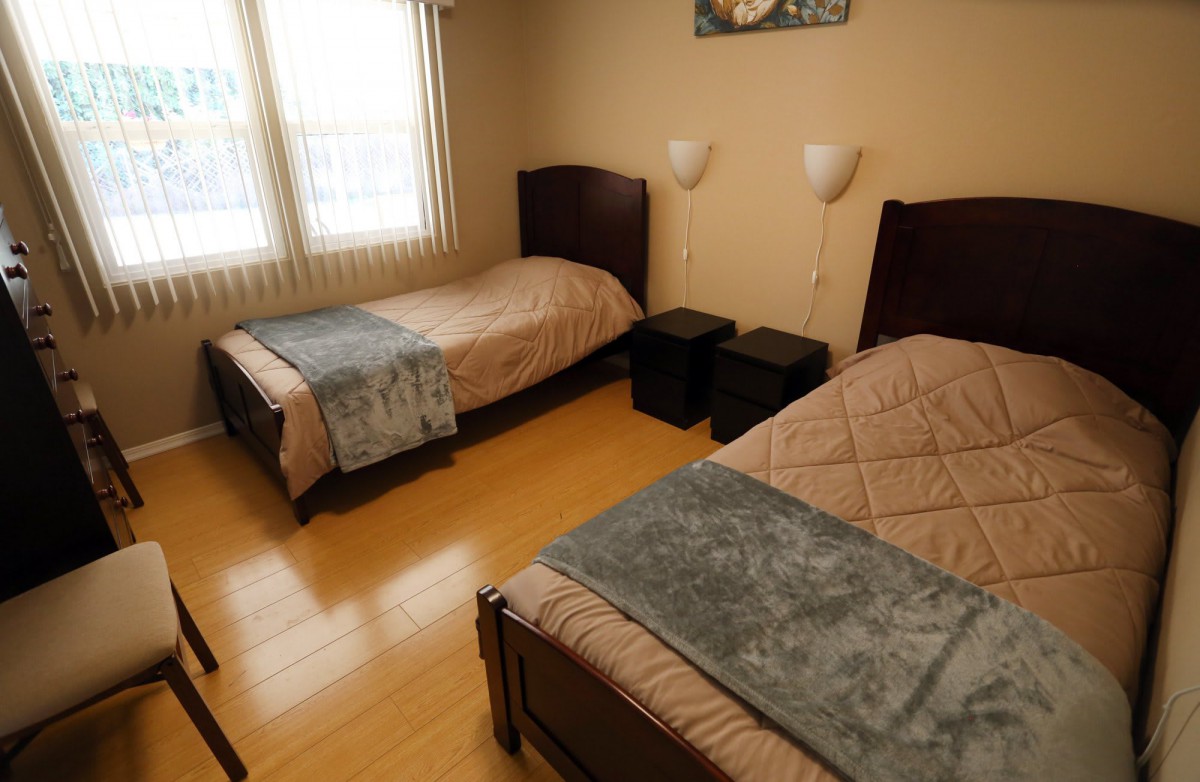
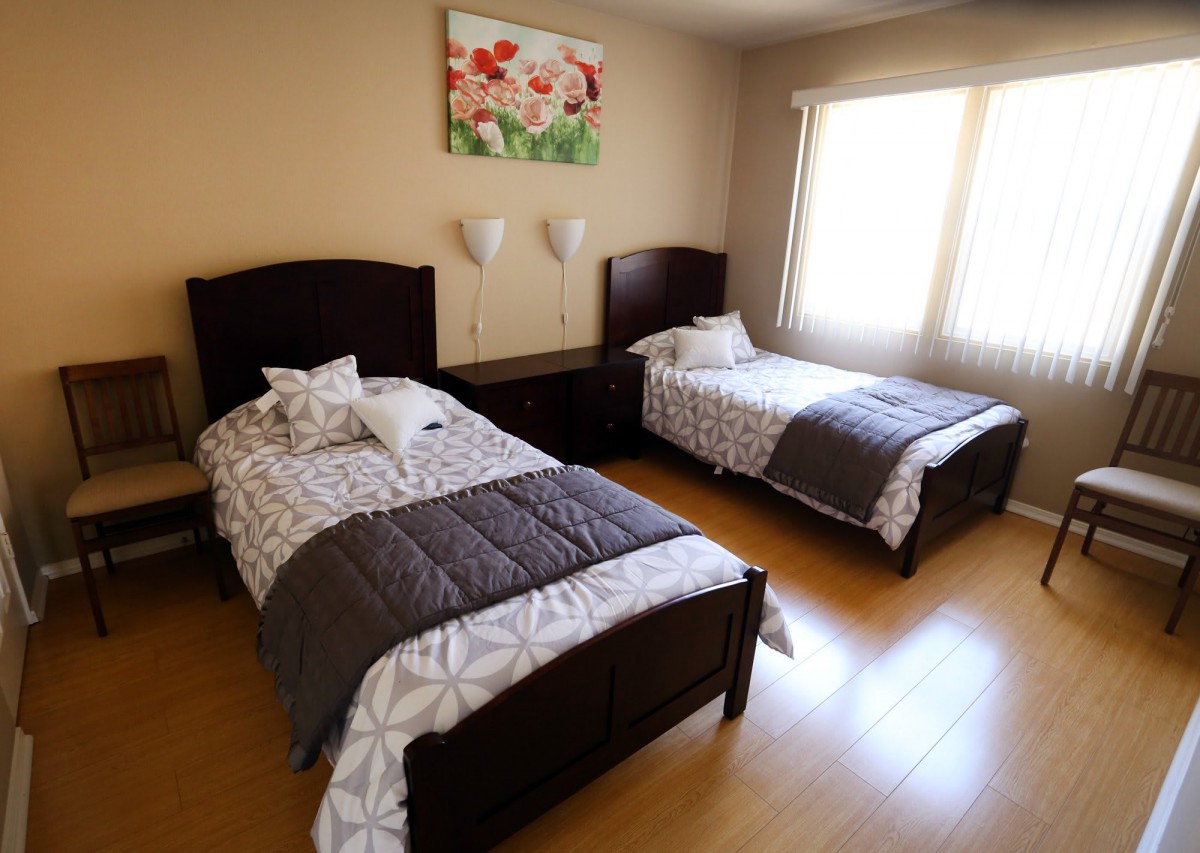
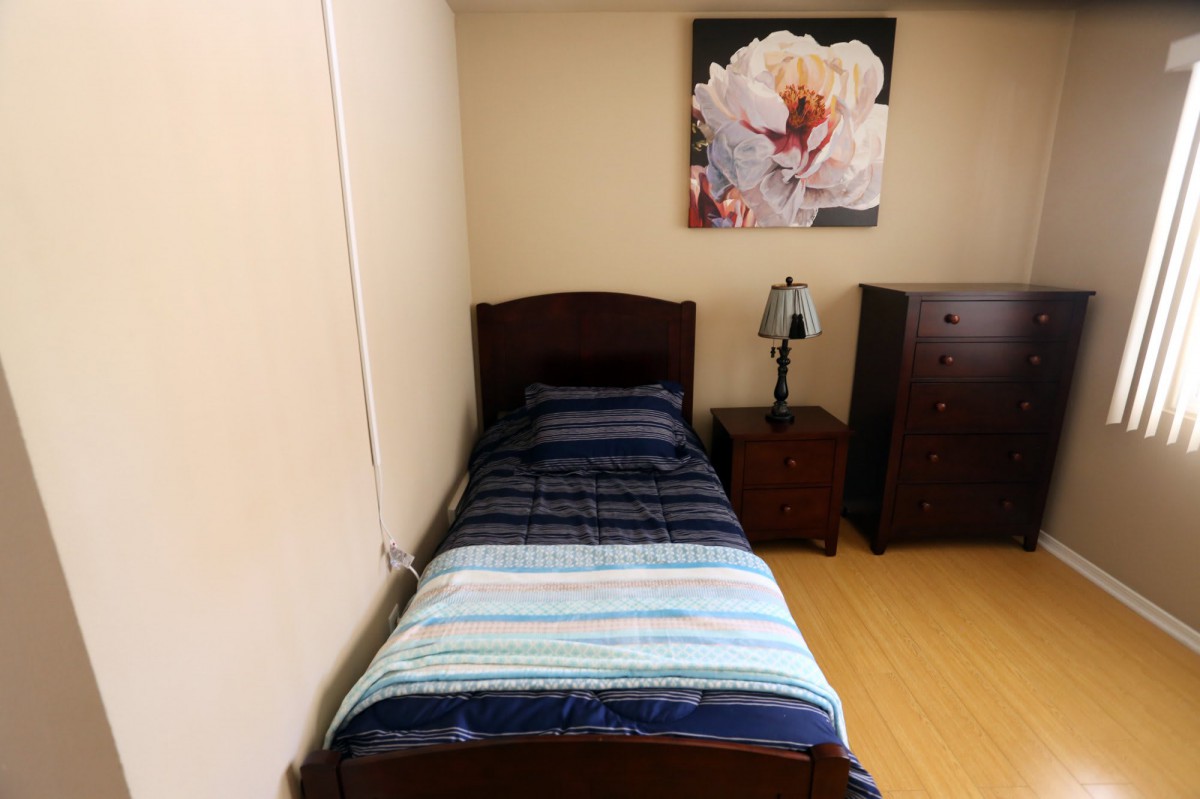
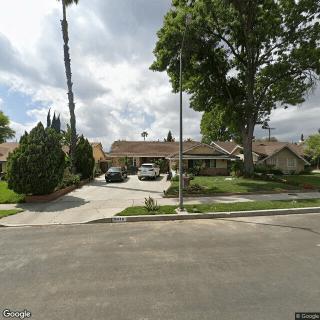
8224 Zelzah Avenue, Reseda, CA 91335
For more information about senior living options: (866) 208-4318
Hartland Care Costs & Pricing
Hartland Care offers competitive pricing for its accommodations, with semi-private rooms available at $2,500 per month and private rooms at $3,500. In comparison, the average costs in Los Angeles County are significantly higher, with semi-private rooms averaging around $3,349 and private rooms reaching approximately $4,197. Similarly, the statewide averages align closely with the county figures; semi-private rooms cost about $3,333 while private accommodations are around $3,939. This positioning highlights Hartland Care as a cost-effective choice for individuals seeking quality care without compromising on comfort or services.
| Floor plans | Hartland Care | Los Angeles County | California |
|---|---|---|---|
| Semi-Private | $2,500 | $3,349 | $3,333 |
| Private | $3,500 | $4,197 | $3,939 |
Memory care communities with a similar price nearby
-
from +$250 / mo
Dignity Care Home 1
$2,750 to $4,150 / month2.2 miles away -
from -$300 / mo
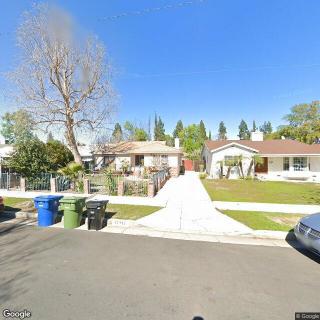
Granada Hills Gardens
$2,200 to $3,500 / month3.2 miles away -
About the same
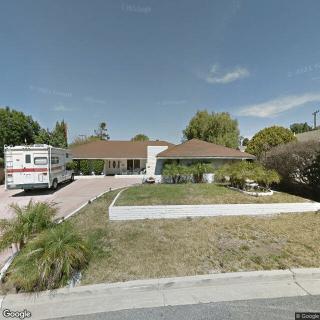
Familycare Cottage IV
$2,500 to $4,500 / month19.5 miles away -
About the same
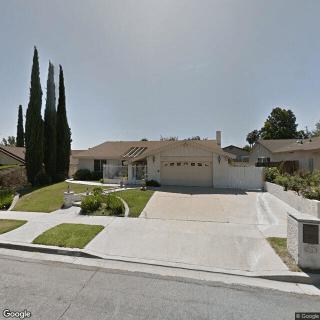
Sunrise Guest Home
$2,500 to $3,000 / month13.7 miles away -
from -$100 / mo

Leisure Living
$2,400 to $3,000 / month15.9 miles away
Overall Review of Hartland Care
Pros
 Hartland Care is a lovely, clean facility with very caring staff.
- The atmosphere at Hartland Care is very nice.
- Hartland Care ensures families are informed when any problem arises.
- Families are pleased with Hartland Care.
- Families report a very good experience at Hartland Care, even after a short time.
Review
Hartland Care in Reseda is best suited for families seeking a warm, clean, intimate assisted-living environment where a home-like atmosphere and hands-on, compassionate staff are a priority. The reviews underscore a facility that feels welcoming and well-kept, with an atmosphere that supports resident comfort. It works particularly well for seniors who want steady, transparent communication with family about daily care and small changes, delivered by a team that notices and responds promptly. In short, this community serves residents who are reasonably independent but still need daily supervision, social engagement, and attentive, respectful caregiving.
Those weighing Hartland Care against alternatives should consider the level of medical oversight and programming available. If care needs are medically complex or if specialized memory support is essential, a larger campus with broader on-site healthcare resources may be a better fit. Families seeking a more expansive activity calendar, more structured rehabilitation services, or a facility with deeper integration into medical networks could find Hartland’s more intimate setting limiting. Location, cost, and the desire for more pronounced amenities also matter; for couples or individuals prioritizing greater clinical capacity or a fuller spectrum of services, shopping around is prudent.
The primary advantages center on the basics: cleanliness, warmth, and the character of the caregiving team. The facility’s attractiveness and upkeep contribute directly to resident well-being and peace of mind for families. Caregivers appear genuinely attentive, which translates into reliable day-to-day support and a sense that residents are seen and valued. The atmosphere, described as pleasant, supports mood and social comfort, while the ability of staff to promptly inform families about problems reinforces trust during transitions. Even after a short stay, such as a month, positive indicators in routine operations and family communication stand out.
A cautious note emerges from the limited volume and specificity of feedback. With only two reviews, there is a natural question mark about consistency across staff shifts, seasons, and individual resident needs. Details on medical supervision, care-plan development, and dementia-specific programming are not explicit, leaving families to verify how Hartland handles higher-acuity scenarios. Additionally, the absence of concrete information about daily activities, transportation, and meal variety means these elements require direct confirmation during tours. For families evaluating cost versus benefit, the lack of stated pricing parameters and insurance compatibility is an unfinished piece of the puzzle.
These pros offset some unknowns but not all. The strong baseline of cleanliness and a caring team provides a solid anchor for comfort and safety, especially for residents who require dependable daily supervision without feeling clinical. Transparent problem reporting further reduces anxiety and builds confidence that issues will be communicated rather than hidden. Yet the potential gaps around medical services and dementia care mean this offset is incomplete for anyone with significant clinical needs or specialized programming. Hartland Care remains a compelling option for many, but it demands thorough due diligence to ensure alignment on care intensity, medical support, and the family’s comfort with ongoing updates and oversight.
For families ready to act, Hartland Care presents a thoughtfully optioned, personable environment worth exploring. An in-person tour should focus on the caregiver-to-resident ratio, a typical daily schedule, meal quality, and the exact process for updating families about any concerns. Inquire specifically about memory-care capabilities, request sample care plans, and observe a day in the life to gauge how well routines meet personal expectations. Compare with nearby options that offer broader clinical services and fuller activity calendars to confirm whether Hartland Care’s intimate setting or a larger, more feature-rich community better fits the resident’s trajectory. When care level, communication style, and cost align, Hartland Care stands as a dependable, reassuring home choice.
 6 resident community capacity
 Assisted Living
 Board and Care Home
 Memory Care
 Cats allowed
 Dogs allowed
 Activities off-site
 Bath tubs
 Beautician on-site
 Cable or satellite TV
 Dining room
 Fully furnished
 Garden
 Housekeeping services
 Indoor common areas
 Move-in coordination
 Outdoor common areas
 Private
 Telephone
 Wi-Fi/high-speed internet available
 Burbank-Glendale-Pasadena (9 miles away)
 24-hour supervision
 Ambulatory care
 Assistance with bathing
 Assistance with dressing
 Assistance with transfers
 Diabetes diet
 High acuity care
 Incontinence care
 Meal preparation and service
 Medication management
 Special dietary restrictions
 Transportation arrangement (medical)
 Transportation to doctors appointments
 Art classes
 BBQs or picnics
 Birthday parties
 Cooking classes
 Day trips and outings
 Understanding Dementia Through Its Seven Stages: A Comprehensive Look at Progression and Expectations
 A Holistic Dementia Care Guide: Effective Strategies for Memory Support
 Comprehensive Insights into Activities of Daily Living (ADLs) and Their Assessment