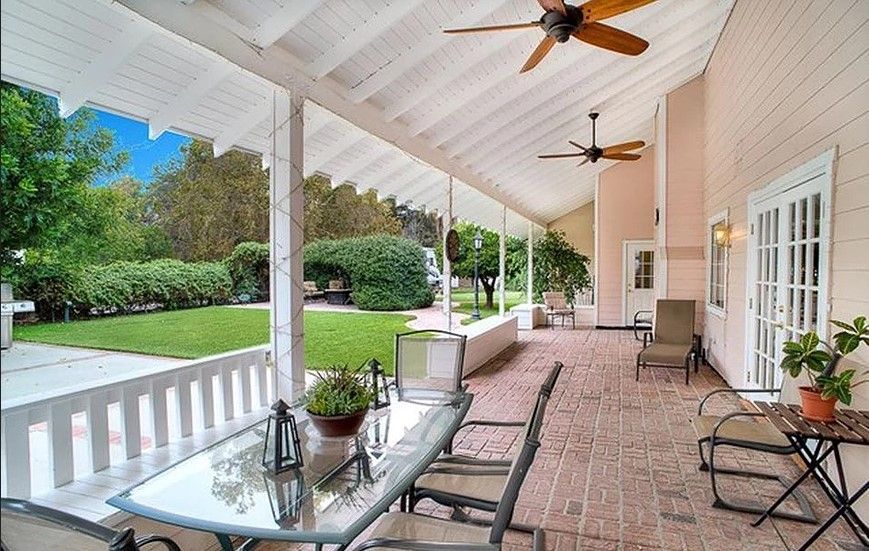
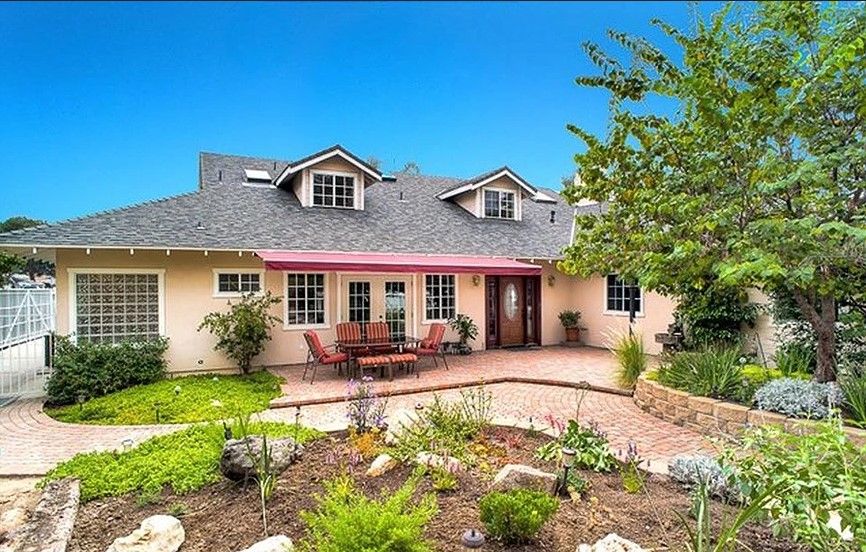
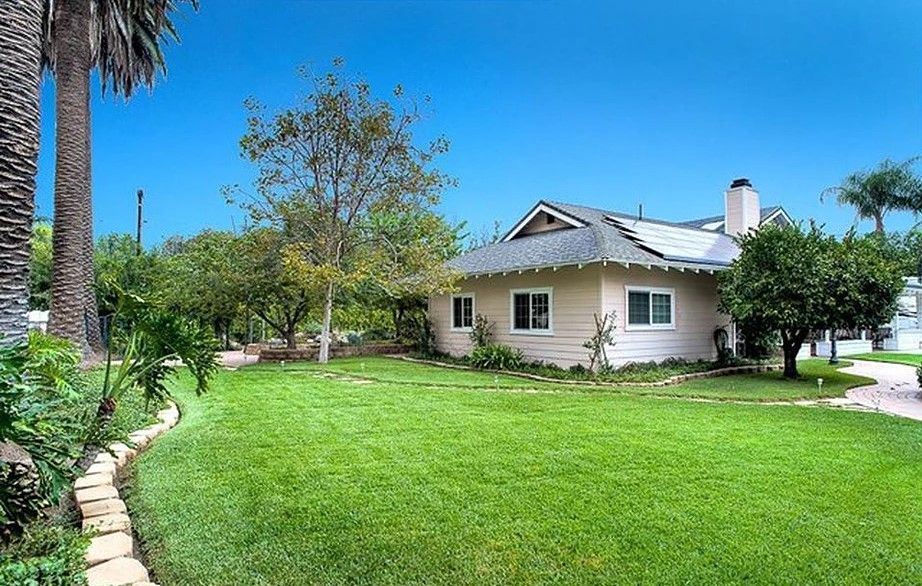
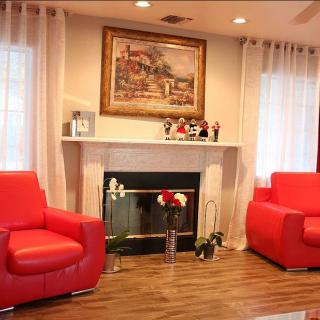

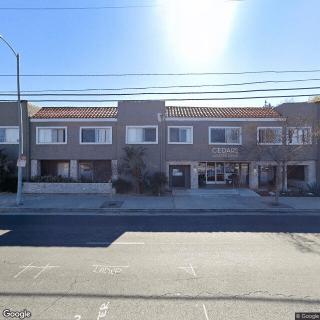
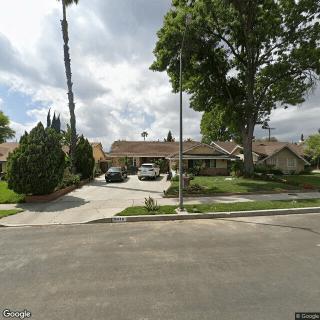
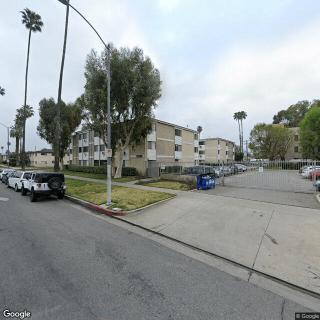
7754 Texhoma Avenue, Northridge, CA 91325
To contact a resident: (323) 821-1419
For more information about senior living options: (866) 208-4318
A Paradise In The Valley Costs & Pricing
A Paradise In The Valley offers competitive pricing for its residential options, with semi-private rooms priced at $5,000 per month and private rooms at $6,000. When compared to the averages in Los Angeles County, where semi-private accommodations cost approximately $3,349 and private rooms run around $4,197, A Paradise In The Valley positions itself as a premium choice. Additionally, when looking at state-wide figures across California - where semi-private rooms average $3,333 and private options hover around $3,939 - it becomes evident that A Paradise In The Valley provides a more luxurious experience that comes with an associated cost. This highlights the community's commitment to delivering enhanced services and amenities tailored to residents seeking quality care in a serene environment.
| Floor plans | A Paradise In The Valley | Los Angeles County | California |
|---|---|---|---|
| Semi-Private | $5,000 | $3,349 | $3,333 |
| Private | $6,000 | $4,197 | $3,939 |
Overall Review of A Paradise In The Valley
Pros
 The staff are attentive to residents' health and needs.
- The caregivers are kind, patient, and professional.
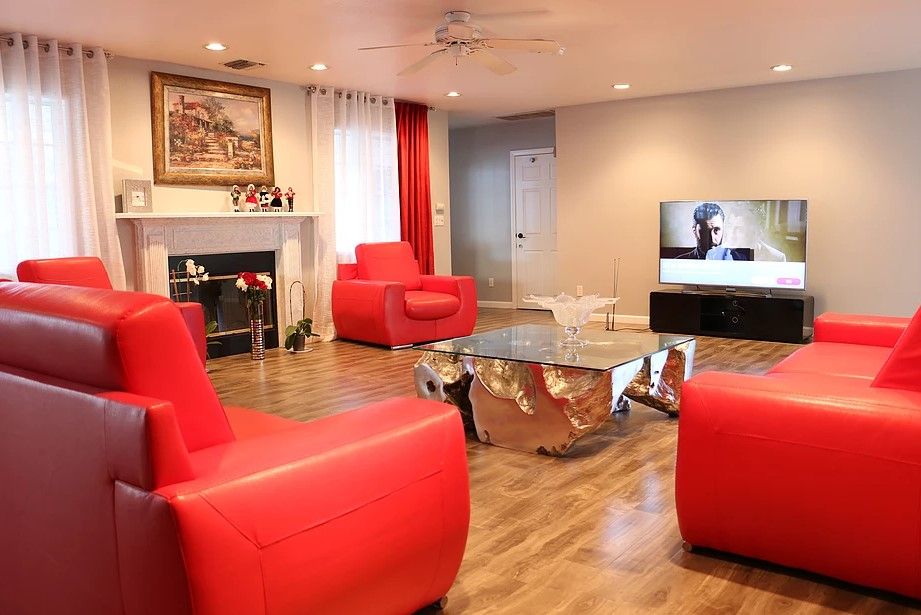
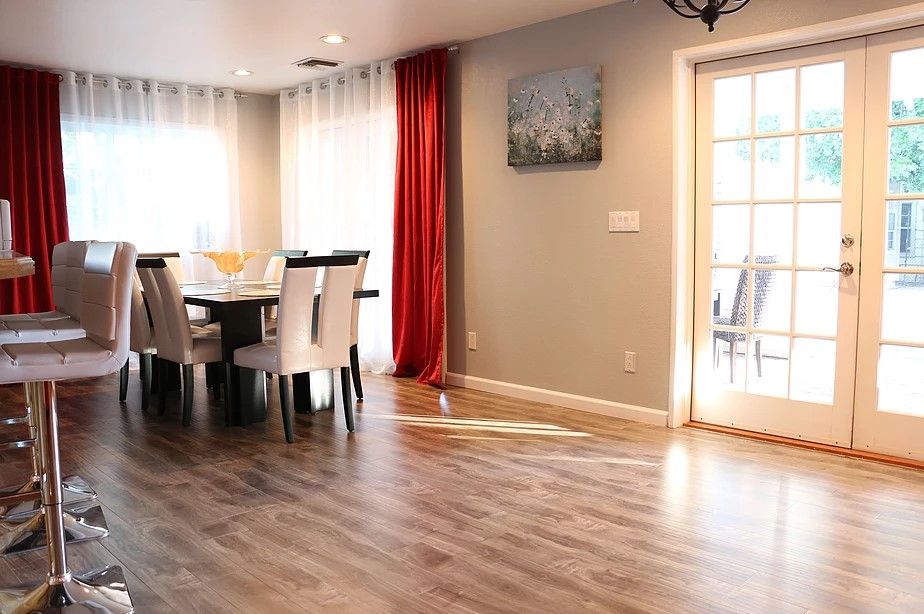
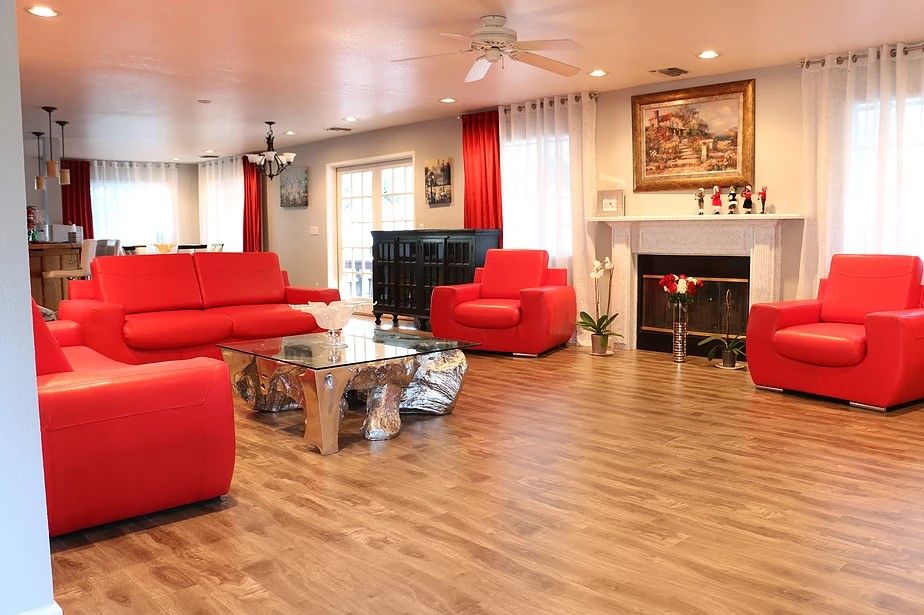
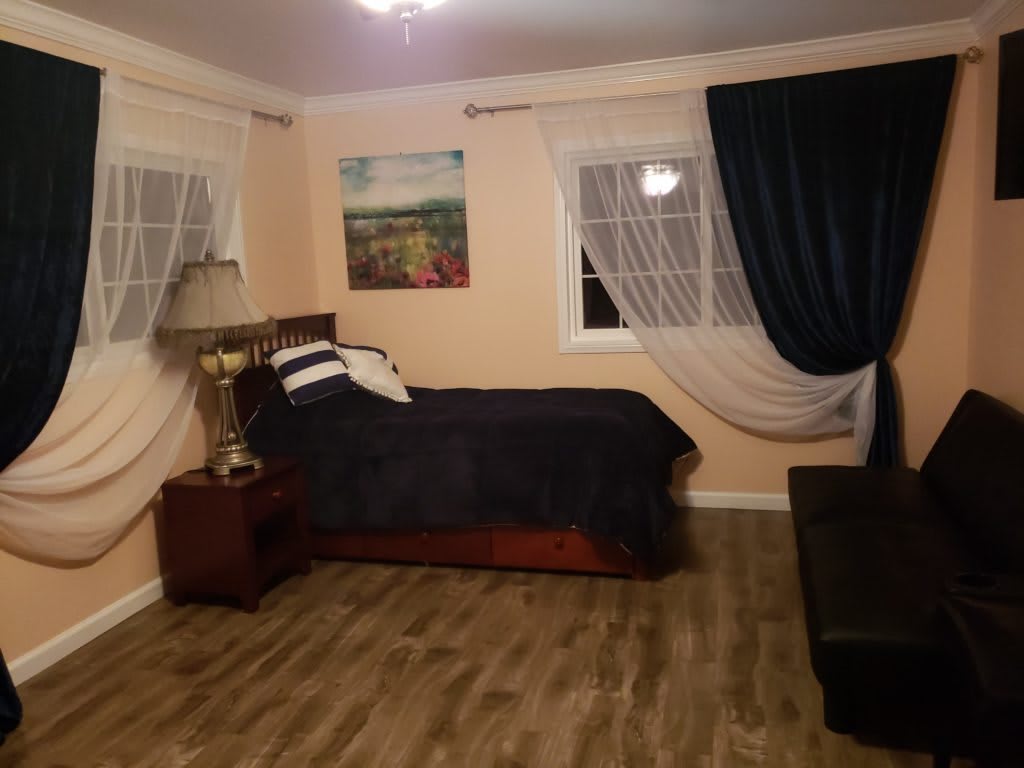
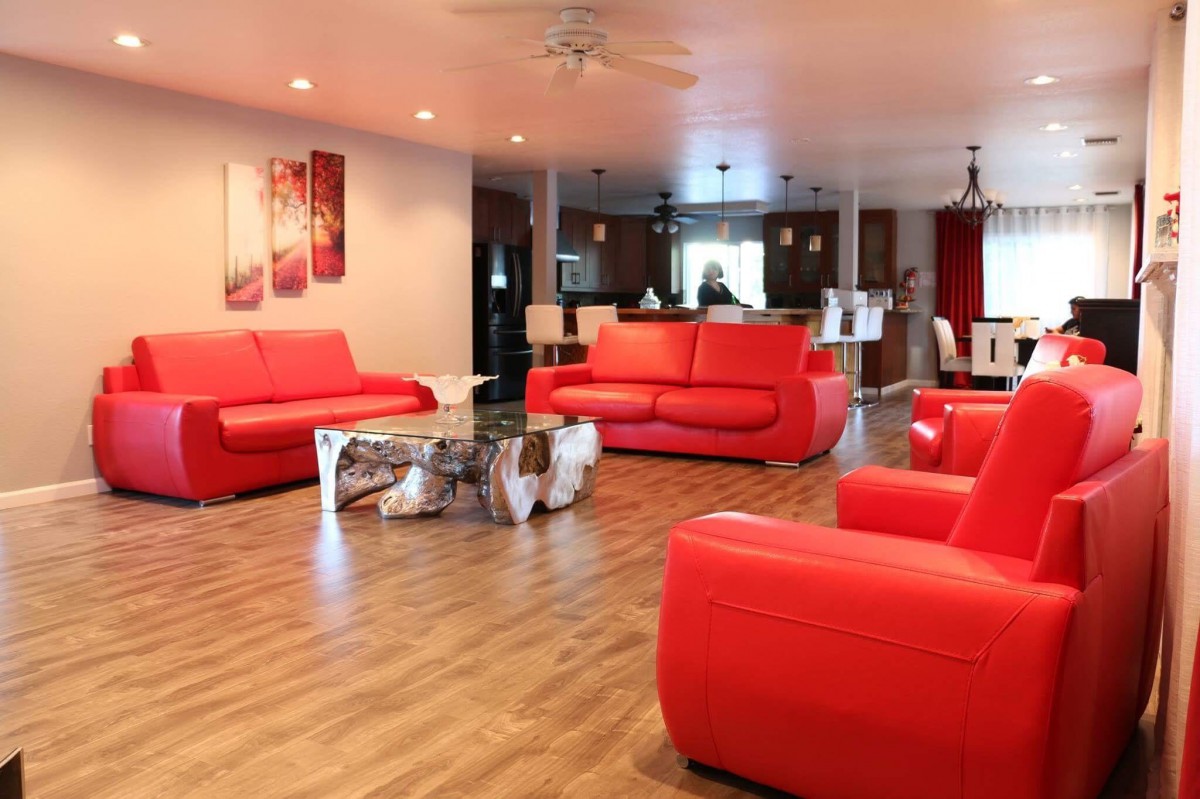
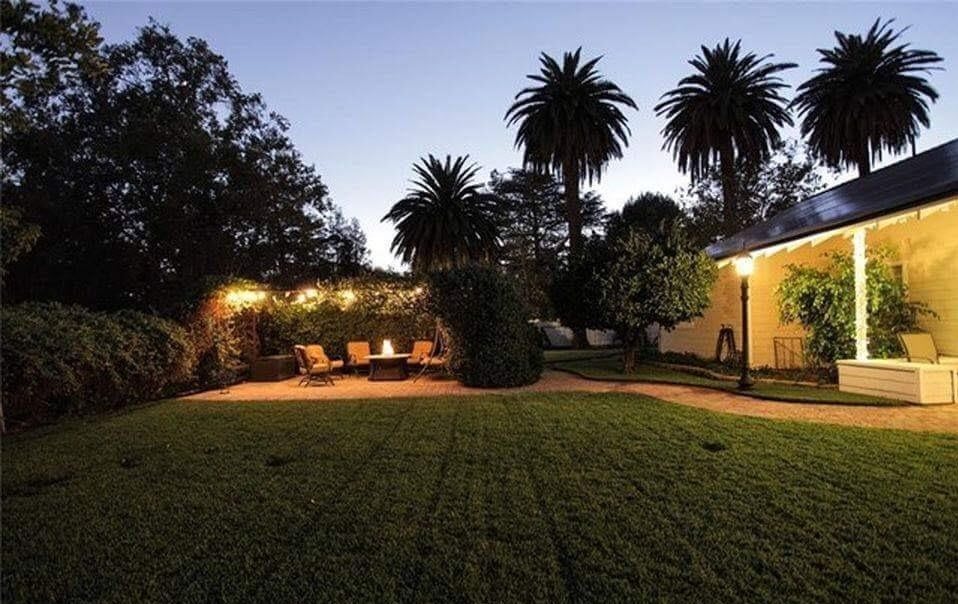
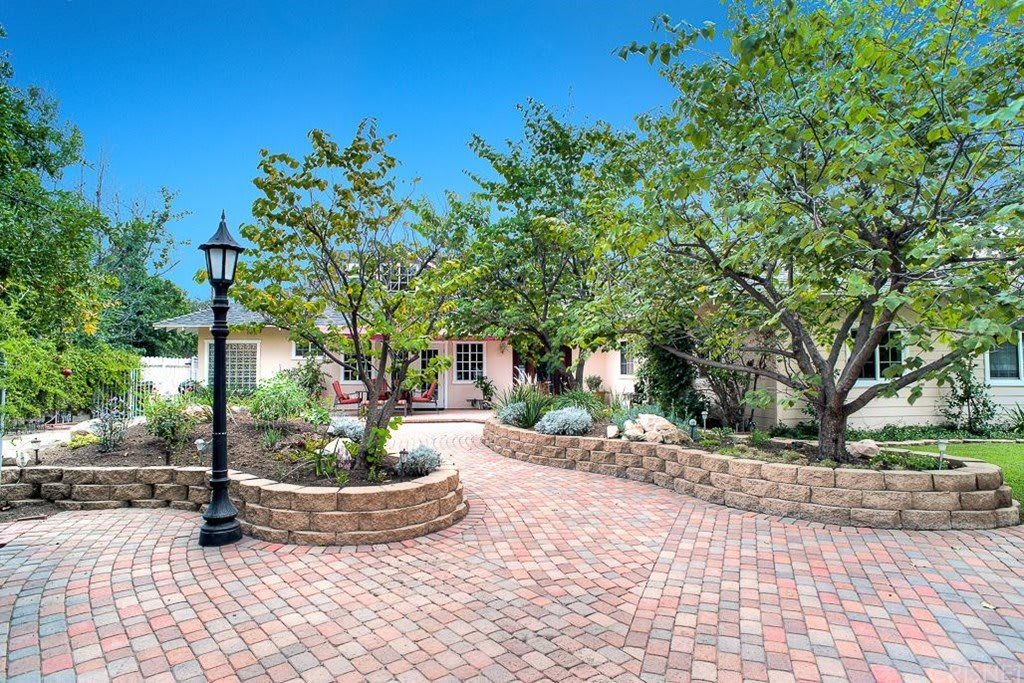
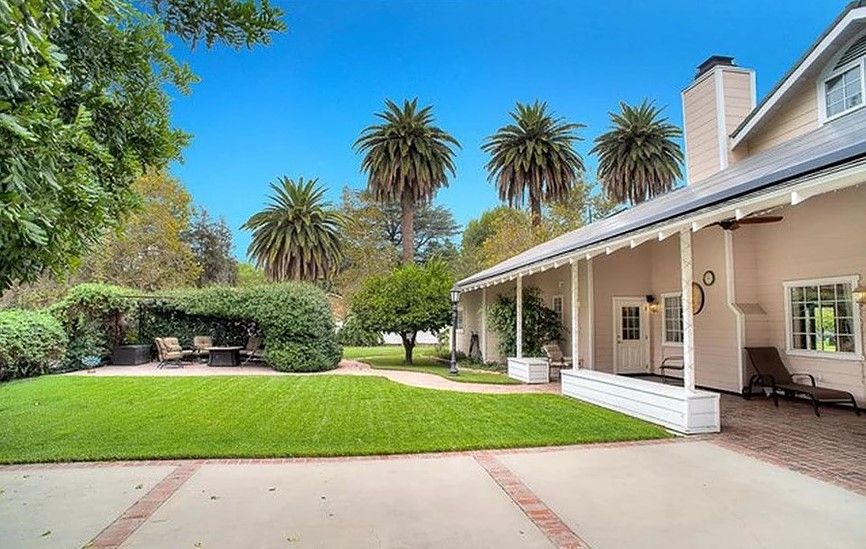
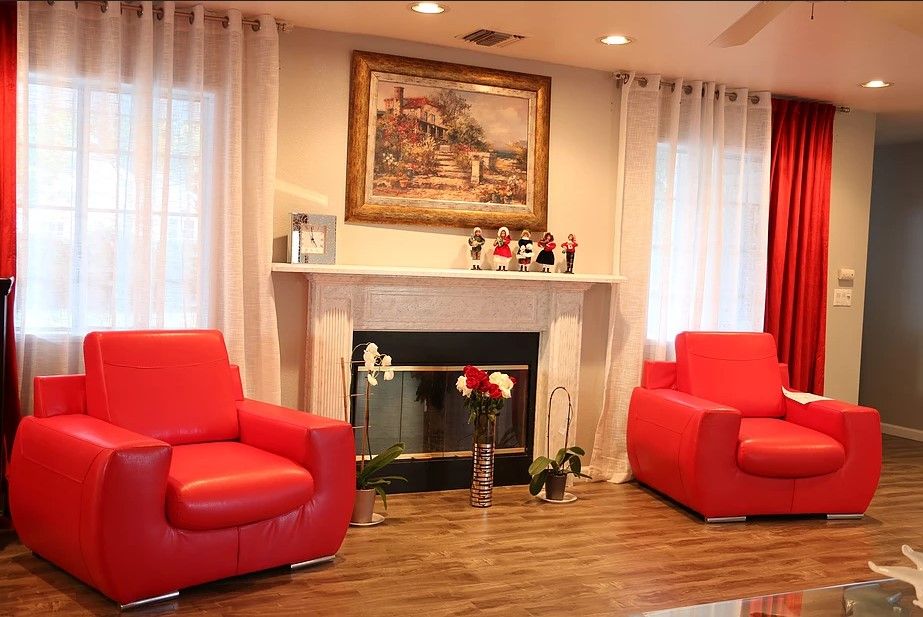
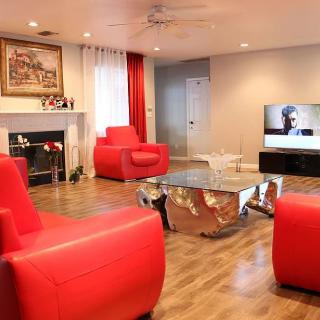
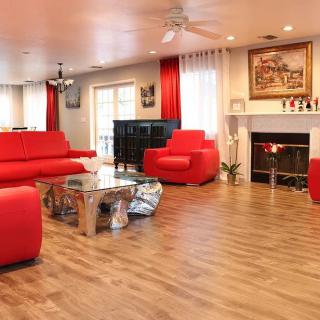
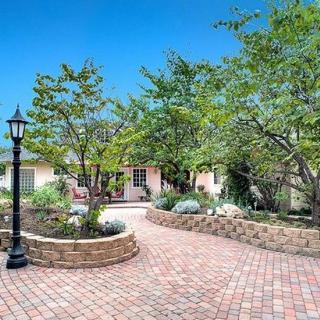
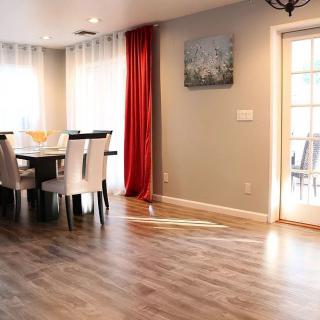
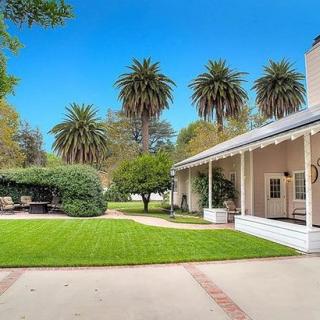
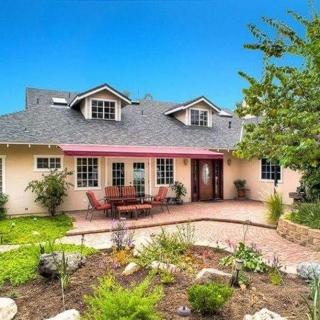
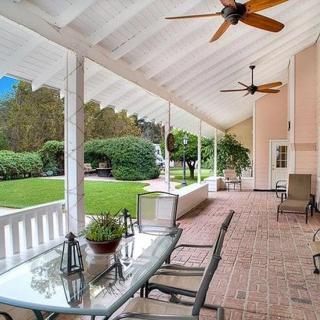
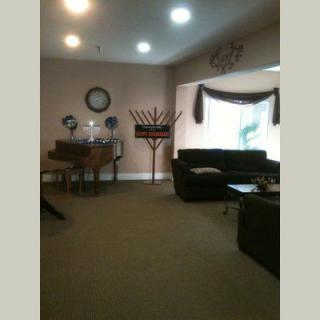
- The home is beautiful, clean, and spacious.
- The administrator is kind and pleasant.
- Residents appear happy and well-cared-for.
- It feels like a warm, family-run environment with compassionate care.
- The meals are delicious, home-cooked, and consistently served on time.
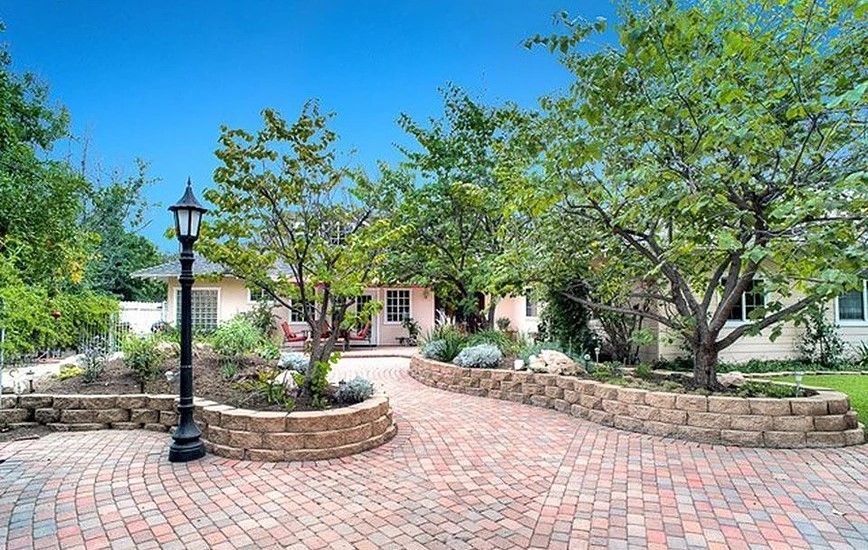
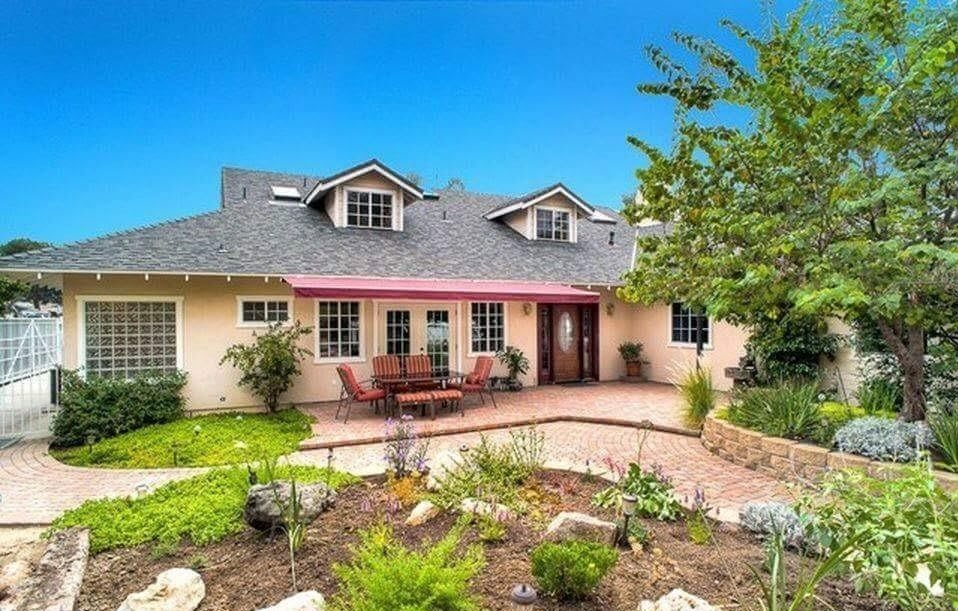
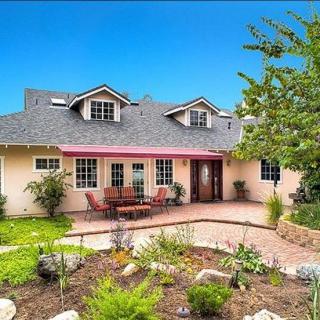
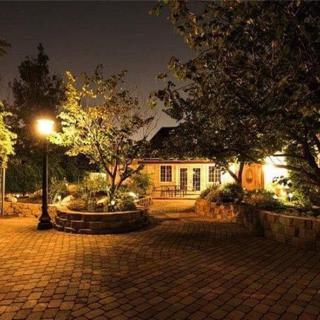
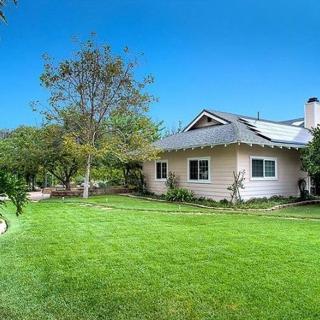
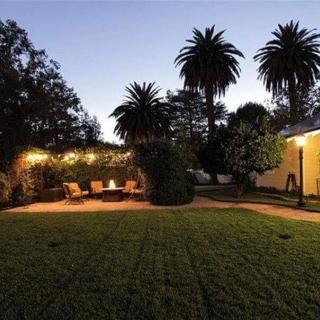
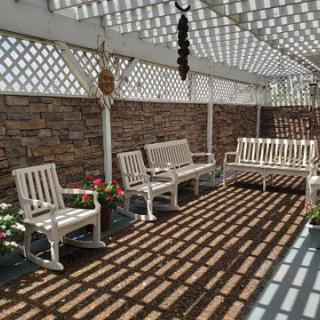
- The yard and living spaces are well-maintained and offer space for activity.
- Families are kept informed and reassured about their loved ones.
Cons
 Previously she was in a bigger, fancy, more expensive, corporate facility, and it was a terrible experience.
Review
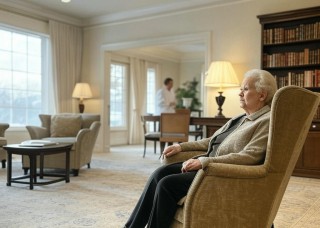
A Paradise In The Valley is best suited for families seeking a small, home-style assisted living environment where personalized attention is the core not an exception. The community functions like a warmly run, extended family, with a strong emphasis on individualized care for seniors who benefit from a calmer, more intimate setting. It shines for residents who appreciate a house-like atmosphere, the option of single or shared rooms, and the reassurance of a dedicated staff that treats each resident as a person rather than a number. For families navigating dementia or memory-impairment concerns, the home’s approach, proactive, patient, and hands-on, offers a tangible sense of safety, daily routine, and consistent caregiver presence that larger campuses sometimes struggle to sustain.
Those considering alternatives should note who this community may not be ideal for. Families needing aggressive, clinical nursing oversight around the clock, or seeking a large, highly structured campus with an abundance of on-site medical services and expansive social programming, may prefer a bigger facility. Corporate-style environments with standardized protocols can feel impersonal to some, and families with rapidly escalating medical needs may want a setting with more formal memory-care infrastructure. In short, when the priority is intensive medical care or a broad spectrum of on-site amenities, broader options deserve consideration.
The standout advantages center on the human touch: staff who feel like extended family, a small-caregiver-to-resident ratio, and a culture of warmth that permeates daily life. Families repeatedly note the attentiveness to health and daily needs, the clarity and frequency of updates, and the sense that caregivers truly “care for them like family.” The residence itself reinforces this impression, clean, beautiful, and meticulously maintained, with an expansive yard and a garden that invites activity and fresh air. Meals are described as home-cooked and thoughtfully served, with residents given choices, which reinforces dignity and independence. For residents facing dementia or Alzheimer’s, the patience, steadiness, and flexible, person-centered care emerge as especially meaningful benefits.
Those pros partially offset the primary trade-offs of a smaller, non-corporate operation. A small house setting naturally lacks the scale, overnight nursing resources, and breadth of activities that larger communities offer. Yet the caregiving approach, highly personalized attention, frequent family communication, and an emphasis on day-to-day wellness, often compensates for fewer bells and whistles. The emphasis on safety, daily exercise, fresh air, and meaningful routines helps maintain mood and function in ways that more crowded facilities sometimes struggle to achieve. In practice, the intimate environment creates deeper trust and peace of mind for families, which many would deem a decisive advantage over more impersonal alternatives.
Practical next steps for families weighing this option include arranging a pulse-check on memory-care capabilities, staff training, and day-to-day schedules. Touring is encouraged, and tours are frequently offered with ample opportunity to ask about how dementia- or Lewy body-related needs are managed, how medications are administered, and how much individualized programming is available for different residents. Direct conversations about the resident’s daily routine, exercise opportunities, and mealtime flexibility will reveal how well the home’s philosophy aligns with individual care goals. Request to speak with current families about communication habits and any changes in a loved one’s condition to gauge consistency and transparency.
In conclusion, A Paradise In The Valley stands out for families seeking a genuine, home-like setting where attentive, compassionate caregiving is the norm and where family communication is a continuous thread. The community excels at delivering personalized care, preserving dignity, and maintaining a serene living environment that supports dementia care with warmth. This makes it a particularly strong match for seniors who thrive in intimate, less-cluttered spaces and whose families value close-knit staff engagement and routine-driven living. For those who require heavier clinical supervision, larger social networks, or more comprehensive on-site medical resources, exploring more expansive options remains prudent.
 6 resident community capacity
 Assisted Living
 Board and Care Home
 Memory Care
 Activities on-site
 Air-conditioning
 Bath tubs
 Cable or satellite TV
 Devotional services off-site
 Dining room
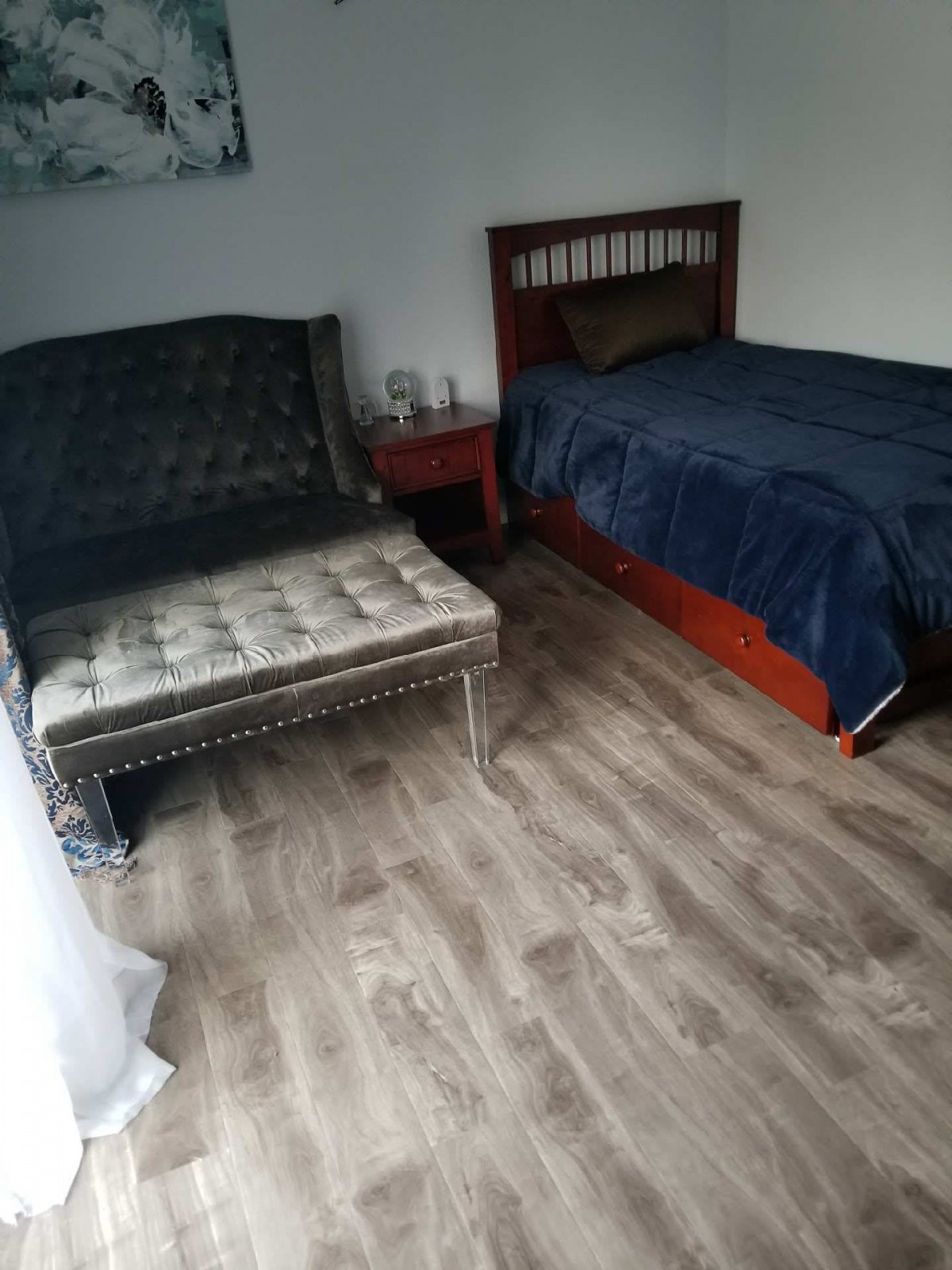
 Fully furnished
 Garden
 Housekeeping services
 Indoor common areas
 Move-in coordination
 Outdoor common areas
 Private
 Telephone
 Wheelchair accessible showers
 Wi-Fi/high-speed internet available
 Burbank-Glendale-Pasadena (9 miles away)
 24-hour supervision
 Assistance with bathing
 Assistance with dressing
 Assistance with transfers
 Diabetes diet
 Diabetic care
 High acuity care
 Hospice waiver
 Incontinence care
 Meal preparation and service
 Medication management
 Mental wellness program
 Special dietary restrictions
 Transportation arrangement (medical)
 Transportation to doctors appointments
 Catholic services
 Jewish services
 Live dance or theater performances
 Live musical performances
 Live well programs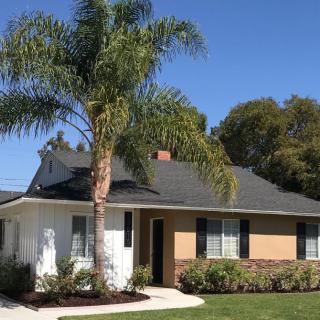

 Dementia, Paranoia, and Caregiver Guidance: Understanding the Connection
 Engaging Memory Care Activities That Enhance Quality of Life
 When to Transition from Assisted Living to Memory Care: Key Indicators, Steps, and Finding the Right Community