For more information about senior living options: (866) 208-4318
3.7 from 65 reviews
5 stars
29
4 stars
17
3 stars
4
2 stars
3
1 stars
12
Windsor Court Assisted Living Costs & Pricing
Windsor Court Assisted Living offers a range of accommodations with costs that reflect its premium services and amenities. For semi-private rooms, residents can expect to pay $3,800 per month, which is significantly higher than the average cost in Riverside County at $2,844 and slightly above California's overall average of $3,333. The pricing for studio apartments stands at $4,400, surpassing both Riverside County's average of $3,559 and California's average of $4,145. For those seeking more spacious one-bedroom units, the monthly rate is set at $7,000 - a notable increase compared to Riverside County's average of $3,611 and the statewide average of $4,340. These figures suggest that while Windsor Court may be on the higher end of the price spectrum, it likely offers enhanced quality of care and living environments to justify its costs.
Floor plans
Windsor Court Assisted Living
Riverside County
California
Semi-Private
$3,800
$2,844
$3,333
Studio
$4,400
$3,559
$4,145
1 Bedroom
$7,000
$3,611
$4,340
Memory care communities with a similar price nearby
Memory care residents and families describe feeling safe and well taken care of day to day.
Multiple reviewers who used the memory care option describe peace of mind, with staff staying attentive to daily needs. Several families specifically connect that confidence to dementia and Alzheimer’s care, including help with agitation or confusion and ongoing communication about concerns. One negative review says the facility was not trained for dementia patients and that care issues were serious, so prospective residents with memory-care needs should ask detailed questions about staffing and response during health events.
common9 reviews mention this
Restaurant-style dining is a plus
Restaurant-style dining and flexible ordering show up repeatedly in resident experiences.
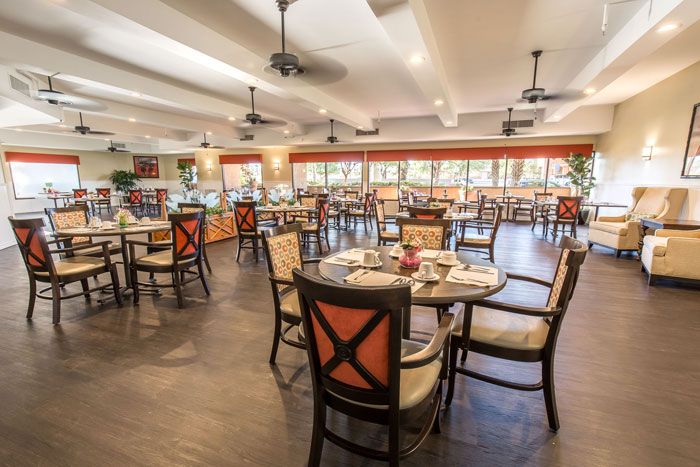
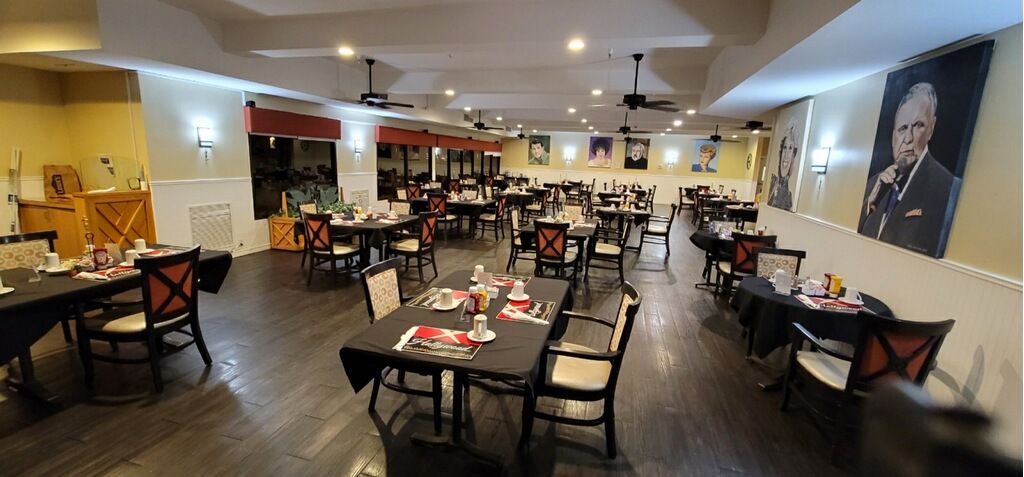
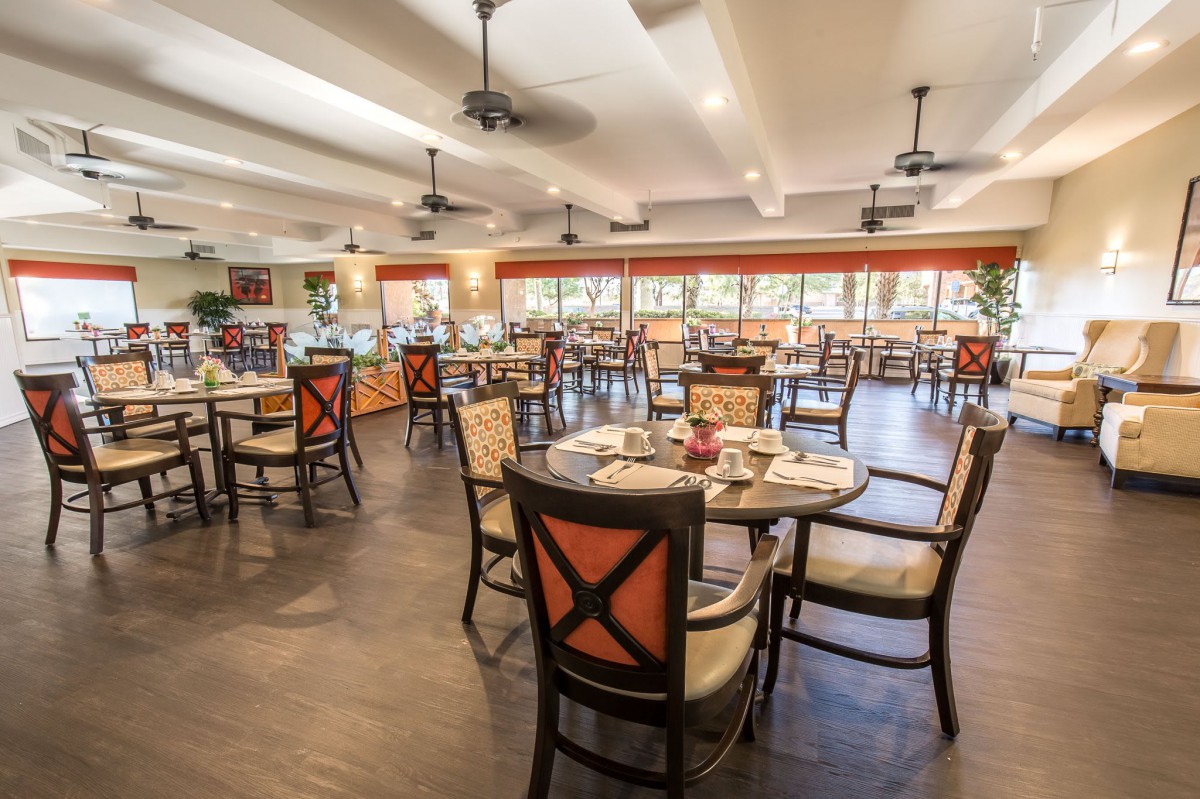
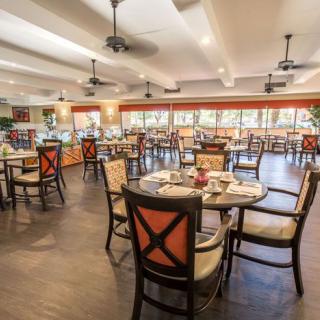
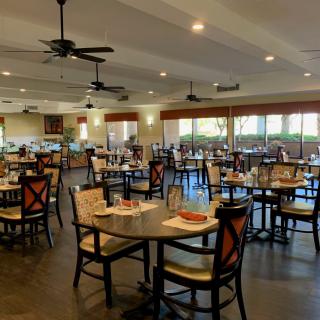
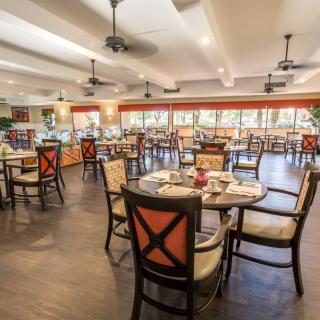
Residents and families often describe meals as restaurant-style, prepared by staff, and served in a dining setting rather than a cafeteria setup. Some reviewers like the menu format and anytime dining approach, while others mention variety and that snacks are available. A smaller set of reviews counters that the food can be marginal, repetitive, or not taste as good, so it’s worth confirming preferences like dietary needs and meal quality before deciding.
common8 reviews mention this
Activities keep residents engaged
Residents describe active schedules with programs and shared spaces.
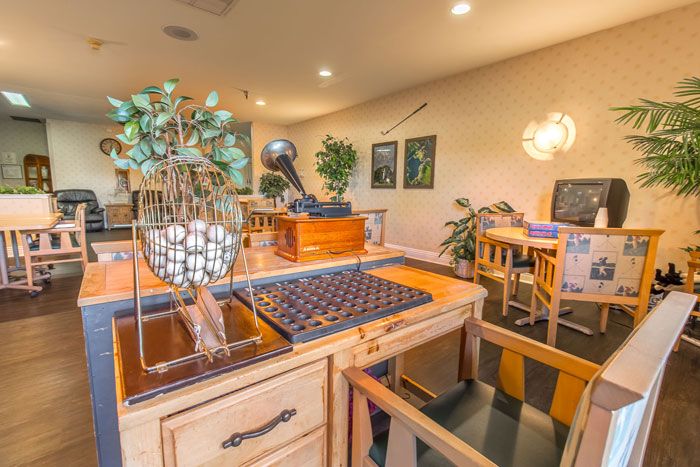
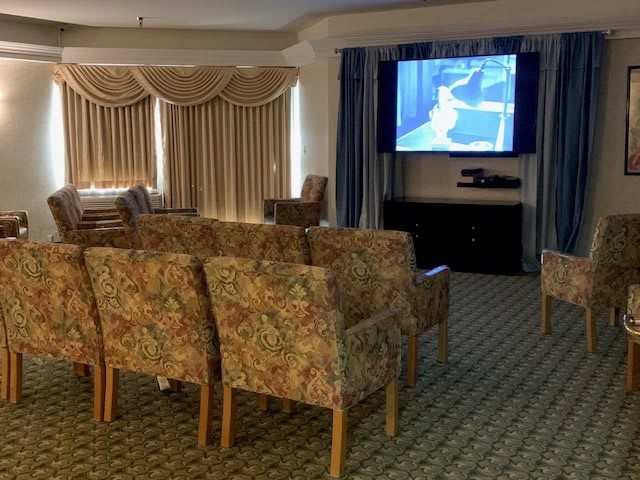
Reviewers mention a steady presence of activities, including games and scheduled group programming, along with amenities like movie viewing and community gathering areas. Several describe the social environment as a place where people interact and remain busy, including outings or community-sponsored events. Some reviewers also note limits around activity availability during COVID, and one mentions a need for more activities at certain times.
caveat3 reviews mention this
Communication is inconsistent
Some families report delayed or poor communication when concerns come up.
A few reviewers say administration communication can be hard to reach or slow to respond, including concerns about follow-up and response times for help requests. One review describes difficulties after a serious incident, including not being contacted promptly and challenges reaching the right person. While many other comments emphasize caring staff, these communication complaints are specific enough to ask how updates are handled during emergencies.
caveat4 reviews mention this
Price feels high to some
Multiple reviewers raise cost concerns compared with what they expected.
Several reviews mention pricing concerns such as feeling overcharged for services or the overall cost not matching the value received. Others ask about what the pricing is or describe dissatisfaction with how space was assigned. Even though pricing varies by unit type, the published ranges shown for studios and other layouts sit above county and, for at least some options, above state benchmarks, which aligns with the repeated theme that affordability may be a challenge.
How we summarize
Counts show how many written reviews mention each theme; a review can touch several themes, and only frequently mentioned themes are displayed.
Features
Housing
130 resident community capacity
Studio apartments
Types of Care
Assisted Living
Independent Living
Memory Care
Pets
Cats allowed
Dogs allowed
Amenities
Activities off-site
Activities on-site
Air-conditioning
Beautician on-site
Beauty salon
Cable or satellite TV
Cafe
Computer center
Continuing learning programs
Devotional services off-site
Devotional services on-site
Dining room
Fitness room
Full kitchen
Fully furnished
Gaming room
Garden
Ground floor units
Guasts at mealtime
Guest parking
Handicap accessible
Housekeeping services
Indoor common areas
Kitchenette
Laundry
Located close to restaurants
Located close to shopping centers
Move-in coordination
Outdoor common areas
Outdoor patio
Outdoor space
Party space
Pet friendly
Private bathrooms
Private cleaning services
Resident parking
Respite or short term stays offered
Restaurant-style dining
Small library
Spa
Swimming pool
Swimming pool / hot tub
TV room
Telephone
Wellness center
Wheelchair accessible showers
Wi-Fi/high-speed internet available
Transportation
Palm Springs International (1 miles away)
Community operated transportation
Transportation & parking
Transportation arrangement
Transportation arrangement (non-medical)
Transportation to doctors appointments
Care Services
12-16 hour nursing
24-hour call system
24-hour supervision
Accept incoming residents on hospice
Activities of daily living assistance
Assistance with bathing
Assistance with dressing
Assistance with transfers
Care with behavioral issues
Coordination with health care providers
Dementia waiver
Diabetes diet
Diabetic care
Hospice care
Hospice waiver
Incontinence care
Meal preparation and service
Medication management
Mental wellness program
Mild cognitive impairment
Personal care assistants
Respite program
Same day assessments
Special dietary restrictions
Specialized memory care programming
Transportation arrangement (medical)
Transportation to doctors appointments
Dining
Anytime dining
Diabetes diet
Gluten-free
Guest meals
International cuisine
Low / no sodium
Meals provided
No Sugar
Organic
Professional chef
Restaurant style dining
Room service
Special dietary restrictions
Special dining programs
Vegan
Vegetarian
Activities
Activities off-site
Art classes
Arts and crafts
Book club
Catholic services
Community-sponsored activities
Concierge services
Cooking classes
Cooking club
Devotional activities offsite
Devotional activities on-site
Educational speakers / life long learning
Fitness programs
Games
Gardening club
Jewish services
Live musical performances
Mormon/LDS services
Other religious services
Planned day trips
Protestant services
Religious services
Resident-run activities
Scheduled daily activities
Stories
Visiting Rabbi
Visiting chaplain or priest
Wii bowling
Yoga / chair yoga
Languages Spoken
English
Spanish
Nearby Places of Interest
This particular area of Palm Springs, California, offers a convenient and bustling neighborhood for senior living. With several hospitals and pharmacies within close proximity, residents have easy access to medical care and services. The diverse range of restaurants provides plenty of dining options, while cafes like Starbucks offer a cozy spot to enjoy a cup of coffee. For entertainment, the Regal Palm Springs theater is nearby for movie buffs. The area also features parks like Palm Springs Dog Park for outdoor activities and relaxation. Transportation is made easy with the Palm Springs International Airport just a short distance away. Places of worship such as Bloom In The Desert Ministries cater to spiritual needs, making this neighborhood a well-rounded and welcoming choice for seniors looking to settle down in Palm Springs.
Hospitals
Eisenhower Labtechniques Palm Springs (0.1 miles)
DOHC Infusion Clinic (1.1 miles)
Desert Regional Medical Center (1.5 miles)
Pharmacies
The Medicine Shoppe (0.1 miles)
Rite Aid (0.1 miles)
CVS Pharmacy (0.3 miles)
Community Pharmacy (0.4 miles)
Rite Aid (1 miles)
Walgreens (1.5 miles)
Desert Hospital Outpatient Pharmacy (1.6 miles)
Restaurants
Panda Express (0.2 miles)
Sherman's Deli and Bakery (0.8 miles)
Blackbook (0.9 miles)
Ruben and Ozzy's Oyster Bar (1 miles)
Townie Bagels (1 miles)
Rooster And The Pig (1 miles)
Fisherman's Market & Grill (1 miles)
Physicians
Desert Oral Surgery (0.2 miles)
Desert Advanced Imaging (0.6 miles)
Daniel Fast, MD (0.7 miles)
West Dermatology Palm Springs (0.7 miles)
Charles Gonzales MD (0.7 miles)
Victory Physican (0.7 miles)
Desert Medical Group (1.1 miles)
Cafes
Starbucks (0.3 miles)
Starbucks (1.1 miles)
Starbucks Reserve (1.1 miles)
Palm Springs Koffi (1.3 miles)
Cafe La Jefa (1.3 miles)
Koffi Palm Springs (1.5 miles)
Ernest Coffee (1.6 miles)
Theaters
Regal Palm Springs (0.7 miles)
Parks
Palm Springs Dog Park (0.9 miles)
Ruth Hardy Park (1.2 miles)
Demuth Park (1.7 miles)
Transportation
Palm Springs International Airport (PSP) (1.3 miles)
Windsor Court Assisted Living offers a range of accommodations with costs that reflect its premium services and amenities. For semi-private rooms, residents can expect to pay $3,800 per month, which is significantly higher than the average cost in Riverside County at $2,844 and slightly above California's overall average of $3,333. The pricing for studio apartments stands at $4,400, surpassing both Riverside County's average of $3,559 and California's average of $4,145. For those seeking more spacious one-bedroom units, the monthly rate is set at $7,000 - a notable increase compared to Riverside County's average of $3,611 and the statewide average of $4,340. These figures suggest that while Windsor Court may be on the higher end of the price spectrum, it likely offers enhanced quality of care and living environments to justify its costs.
The range of features at Windsor Court Assisted Living is designed to address the unique challenges faced by residents with dementia or Alzheimer's disease, ensuring a holistic approach to care. With 24-hour supervision, residents receive constant monitoring and support, which fosters safety and security. Assistance with activities of daily living--such as bathing, dressing, and transfers--promotes dignity while helping residents maintain their autonomy. Specialized memory care programming tailored to various cognitive levels aids in stimulating memory and cognitive function, while the mental wellness program provides emotional support that is crucial for overall well-being. Coordination with healthcare providers ensures seamless medical management, including medication oversight and incontinence care, which can often be challenging for those affected by cognitive decline. Moreover, meal preparation and service address nutritional needs vital for health maintenance, while transportation arrangements facilitate access to necessary medical appointments. Collectively, these services create an environment conducive to enhancing the quality of life for residents in various stages of memory loss.
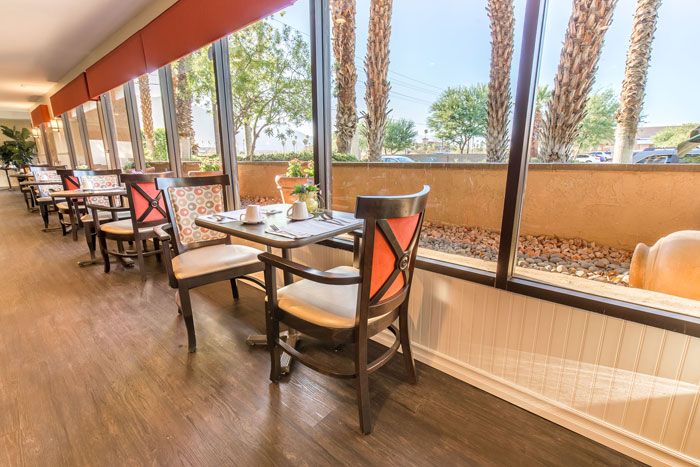
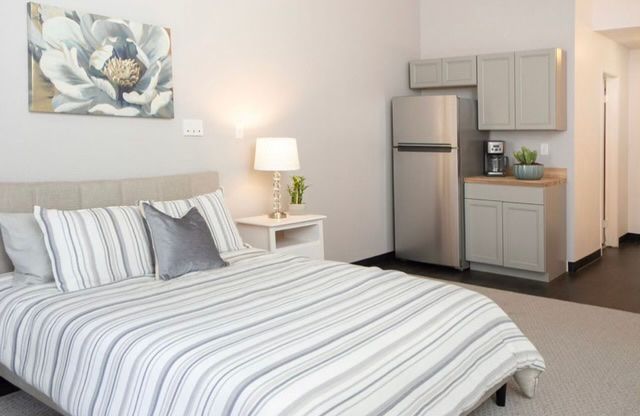
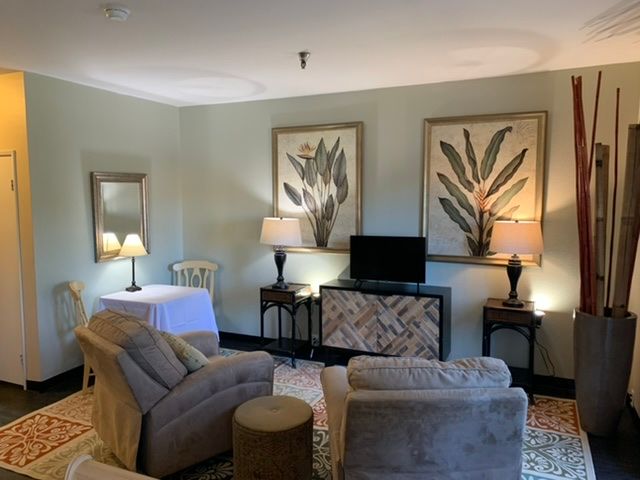
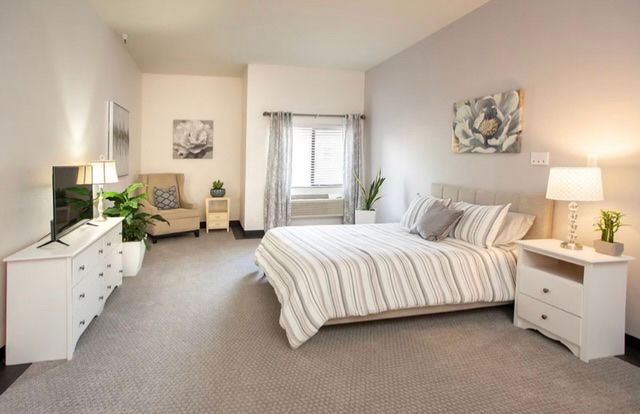
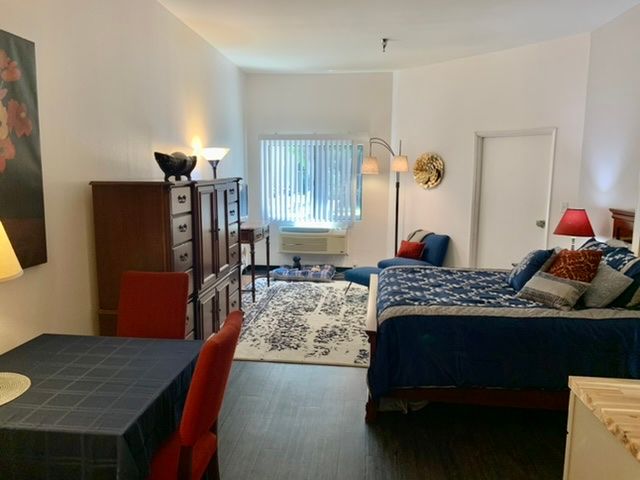
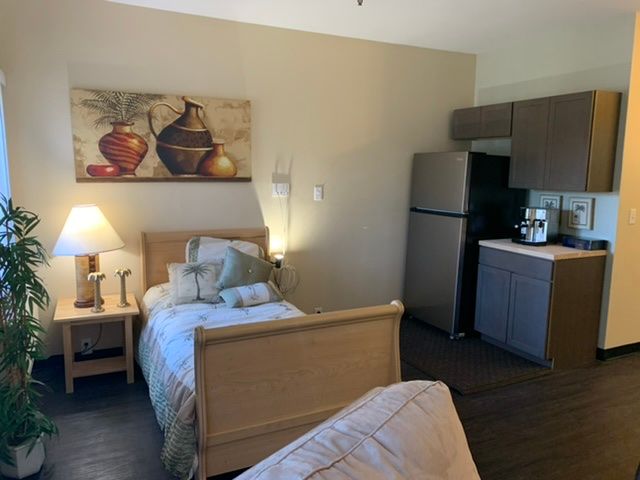
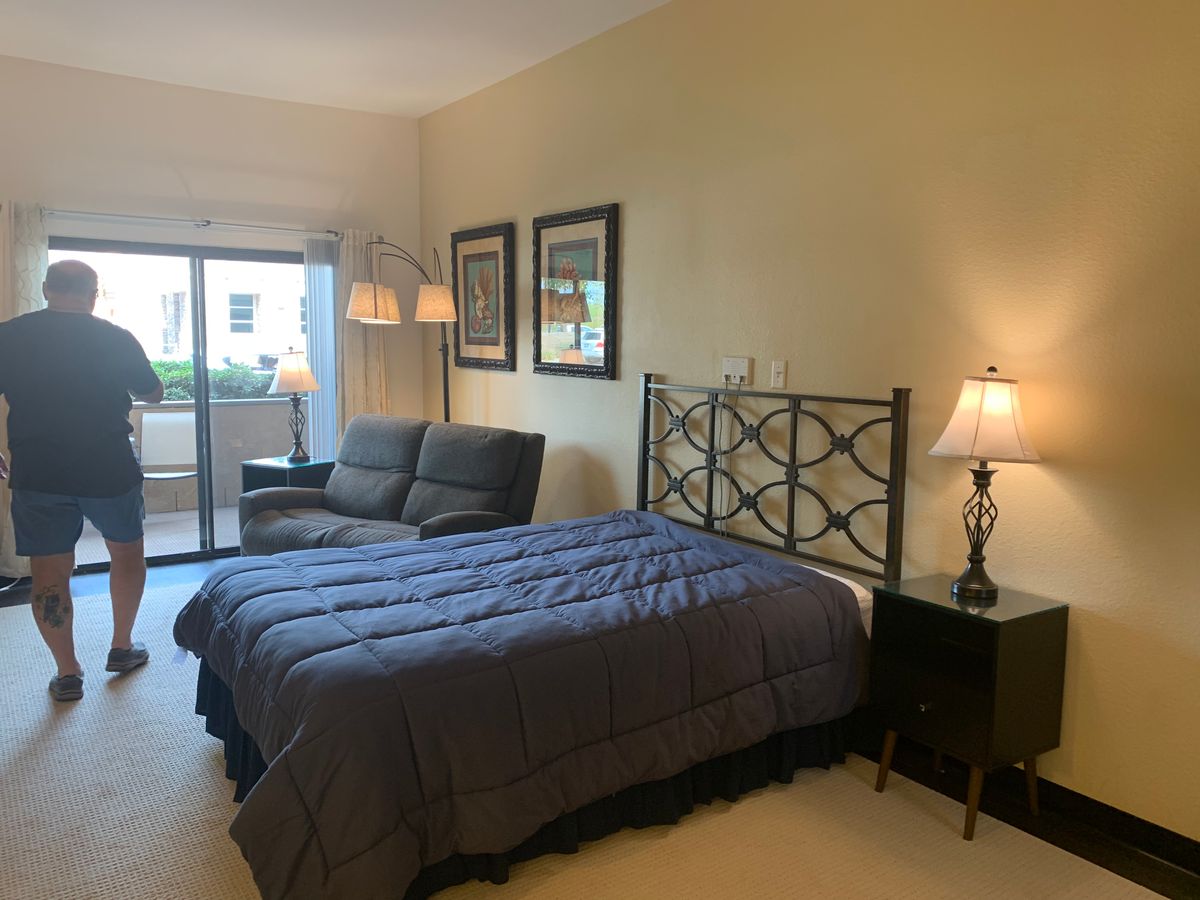
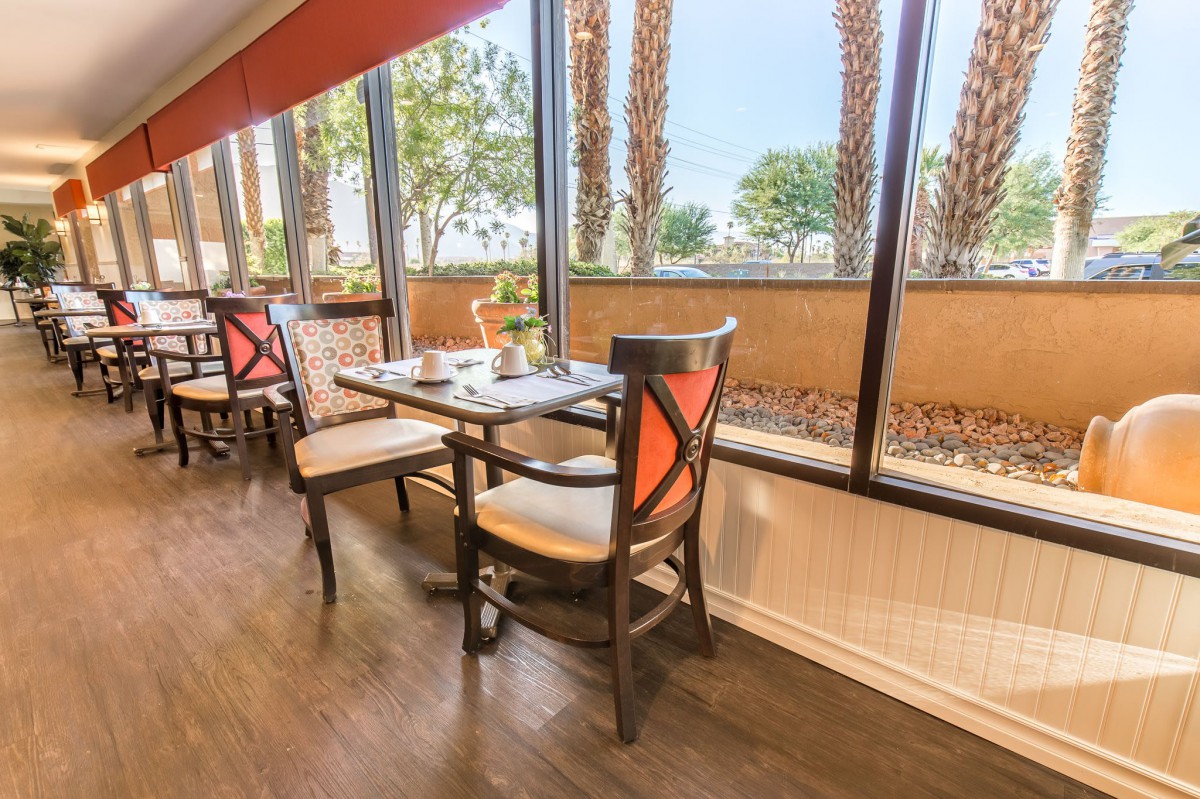
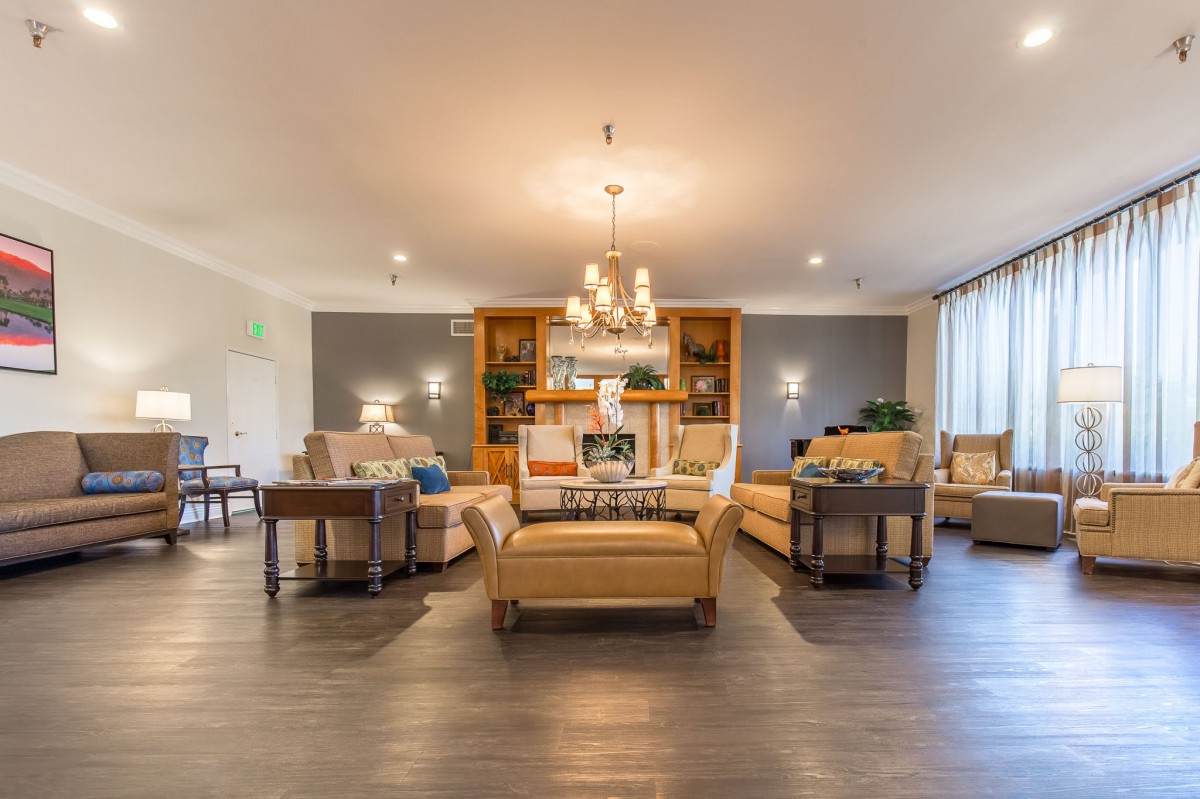
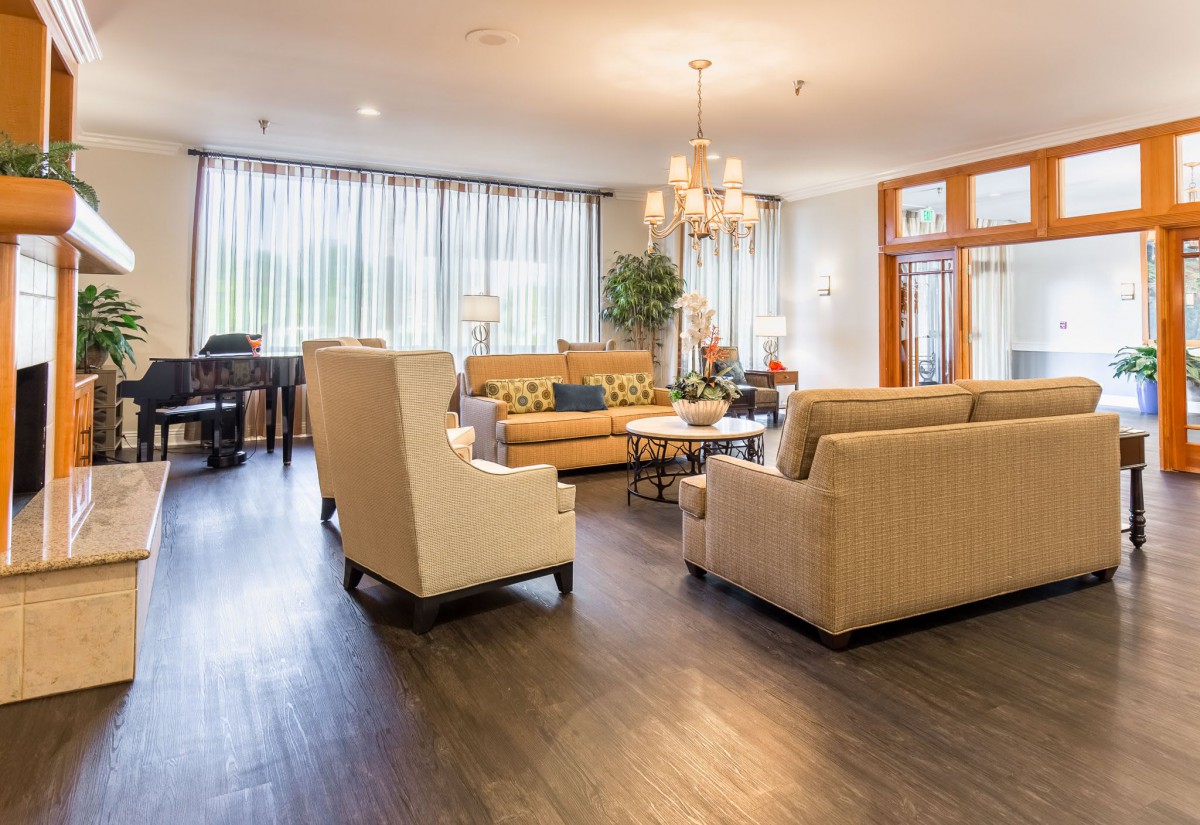
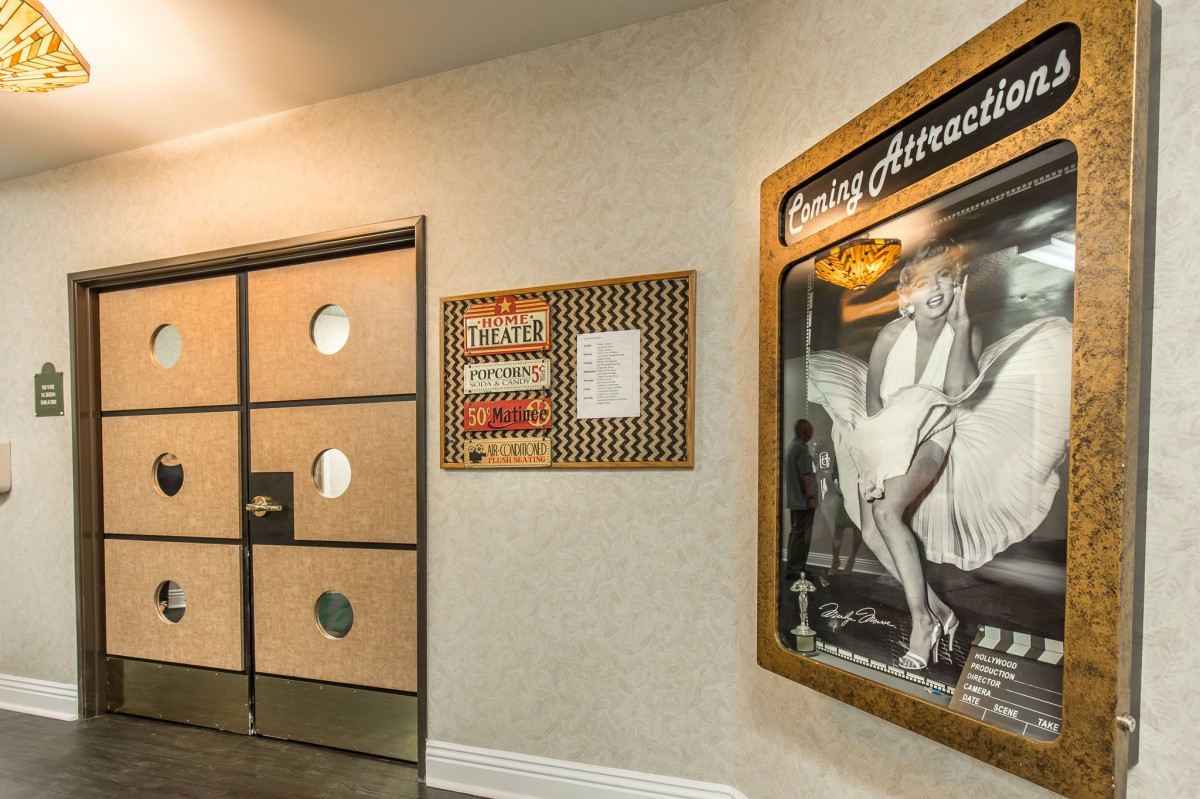
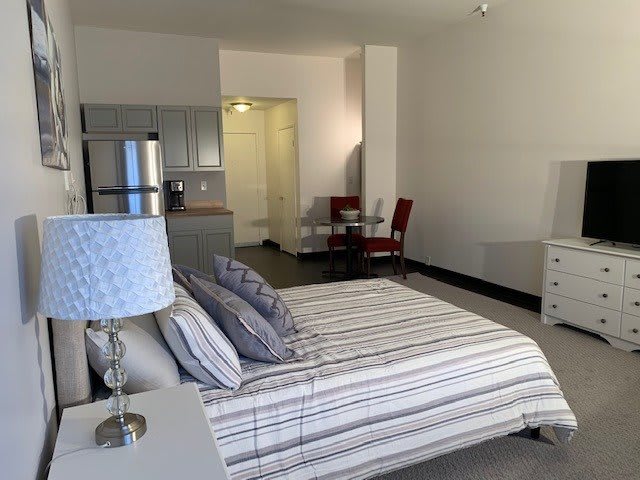
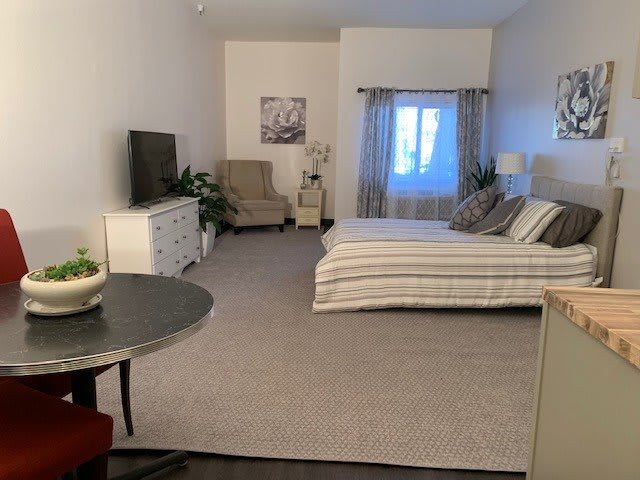
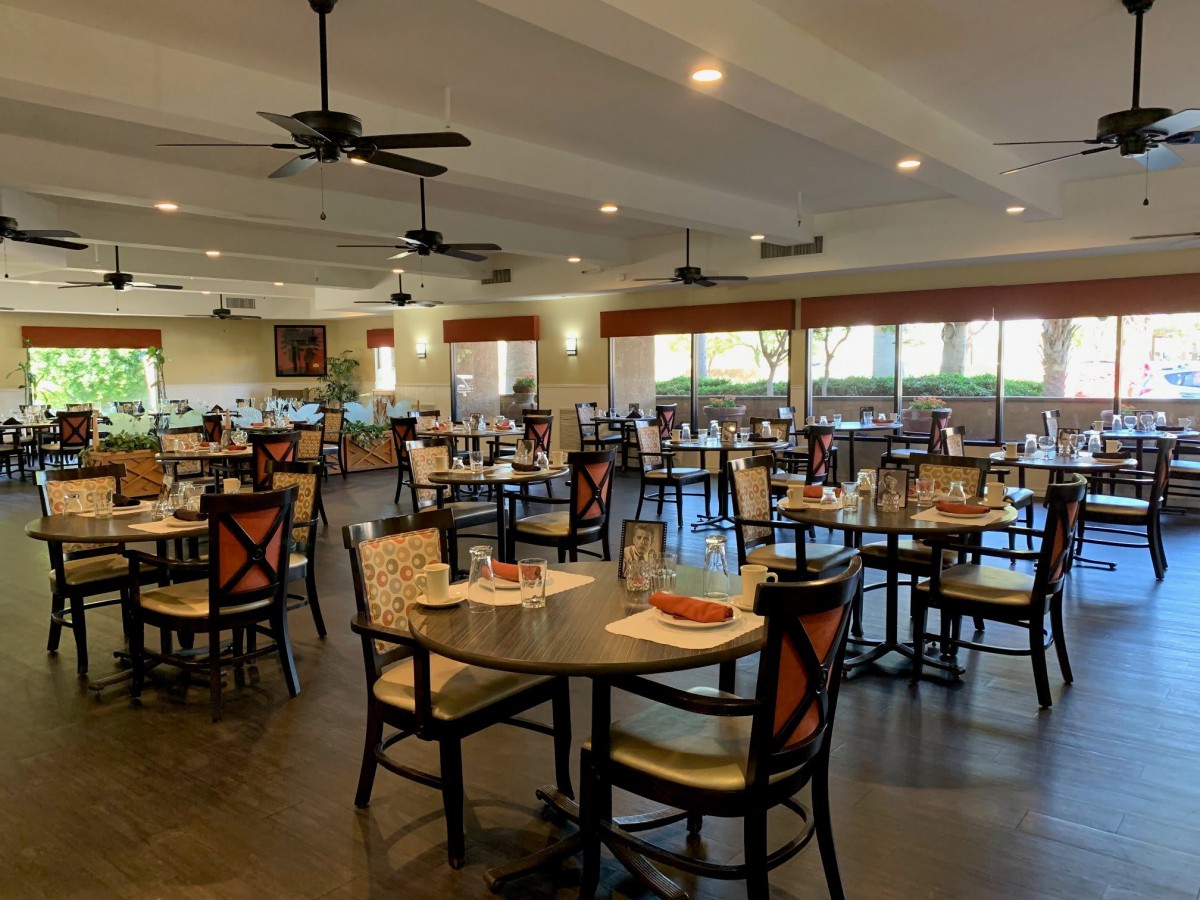
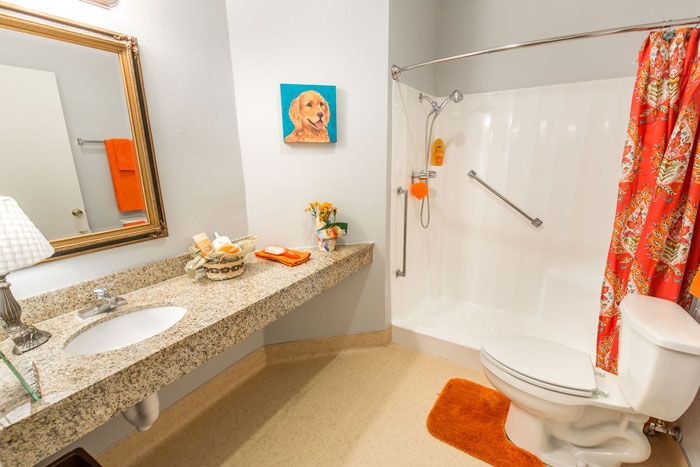
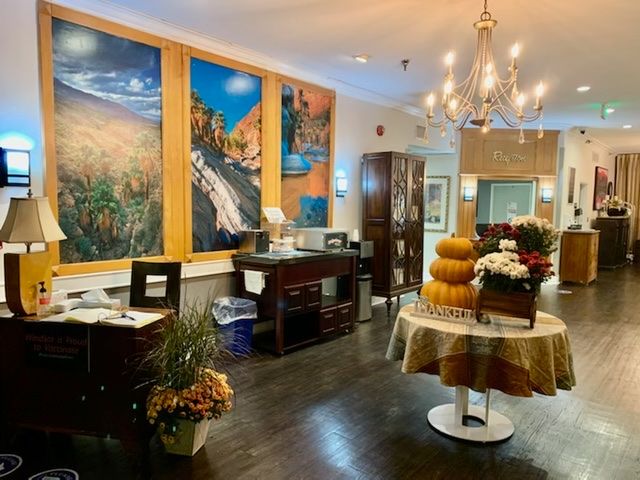
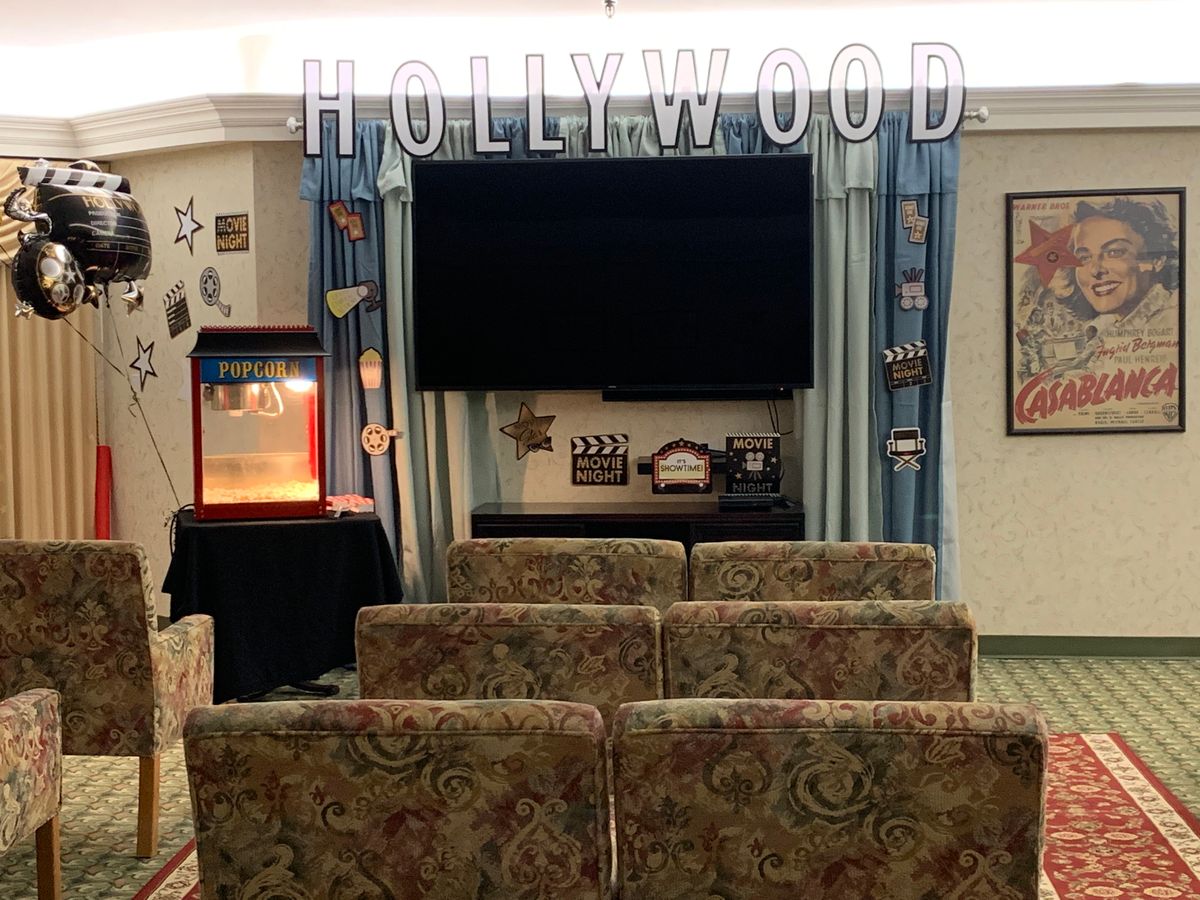
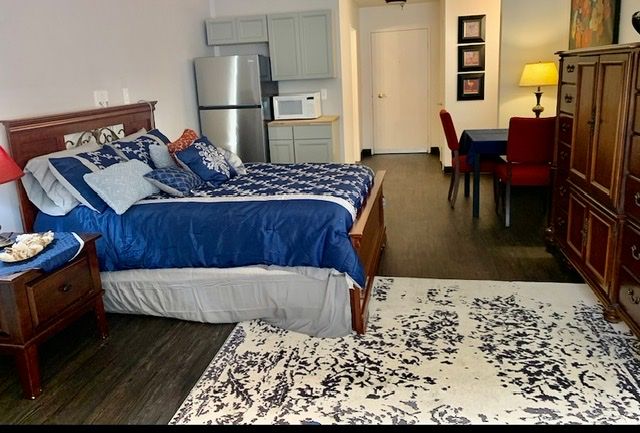
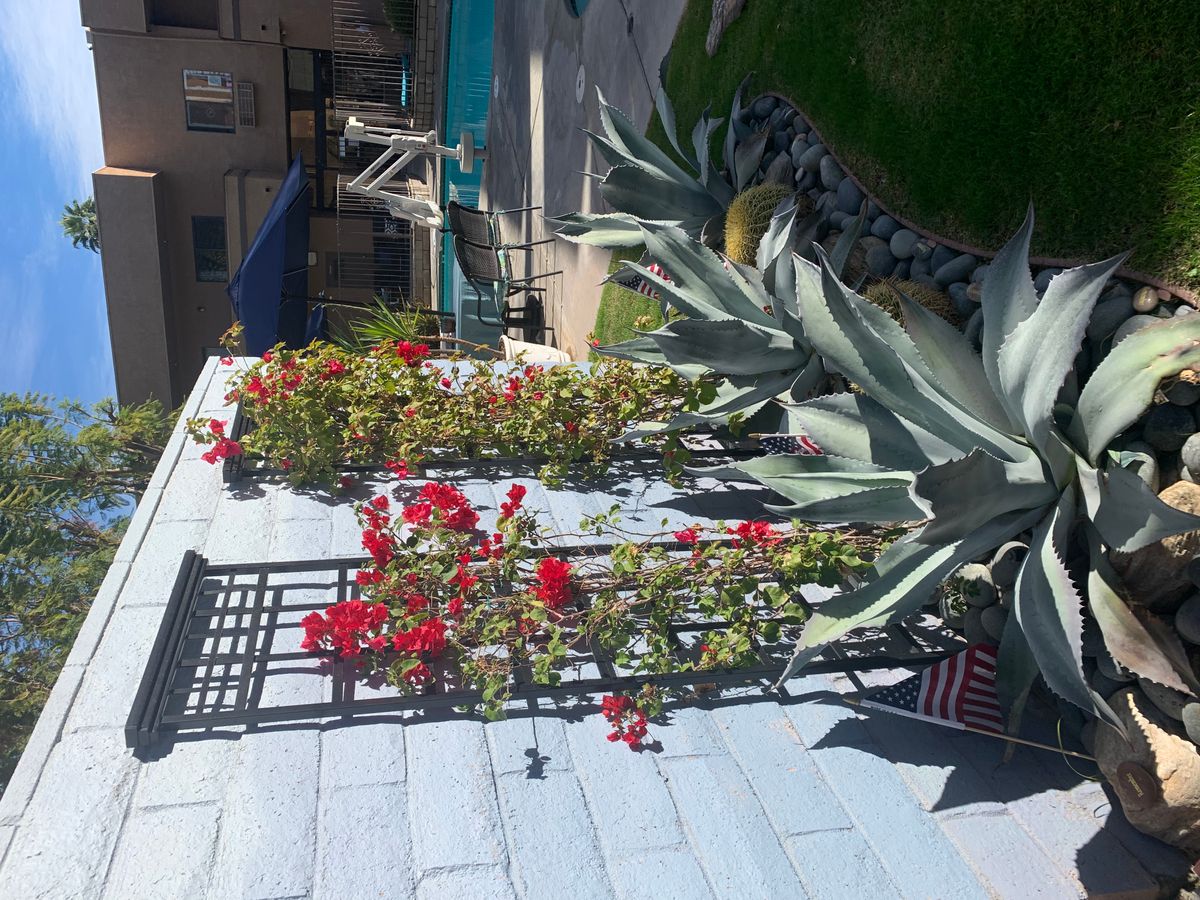
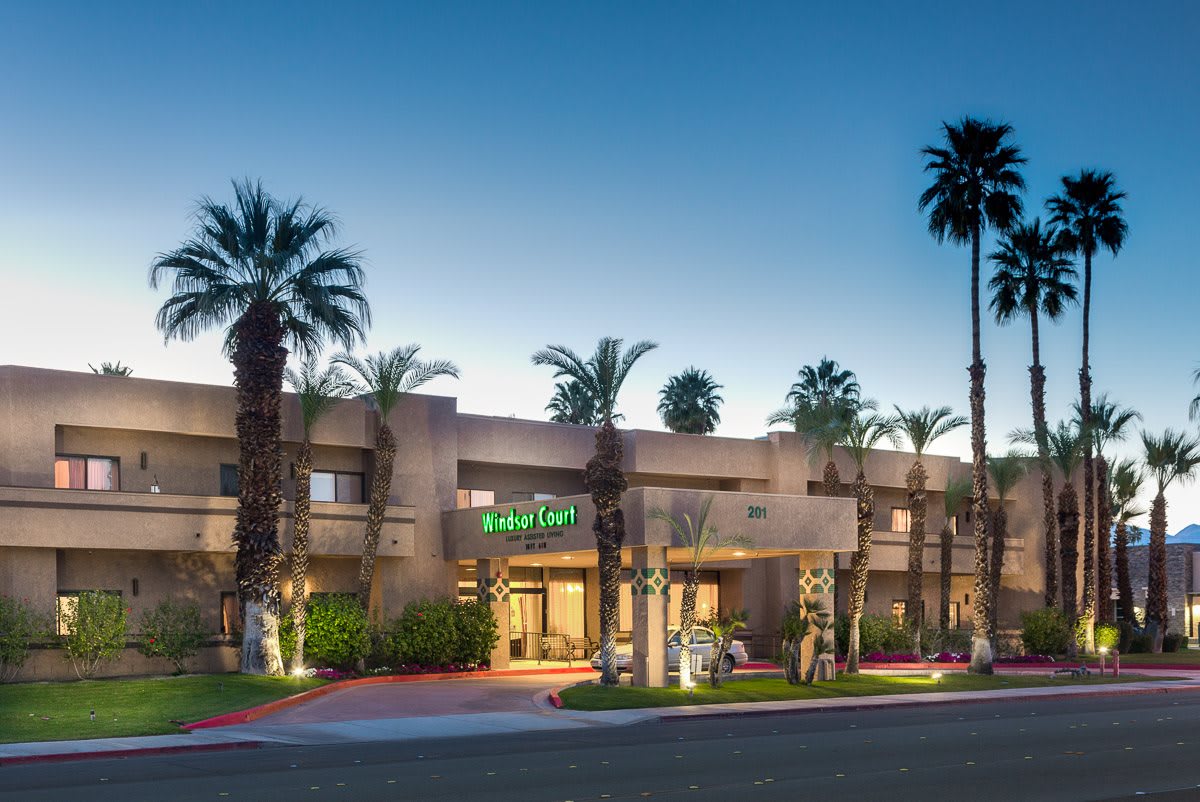
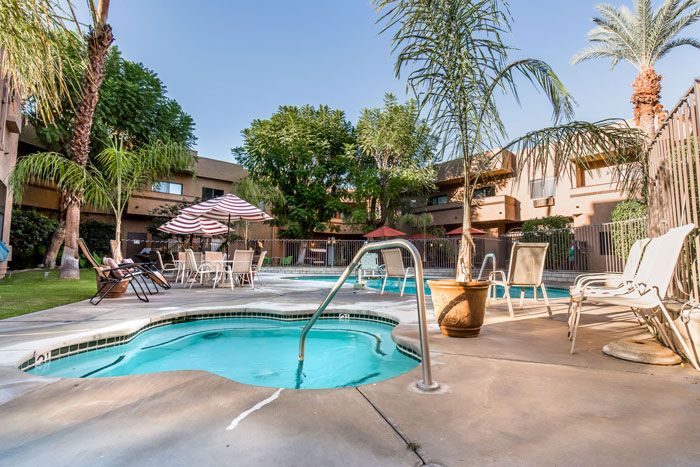
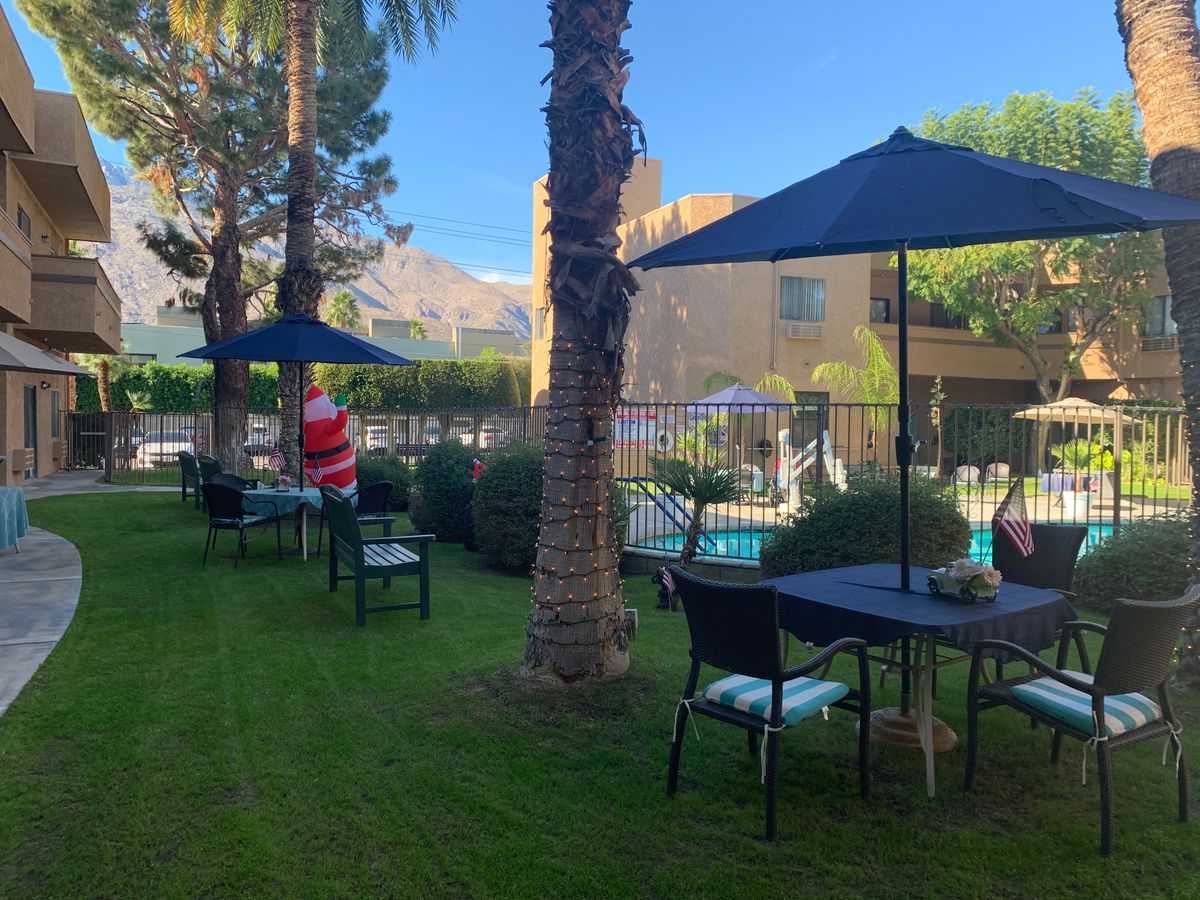
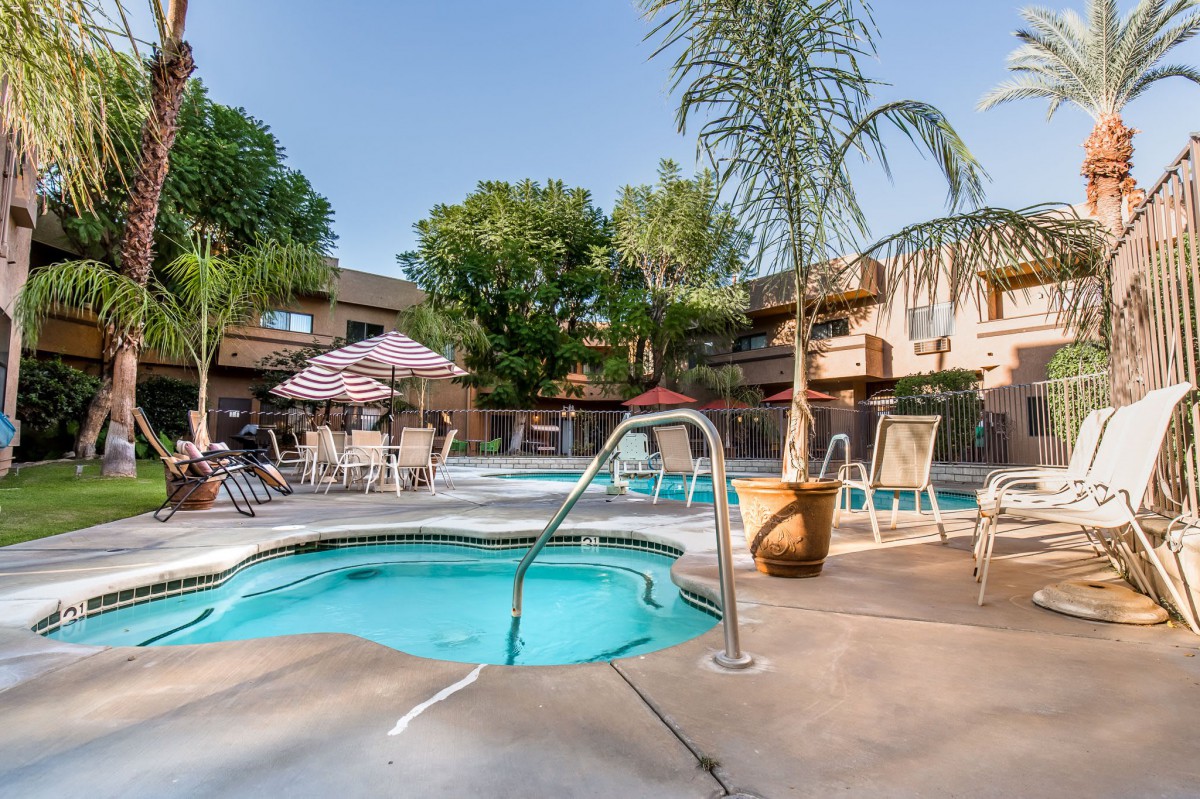
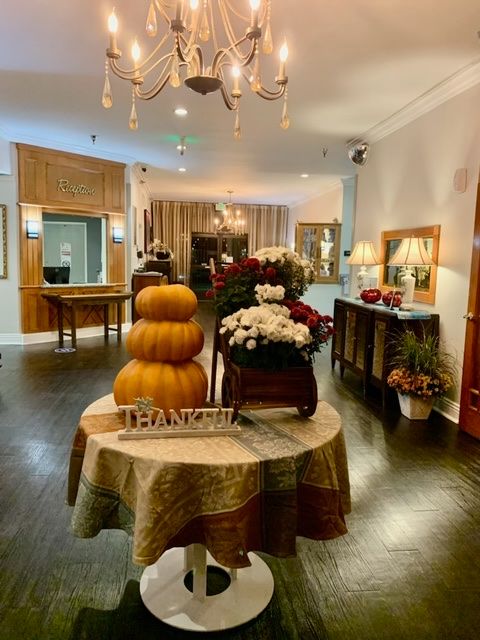
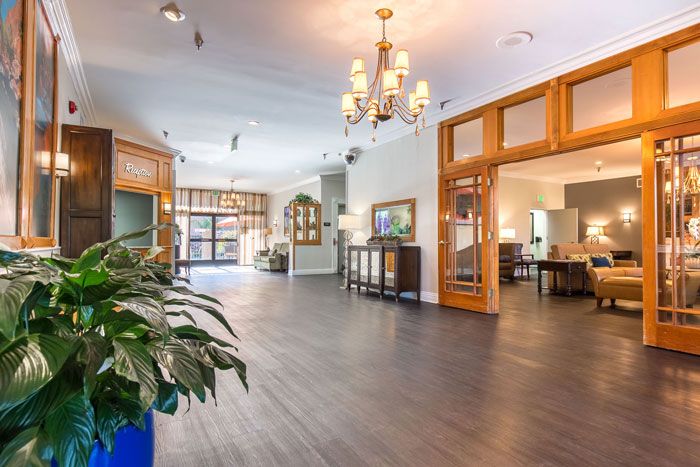
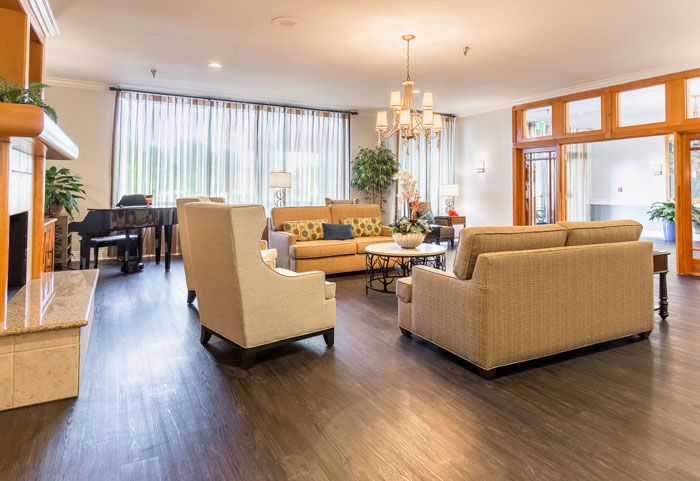
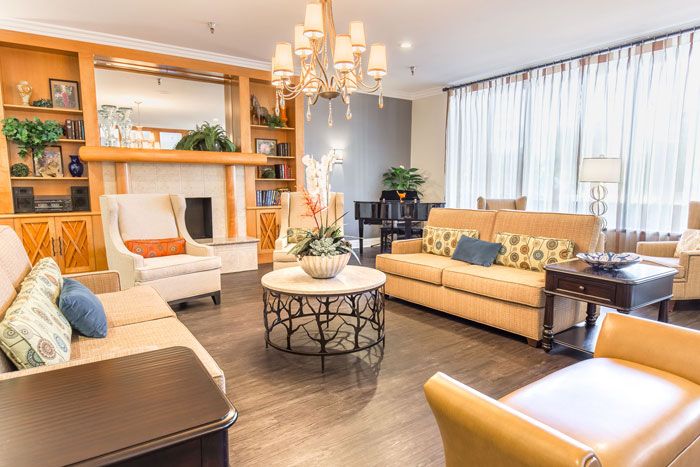
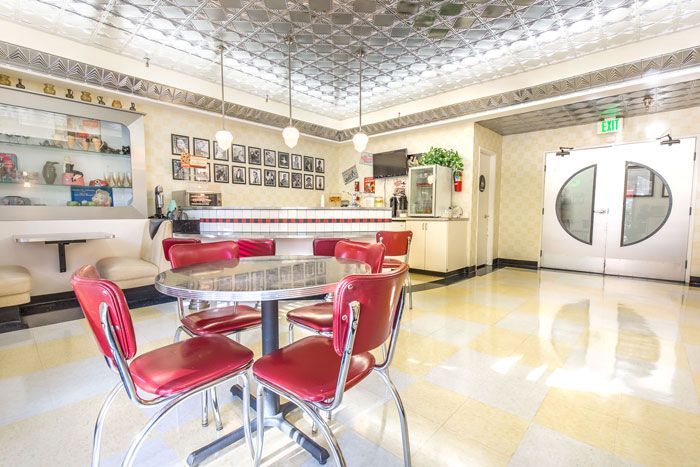
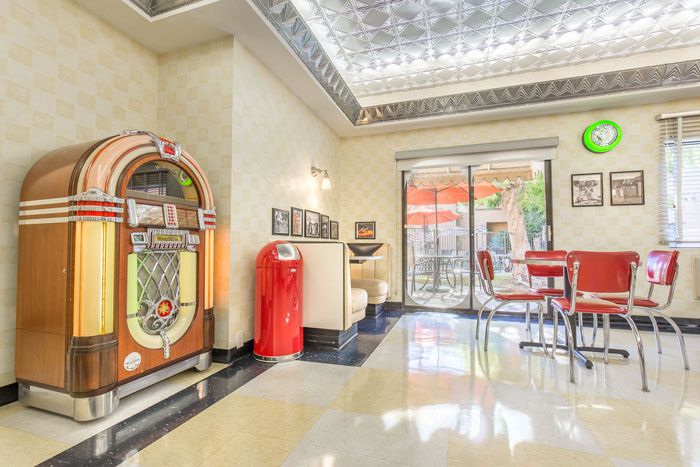
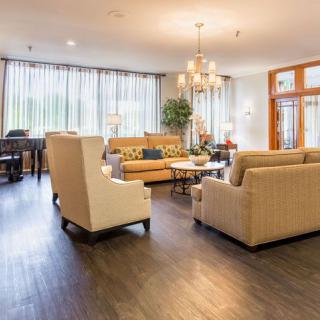
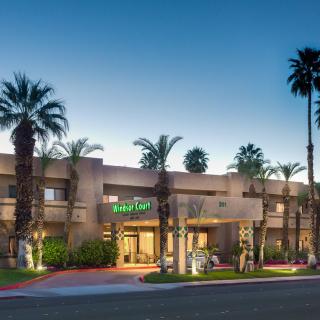
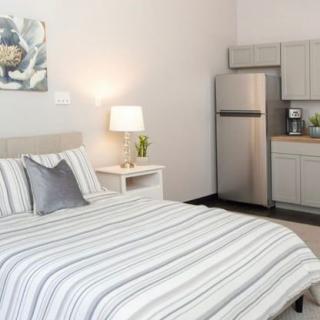
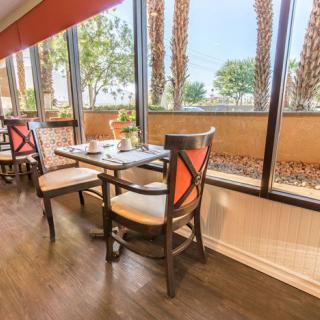
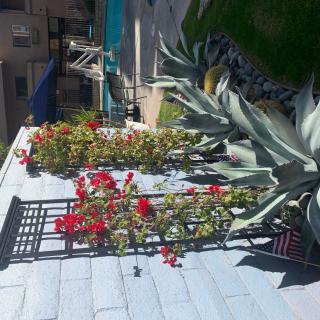
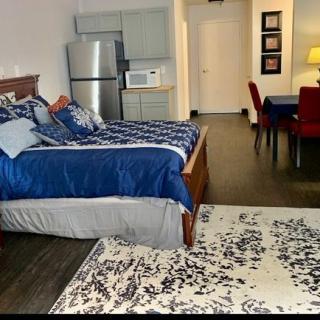
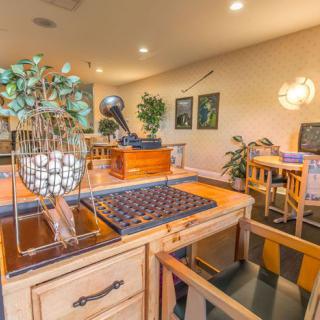
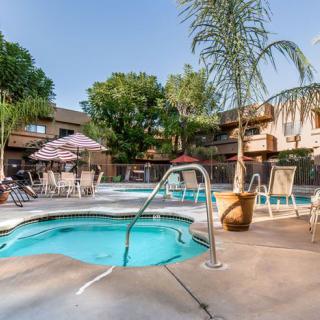
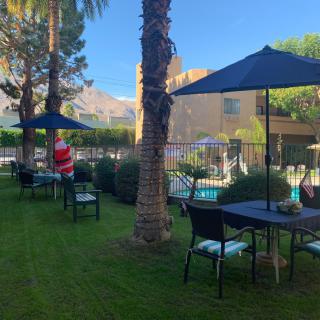
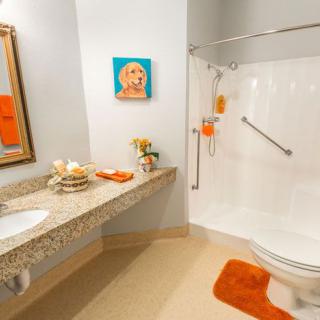
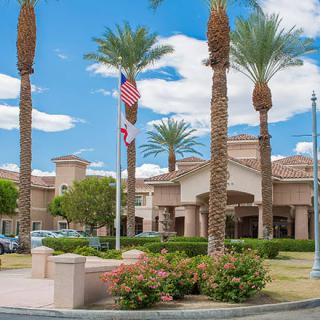
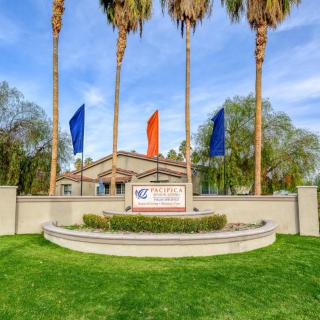
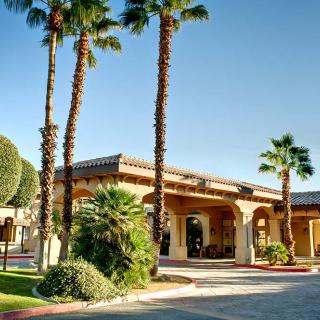
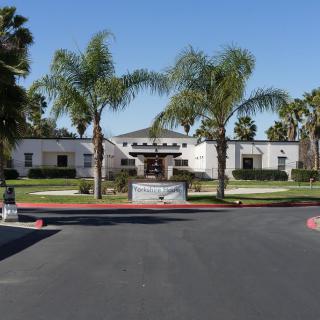
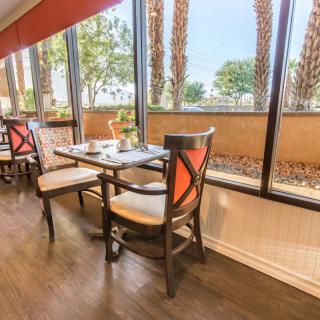
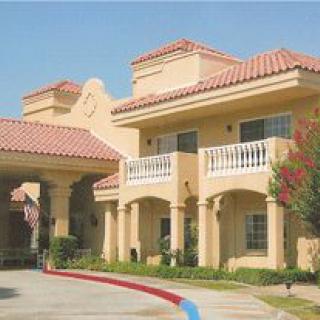
Windsor Court Assisted Living on seniors.fyi includes 36 photos including images showing interior, decor, dining, bedroom, chandelier, artwork, living room, outdoor, and more.
Nearby Communities
Palm Springs Healthcare & Rehabilitation Center
Palm Springs, CA
3 from 69 reviews
Extensive amenities and 24/7 care.
Pacifica Senior Living Palm Springs
Palm Springs, CA
4.6 from 161 reviews
$3,100 to $4,200 / month
Caring staff in a cozy cottage-style setting with pleasant grounds.
First Providence Home Health
Palm Springs, CA
3 from 2 reviews
Prime location with abundant nearby amenities and healthcare access.
Hallmark-Palm Springs
Palm Springs, CA
4.3 from 22 reviews
$2,500 to $3,200 / month
Friendly staff and a clean, engaging, hotel-like atmosphere.
Coachella Valley Health Personnel
Palm Springs, CA
Strong access to healthcare and nearby parks, dining, and shops.
Cerna Homecare
Palm Springs, CA
4.7 from 6 reviews
Reliable, compassionate in-home care with attentive caregiver oversight.
Mountain View Manor
Desert Hot Springs, CA
4.1 from 10 reviews
$2,800 to $3,800 / month
Warm, attentive staff and a clean, engaging environment with personalized attention.
Atria Hacienda
Palm Desert, CA
4.5 from 185 reviews
$4,295 to $6,395 / month
Beautiful facility with restaurant-style dining, strong community, and caring staff.
Victoria Falls Home Care 2
Palm Desert, CA
4.6 from 39 reviews
Intimate, personalized care with 24-hour supervision and engaging daily activities.
Reminiscence therapy helps individuals with dementia recall past memories through structured discussions and meaningful objects, enhancing mood, relationships, and sense of identity while celebrating their lives. It can be practiced in formal settings or at home, requiring sensitivity to personal histories and cultural backgrounds.
Reminiscence therapy is a structured method for older adults, especially those with dementia, to share life stories using prompts and sensory cues, fostering emotional well-being, social engagement, and self-identity. It aims to improve quality of life by enhancing interpersonal connections and cognitive stimulation while requiring careful facilitation to avoid distressing memories.
Dementia, particularly Lewy body dementia, often involves hallucinations that can significantly distress both patients and caregivers due to disruptions in sensory processing and neurotransmitter imbalances. Effective management includes compassionate communication, environmental adjustments, and a multidisciplinary approach to care while addressing the emotional needs of caregivers.
Get PricingAsk A QuestionSchedule A TourContact Senior Advisor
By clicking submit, you agree to our Partner's Terms of Use. You
also consent to receive calls and texts, which may be autodialed, from our Partner. Your consent is not a condition to
using our Partner's service. Please visit our Partner's Privacy Policy for information about their privacy practices.

 130 resident community capacity
 Studio apartments
 Assisted Living
 Independent Living
 Memory Care
 Cats allowed
 Dogs allowed
 Activities off-site
 Air-conditioning
 Beautician on-site
 Cable or satellite TV
 Cafe
Cafe Computer center
 Continuing learning programs
 Devotional services off-site
 Dining room
 Fitness room
 Full kitchen
 Fully furnished
 Gaming room
 Garden
 Ground floor units
 Guest parking
 Handicap accessible
 Housekeeping services
 Indoor common areas
 Laundry
 Located close to restaurants
 Located close to shopping centers
 Move-in coordination
 Outdoor common areas
 Outdoor patio
 Party space
 Pet friendly
 Private bathrooms
 Respite or short term stays offered
 Restaurant-style dining
 Small library
 Spa
Spa Swimming pool
 Telephone
 Wheelchair accessible showers
 Wi-Fi/high-speed internet available
 Palm Springs International (1 miles away)
 Community operated transportation
 12-16 hour nursing
 24-hour call system
 Accept incoming residents on hospice
 Assistance with bathing
 Assistance with dressing
 Assistance with transfers
 Care with behavioral issues
 Diabetes diet
 Diabetic care
 Incontinence care
 Medication management
 Mental wellness program
 Same day assessments
 Special dietary restrictions
 Transportation arrangement (medical)
 Art classes
 Catholic services
 Concierge services
 Cooking classes
 Educational speakers / life long learning
 Games
Games Jewish services
 Live musical performances
 Planned day trips
 Wii bowling
 English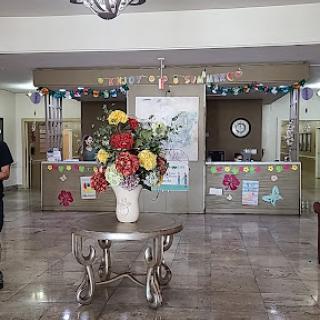
 Extensive amenities and 24/7 care.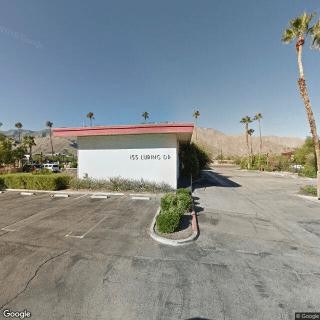

 Exploring the Power of Reminiscence Therapy for Individuals With Dementia
 An In-Depth Look at Reminiscence Therapy in Dementia Care
 Dementia-Related Hallucinations: Causes, Experiences, and Practical Approaches