Pacifica Senior Living Palm Springs Costs & Pricing
Pacifica Senior Living Palm Springs offers competitive pricing for its residents, particularly when compared to the broader market in Riverside County and throughout California. For instance, a studio apartment is available at $3,100 per month, which is notably lower than both the county average of $3,559 and the state average of $4,145. In terms of semi-private accommodations, Pacifica's rate of $3,650 exceeds the county's more affordable option at $2,844 but remains within a reasonable range compared to California's average of $3,333. When it comes to one-bedroom units, Pacifica's price of $4,200 sits comfortably between both regional figures - the county average being $3,611 and the state approaching $4,340. Overall, Pacifica Senior Living Palm Springs combines quality care with cost-effective living options in an attractive desert setting.
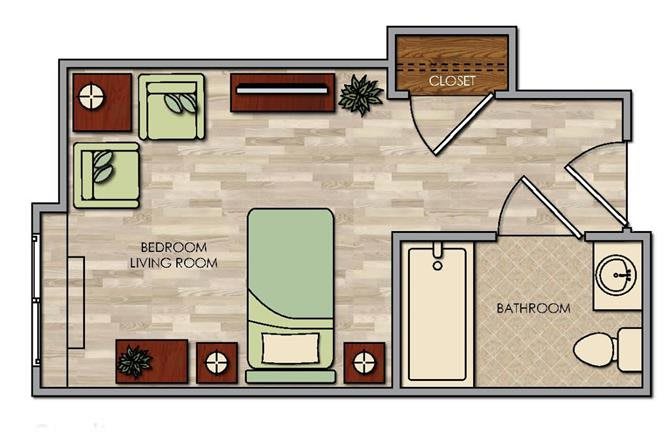
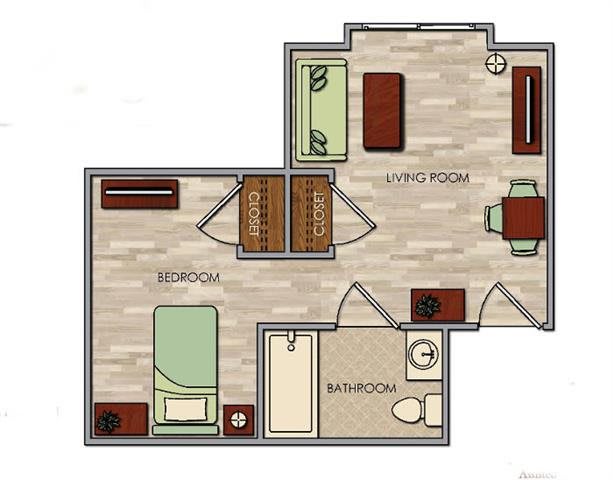
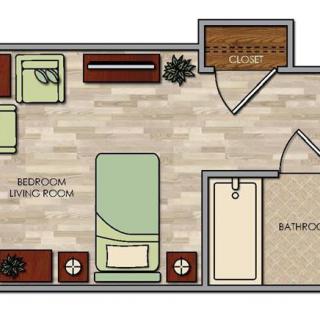
Floor plans
Pacifica Senior Living Palm Springs
Riverside County
California
Studio
$3,100
$3,559
$4,145
Semi-Private
$3,650
$2,844
$3,333
1 Bedroom
$4,200
$3,611
$4,340
Memory care communities with a similar price nearby
Overall Review of Pacifica Senior Living Palm Springs
common78 reviews mention this
Staff are attentive and supportive
Residents and families repeatedly describe staff as caring, responsive, and supportive.
A large number of reviews describe staff members as attentive and kind, with frequent mentions of helpfulness during stressful transitions. Several people specifically note being able to reach someone when questions come up, and that staff follow through rather than leaving issues unresolved. In memory care and assisted living, multiple reviewers say caregivers treat residents with respect and keep families reassured.
differentiator46 reviews mention this
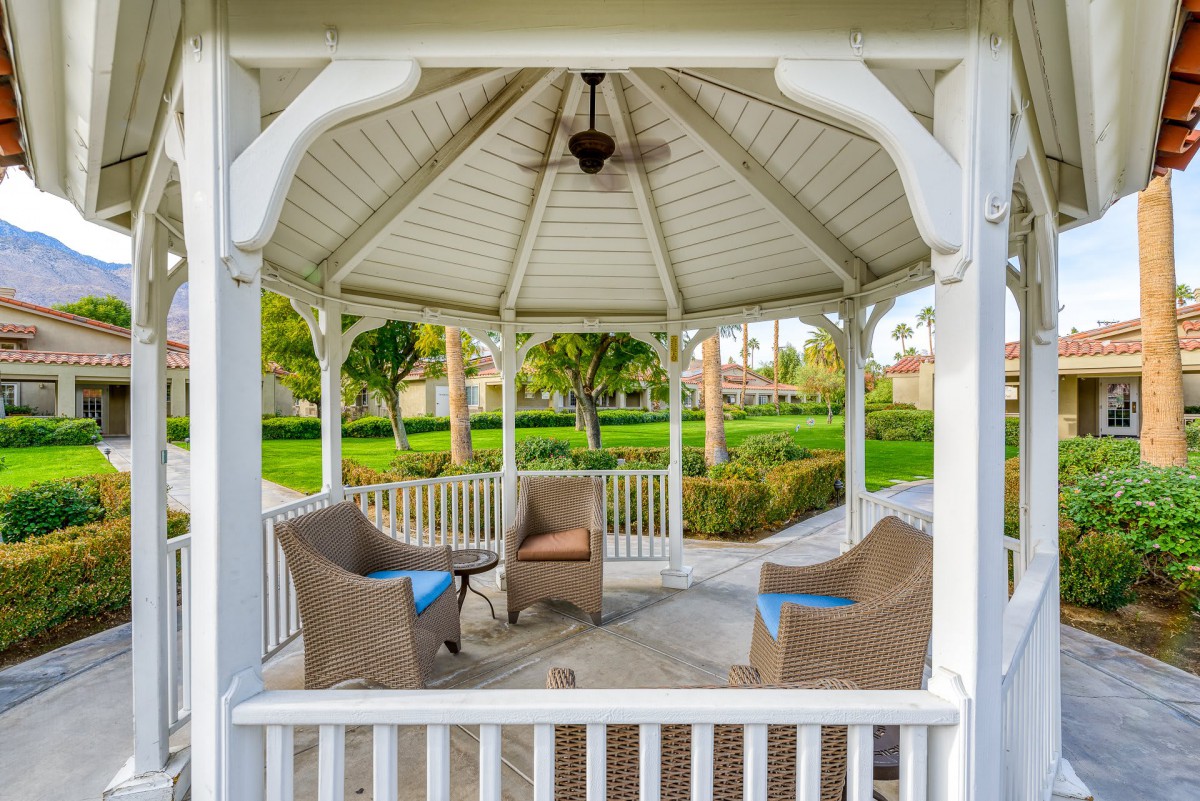
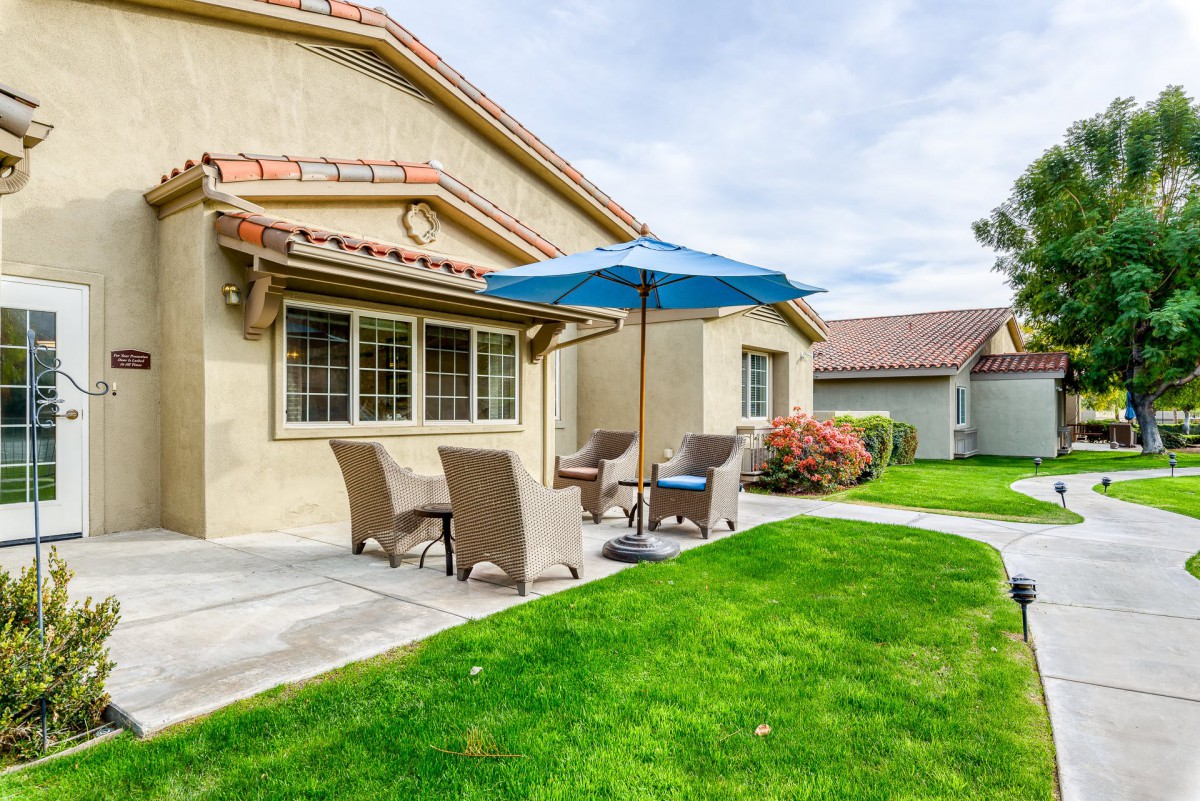
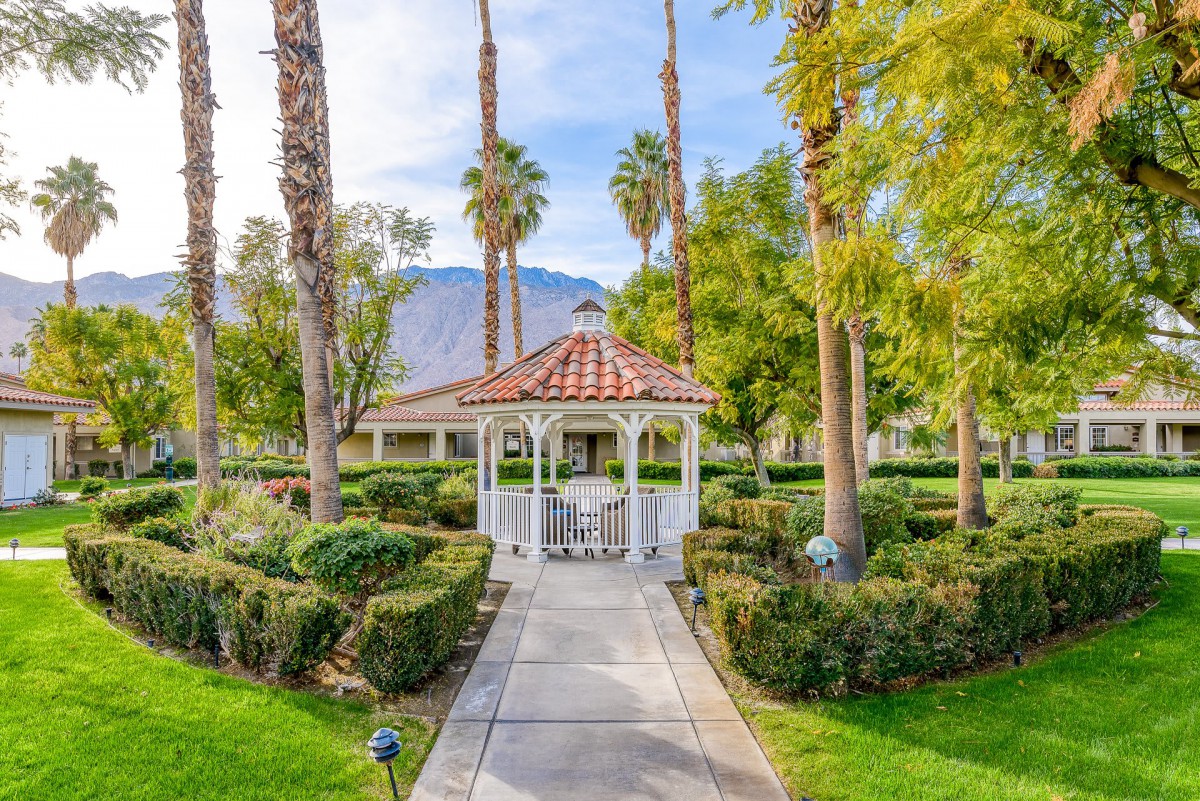
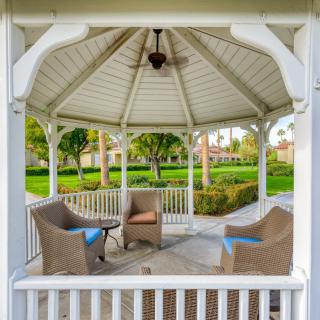
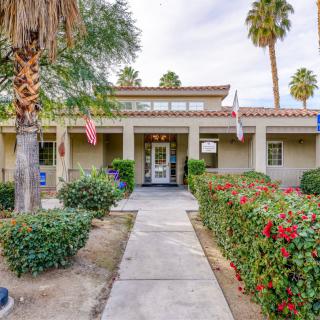
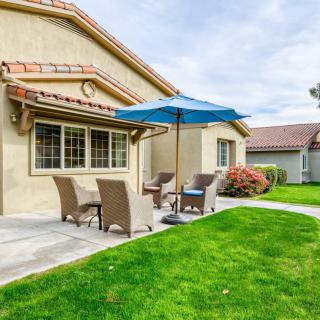
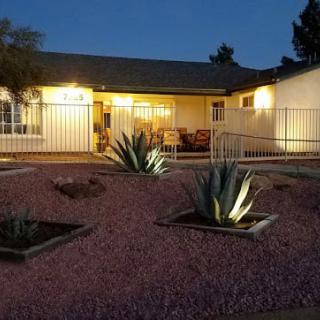
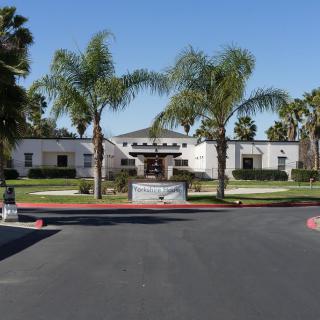
Cottage-scale and park-like grounds
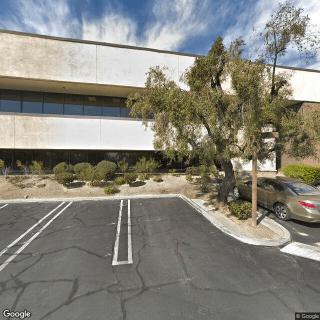
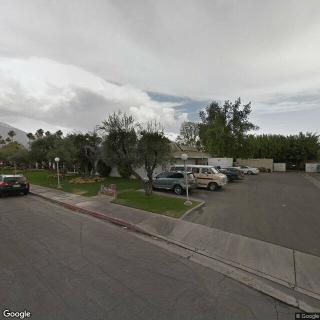
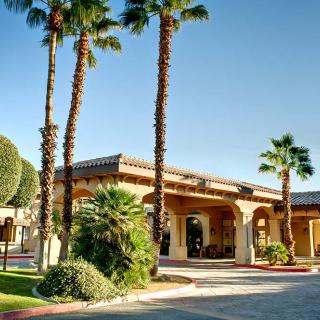
The cottage-style layout and park-like grounds stand out across reviews.
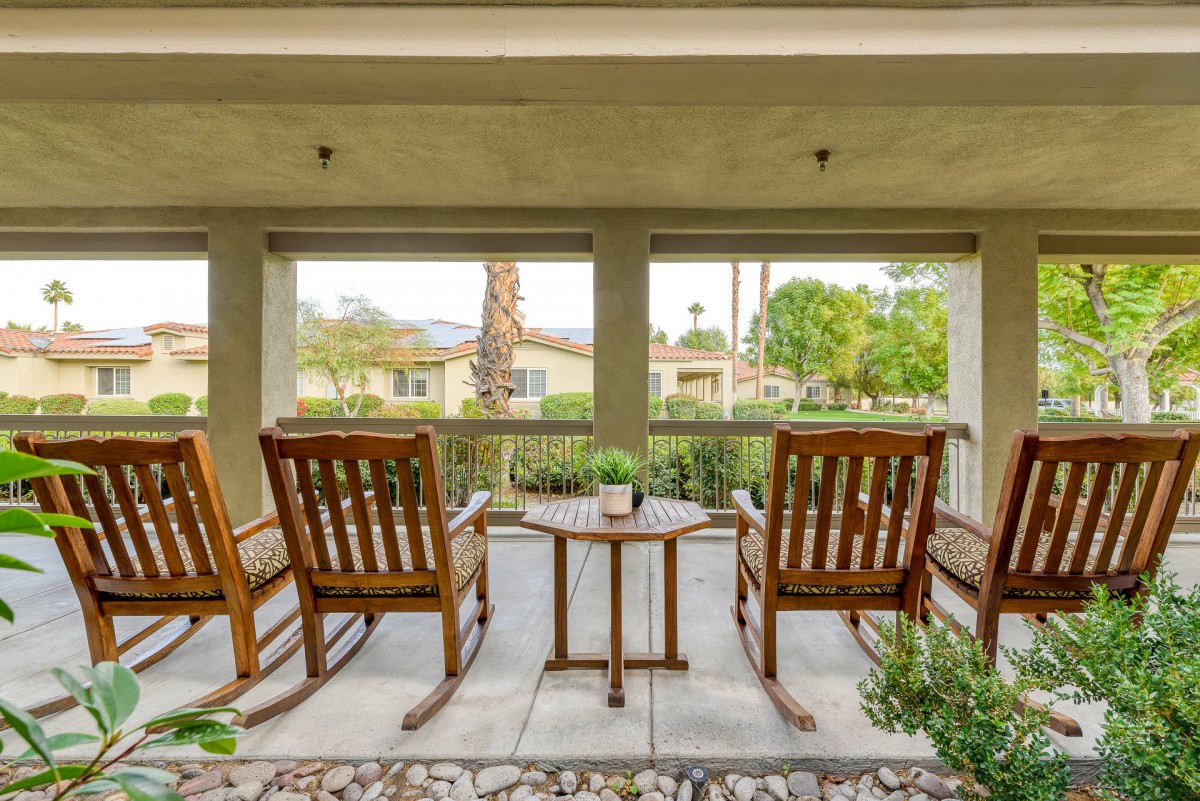
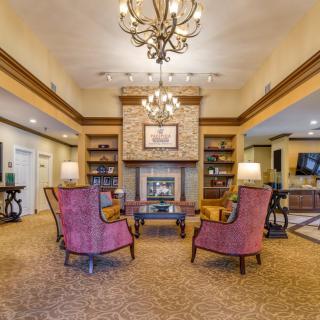
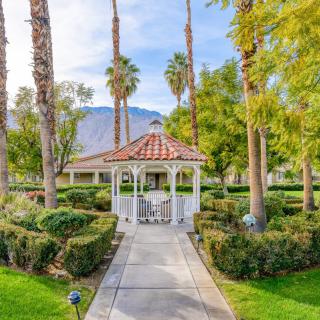
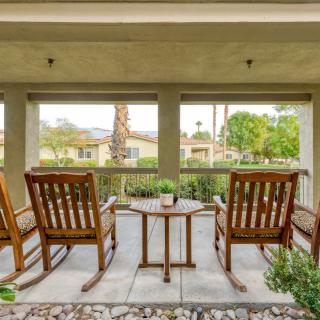
Many reviewers point to the property’s small-scale, cottage-cluster feel rather than one large institutional setup. People also describe the grounds as landscaped and walk-friendly, with grassy outdoor space and pleasant outdoor seating areas. Several reviews connect this layout to a more home-like experience for residents and a comfortable feeling for families.
common37 reviews mention this
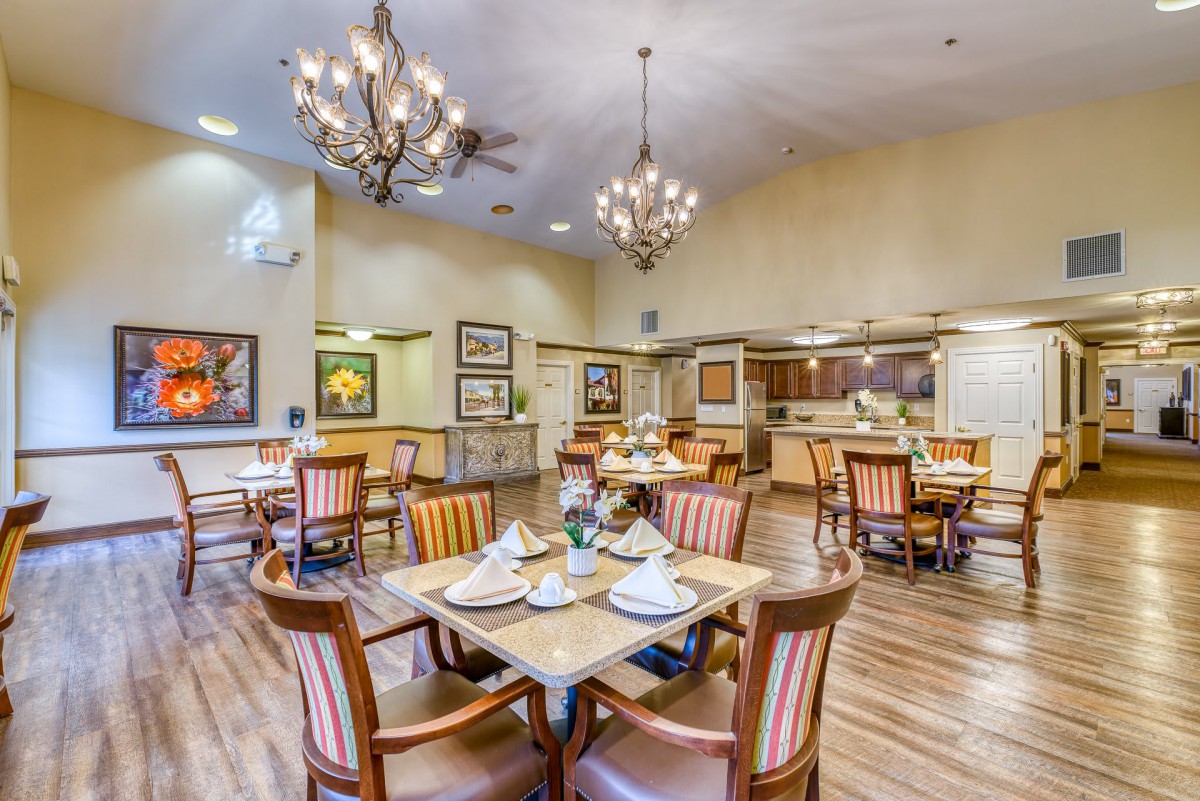
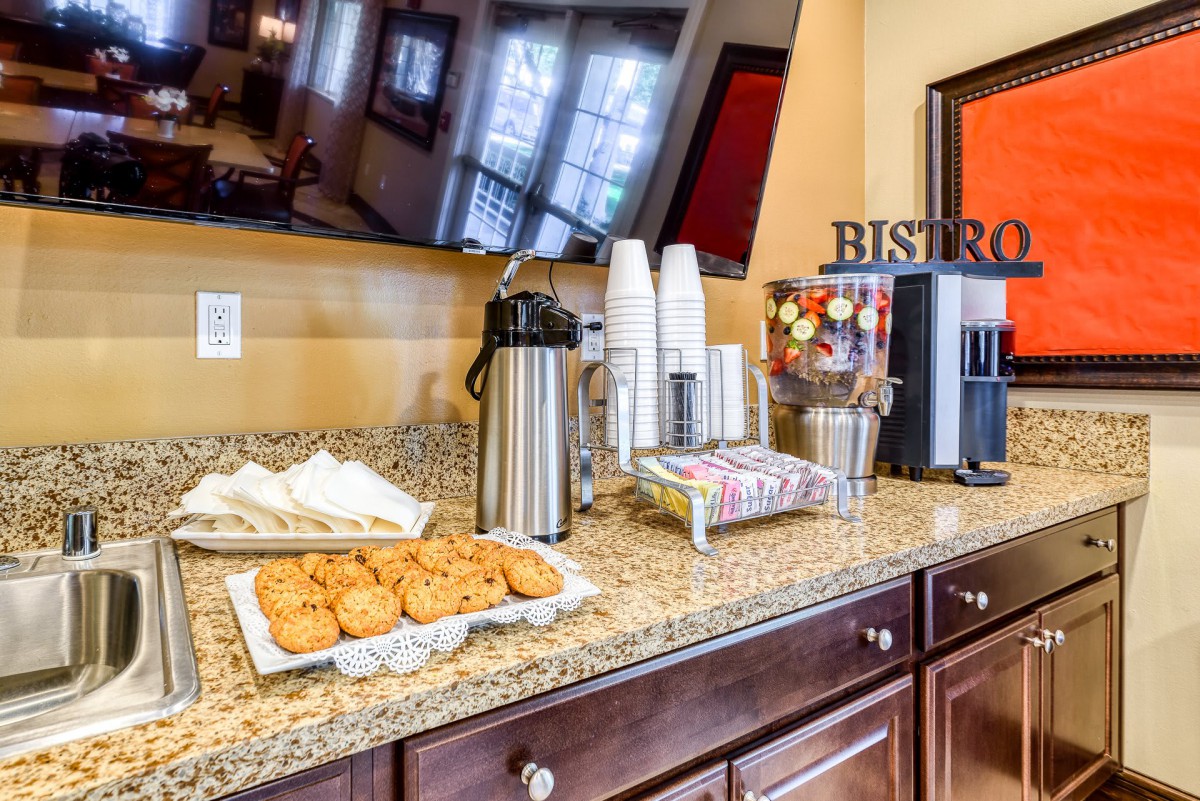
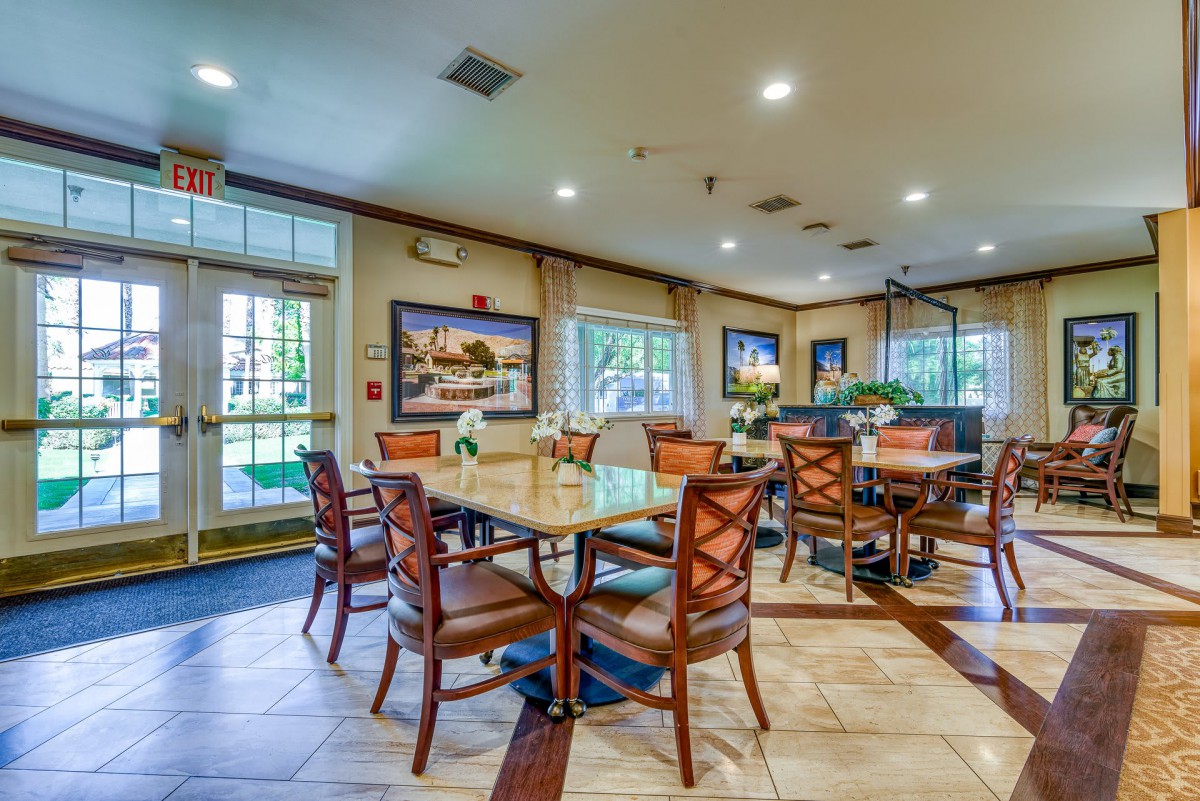
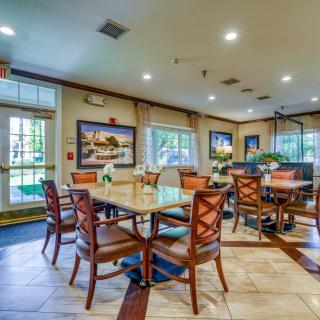
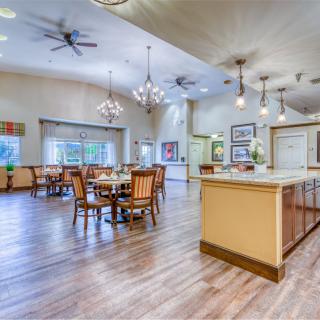
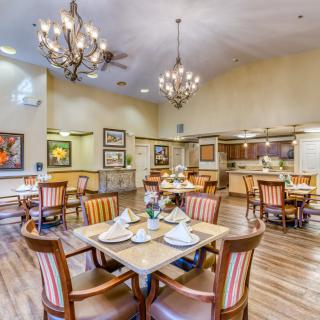
Dining feels restaurant-like
Dining is frequently described as restaurant-style and enjoyable.
Dining shows up as a frequent bright spot, with reviewers describing a dining experience that feels more like a restaurant than a cafeteria. Some mention that residents have choices and that meals can be well-prepared. A smaller set of reviews also call out food as bland or processed, so dining quality doesn’t land the same way for everyone.
common28 reviews mention this
Activities keep residents engaged
Residents are repeatedly mentioned as being kept busy with daily activities.
Multiple reviews highlight an active schedule, including group events like exercise and outings, as well as social times such as happy hour. Several people say their loved ones enjoy activities and make friendships through them. A few reviews raise concerns that activities may not happen often enough or that residents can be left without guidance during programming.
differentiator24 reviews mention this
Care coordination and medication help
Reviews frequently mention practical care support around daily routines.
Residents and families describe hands-on support for day-to-day needs, including assistance with meals and personal care when required. Several reviewers also talk about medication management and the ability to get attention when something needs to be handled. Some reviewers note that additional help may involve extra cost after the base level of services, which is something to confirm for your needs.
caveat19 reviews mention this
Pricing and value can feel high
Pricing comes up often, with several reviews saying it feels expensive for the value.
A recurring theme is that the community feels costly relative to what families receive. Some reviews describe expectations around staffing or included care that weren’t fully met, and others mention paying extra for certain assistance beyond the base package. At the same time, other reviewers say the overall fit and care quality were worth it, so the value perception varies by situation.
caveat10 reviews mention this
Maintenance and staffing concerns appear
A smaller set of reviews raise issues about cleanliness, responsiveness, or care adequacy.
Some reviews mention problems like cleanliness concerns, maintenance items not being fixed promptly, or residents experiencing lapses in assistance. A couple of comments focus on memory care staffing limitations and later-stage dementia needs, while others describe communication or scheduling difficulties. These issues aren’t universal in the reviews, but they’re specific enough that prospective families may want to ask detailed questions.
How we summarize
Counts show how many written reviews mention each theme; a review can touch several themes, and only frequently mentioned themes are displayed.
Features
Housing
95 resident community capacity
1-bedroom apartments
Studio apartments
Types of Care
Assisted Living
Memory Care
Pets
Cats allowed
Dogs allowed
Amenities
Activities off-site
Activities on-site
Air-conditioning
Beautician on-site
Beauty salon
Cable or satellite TV
Computer center
Devotional services off-site
Devotional services on-site
Dining room
Fitness room
Fully furnished
Gaming room
Garden
Ground floor units
Handicap accessible
Housekeeping services
Indoor common areas
Kitchenette
Move-in coordination
Outdoor common areas
Outdoor space
Party space
Private bathrooms
Resident parking
Respite or short term stays offered
Restaurant-style dining
Small library
Telephone
Wellness center
Wheelchair accessible showers
Wi-Fi/high-speed internet available
Transportation
Palm Springs International (1 miles away)
Community operated transportation
Transportation & parking
Transportation arrangement
Transportation arrangement (non-medical)
Transportation to doctors appointments
Care Services
12-16 hour nursing
24-hour call system
24-hour supervision
Activities of daily living assistance
Ambulatory care
Assistance with bathing
Assistance with dressing
Assistance with transfers
Coordination with health care providers
Dementia waiver
Diabetes diet
Diabetic care
Hospice waiver
Incontinence care
Meal preparation and service
Medication management
Mental wellness program
Mild cognitive impairment
Physical therapy
Special dietary restrictions
Specialized memory care programming
Transportation arrangement (medical)
Transportation to doctors appointments
Dining
Diabetes diet
Guest meals
International cuisine
Low / no sodium
Meals provided
No Sugar
Professional chef
Restaurant style dining
Room service
Special dietary restrictions
Activities
Art classes
Catholic services
Community-sponsored activities
Concierge services
Day trips and outings
Devotional activities offsite
Devotional activities on-site
Educational speakers / life long learning
Fitness programs
Happy hour
Jewish services
Live musical performances
Planned day trips
Protestant services
Religious services
Resident-run activities
Scheduled daily activities
Visiting Rabbi
Wine tasting
Languages Spoken
English
Nearby Places of Interest
This area of Palm Springs, California offers convenient access to essential services such as pharmacies, hospitals, physicians, restaurants, cafes, theaters, parks, and places of worship. With several pharmacies located within walking distance and reputable medical facilities nearby including Eisenhower Labtechniques Palm Springs and Desert Regional Medical Center, residents can easily access healthcare services. Additionally, a variety of dining options ranging from casual eateries like Panda Express to upscale restaurants like Rooster And The Pig cater to different culinary preferences. The proximity to parks such as Ruth Hardy Park and transportation hubs like Palm Springs International Airport make it easy for seniors to enjoy outdoor activities and travel when needed. The presence of places of worship like Bloom In The Desert Ministries offers spiritual support in the community. Overall, this neighborhood in Palm Springs provides a well-rounded environment for senior living with convenient amenities and services nearby.
Pharmacies
The Medicine Shoppe (0.1 miles)
Rite Aid (0.2 miles)
CVS Pharmacy (0.3 miles)
Community Pharmacy (0.4 miles)
Rite Aid (1.1 miles)
Walgreens (1.4 miles)
Walgreens (1.7 miles)
Hospitals
Eisenhower Labtechniques Palm Springs (0.1 miles)
DOHC Infusion Clinic (1 miles)
Desert Regional Medical Center (1.6 miles)
Physicians
Desert Oral Surgery (0.2 miles)
Daniel Fast, MD (0.6 miles)
West Dermatology Palm Springs (0.6 miles)
Desert Advanced Imaging (0.6 miles)
Charles Gonzales MD (0.8 miles)
Victory Physican (0.8 miles)
Desert Medical Group (1 miles)
Restaurants
Panda Express (0.2 miles)
Sherman's Deli and Bakery (0.9 miles)
Blackbook (1 miles)
Townie Bagels (1 miles)
Ruben and Ozzy's Oyster Bar (1.1 miles)
Rooster And The Pig (1.1 miles)
Fisherman's Market & Grill (1.1 miles)
Cafes
Starbucks (0.3 miles)
Starbucks (1.1 miles)
Starbucks Reserve (1.2 miles)
Palm Springs Koffi (1.4 miles)
Cafe La Jefa (1.4 miles)
Koffi Palm Springs (1.5 miles)
Ernest Coffee (1.7 miles)
Theaters
Regal Palm Springs (0.8 miles)
Parks
Palm Springs Dog Park (0.8 miles)
Ruth Hardy Park (1.2 miles)
Demuth Park (1.6 miles)
Transportation
Palm Springs International Airport (PSP) (1.2 miles)
Pacifica Senior Living Palm Springs offers competitive pricing for its residents, particularly when compared to the broader market in Riverside County and throughout California. For instance, a studio apartment is available at $3,100 per month, which is notably lower than both the county average of $3,559 and the state average of $4,145. In terms of semi-private accommodations, Pacifica's rate of $3,650 exceeds the county's more affordable option at $2,844 but remains within a reasonable range compared to California's average of $3,333. When it comes to one-bedroom units, Pacifica's price of $4,200 sits comfortably between both regional figures - the county average being $3,611 and the state approaching $4,340. Overall, Pacifica Senior Living Palm Springs combines quality care with cost-effective living options in an attractive desert setting.
The array of features offered at Pacifica Senior Living Palm Springs is specifically designed to cater to the unique needs of residents with memory impairments, ensuring comprehensive support and enhancing their quality of life. Continuous 24-hour supervision ensures safety and security, while personalized assistance with activities of daily living--including bathing, dressing, and transfers--promotes dignity and independence. Coordination with healthcare providers ensures that medical needs are met promptly, supported by services like medication management and incontinence care which address both health and comfort. Meal preparation tailored to dietary needs along with specialized memory care programming fosters nutrition and cognitive engagement, respectively. Additionally, the mental wellness program and physical therapy contribute to holistic health by promoting emotional well-being and mobility. The provision for transportation arrangements facilitates access to essential medical appointments, further supporting their overall health journey. Collectively, these features create a nurturing environment that respects individual capabilities while providing the necessary support for those experiencing mild to advanced stages of dementia or Alzheimer's disease.
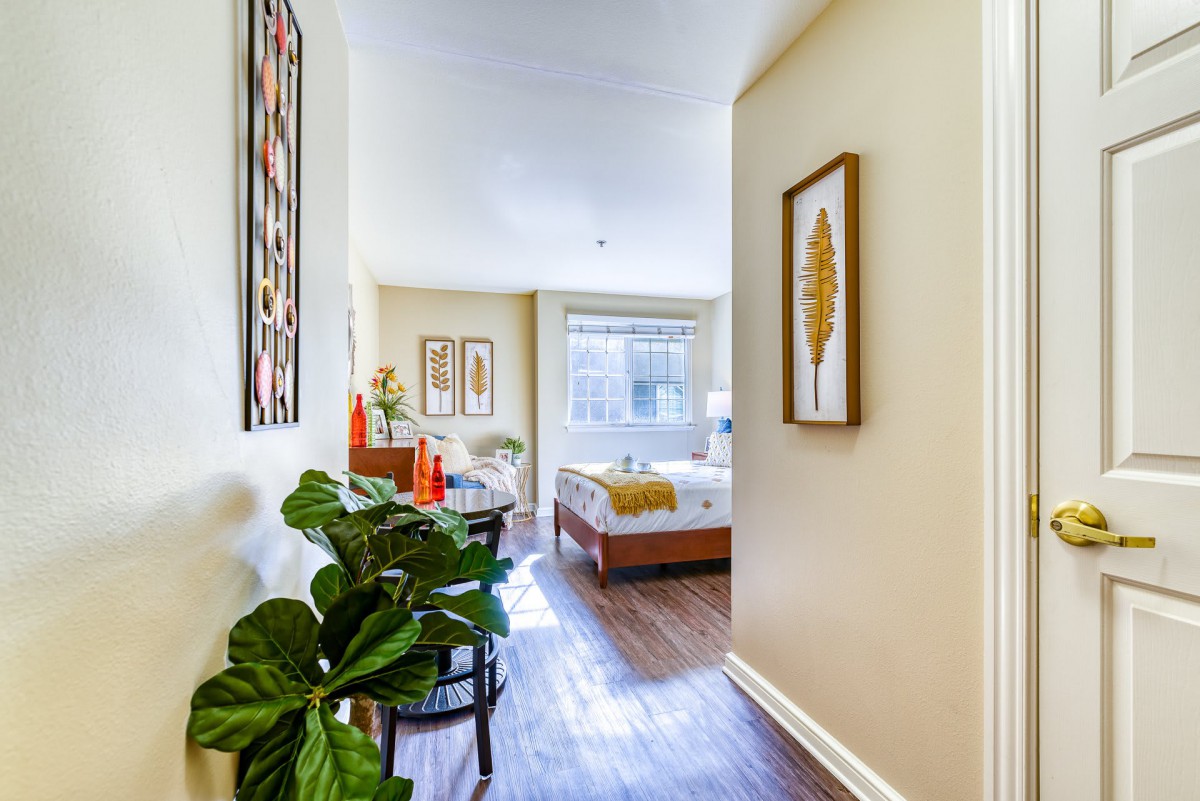
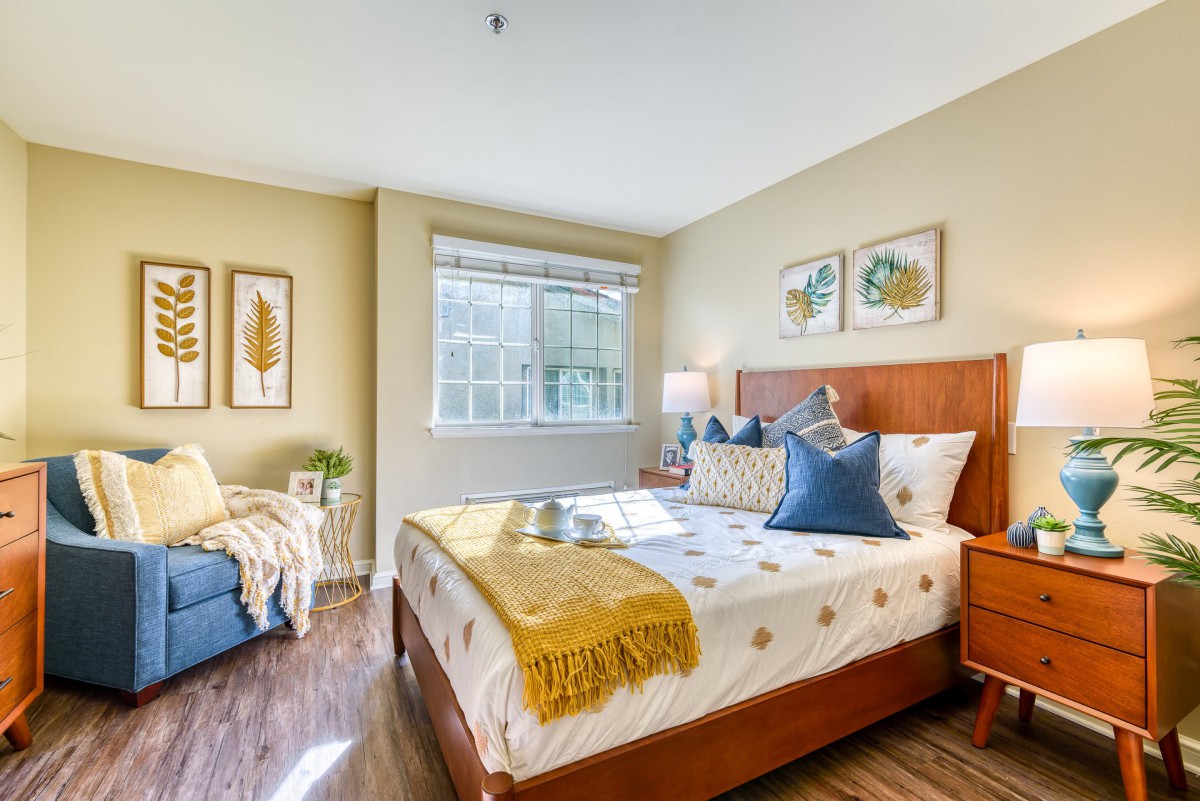
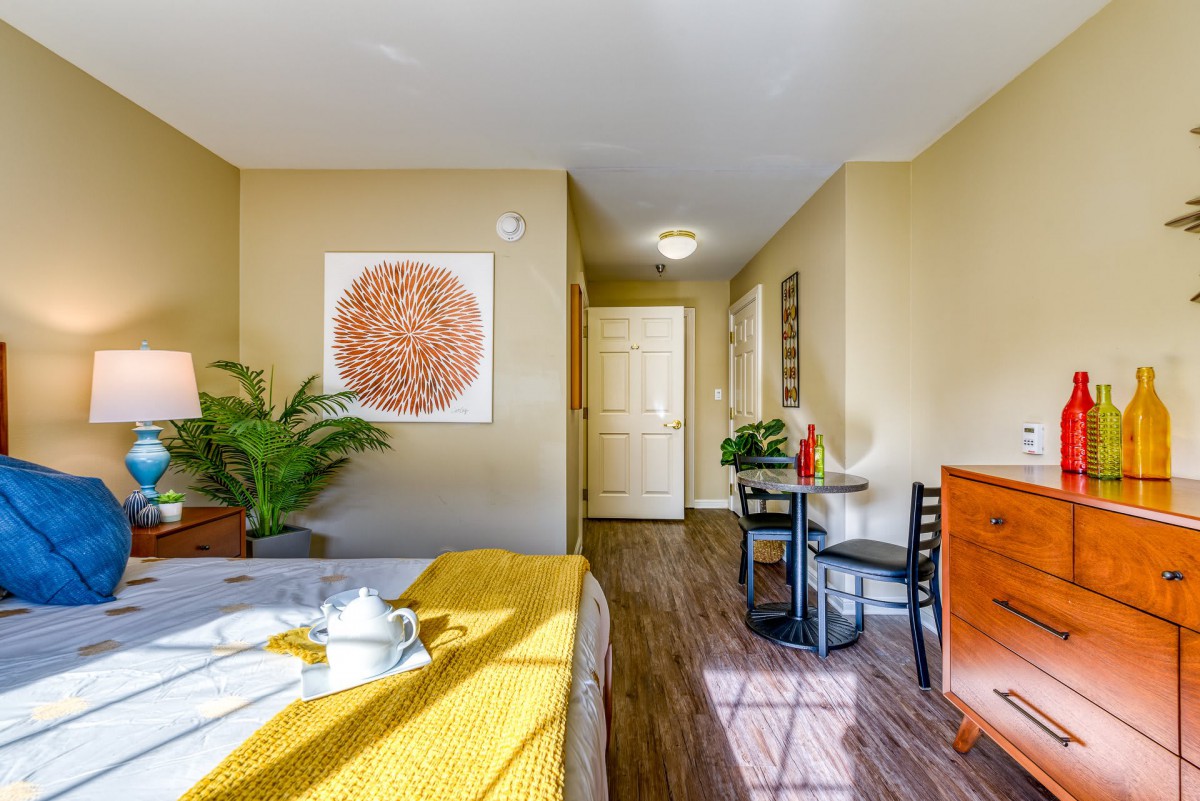
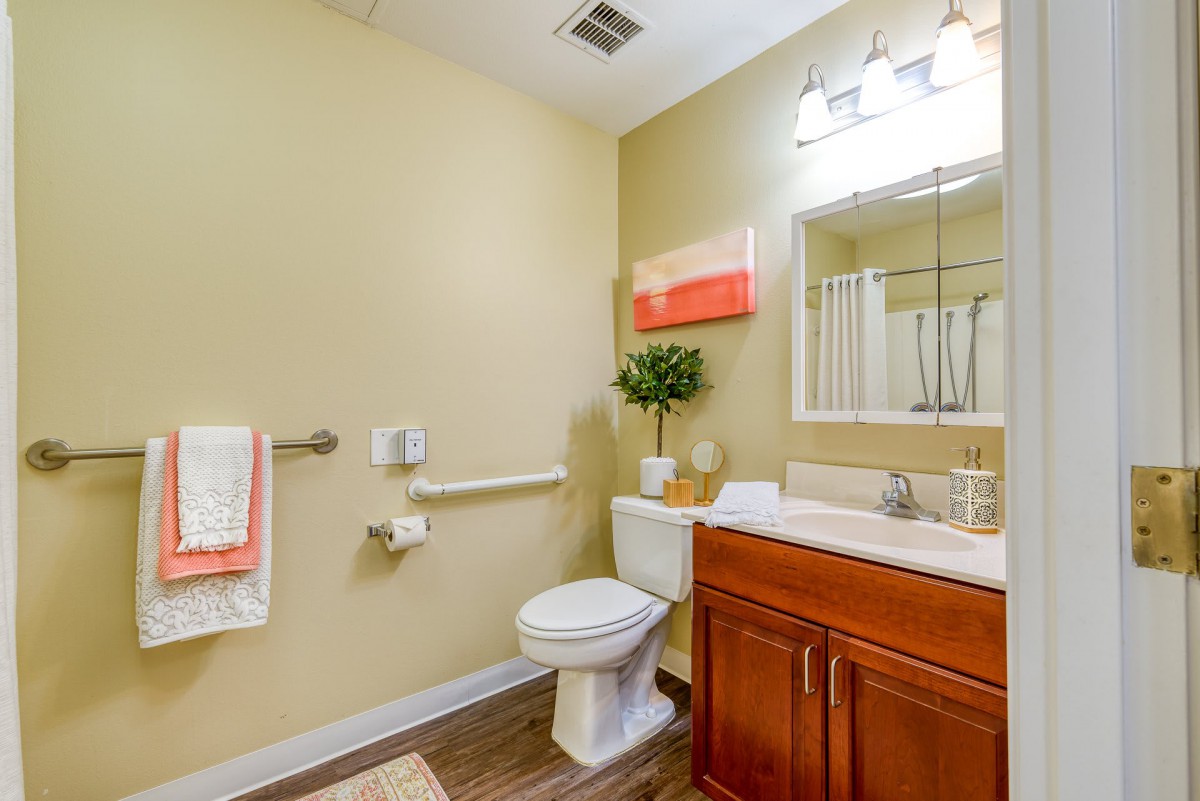
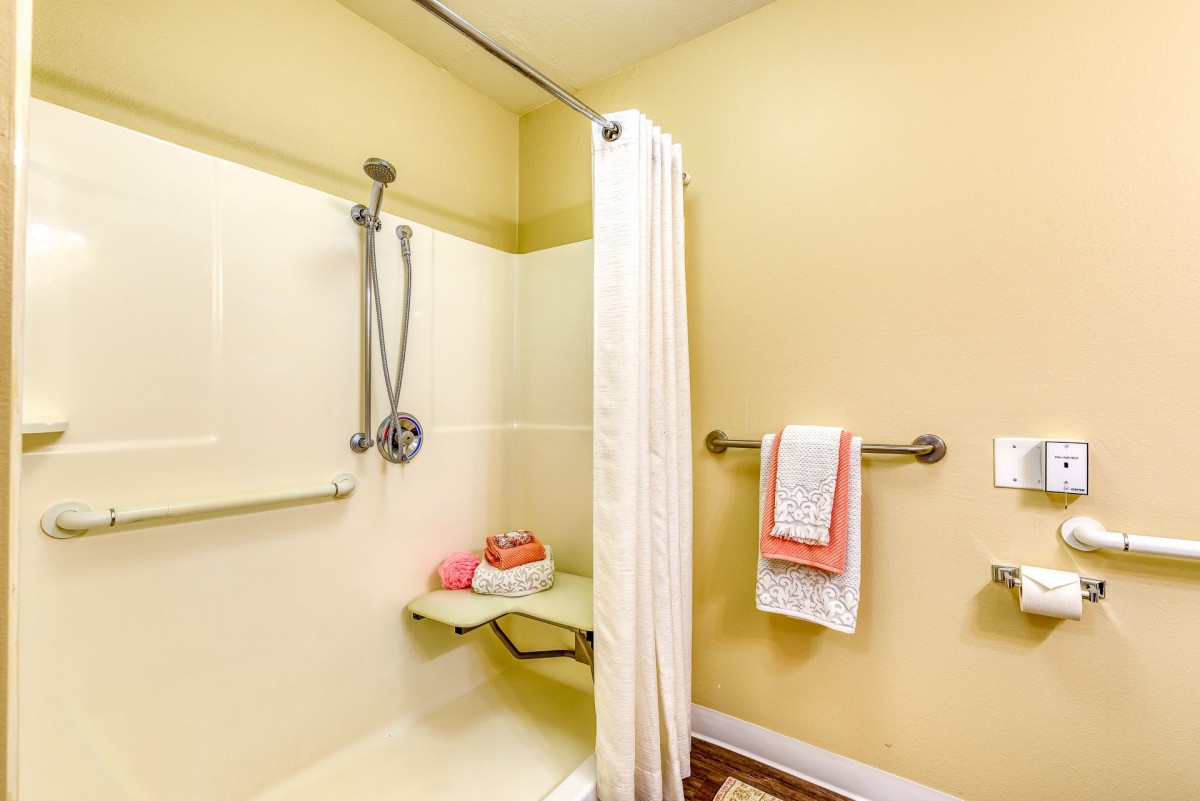
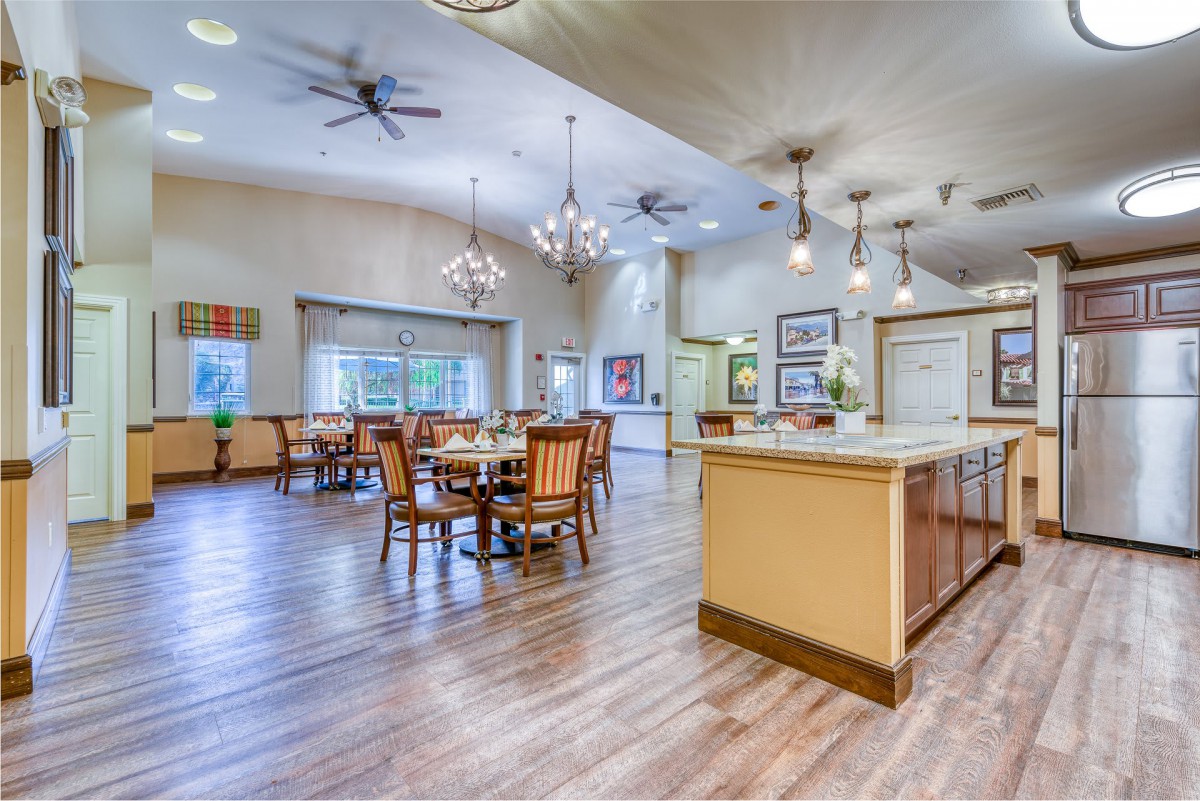
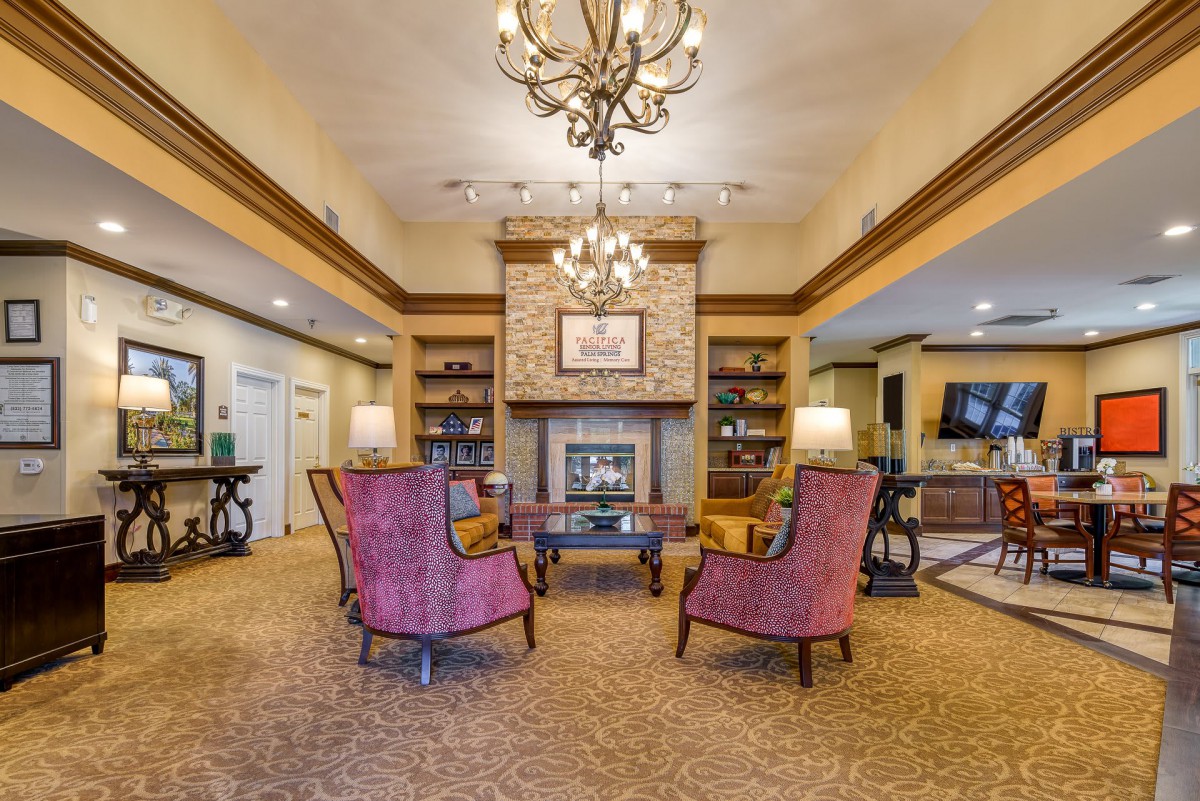
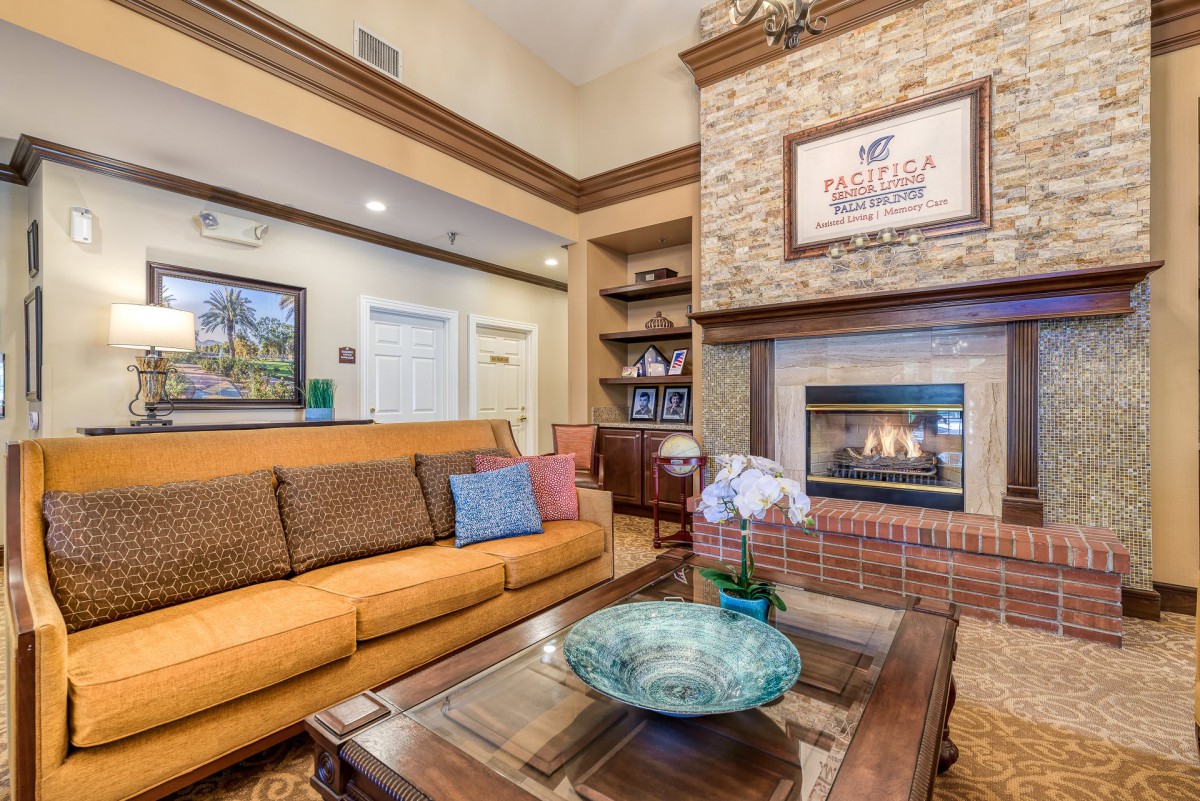
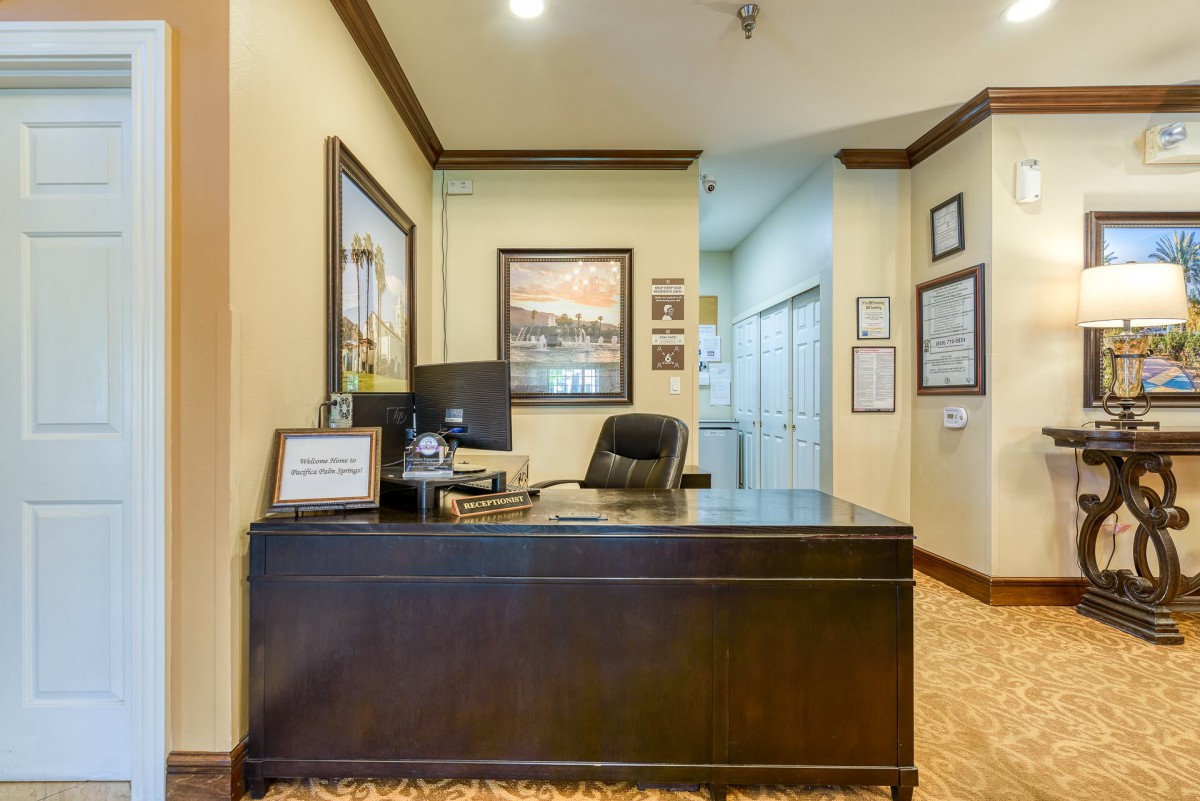
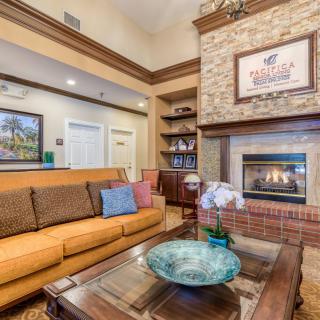
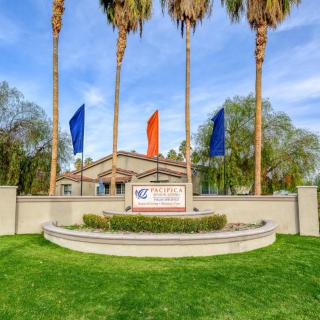
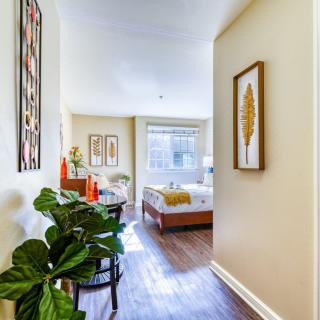
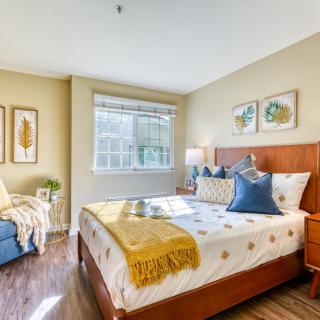
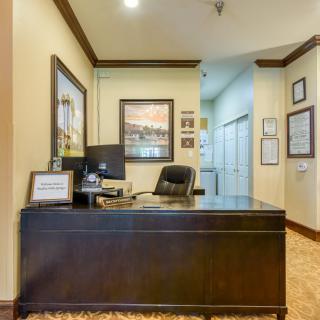
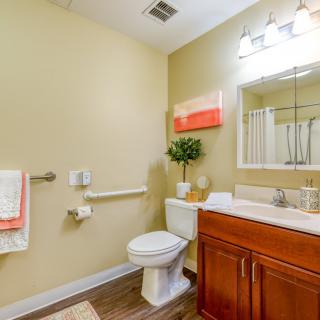
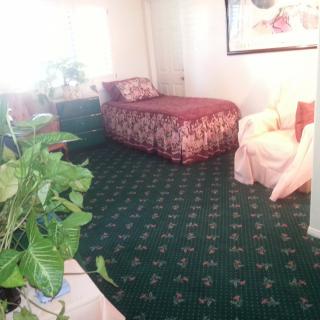
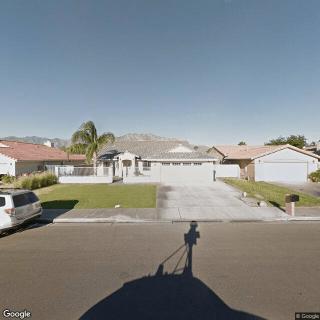
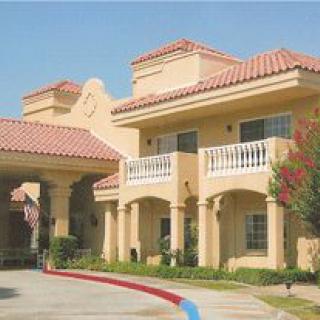
Pacifica Senior Living Palm Springs on seniors.fyi includes 21 photos including images showing interior, decor, bathroom, landscaping, bedroom, dining, floor plan, artwork, and more.
Nearby Communities
Windsor Court Assisted Living
Palm Springs, CA
3.7 from 65 reviews
$3,800 to $7,000 / month
Friendly, attentive staff in a hotel-like, well-maintained setting with restaurant-style dining and an active social atmosphere.
Palm Springs Healthcare & Rehabilitation Center
Palm Springs, CA
3 from 69 reviews
Extensive amenities and 24/7 care.
First Providence Home Health
Palm Springs, CA
3 from 2 reviews
Prime location with abundant nearby amenities and healthcare access.
Hallmark-Palm Springs
Palm Springs, CA
4.3 from 22 reviews
$2,500 to $3,200 / month
Friendly staff and a clean, engaging, hotel-like atmosphere.
Coachella Valley Health Personnel
Palm Springs, CA
Strong access to healthcare and nearby parks, dining, and shops.
Premier Care Center For Palm Springs
Palm Springs, CA
4.1 from 111 reviews
Strong caregiver match led to meaningful companionship and improved daily life.
Mountain View Manor
Desert Hot Springs, CA
4.1 from 10 reviews
$2,800 to $3,800 / month
Warm, attentive staff and a clean, engaging environment with personalized attention.
Atria Hacienda
Palm Desert, CA
4.5 from 185 reviews
$4,295 to $6,395 / month
Beautiful facility with restaurant-style dining, strong community, and caring staff.
Victoria Falls Home Care 2
Palm Desert, CA
4.6 from 39 reviews
Intimate, personalized care with 24-hour supervision and engaging daily activities.
The guide on holistic dementia care outlines the complexity of dementia and stresses the need for individualized caregiver strategies that include medical treatment, psychological support, and environmental adaptations, while emphasizing early detection, various therapeutic options, and caregiver support to enhance quality of life and maintain dignity.
"Memory Care Pathways: A Holistic Guide to Dementia Support" outlines the complexities of dementia and its various types, emphasizing early detection, patient-centered care strategies, caregiver support, and long-term care options while addressing legal and financial considerations to enhance the quality of life for individuals with dementia and their families.
Sundown syndrome, or sundowning, is a phenomenon in dementia patients characterized by increased confusion and agitation during late afternoon and evening, influenced by factors like disrupted circadian rhythms and fatigue. Effective caregiver strategies include establishing routines and managing environmental light while addressing caregiver stress through support services.
Outdoor Seating, Park, Patio Furniture, and Wicker Chairs
Natural Light
Hallway
Office and Computers
Palm Trees
Shower
Grass
Outdoor Furniture
Coffee Station
Home Interior
Get PricingAsk A QuestionSchedule A TourContact Senior Advisor
By clicking submit, you agree to our Partner's Terms of Use. You
also consent to receive calls and texts, which may be autodialed, from our Partner. Your consent is not a condition to
using our Partner's service. Please visit our Partner's Privacy Policy for information about their privacy practices.

 95 resident community capacity
 1-bedroom apartments
 Assisted Living
 Memory Care
 Cats allowed
 Dogs allowed
 Activities off-site
 Air-conditioning
 Beautician on-site
 Cable or satellite TV
 Computer center
 Devotional services off-site
 Dining room
 Fitness room
 Fully furnished
 Gaming room
 Garden
 Ground floor units
 Handicap accessible
 Housekeeping services
 Indoor common areas
 Kitchenette
 Move-in coordination
 Outdoor common areas
 Party space
 Private bathrooms
 Resident parking
 Respite or short term stays offered
 Restaurant-style dining
 Small library
 Telephone
 Wellness center
 Wheelchair accessible showers
 Wi-Fi/high-speed internet available
 Palm Springs International (1 miles away)
 Community operated transportation
 12-16 hour nursing
 24-hour call system
 Ambulatory care
 Assistance with bathing
 Assistance with dressing
 Assistance with transfers
 Diabetes diet
 Diabetic care
 Hospice waiver
 Incontinence care
 Medication management
 Mental wellness program
 Physical therapy
 Special dietary restrictions
 Transportation arrangement (medical)
 Art classes
 Catholic services
 Concierge services
 Day trips and outings
 Educational speakers / life long learning
 Happy hour
 Jewish services
 Live musical performances
 Wine tasting
 English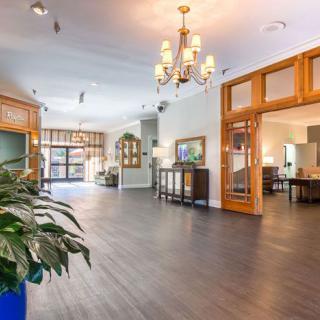
 Friendly, attentive staff in a hotel-like, well-maintained setting with restaurant-style dining and an active social atmosphere.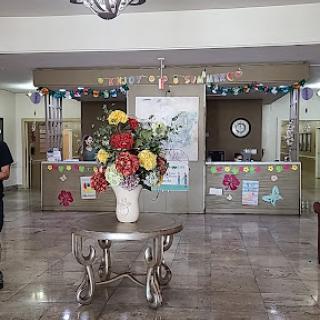

 A Holistic Dementia Care Guide: Effective Strategies for Memory Support
 Memory Care Pathways: A Holistic Guide to Dementia Support
 Comprehending Evening Confusion in Dementia: Causes, Manifestations, and Support