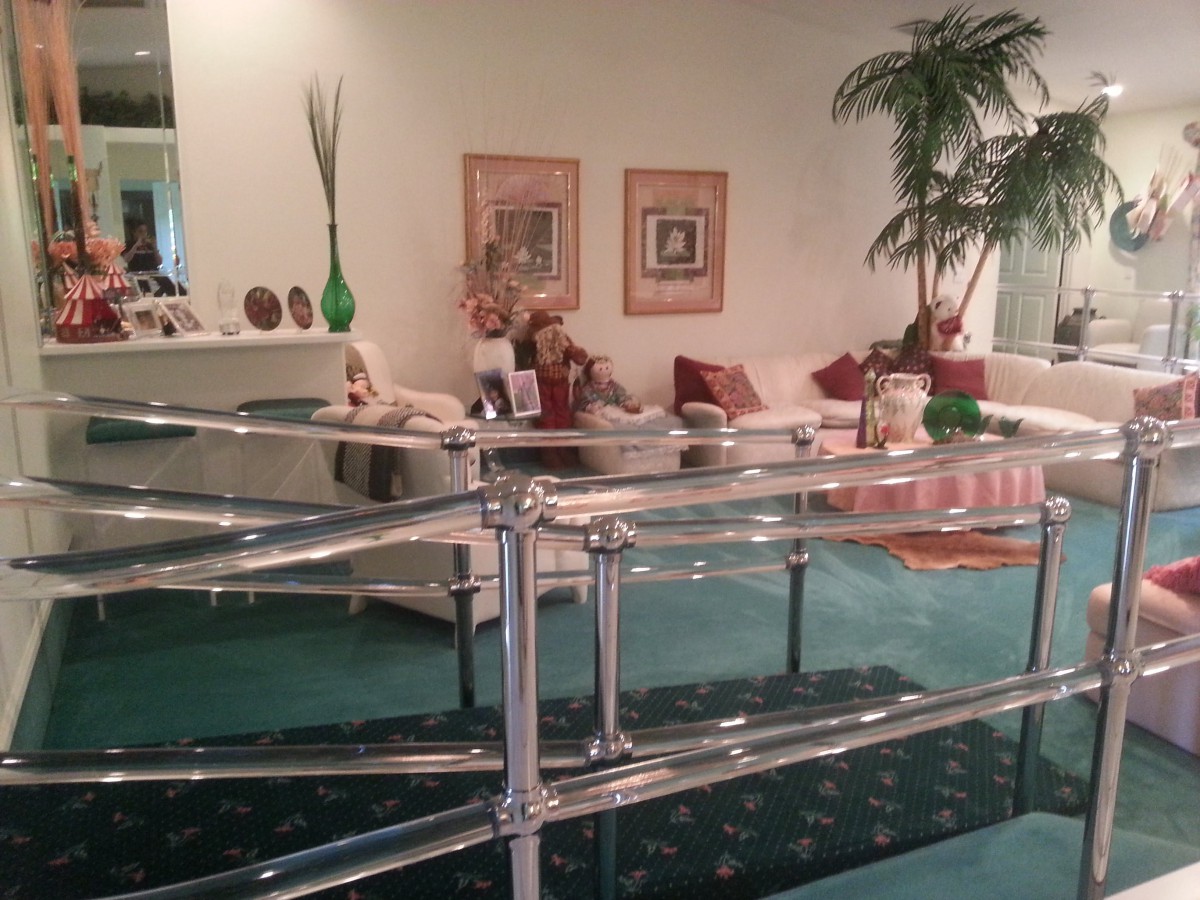
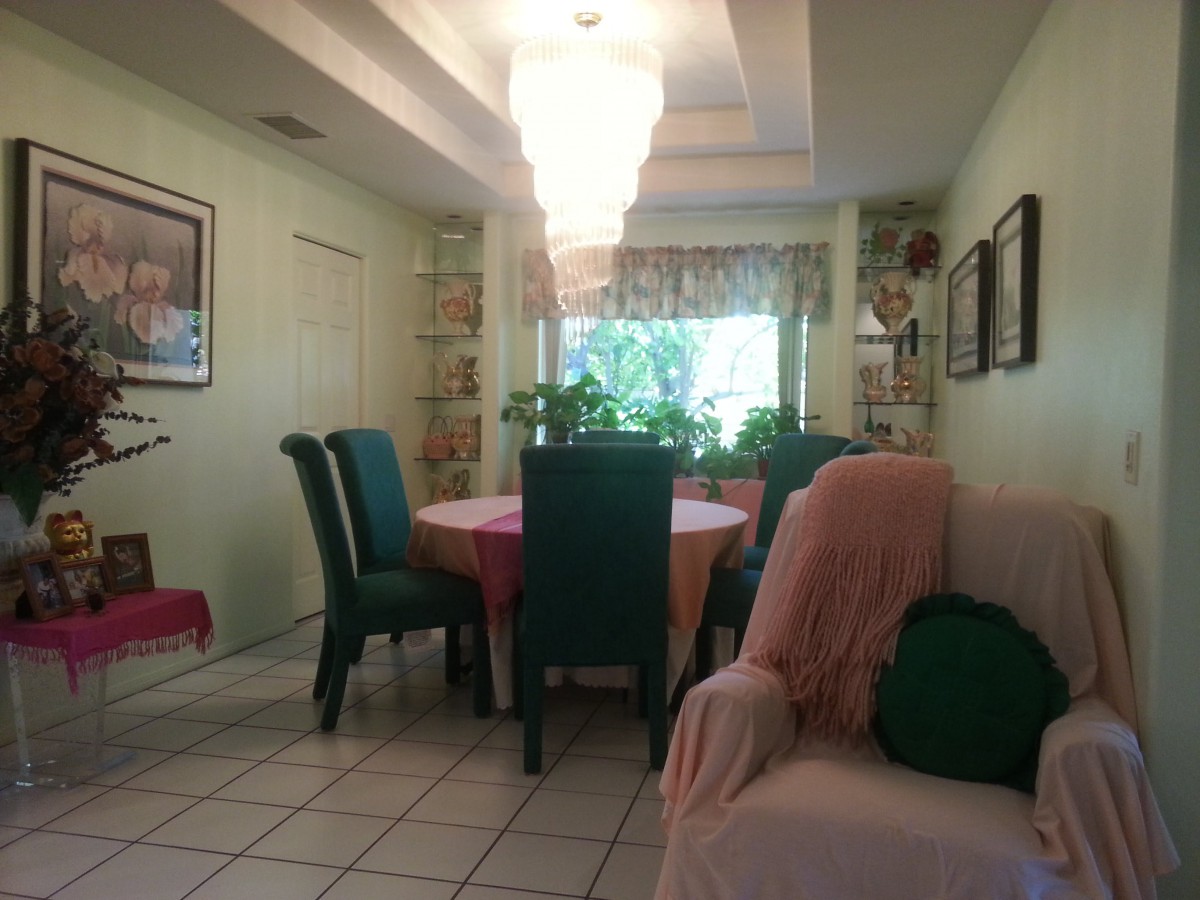
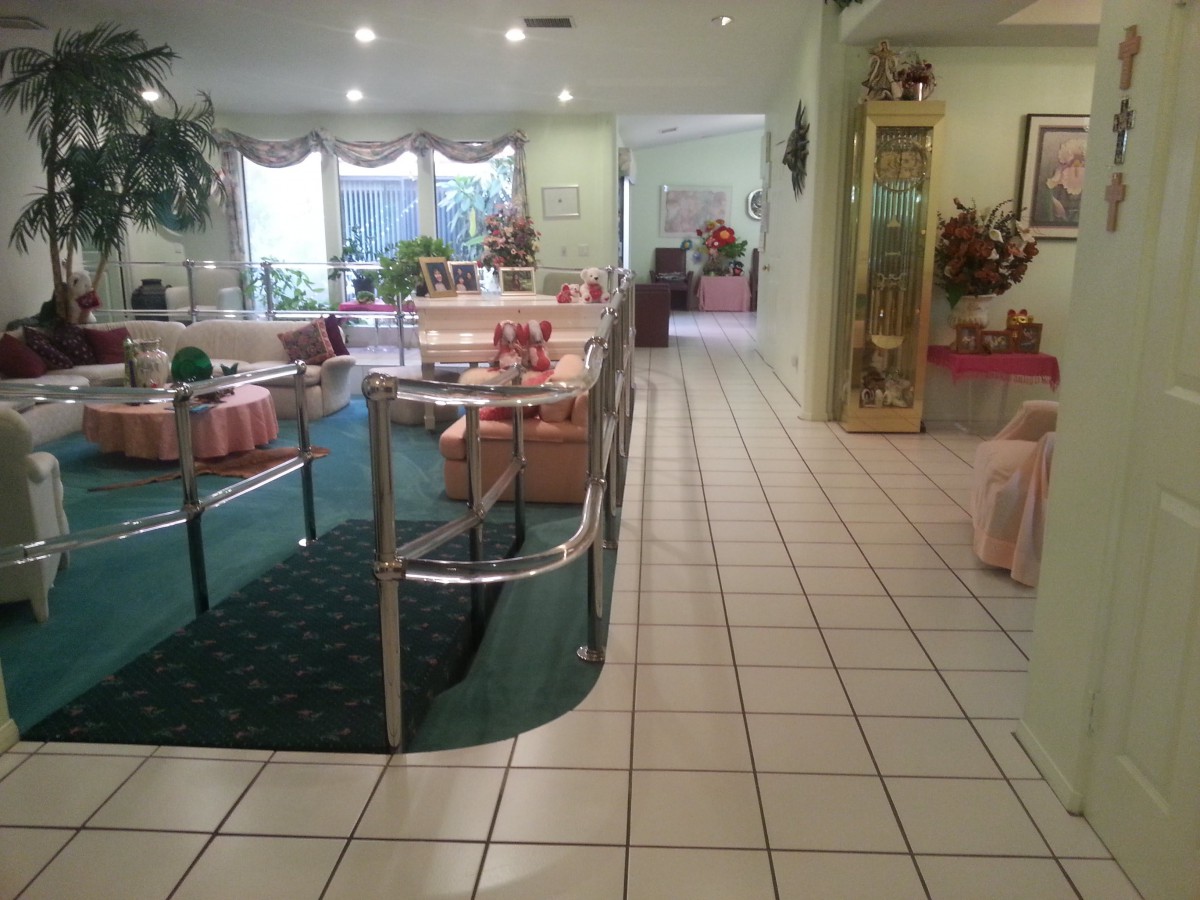

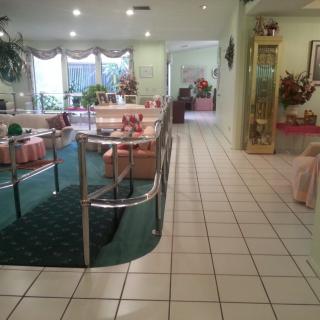
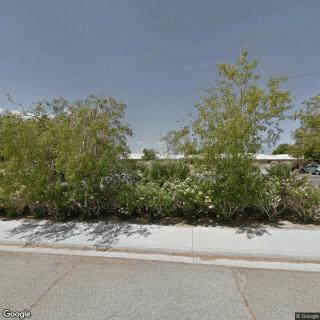
1100 Alejo Road, Palm Springs, CA 92262
For more information about senior living options: (866) 208-4318
Carino's Quality Home Care Costs & Pricing
Carino's Quality Home Care offers competitive pricing for its services compared to both Riverside County and the broader California market. For a semi-private room, Carino's rate is $3,000 per month, which is modestly higher than the county average of $2,844 but significantly lower than the state average of $3,333. In terms of private accommodations, Carino's charges $3,300, positioning it favorably against Riverside County's average of $3,474 while remaining below California's higher statewide average of $3,939. For those seeking a one-bedroom option, Carino's fee of $3,500 is slightly below Riverside County's average of $3,611 and considerably more affordable than the statewide figure of $4,340. Overall, these costs reflect Carino's commitment to providing high-quality care at reasonable prices within the local context.
| Floor plans | Carino's Quality Home Care | Riverside County | California |
|---|---|---|---|
| Semi-Private | $3,000 | $2,844 | $3,333 |
| Private | $3,300 | $3,474 | $3,939 |
| 1 Bedroom | $3,500 | $3,611 | $4,340 |
Memory care communities with a similar price nearby
-
from -$500 / mo
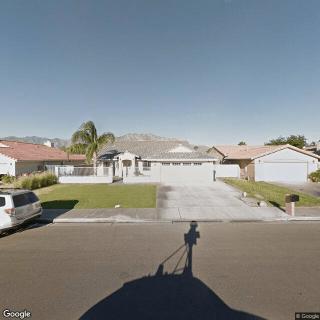
Island's Best Home Care
$2,500 to $3,000 / month4.1 miles away -
About the same

Stonewall Gardens
$2,995 to $5,450 / month1.5 miles away -
from -$450 / mo
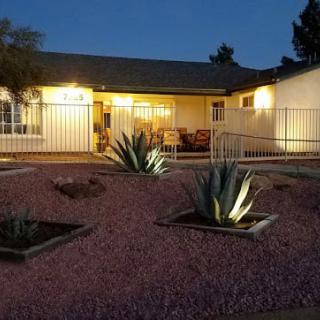
Angelic Mansions Assisted Living
$2,550 to $4,795 / month21.0 miles away -
from +$100 / mo

Pacifica Senior Living Palm Springs
$3,100 to $4,200 / month0.8 miles away -
from +$200 / mo
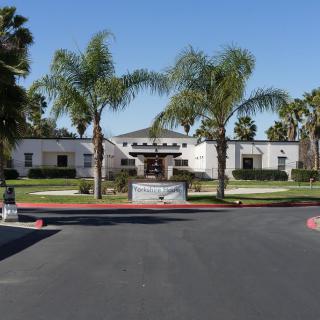
Yorkshire Village
$3,200 / month24.4 miles away
Overall Review of Carino's Quality Home Care
Pros
 The agency’s caregivers show up on time and have had no issues so far.
- The agency offers lower rates than other agencies.
- The agency’s caregivers provide a great experience.
- The 24-hour care arranged through the agency has not failed to meet expectations.
- The in-home service is responsive and caring, described as amazing.
- Carino’s caregivers are fantastic—loving, dedicated, caring, and infinitely patient.
- The residential home facility is always very clean, and the caregivers keep the family updated on health status.
- The food is good and the facility makes family members and visitors feel welcome.
Cons
 The reviewer stated that a private room was not available, which led them not to choose this home.
- The lack of an available private room was cited as the reason for not selecting the home.
Review
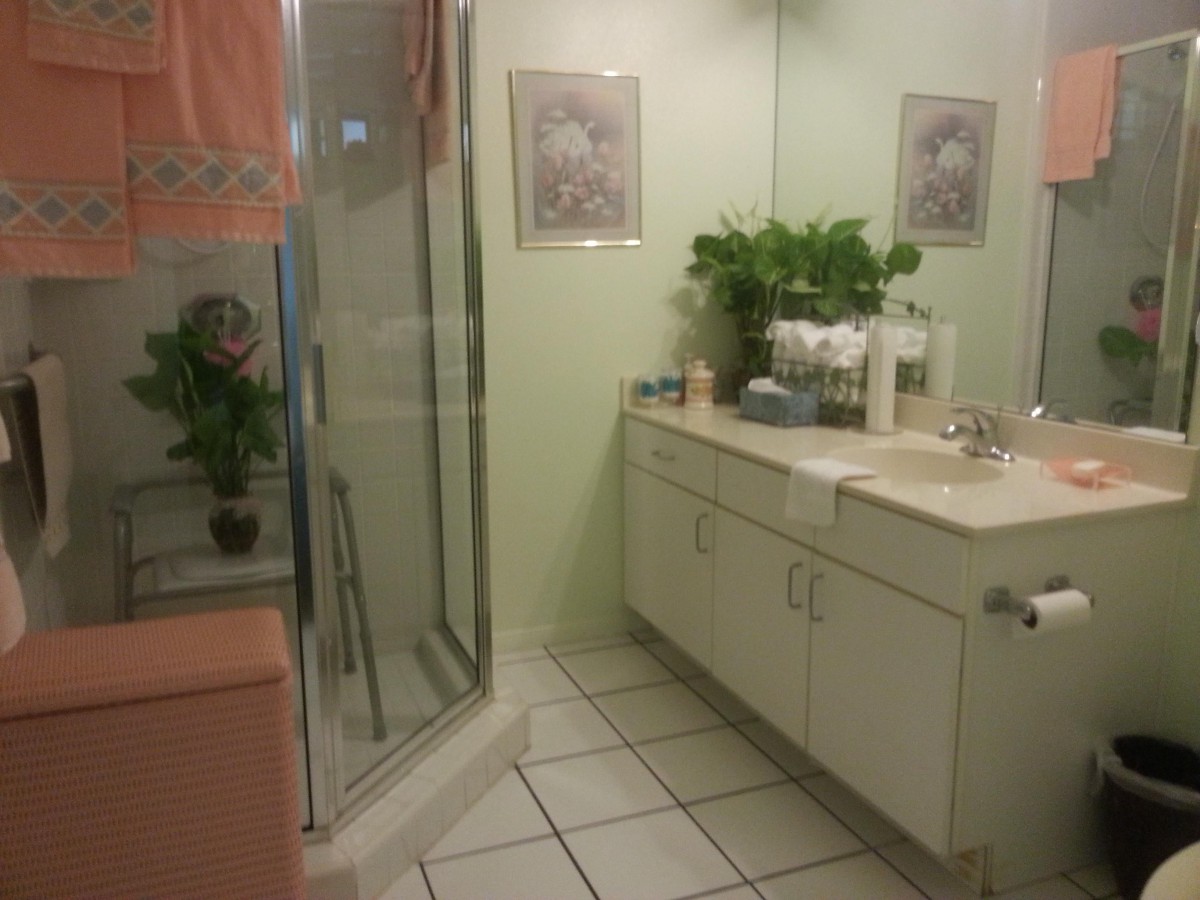
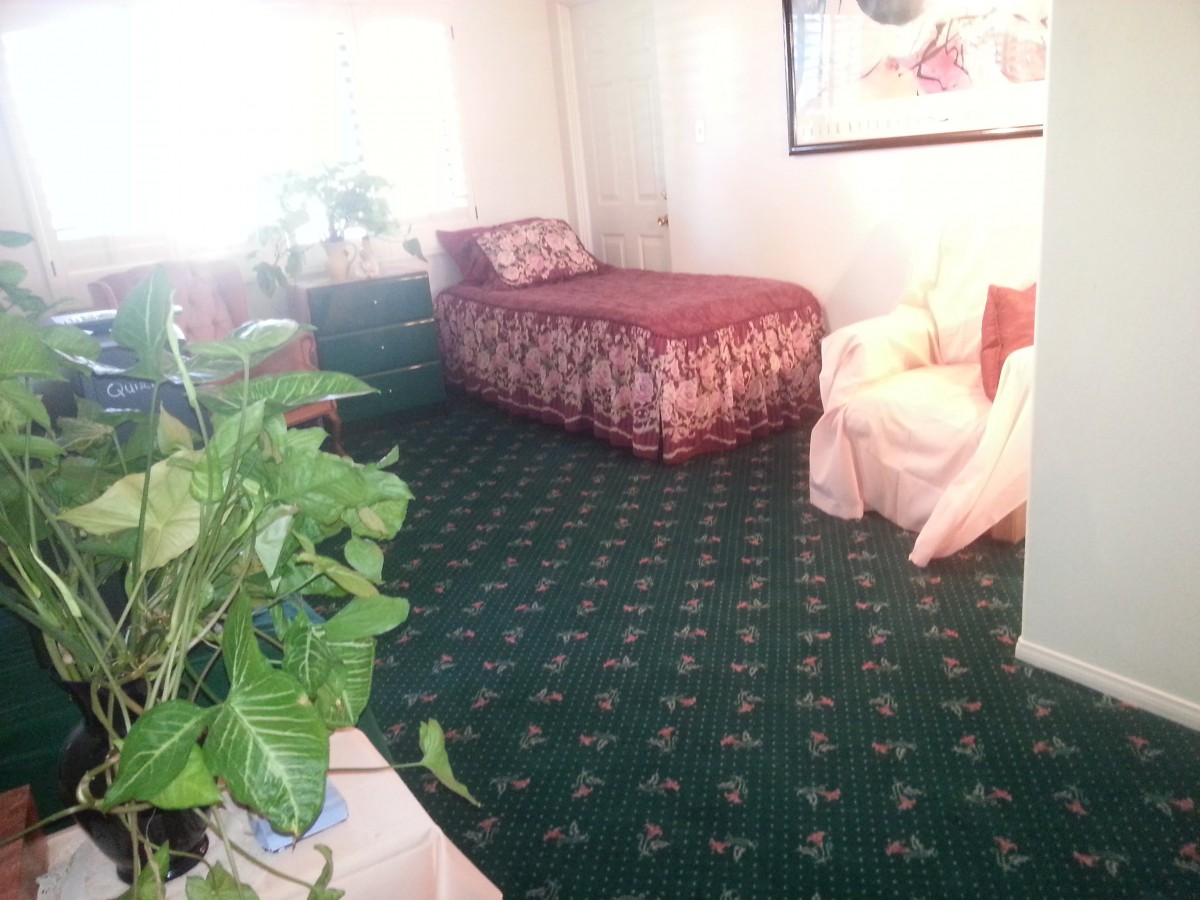
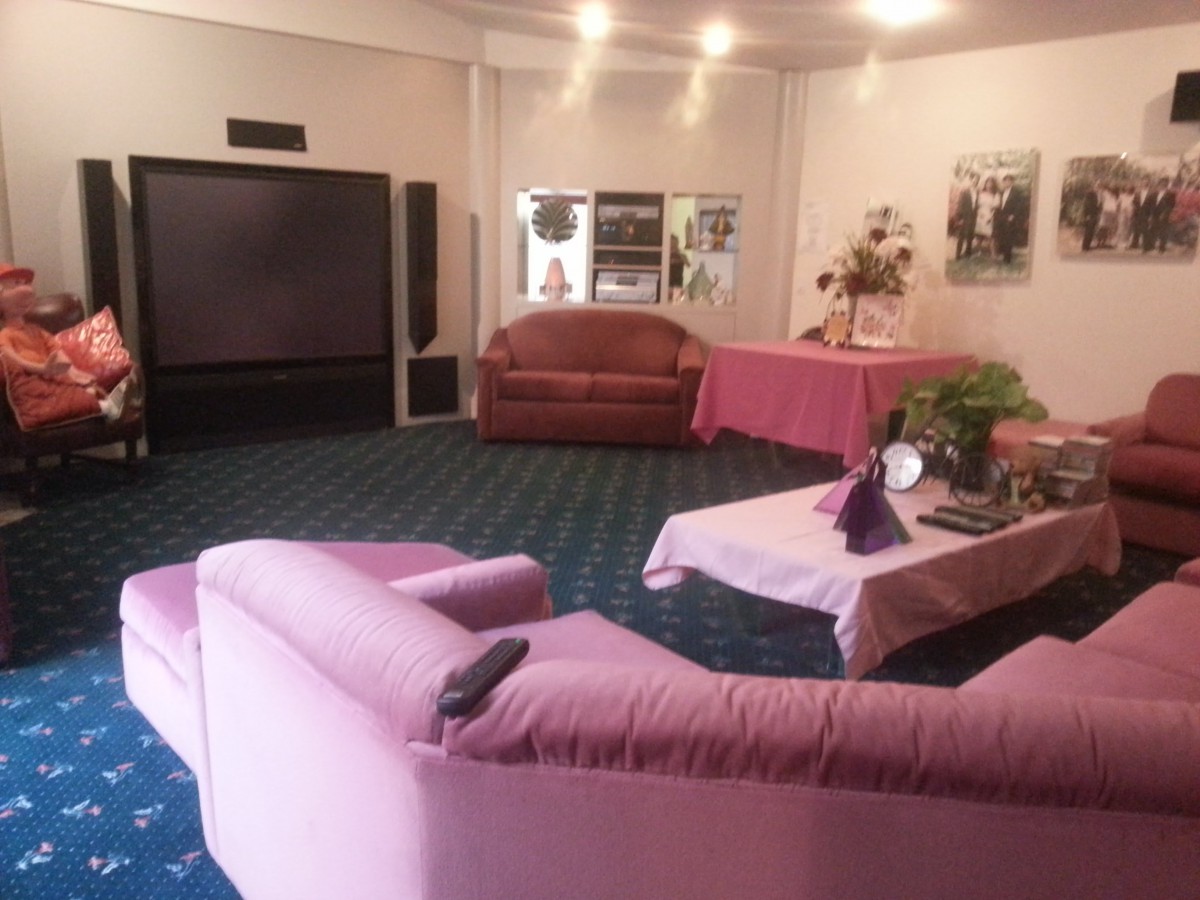
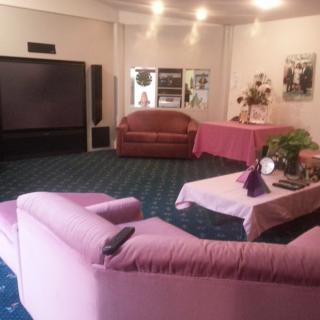
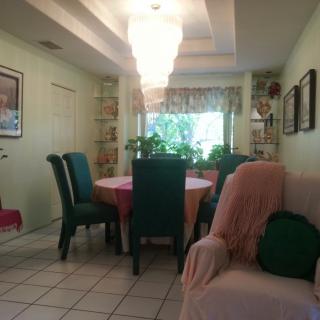
Carino’s Quality Home Care in Palm Springs is best suited for families that want 24/7, in-home–style support delivered in a small, residential setting. This community excels for elders who benefit from intimate attention, a familiar home atmosphere, and care teams that handle dementia with patience and warmth. For families who prioritize low-cost, reliable caregiving and want consistent, hands-on daily support without moving to a large facility, this option stands out. The emphasis on a home-like environment, cleanliness, and near-constant caregiver availability makes it a practical choice for long-term assisted living at a rate that often undercuts bigger agencies.
Families should consider alternatives if private accommodations or a hospital-style level of medical oversight are non-negotiables. The reviews repeatedly note that private rooms are not available, which will be a deal-breaker for households that insist on solo quarters or a denser, more formal retreat with on-site nursing staff. Likewise, households seeking a larger campus with a formal memory-care unit or structured programming beyond a home setting may prefer a traditional assisted living or memory-care community. For those with tough medical needs requiring frequent on-site clinical management, a larger operation with guaranteed nursing coverage could be a better fit. Location matters as well; while Palm Springs and Rancho Mirage are covered, families outside that radius should verify transport options and reach.
The core strengths here are concrete and repeatedly validated by families: on-time caregiver arrival, stable staffing, and genuinely compassionate service at a cost that remains competitive. The ability to arrange 24-hour care is repeatedly highlighted as a major benefit, with caregivers who are described as loving, dedicated, and infinitely patient with residents who have dementia or Alzheimer’s. Cleanliness is not an afterthought; the home environment is consistently described as neat, welcoming, and well-maintained, which matters greatly for comfort and dignity in daily routines. Families consistently report that caregivers attend to basic needs with meticulous attention, keeping residents clean, dressed nicely, and engaged in appropriate activities, and that staff keep families informed about health changes. The feedback also underscores the relational edge: caregivers are seen as a family-like team, and visitors are welcomed, which helps reduce the sense of isolation that can accompany cognitive or mobility challenges.
These strengths offset several potential drawbacks in real-world decision-making, particularly for dementia care where comfort, routine, and trust prove decisive. A clean, well-ordered home, paired with caregivers who communicate regularly with families, creates a predictable daily rhythm that diminishes anxiety for residents. The affordability angle compounds the value proposition: lower rates than comparable agencies translate into meaningful savings over time for families who need round-the-clock care. The downside, primarily the absence of private rooms and the residential nature of the setting, does not erase the practical benefits when the priority is steady, compassionate help and a stable, familiar daily structure. In other words, for families who can tolerate a home-based model and do not require hospital-like oversight, the pros form a clear offset to the primary constraints.
From a decision-making perspective, the path is straightforward: prioritize Carino’s if the elder’s needs align with a home-like, dementia-friendly environment, and if budget and availability align with the household’s expectations for 24/7 coverage. Prospective clients should verify specific care plans, including the exact hours of coverage, respite options, and how health updates are communicated to family members. Visiting the residence, meeting the caregivers who would be assigned, and observing interactions with an expected resident can reveal compatibility beyond written commitments. Given the emphasis on a family-operated ethos, inquire about caregiver stability, routines, and how potential changes in health status are managed. If private space and formal medical supervision are non-negotiable, prepare a plan for alternatives and a trajectory for transition should space or services at Carino’s evolve.
In sum, Carino’s Quality Home Care represents a thoughtful, practical choice for families seeking a warm, affordable, 24/7 in-home care solution with a dementia-capable, deeply attentive staff. It delivers reliable delivery of help, meaningful engagement, and continuous family communication within a clean, welcoming residence. The decisive caveat remains the lack of private rooms and the inherently smaller, home-based format. For households where privacy and a more clinical, hospital-like care setting are essential, alternatives, larger facilities with dedicated nursing staff or memory-care units, should be pursued. For those whose priorities are steady, compassionate caregiving in a warm, homey environment, and who can accommodate a shared-room model, Carino’s Quality Home Care is a compelling, well-supported option that often transfers into real-world peace of mind.
 6 resident community capacity
 Assisted Living
 Board and Care Home
 Memory Care
 Cable or satellite TV
 Dining room
 Fully furnished
 Garden
 Housekeeping services
 Indoor common areas
 Move-in coordination
 Outdoor common areas
 Private
 Private bathrooms
 Telephone
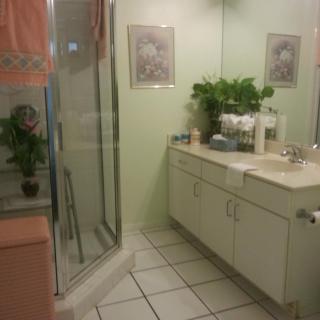
 Wheelchair accessible showers
 Wi-Fi/high-speed internet available
 Palm Springs International (2 miles away)
 24-hour supervision
 Activities of daily living assistance
 Ambulatory care
 Assistance with bathing
 Assistance with dressing
 Assistance with transfers
 Diabetes diet
 High acuity care
 Hospice waiver
 Incontinence care
 Meal preparation and service
 Medication management
 Mental wellness program
 Special dietary restrictions
 Transportation arrangement (medical)
 Transportation to doctors appointments



 8 Important Indicators That Memory Care May Be Necessary
 Delving into the Inner World of Dementia: Insights into Thoughts and Awareness
 Five Subtle Dementia Indicators to Observe: An In-Depth Guide to Understanding “Does My Mom Have Dementia?”