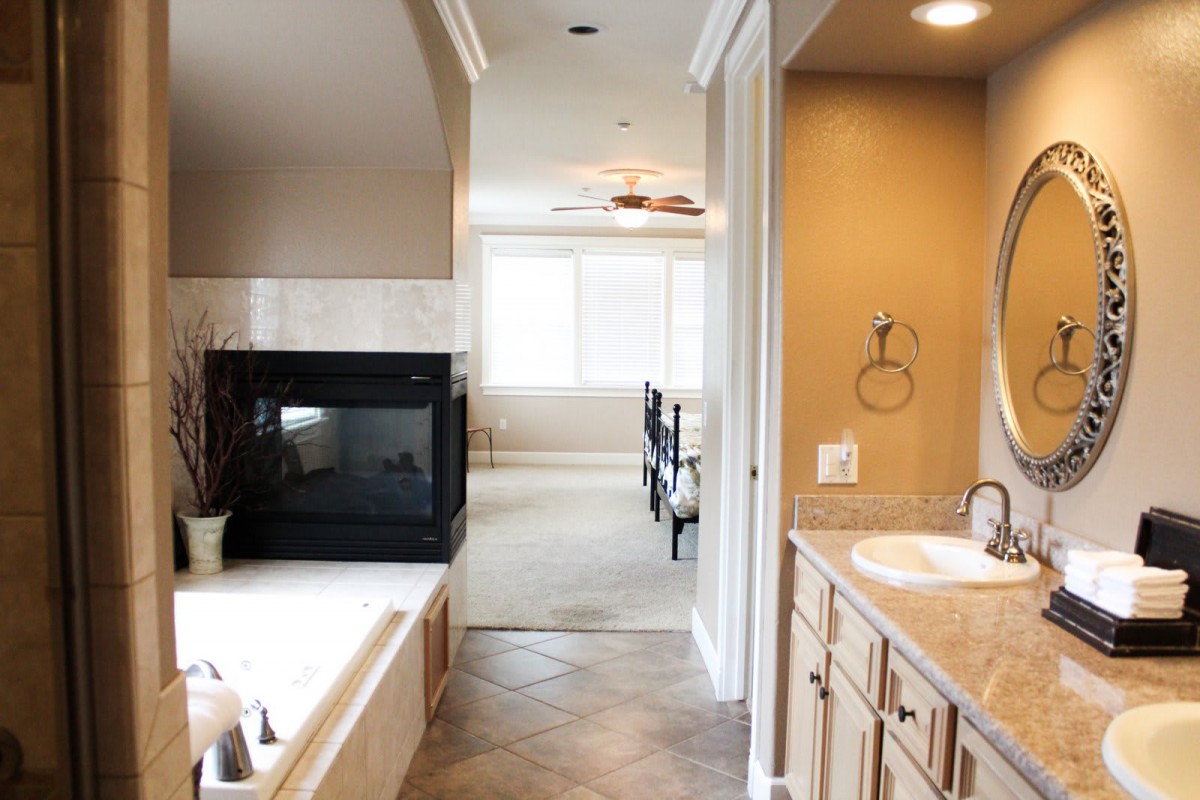
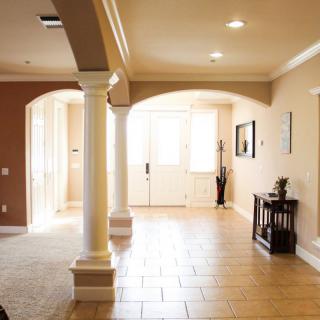
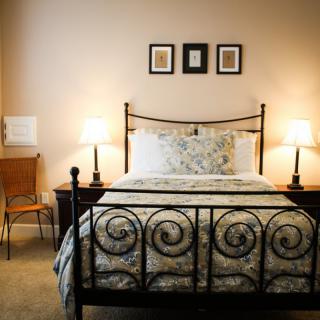

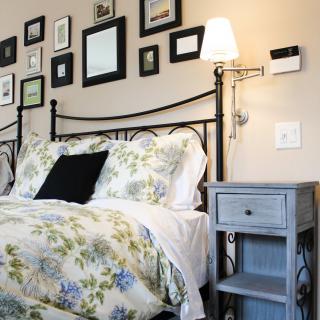


8731 Central Avenue, Orangevale, CA 95662
For more information about senior living options: (866) 208-4318
All Seasons Costs & Pricing
At All Seasons, the cost of care reflects a commitment to quality and comfort that aligns with current market trends in the region. For a semi-private room, residents can expect to pay $3,495 per month, which is slightly above the average monthly cost of $3,106 in Sacramento County and also competitively priced compared to California's statewide average of $3,333. For those seeking more privacy, All Seasons offers private rooms at $3,995 monthly. This rate is higher than the county's average of $3,686 but remains quite close to California's overall average of $3,939. These pricing structures underscore All Seasons' dedication to providing exceptional services and amenities, ensuring that residents receive both value and superior care tailored to their needs.
| Floor plans | All Seasons | Sacramento County | California |
|---|---|---|---|
| Semi-Private | $3,495 | $3,106 | $3,333 |
| Private | $3,995 | $3,686 | $3,939 |
Memory care communities with a similar price nearby
-
from +$505 / mo
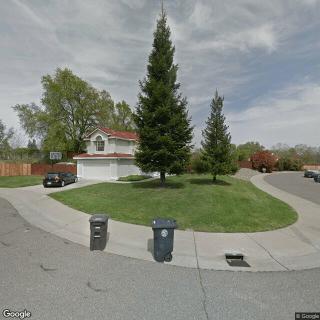
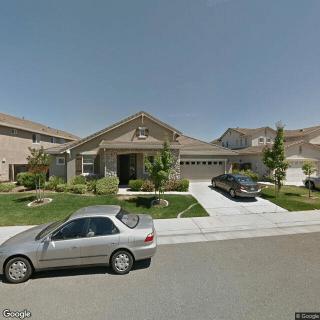
Sungarden Villa II
$4,000 / month1.9 miles away -
from +$655 / mo
Ferrari
$4,150 to $5,500 / month12.6 miles away -
from -$495 / mo

Love & Care for Elder
$3,000 to $4,500 / month5.9 miles away -
from +$505 / mo

Ashley Villa
$4,000 / month4.9 miles away -
from +$505 / mo
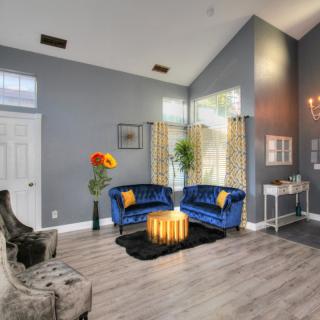
A Bright Future
$4,000 / month7.7 miles away
Overall Review of All Seasons
Pros
 The staff at All Seasons are among the most caring people, providing patient, kind, knowledgeable, and responsive care.
- The home feels clean, warm, and inviting, like a true residence rather than a facility.
- Caregivers know each resident’s personality, routines, and life stories, and treat them with dignity and respect.
- Families gain peace of mind because loved ones are safe and well cared for by a dedicated team.
- The activities offer light exercise, festive celebrations, and home-cooked nutritious meals with frequent snacks.
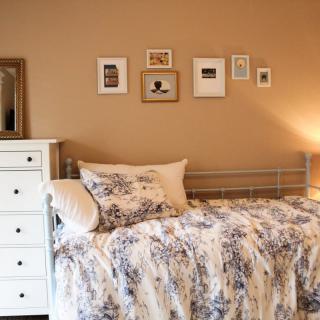
- The facilities are new and well-designed, with private rooms, patios, and a calm, open atmosphere.
- Staff communication is proactive and thorough, keeping families informed and involved.
- All Seasons is described as setting the standard for residential care living.
Cons
 The unhappy residents are uncomfortable being left in saturated diapers and feel they are not listened to by management.
- A patient suffered severe diaper rash and odor after being left in a saturated diaper, and management ignored the needs.
- There is no support from management and employees are not properly trained; they are thrown into situations without guidance.
- Employees are handing out medications with no training and no double-check system.
- State laws intended to protect patients are not being followed.
- The facility is described as more about the facade and drawing in more patients than providing real patient care.
- There is an unusually high turnover of employees.
Review
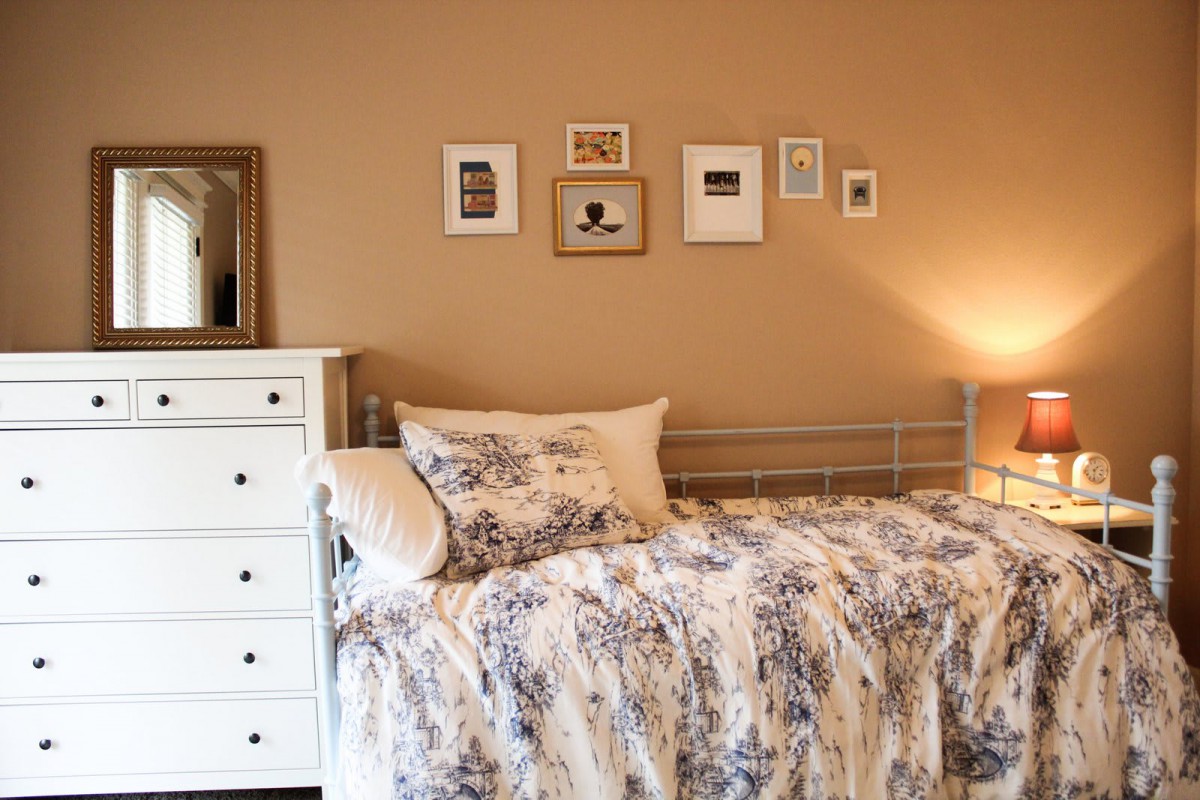
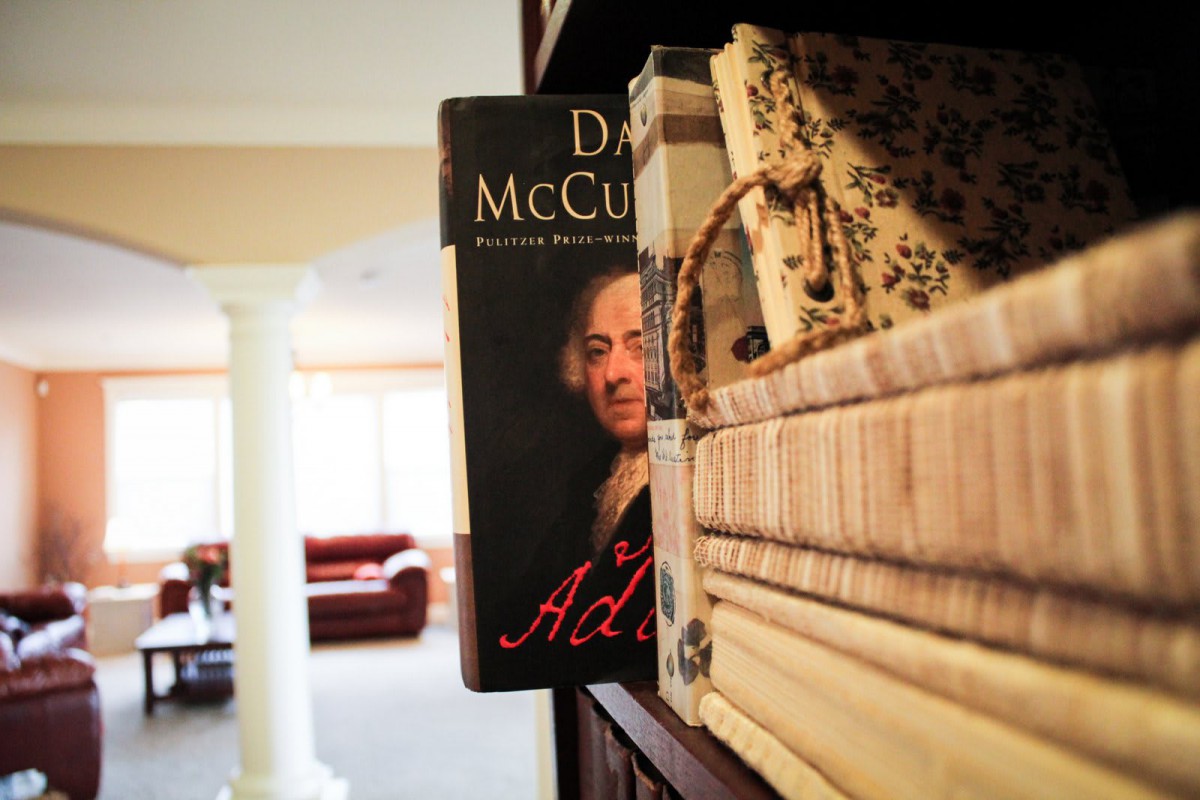
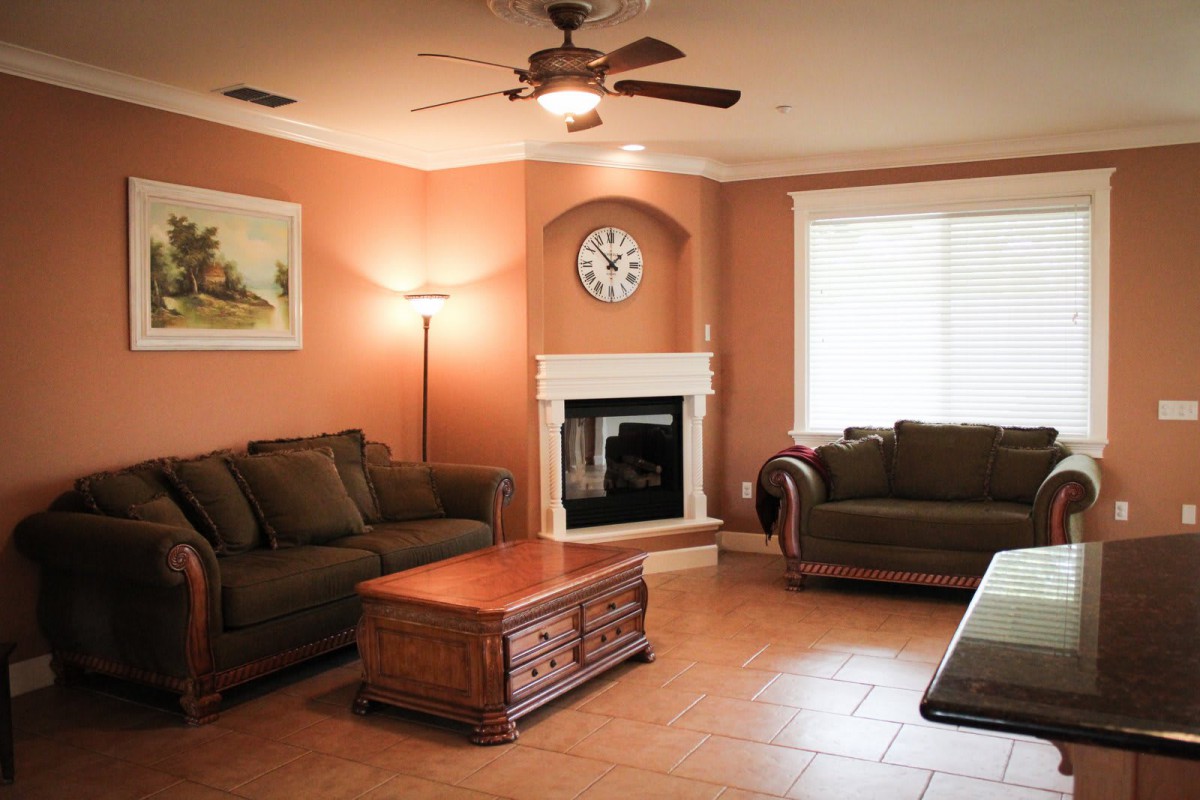
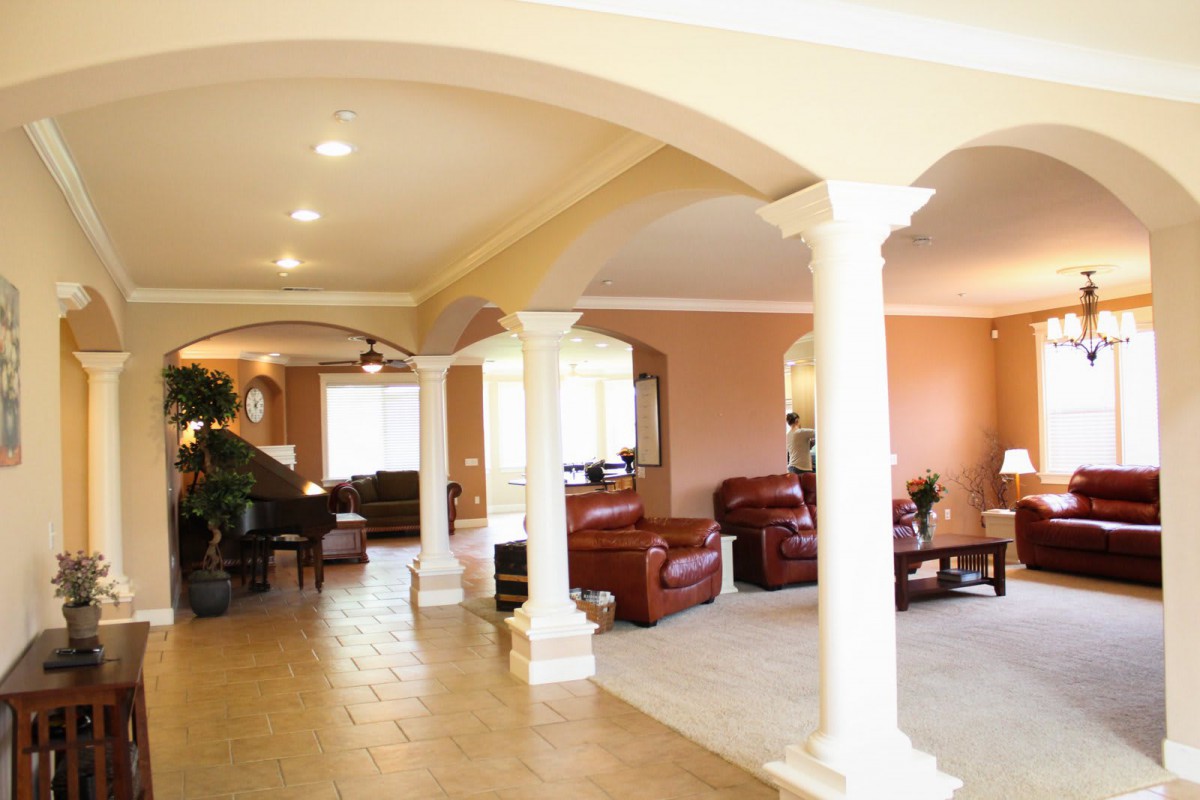
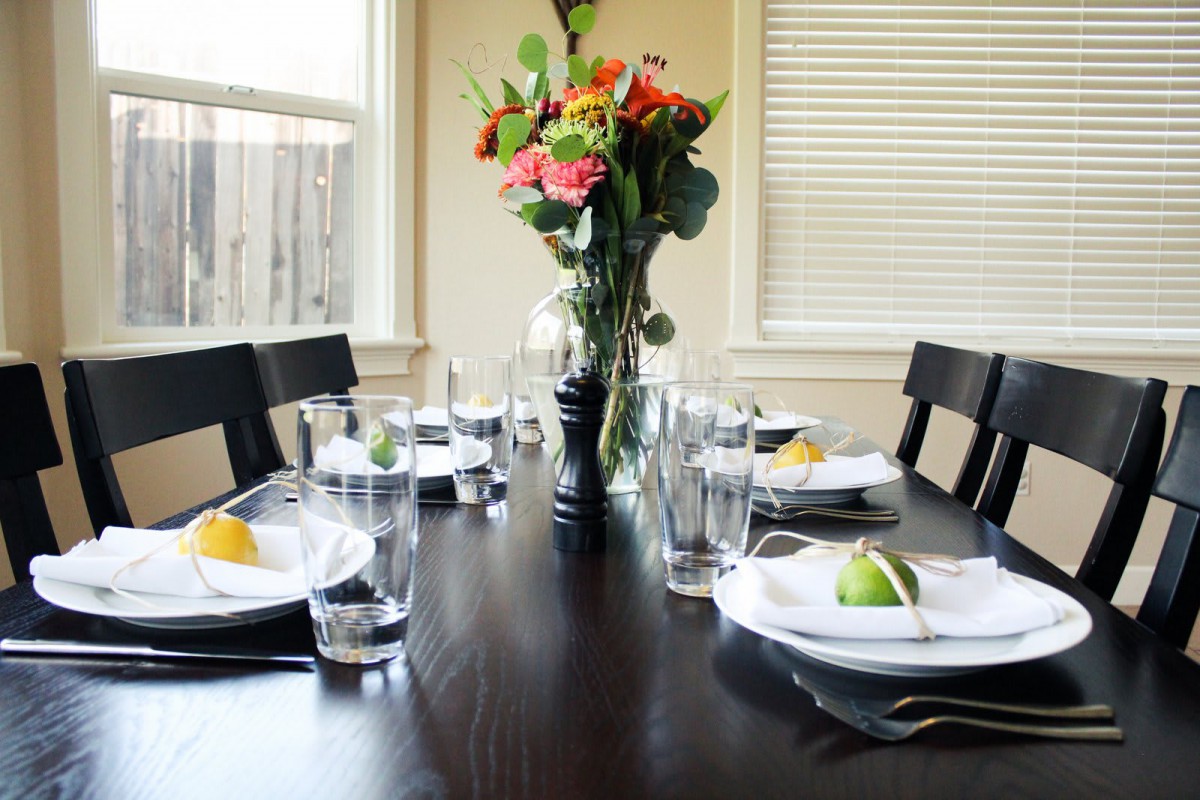
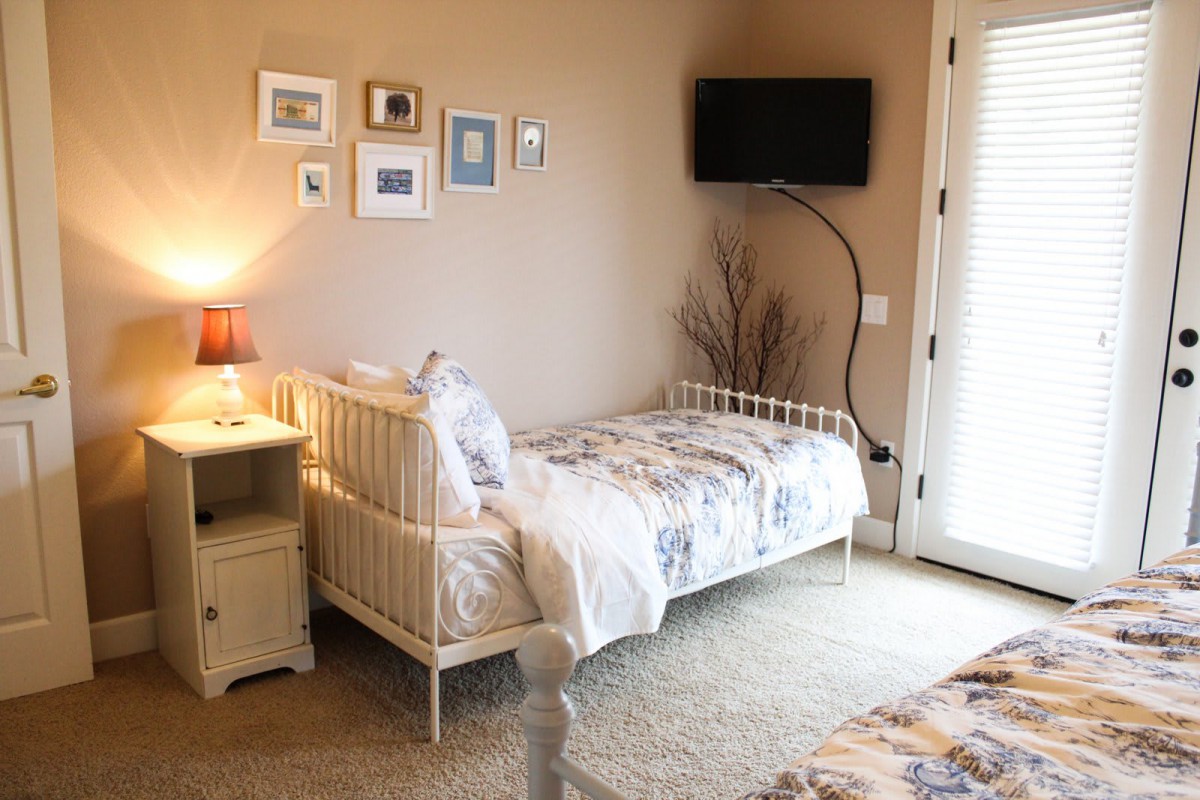
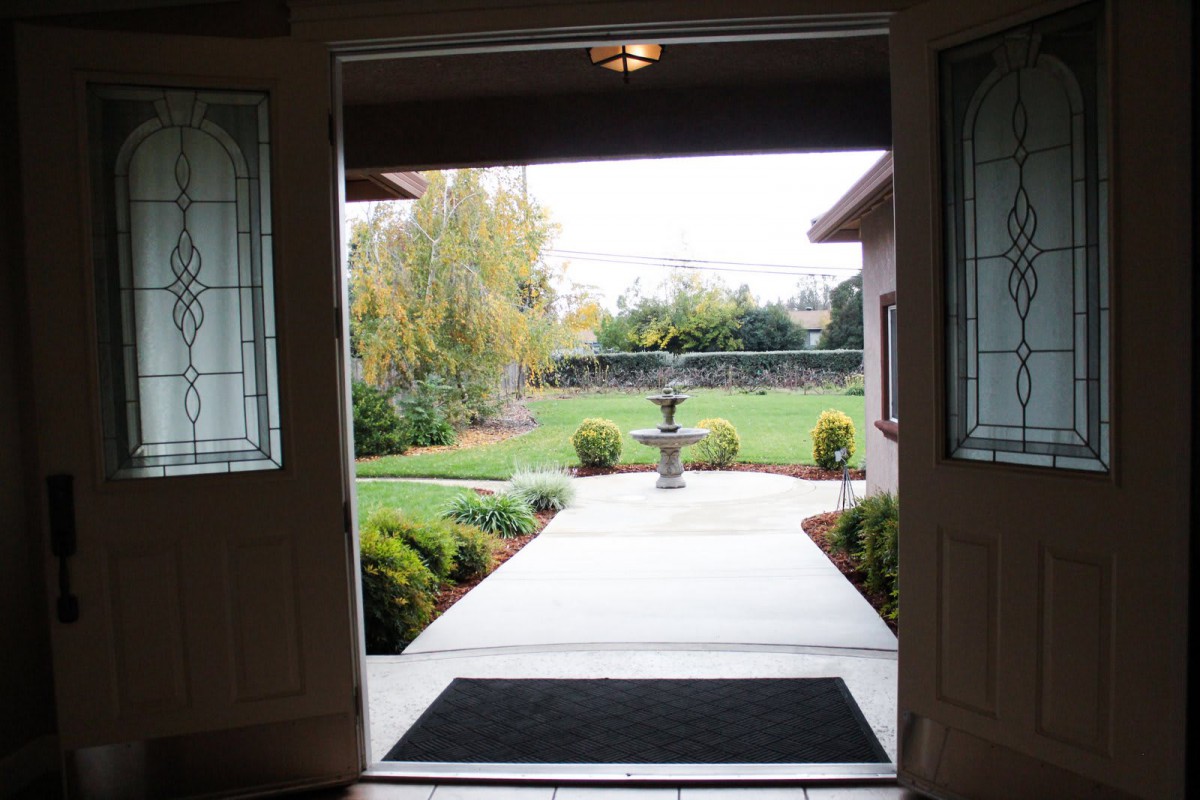
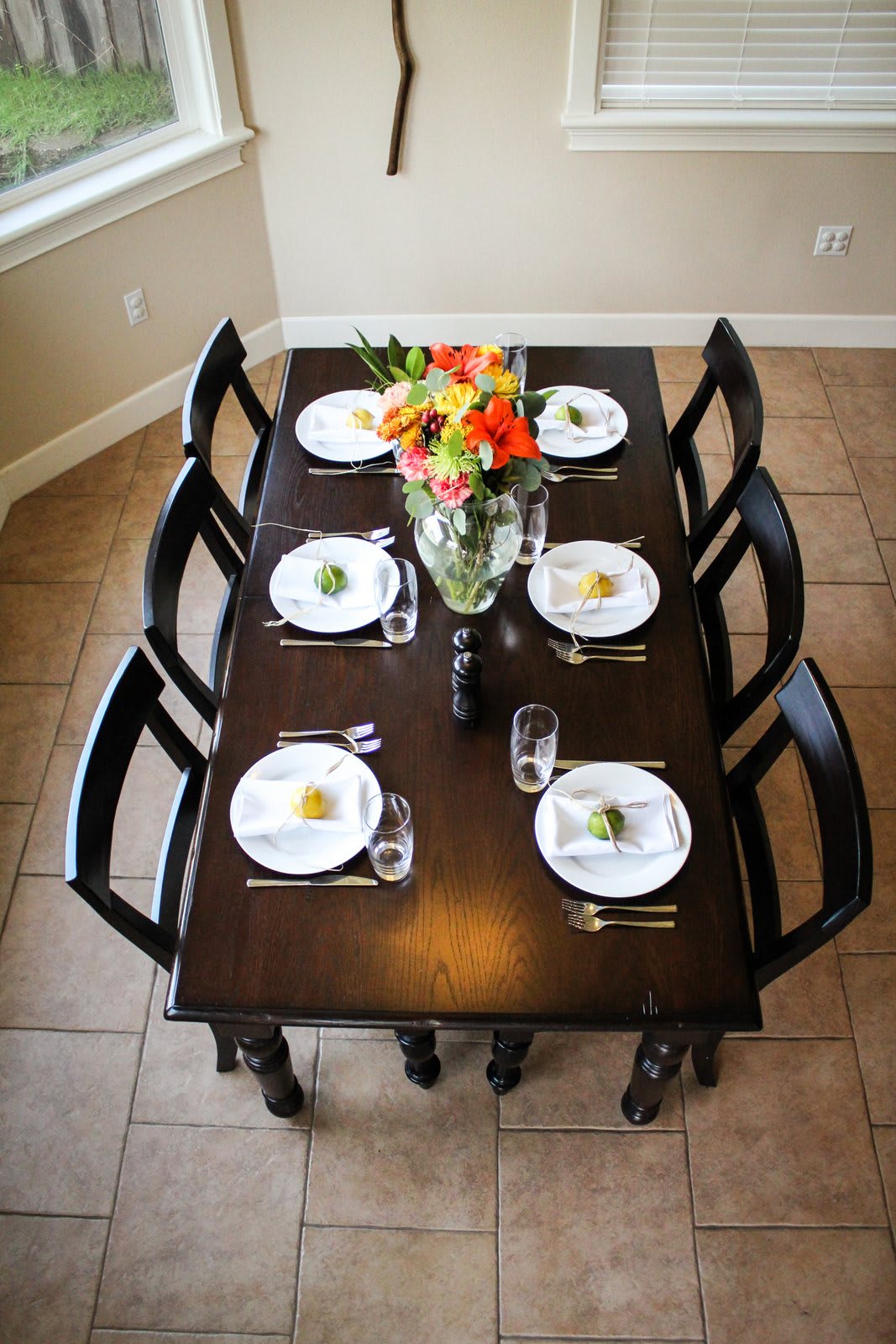
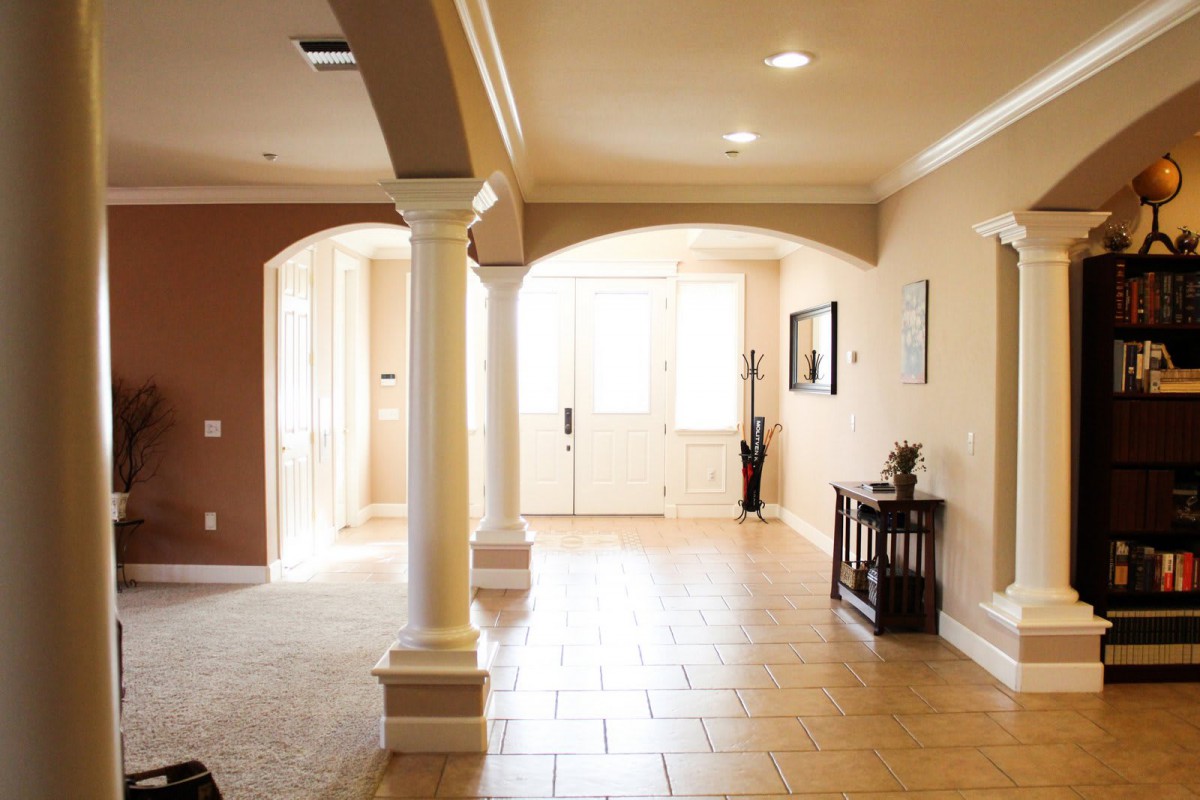
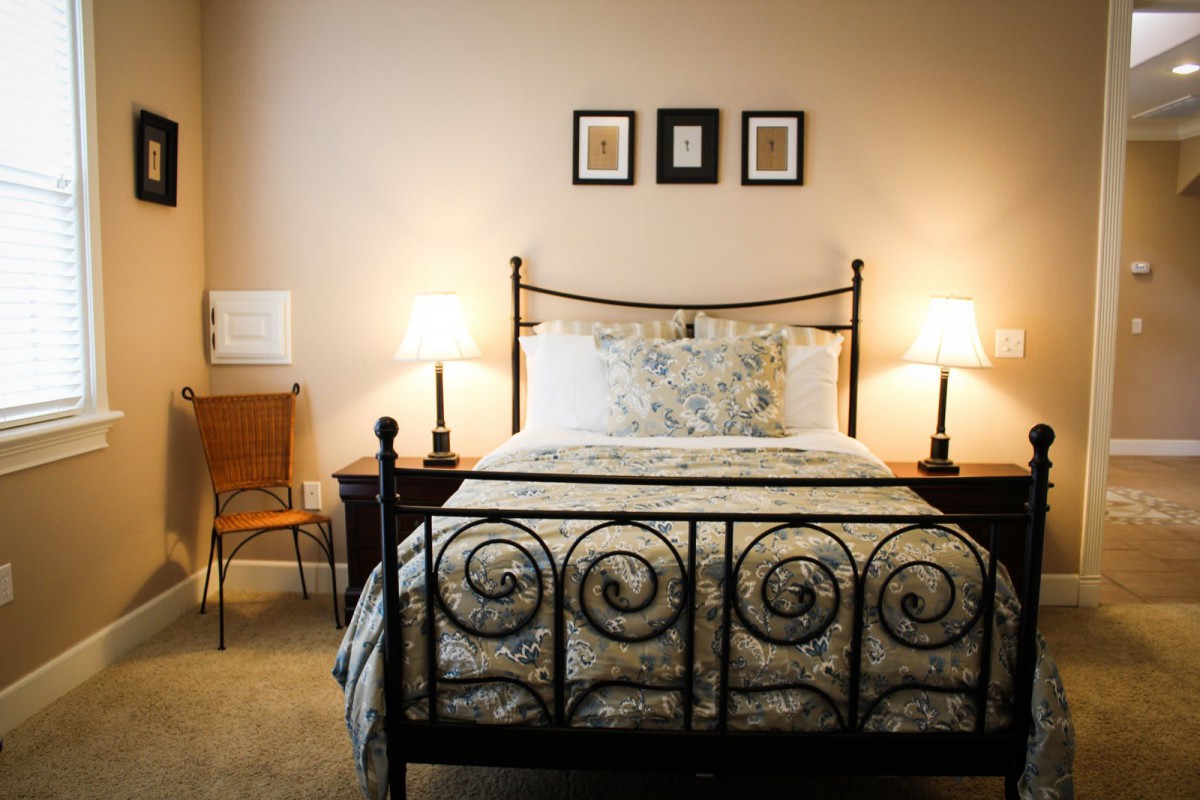
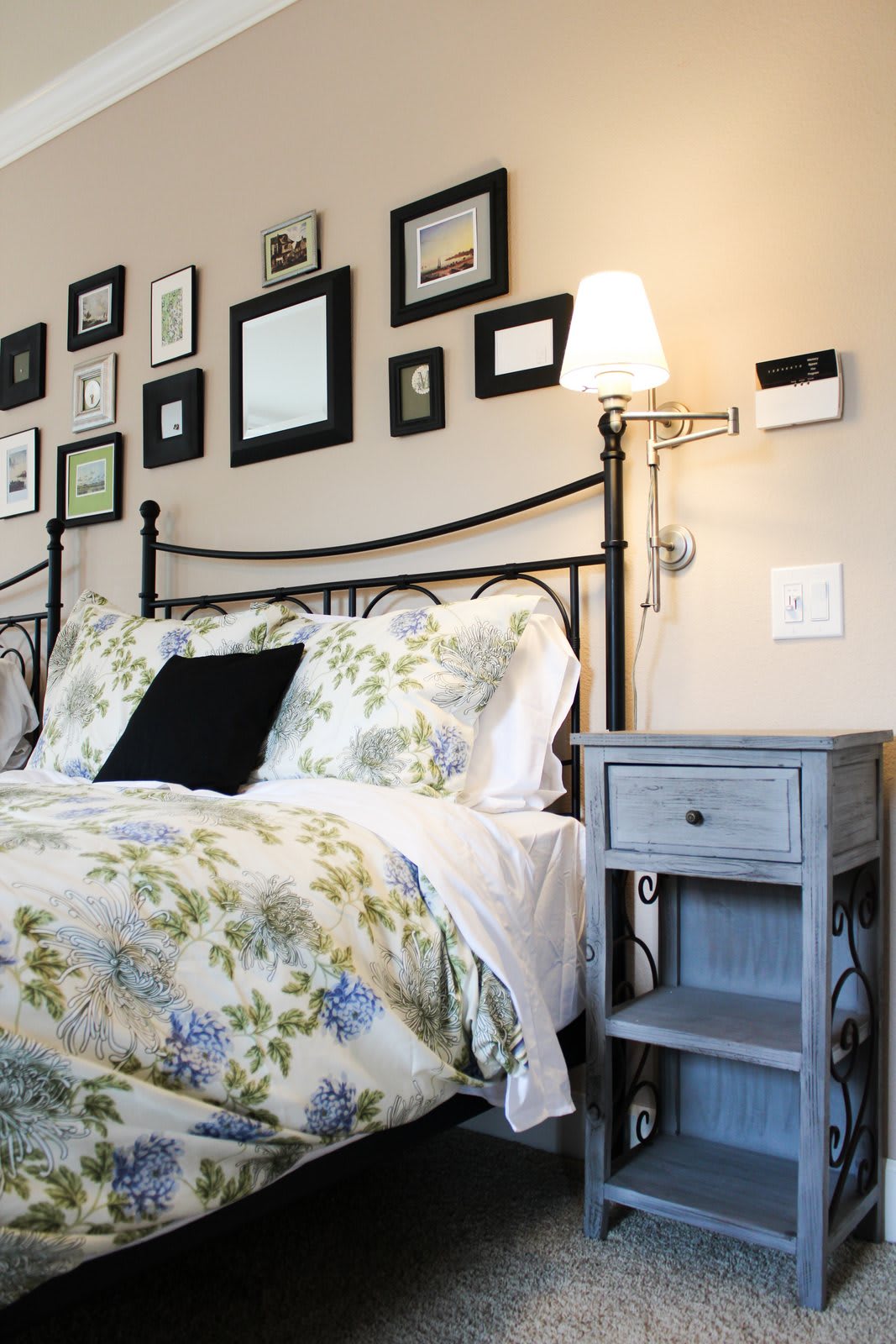
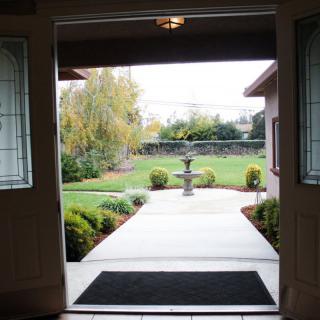
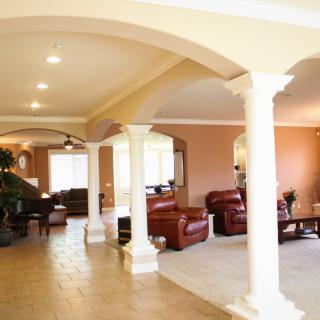
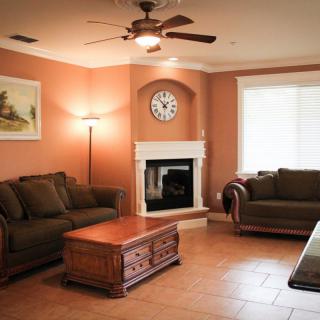
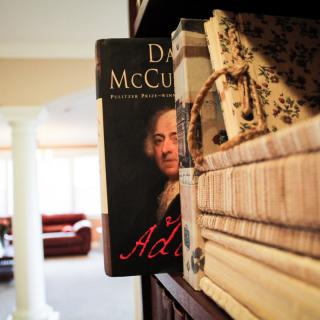
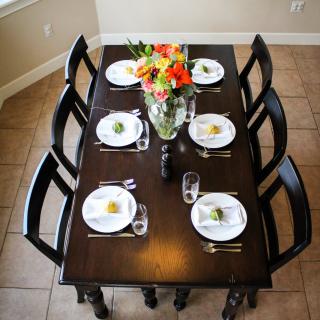
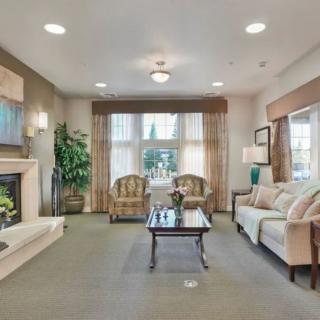
All Seasons in Orangevale is best suited for families that want a true home-like option for a loved one, particularly if daily warmth, personal attention, and a calm, domestic atmosphere are non-negotiables. The six-resident house model, with private rooms and direct access to a cozy living area, dining room, a piano nook, and a peaceful backyard, creates an environment where life feels more like a cared-for home than a sterile facility. This setting is especially compelling for seniors dealing with memory challenges or those who thrive on routine, companionship, and a sense of being known as individuals rather than as a number.
Those who may want to consider alternatives are families prioritizing intensive clinical oversight or higher-security memory-care environments, or anyone seeking a facility with more structured medical staffing and a broader range of on-site medical services. A minority of voices raise caution about management responsiveness and staff stability, suggesting that in settings requiring highly regulated, hospital-grade care or more standardized processes, other options may provide greater reassurance. For residents with complex behavioral health needs or frequent emergency medical requirements, a larger, more medically oriented community could be a more fitting match.
The strongest pro-argument hinges on the home-like culture and the depth of personal engagement. Caregivers are described as exceptionally attentive, with leaders such as Toly, Galina, and Alma acting as committed partners to families. The care thrives on knowing each resident’s life story, routines, and preferences, and staff consistently go the extra mile to maintain dignity, safety, and moments of joy. Families report feeling a true sense of peace because the staff communicates openly, treats residents with respect, and coordinates care with families rather than leaving them out of the loop. This one-on-one, relationship-first approach helps offset the less scalable downsides of a small home by delivering not just daily care but sustained companionship and emotional support.
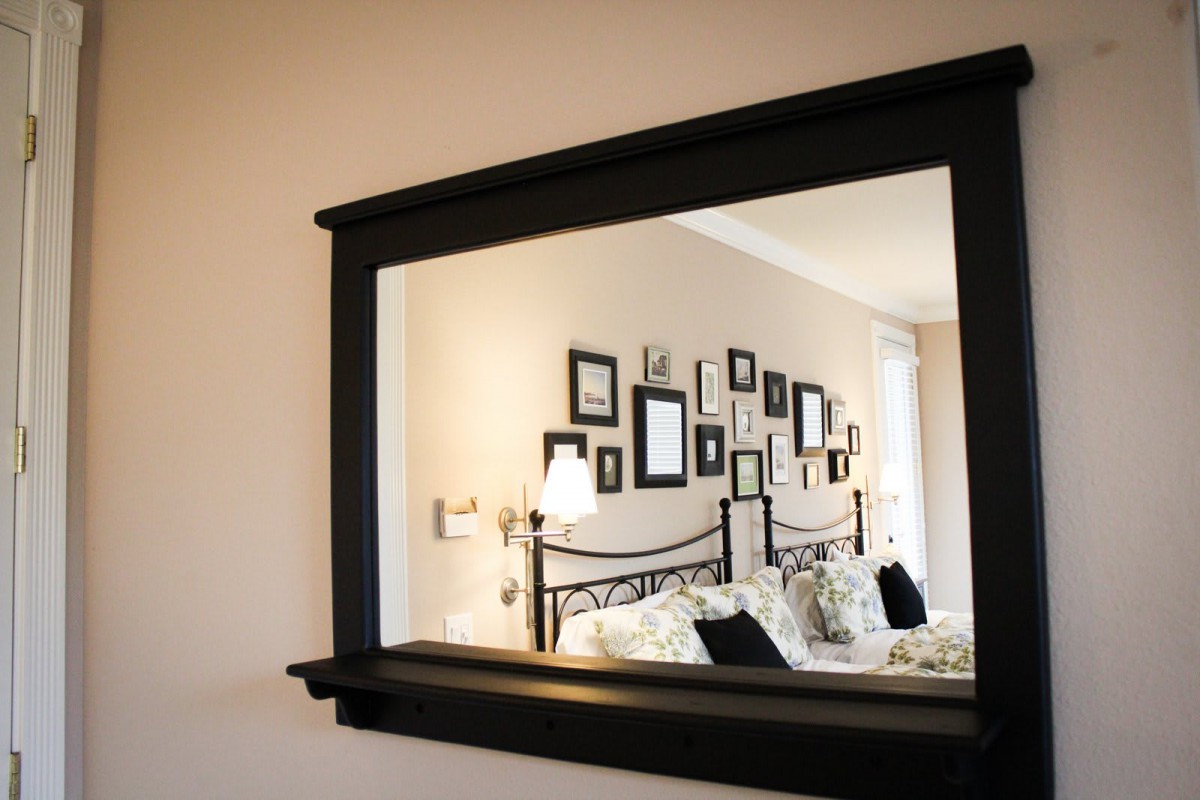
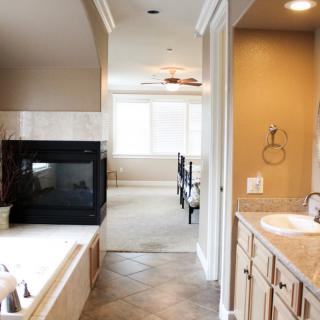
Equally compelling are the tangible daily-life strengths: immaculate upkeep, private accommodations, and thoughtfully designed common areas that emphasize safety and accessibility. Residents benefit from a clean, inviting environment that resembles a well-kept home more than a traditional facility. The physical plant, new and well maintained, features modern safety monitoring, private baths, and easy access to outdoor spaces. Residents also enjoy home-cooked meals, light exercise opportunities, and social activities that celebrate birthdays and holidays. The combination of a serene interior, accessible outdoor space, and a sense of normalcy in daily routines creates a powerful offset to the constraints of a small, intimate home.
Still, no option is without potential friction. The most salient concern raised by some reviews centers on management and staffing consistency, including reports of turnover and questions about training and adherence to certain regulatory practices. A few families describe experiences where prompt attention and proper care coordination did not meet expectations, and there are mentions of issues around diaper care and the handling of medications. This is not universal, but it is a prudent reminder to prospective families to verify current staffing levels, review care protocols, and request transparent, ongoing communication about any concerns. Those weighing All Seasons should plan a thorough on-site visit with direct conversations with the caregivers and leadership to gauge whether the present team aligns with one’s standards.
In the end, All Seasons presents a compelling case for families seeking a warm, intimate alternative to larger, more clinical settings. Its strongest asset, genuine, personable care delivered in a home-forward environment, resonates powerfully with loved ones who value dignity, daily consistency, and personal connection. For families needing highly intensive medical oversight or very structured clinical programming, or for those who require ironclad assurances about staff training and regulatory compliance, alternatives may be worth exploring. The recommended course is a targeted visit: observe interactions with residents, interview the care team about routines and emergency protocols, request current references, and review the care plans in detail to confirm that the philosophy and capabilities align with the resident’s specific needs. If those checks align, All Seasons stands as a trusted, restorative home where many families… and their loved ones… feel truly cared for.
 6 resident community capacity
 Assisted Living
 Board and Care Home
 Memory Care
 Respite Care
 Activities off-site
 Bath tubs
 Beautician on-site
 Cable or satellite TV
 Devotional services off-site
 Dining room
 Fully furnished
 Garden
 Housekeeping services
 Indoor common areas
 Move-in coordination
 Outdoor common areas
 Private
 Private bathrooms
 Telephone
 Wheelchair accessible showers
 Wi-Fi/high-speed internet available
 Sacramento International (19 miles away)
 24-hour supervision
 Assistance with bathing
 Assistance with dressing
 Assistance with transfers
 Diabetes diet
 Diabetic care
 Incontinence care
 Meal preparation and service
 Medication management
 Special dietary restrictions
 Transportation arrangement (medical)
 Transportation to doctors appointments


 Delving into the Inner World of Dementia: Insights into Thoughts and Awareness
 Five Subtle Dementia Indicators to Observe: An In-Depth Guide to Understanding “Does My Mom Have Dementia?”
 Dementia, Paranoia, and Caregiver Guidance: Understanding the Connection