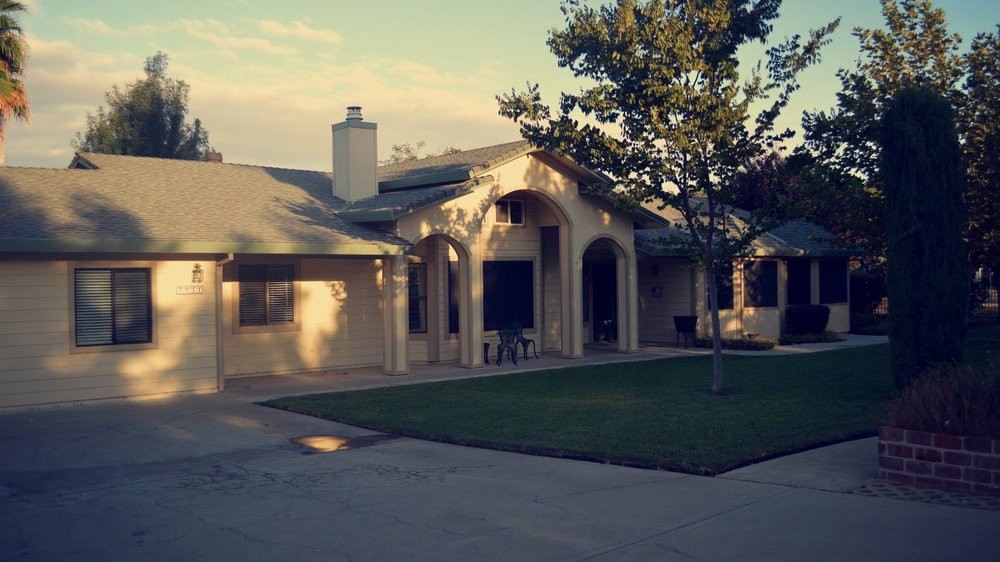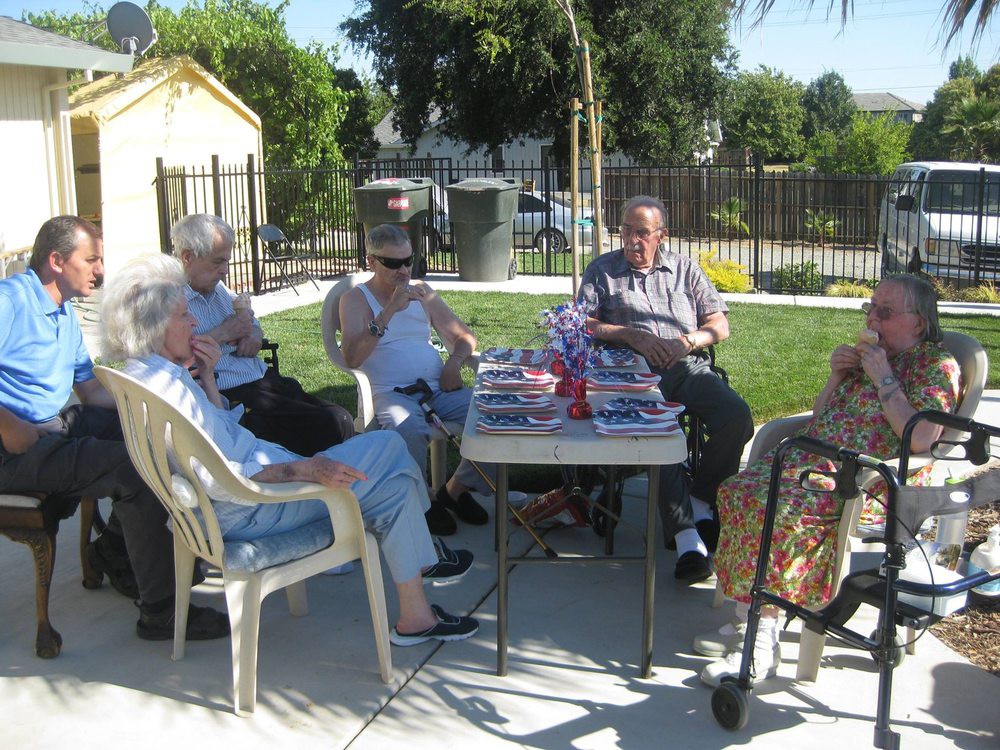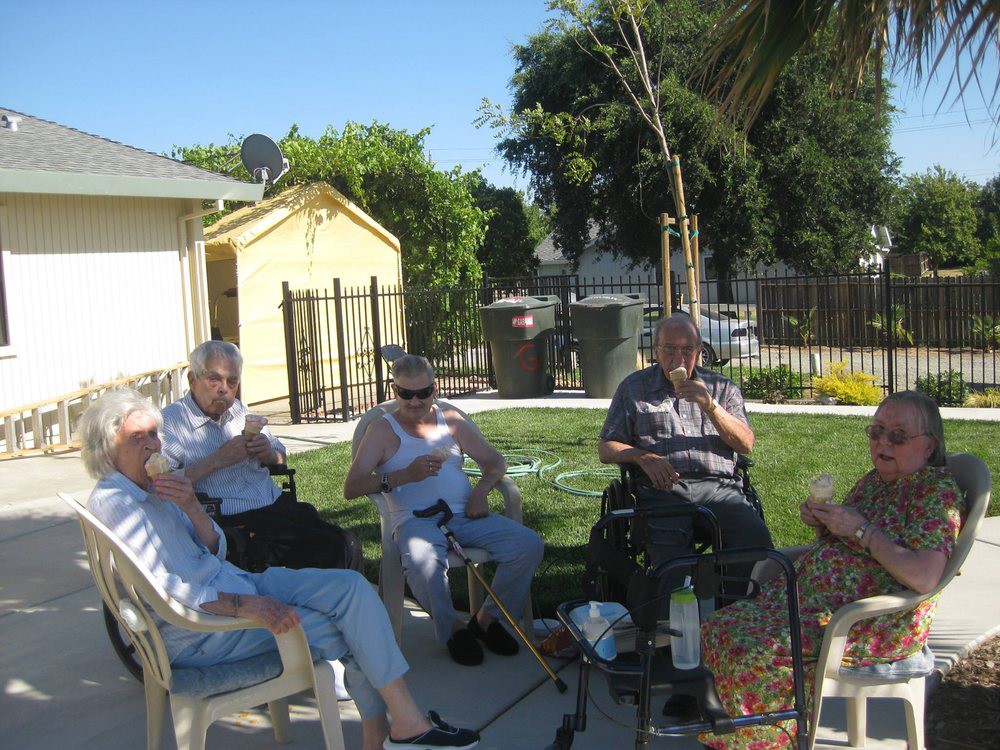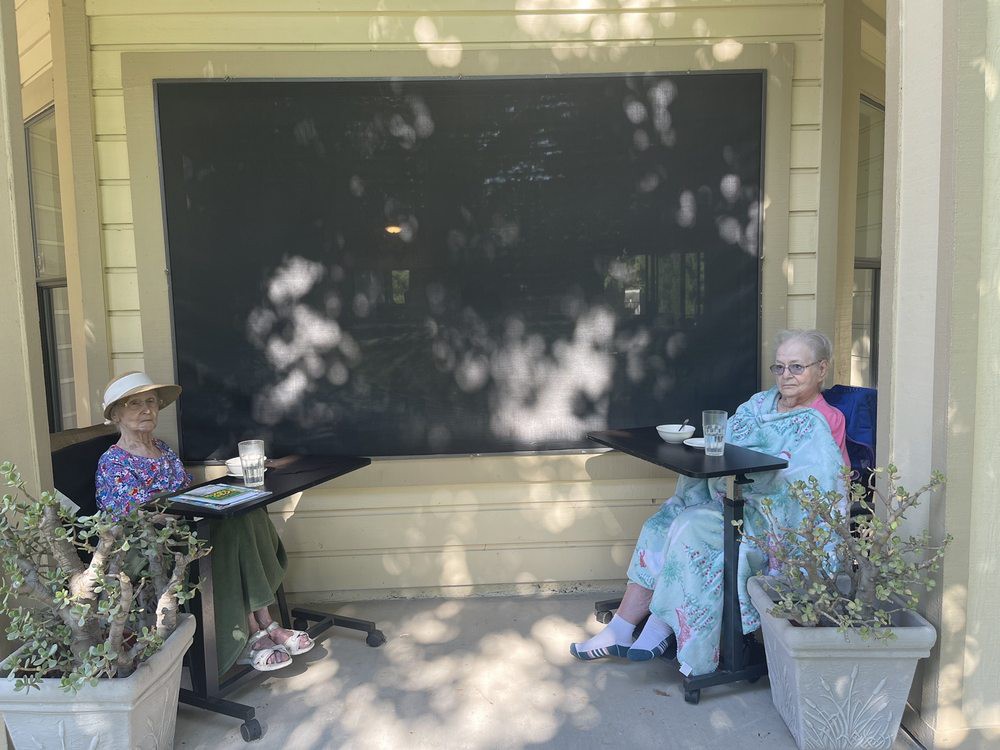
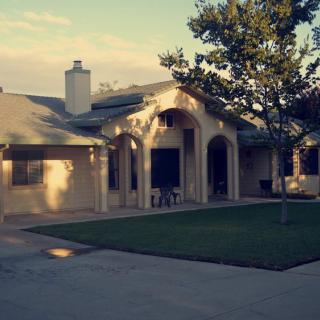
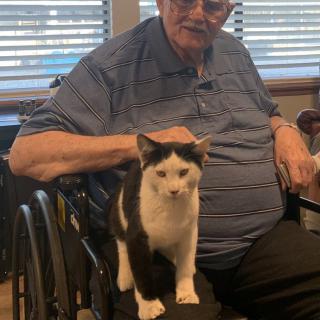
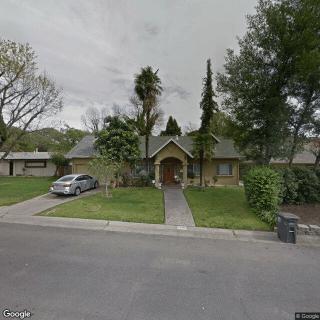
7931 Cook Riolo Rd, Antelope, CA 95843
To contact a resident: (916) 412-7301
For more information about senior living options: (866) 208-4318
Love & Care for Elder Costs & Pricing
At Love & Care for Elder, the costs for room types are competitively priced compared to both Sacramento County and the broader California market. For a semi-private room, residents can expect a monthly charge of $3,000, which is notably lower than the county average of $3,106 and significantly more affordable than the state average of $3,333. For those seeking more privacy, a private room at Love & Care costs $3,500, again undercutting Sacramento County's average of $3,686 and falling short of California's average of $3,939. Lastly, our one-bedroom accommodations are offered at $4,500 per month - slightly above the county's average but still favorable when benchmarked against the state average of $4,340. Overall, Love & Care for Elder provides an appealing balance between quality care and cost-effectiveness in an increasingly competitive landscape.
| Floor plans | Love & Care for Elder | Sacramento County | California |
|---|---|---|---|
| Semi-Private | $3,000 | $3,106 | $3,333 |
| Private | $3,500 | $3,686 | $3,939 |
| 1 Bedroom | $4,500 | $3,758 | $4,340 |
Memory care communities with a similar price nearby
-
from +$500 / mo
Diamond Oaks Residential Care
$3,500 to $4,000 / month4.8 miles away -
from -$500 / mo
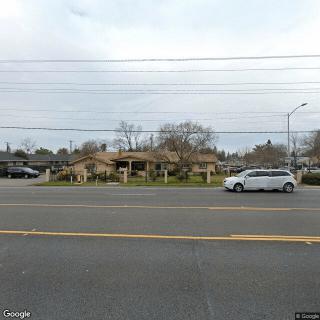
Eastern Manor
$2,500 to $3,000 / month7.1 miles away -
from -$500 / mo
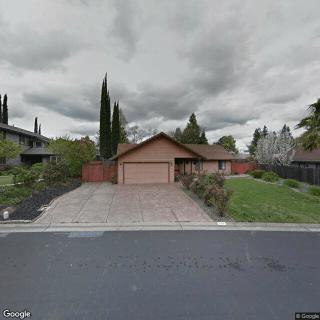
A.R.C. Manor of Folsom
$2,500 to $3,500 / month7.9 miles away -
from +$250 / mo
WellQuest of Elk Grove
$3,250 to $5,050 / month19.5 miles away -
from -$200 / mo

American River Care Home
$2,800 to $3,000 / month6.8 miles away
Overall Review of Love & Care for Elder
Pros
 Elizabeth is described as very dedicated, kind, dependable, and beautiful.
- The uncle received the best care from Elizabeth and the workers.
- After one look, it was clear this was the right place for Gurney.
- Hats off to all for excellent care and teamwork.
- The facility is highly recommended to anyone.
- The care is top-notch, with home-style meals and great people.
Review
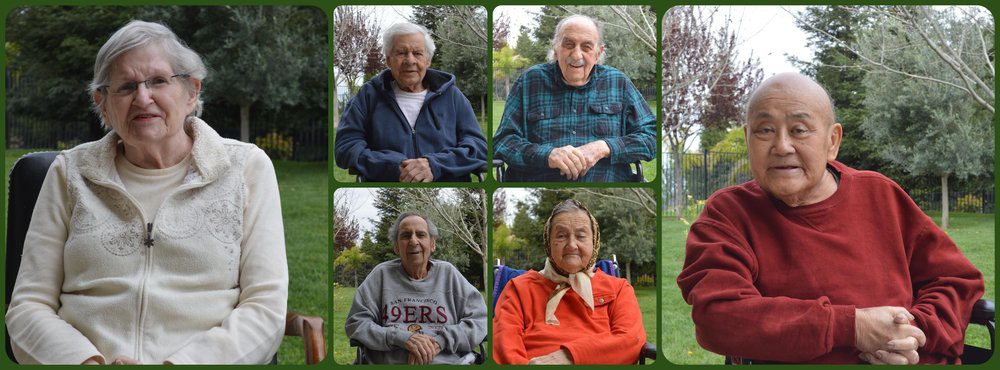
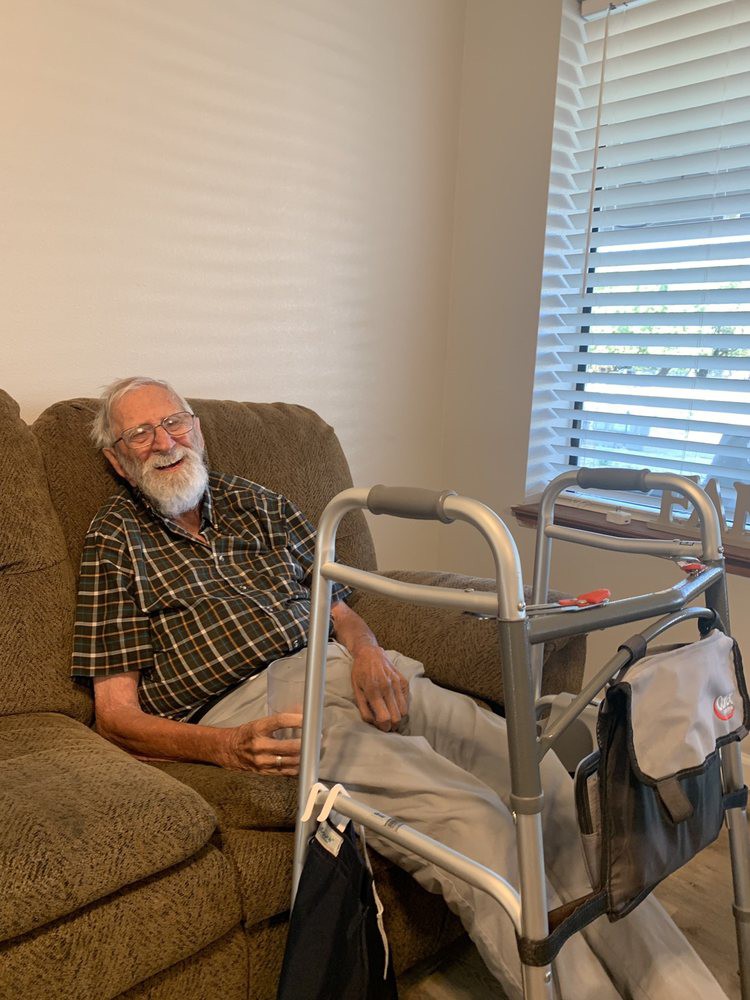
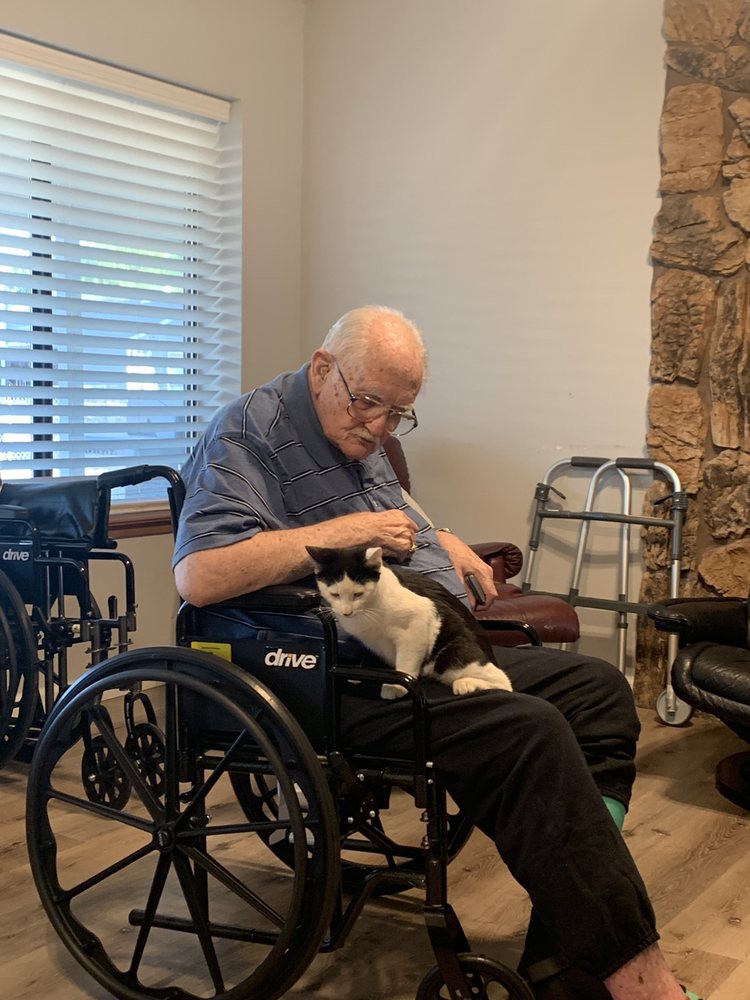
Love & Care for Elder in Antelope, CA, is best suited for families prioritizing an intimate, people-first assisted living where caregivers form real connections with residents and daily life feels like a warm, homey routine. This community excels for elders who value consistent, attentive care delivered by a small, dedicated team and who appreciate home-style meals as a core part of everyday well‑being. The throughline in the feedback is a clear emphasis on personal relationships, residents are tended to with dedication, and staff are described as dependable and sincerely invested. In short, the model works for families seeking peace of mind through close caregiver oversight and a familiar, low‑key environment.
Those who may want to consider alternatives are families whose priorities include a broader array of on-site amenities, a larger campus atmosphere, or more extensive medical resources. If memory care with specialized programming, higher nurse-to-resident ratios, or a wider schedule of activities is essential, this setting may feel limited. Likewise, if the elder requires aggressive medical management, a more hospital-like campus, or access to a wider network of specialists on site, other communities will typically deliver those capabilities more readily. For those exploring options, it is prudent to compare service breadth and clinical depth against the commendable warmth that Love & Care for Elder provides.
The strongest proof of value lies in the staff and leadership. Reviews consistently center Elizabeth as the linchpin of quality care, described as dedicated, kind, dependable, and genuinely invested in residents’ welfare. This leadership translates into palpable reassurance for families: an uncle or loved one appears to receive thorough, attentive supervision, with staff who remember preferences and routines. The human element, carefully prepared, home-style meals and daily interactions that feel personal rather than scripted, emerges as a distinctive strength. Where larger communities risk feeling impersonal, Love & Care for Elder leverages intimate scale to deliver reliable, heart-felt care that families can trust.
That intimate scale, however, is a double-edged sword. The core pro of highly personalized attention does not come without trade-offs. The same close-knit setting can mean fewer on-site amenities, a more limited menu of activities, and a leaner clinical footprint than would be found in bigger facilities. Yet these drawbacks are frequently offset by the benefits: resident safety is enhanced by constant accessibility of caregivers, meals are tailored to a home-cooked standard that supports appetite and comfort, and schedules stay predictable enough to reduce confusion and stress. Families valuing day-to-day steadiness will see the pros outweigh the potential gaps, particularly when Elizabeth and her team maintain a consistent presence.
Decision-making should hinge on alignment with care priorities. If the priority is a trusted, relationship-driven environment where staff become almost an extension of family and where meals feel like they come straight from a home kitchen, Love & Care for Elder stands out as a compelling choice. Prospective residents should nonetheless scrutinize how far the facility’s small scale can meet evolving medical or cognitive needs and whether the available programming sustains interest as routines age. A practical approach is to tour, observe meal times, speak with several staff members, and specifically request a look at care plans and response times to changing needs, all while noting Elizabeth’s leadership presence.
In sum, this community is a strong fit for families who want dependable caregiving wrapped in a warm, home-like setting and who can accept the trade-off of a smaller, less sprawling campus. It delivers what matters most to many seniors and their families: reliable supervision, genuine kindness, and daily life that feels familiar and comforting. For those whose decision hinges on expansive amenities, advanced clinical services, or robust memory-care programming, alternatives should be explored with a clear eye on how those features balance against the standout human-centered care here. A guided visit now will reveal whether the intimate, caregiver-led model aligns with the elder’s personality, needs, and the family’s expectations.
 6 resident community capacity
 Assisted Living
 Board and Care Home
 Memory Care
 Respite Care
 Activities off-site
 Bath tubs
 Beautician on-site
 Cable or satellite TV
 Devotional services off-site
 Dining room
 Fully furnished
 Garden
 Housekeeping services
 Indoor common areas
 Move-in coordination
 Outdoor common areas
 Private
 Telephone
 Wheelchair accessible showers
 Wi-Fi/high-speed internet available
 Sacramento International (14 miles away)
 24-hour supervision
 Assistance with bathing
 Assistance with dressing
 Assistance with transfers
 Diabetes diet
 Diabetic care
 Meal preparation and service
 Medication management
 Special dietary restrictions
 Transportation arrangement (medical)
 Transportation to doctors appointments
 Understanding Dementia Through Its Seven Stages: A Comprehensive Look at Progression and Expectations
 A Holistic Dementia Care Guide: Effective Strategies for Memory Support
 Comprehensive Insights into Activities of Daily Living (ADLs) and Their Assessment