
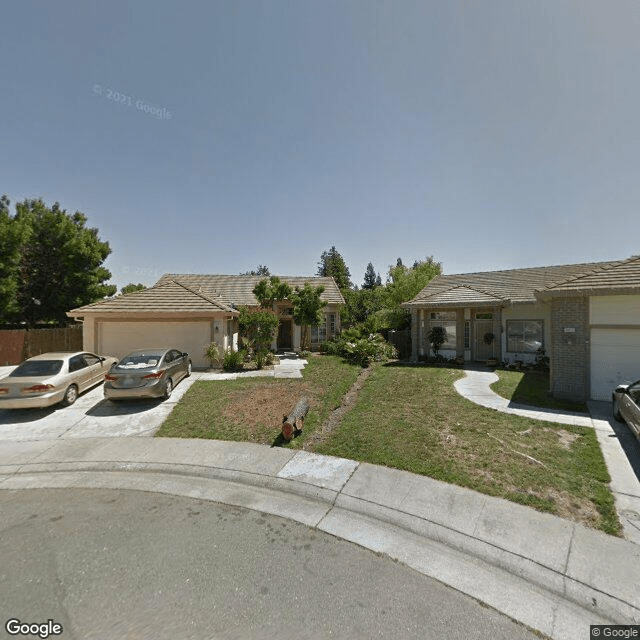
5416 Wooded Glen Place, Antelope, CA 95843
To contact a resident: (916) 517-6861
For more information about senior living options: (866) 208-4318
Maranatha Manor Costs & Pricing
Maranatha Manor offers competitive pricing for its residents when compared to both Sacramento County and the broader California market. For semi-private rooms, Maranatha Manor's monthly rate of $3,000 is slightly lower than the county average of $3,106 and significantly more affordable than the state average of $3,333. Residents seeking a one-bedroom option will find Maranatha Manor's price of $3,500 to be more attractive than Sacramento County's $3,758 and California's statewide average of $4,340. Similarly, private room rates at Maranatha Manor also present a cost-effective choice at $3,500 compared to the county's $3,686 and the state's average of $3,939. Overall, Maranatha Manor stands out as an appealing option for those looking for quality care while keeping costs manageable.
| Floor plans | Maranatha Manor | Sacramento County | California |
|---|---|---|---|
| Semi-Private | $3,000 | $3,106 | $3,333 |
| 1 Bedroom | $3,500 | $3,758 | $4,340 |
| Private | $3,500 | $3,686 | $3,939 |
Memory care communities with a similar price nearby
-
About the same
Love & Care for Elder
$3,000 to $4,500 / month0.3 miles away -
from +$500 / mo

Diamond Oaks Residential Care
$3,500 to $4,000 / month4.7 miles away -
from -$500 / mo
Eastern Manor
$2,500 to $3,000 / month7.3 miles away -
from -$500 / mo
A.R.C. Manor of Folsom
$2,500 to $3,500 / month8.1 miles away -
from +$250 / mo
WellQuest of Elk Grove
$3,250 to $5,050 / month19.8 miles away
Overall Review of Maranatha Manor
Pros
 The facility is Christian-run and provides devoted one-on-one care, with meals tailored to each resident’s needs and tastes; the owner is a great cook.
- The private residential care home is noted for a warm, family-like atmosphere, with friendly staff and a warm administrator–resident relationship; rooms are small but homey and clean.
- The place is neat and clean, staff are attentive and friendly, residents are mentally active, and the overall atmosphere is very positive.
- The home has a nice interior and a great backyard; dogs are welcomed and loved by residents; Mary is knowledgeable about dementia care and plays accordion to engage residents in singing.
- It is considered one of the top three picks thus far.
Cons
 The rooms are small.
- The mom is hard of hearing and may have trouble understanding staff.
- The private residential care home is under construction.
Review
Maranatha Manor is best suited for families seeking a small, faith-centered private residence where care is intensely personalized and meals are crafted to fit each resident’s tastes. The facility’s Christian ethos, one-on-one attention, and a home-like atmosphere set it apart from larger, more clinical options. Reviewers note the owner’s cooking talent and a staff team that treats residents with warmth and individualized consideration, creating a sense of family rather than a hierarchical care setting. For residents who thrive on routine, familiar faces, and daily interaction in a compact home environment, Maranatha Manor offers a compelling fit. The presence of on-premises leadership and a warm, engaging atmosphere adds to the transactional ease families crave when transitioning a loved one out of a private home into ongoing care.
Foremost alternatives to weigh are those requiring a finished, more expansive facility or more formal programming. Several points in the feedback point to construction and ongoing setup, which can translate into disruptions or limited move-in readiness. Small rooms, while cozy, may not satisfy families seeking generous private space or a more traditional “facility” footprint. For residents who are hard of hearing or require robust staff communication supports, the reported potential misunderstanding with staff is a real consideration. Additionally, the price tag and the possibility of hospice costs varying from base care must be weighed against budgets and expected levels of medical oversight. Those who prioritize a larger social calendar, more structured memory-care programming, or a move-in-ready, turnkey environment may find themselves drawn to alternatives.
On balance, the strongest positives, exacting, individualized care; meals prepared to each resident’s needs; a warm, low-traffic atmosphere; and attentive staff, build a strong offset to the notable drawbacks. The private, homey setup naturally limits the clinical feel and fosters meaningful relationships, with residents appearing mentally engaged and socially active in a small community. The ability to tailor meals and care plans is a standout benefit not easily matched by larger facilities, where standardized menus and generic routines often prevail. ADA-compliant bathrooms add a practical layer for accessibility, and transportation arrangements provide a practical support for families needing outing or appointment trips, even if the service carries an extra per-trip cost. When memory challenges emerge, the staff’s demonstrated knowledge in dementia care, along with a resident caregiver on site who contributes to a welcoming culture, can significantly reduce everyday stress for both residents and their families.
Specific positive markers that bolster the decision in favor of Maranatha Manor include the attention to personal connection and the visible “home” feel. One reviewer highlights a warm administrator who maintains a family atmosphere, while another notes a resident named Mary actively engaging others through singing and accordion playing, an indication that social stimulation is woven into daily life. The small size of the house, the sense that residents like living there over extended periods, and the ongoing on-site presence of staff contribute to reliability and continuity of care. For families who value faith-based values and a deeply personal approach to daily living, these elements translate into genuine peace of mind that care will be tailored rather than into a rigid, one-size-fits-all program.
Practical considerations should guide the final choice. The ongoing construction is a real factor, its timeline affects move-in readiness, space planning, and potential noise or access issues. Room size matters too; while “homey and clean” describes the vibe, the prospect of shared or small private spaces can influence comfort for longer stays or for couples seeking to stay together. The pricing snapshot (roughly in the mid-$3,000s per month with higher hospice costs possible) requires careful budgeting and explicit confirmation of what is included. Accessibility features are promising, but communication challenges for hearing-impaired residents warrant direct inquiry into staff supports, assistive devices, and adaptive communication plans. Finally, the location at the end of a cul-de-sac in a densely populated neighborhood offers conveniences and safety considerations that families should verify in person during a visit.
In the end, Maranatha Manor serves best those who prize a faith-forward, highly personalized care experience in a small-house setting, where meals, care plans, and daily routines feel custom-tailored and thoughtfully managed. Families for whom a finished, larger campus with broad programming and predictable move-in timelines takes precedence may want to explore alternatives. To move forward confidently, conduct a direct visit with questions about current construction status, room configurations, caregiver-to-resident ratios, and how communication with residents who have hearing loss is handled. Request a sample menu, a day-in-the-life schedule, and a transparent breakdown of transportation and hospice-related costs. With the right fit, the combination of personalized care, a warm atmosphere, and faith-aligned values can make Maranatha Manor a reassuring choice for a loved one who thrives in a small, engaged community.
 Board and Care Home
 Memory Care
 Dogs allowed
 Activities off-site
 Air-conditioning
 Bath tubs
 Cable or satellite TV
 Devotional services off-site
 Indoor common areas
 Outdoor common areas
 Private
 Private bathrooms
 Respite or short term stays offered
 Wheelchair accessible showers
 Wi-Fi/high-speed internet available
 Sacramento International (14 miles away)
 High acuity care
 Incontinence care
 Medication management
 Gluten-free
 BBQs or picnics
 Birthday parties
 Dementia-Related Hallucinations: Causes, Experiences, and Practical Approaches
 Illuminating Insights About Alzheimer's Disease: Ten Crucial Realities
 A Thorough Discussion of Medications Potentially Linked to Dementia Risk