




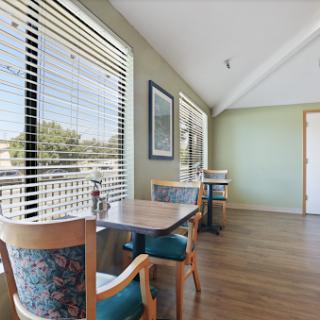
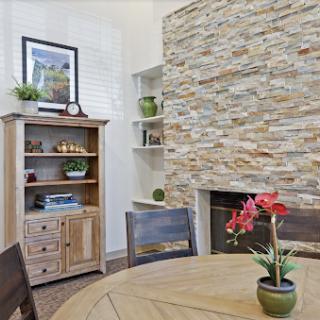
6701 Almond Avenue, Orangevale, CA 95662
For more information about senior living options: (866) 208-4318
Almond Home Care Costs & Pricing
Almond Home Care offers competitive pricing options for its residents, providing a more affordable alternative to both Sacramento County and the broader California market. For semi-private rooms, Almond Home Care charges $2,500 per month, significantly lower than the county average of $3,106 and the state average of $3,333. Similarly, in the case of private accommodations, Almond's rate of $4,000 remains slightly below the county's average of $3,686 and California's average of $3,939. This pricing strategy reflects Almond Home Care's commitment to delivering quality care while ensuring accessibility for families seeking assisted living solutions.
| Floor plans | Almond Home Care | Sacramento County | California |
|---|---|---|---|
| Semi-Private | $2,500 | $3,106 | $3,333 |
| Private | $4,000 | $3,686 | $3,939 |
Assisted Living communities with a similar price nearby
-
About the same
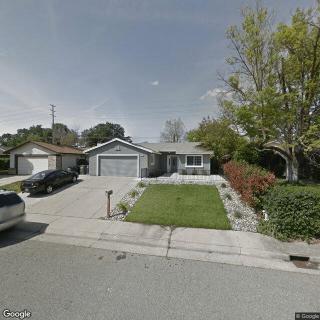
Sunrise Senior Care
$2,500 to $3,500 / month1.7 miles away -
About the same

Gina's Home Care
$2,500 / month5.0 miles away -
About the same

Eastern Manor
$2,500 to $3,000 / month8.5 miles away -
About the same
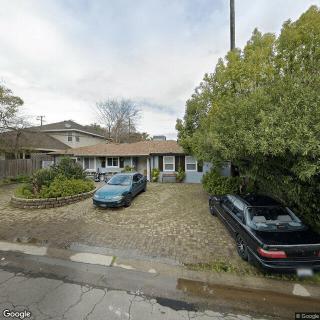
Hempstead Home
$2,500 to $6,930 / month10.9 miles away -
About the same

Eskaton Village Placerville
$2,464 to $4,678 / month24.9 miles away
Overall Review of Almond Home Care
Pros
 Almond Home Care is excellent.
- It is located in a residential neighborhood, which feels home-like.
- The home is very nice and has a backyard hangout area with a patio.
- The setting makes visitors feel comfortable sitting outside in the backyard.
- The house accommodates a mix of male and female residents.
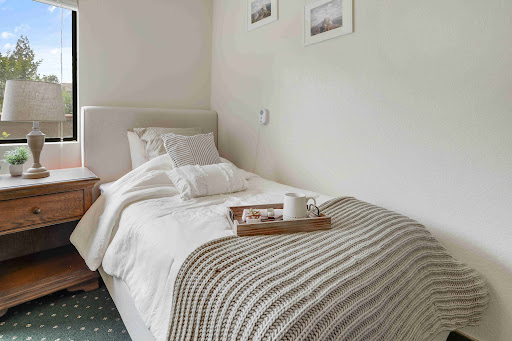
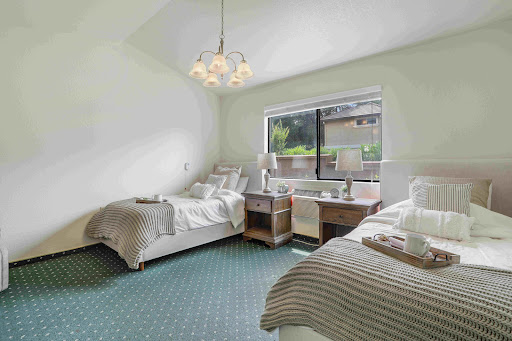
- It offers one shared room option and private rooms.
- The owner gave them a tour and was super accommodating and friendly.
- They can accommodate up to six residents.
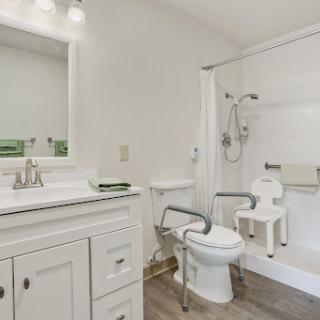
- The owner showed the kitchen and the bathrooms during the tour.
- The overall impression was a warm and welcoming feeling.
Review
This community is best suited for families seeking a small, home-like assisted living option in a residential Orangevale neighborhood where seniors receive highly personalized attention and care delivered with a warm, non-institutional feel. Almond Home Care operates like a true home rather than a campus, which makes it especially attractive for a parent who values privacy alongside the comfort of shared social spaces. The intimate setting is well-suited to residents who prefer a quiet pace, predictable routines, and direct access to the person overseeing daily operations. For families prioritizing a sense of belonging and a homelike atmosphere over large-scale programming, this option stands out as a practical match.
The appeal centers on the setting and the hands-on leadership. It is housed in a residential-style property with a backyard that doubles as a casual hangout area, conveying a relaxed, welcoming vibe from the first impression. The house accommodates mixed gender residents and offers both shared and private room configurations, which provides flexibility as needs evolve. The owner typically conducts tours, explains how the home operates, and demonstrates modifications made to support mobility or accessibility. The ability to see the kitchen and bathrooms up close reinforces confidence in daily living support. Most notable is the “warm and welcoming” impression, the kind of feeling that often translates into calmer days and more engaged residents.
Anyone weighing this choice should explicitly consider who may want alternatives. The small, intimate scale is a strength, but it may not suit families seeking extensive medical oversight or specialized memory care. A few residents and families might want more formal programming, structured activities, or transportation services that larger facilities commonly provide. Similarly, households that require higher levels of clinical staffing or a broader array of on-site amenities could look at campuses with bigger teams and more resources. For those prioritizing high-capacity communities or intensive care coordination, alternative options will likely deliver more in terms of scope.
The strengths, personalized attention, direct accessibility to the operator, and a genuine home-like feel, partly offset the potential drawbacks of a six-resident cap. A small house naturally allows closer observation, faster response times, and the comfort of familiar faces, which reduces anxiety for many seniors. Modifications shown during tours signal a readiness to adapt to individual mobility or safety needs, supporting residents who require careful attention to changes in routine or layout. The owner’s approachable demeanor and clear explanations of operations strengthen transparency and trust, making it easier for families to buy in without second-guessing daily care decisions.
Where the model may fall short is best understood through a practical lens. With space limited to roughly six residents, social variety can be narrower, and programming may rely heavily on the consistency and creativity of a single caregiver leadership style. The lack of emphasis on large-scale activities or multi-resident programming could leave some residents longing for more diverse interaction or scheduled outings. Additionally, the reliance on a small, owner-led setup raises questions about coverage during busy periods, holidays, or emergency situations when a larger staff network would traditionally back up care. Prospective families should verify staffing patterns, back-up plans, and how care plans are coordinated with outside doctors.
Bottom line: Almond Home Care delivers a compelling blend of homelike warmth and hands-on, owner-driven care that suits a senior who thrives on intimate attention and flexible room options. It is a particularly strong fit for families prioritizing a quiet, secure, almost familial environment over institutional size or high-intensity programming. For those who expect robust on-site medical teams, planned group activities, and large social networks, alternatives ahead of time will better meet expectations. The prudent path is a guided visit, observe the rhythm of the day, question staff-to-resident ratios, inspect safety features, and confirm how private and shared rooms are allocated and maintained. If those checks align with the needs and preferences of the loved one, Almond Home Care stands as a practical and emotionally reassuring choice.
 6 resident community capacity
 Assisted Living
 Board and Care Home
 Respite Care
 Activities off-site
 Bath tubs
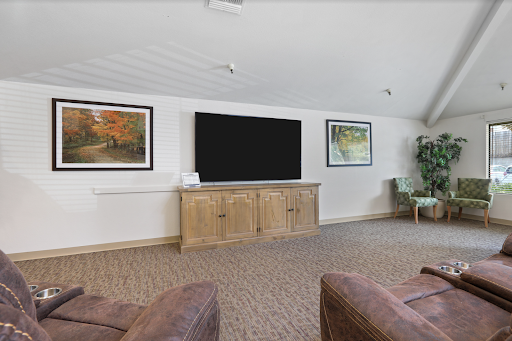
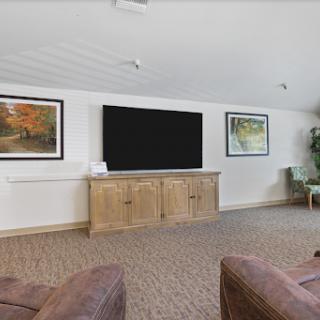
 Cable or satellite TV
 Devotional services off-site
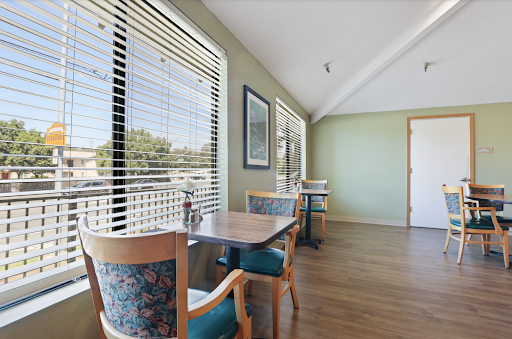
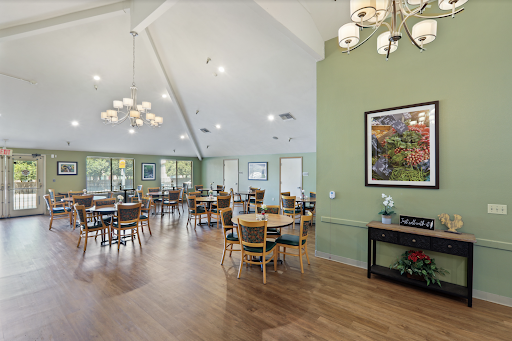
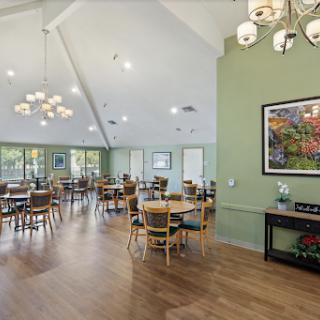
 Dining room
 Fully furnished
 Garden
 Housekeeping services
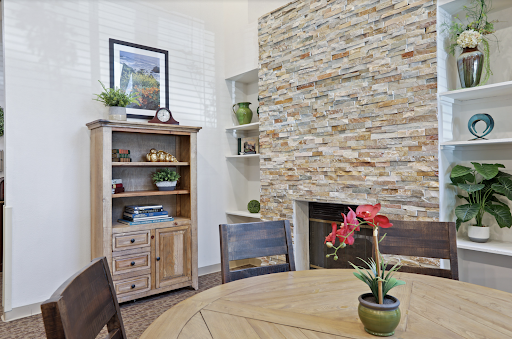
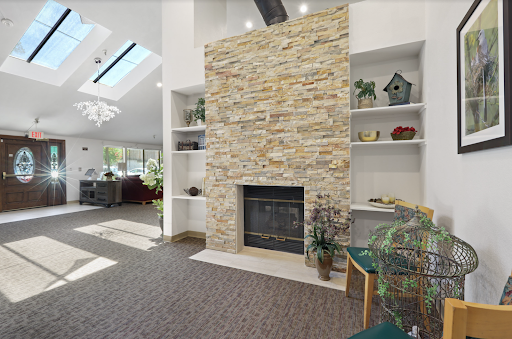
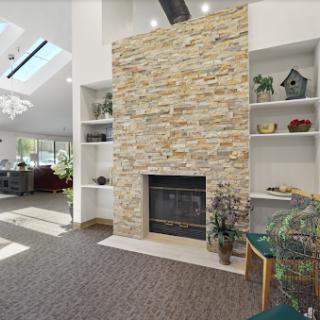
 Indoor common areas
 Move-in coordination
 Outdoor common areas
 Private
 Private bathrooms
 Telephone
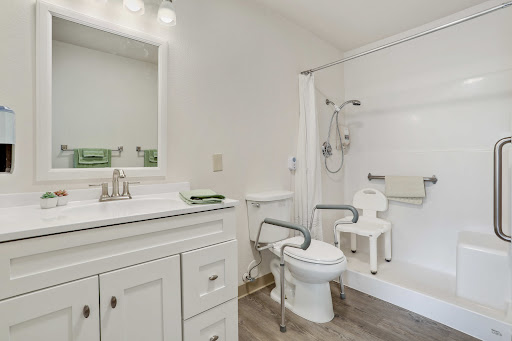
 Wheelchair accessible showers
 Wi-Fi/high-speed internet available
 Sacramento International (19 miles away)
 24-hour supervision
 Ambulatory care
 Assistance with bathing
 Assistance with dressing
 Assistance with transfers
 Diabetes diet
 High acuity care
 Incontinence care
 Meal preparation and service
 Medication management
 Special dietary restrictions
 Transportation arrangement (medical)
 Transportation to doctors appointments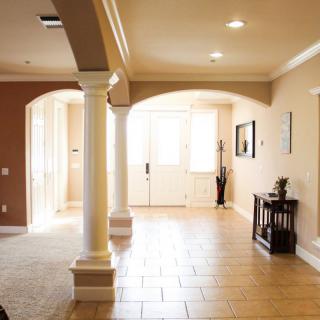






 Comprehensive Insights into Activities of Daily Living (ADLs) and Their Assessment
 Medicare Coverage for Assisted Living: An In-Depth Exploration
 Your Comprehensive Guide to Luxury Assisted Living: Elevated Facilities, Amenities, and Costs