

6851 Beech Avenue, Orangevale, CA 95662
For more information about senior living options: (866) 208-4318
Orange Villas Home Care Costs & Pricing
At Orange Villas Home Care, the monthly cost for a private room is set at $5,000, which positions it above the average costs observed in both Sacramento County and the broader California landscape. In comparison, Sacramento County reports an average monthly cost of $3,686 for similar accommodations, while the state average is slightly higher at $3,939. This pricing reflects the premium services and personalized care that Orange Villas Home Care prides itself on providing to its residents. The investment made by families in this facility underscores a commitment to obtaining high-quality support and a nurturing environment tailored to individual needs.
| Floor plans | Orange Villas Home Care | Sacramento County | California |
|---|---|---|---|
| Private | $5,000 | $3,686 | $3,939 |
Assisted Living communities with a similar price nearby
-
from -$500 / mo
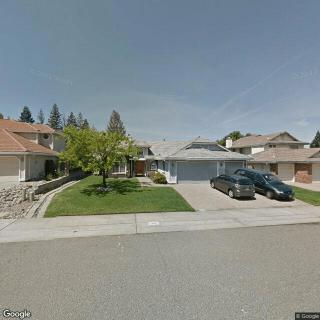
Montclair Villa
$4,500 / month6.4 miles away -
About the same

Bethesda Senior Care
$5,000 / month1.4 miles away -
About the same
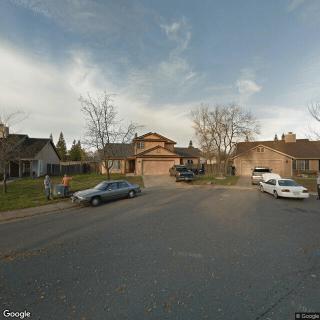
Friendly Care Home II
$5,000 / month0.8 miles away -
from -$500 / mo

Sunriver Senior Care
$4,500 / month4.8 miles away -
from -$850 / mo
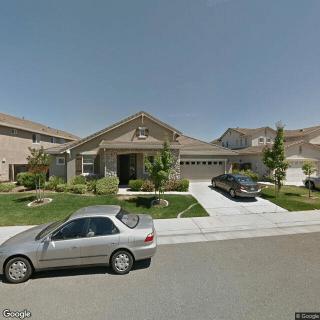
Ferrari
$4,150 to $5,500 / month12.3 miles away
Overall Review of Orange Villas Home Care
Pros
 The mother has been at Orange Villa for over a year, and the family couldn’t be happier.
- The mother loves the staff, who provide a homey and positive environment for residents.
Review
Orange Villas Home Care in Orangevale is best suited for families seeking a genuinely home-like setting where seniors are cared for with personal warmth and continuity. The small, intimate vibe matters: residents interact with a stable team of caregivers who become familiar faces, not a revolving cast. This is a setting where routines feel predictable and comfort is prioritized over a bustling, hospital-like ambience. For older adults who prize dignity, friendly daily contact, and a sense of belonging within a tight-knit community, Orange Villas offers a compelling match.
That said, there are clear reasons to consider alternatives. Families addressing higher-acuity needs, such as extensive medical oversight, 24/7 skilled nursing, or dementia-specific memory care, may find other options better aligned with clinical requirements. Larger assisted living campuses often provide broader on-site therapies, transportation networks, and more varied programming. Homes with more substantial staffing or dedicated memory-care wings can deliver a different level of structure. When emphasis is on robust clinical services and a wider menu of services, it’s prudent to explore those paths.
The strongest pros here revolve around staff relationships and a homey, positive atmosphere. A resident’s own family notes that their loved one “loves the staff” and thrives in a setting that feels like home rather than a clinical facility. This emotional warmth translates into daily interactions that can reduce anxiety, improve engagement, and foster a sense of safety. A long-tenured environment, staff members who have been surrounding residents for extended periods, also supports consistency, fewer shifts in caregivers, and the trust that comes from known, dependable faces. For seniors who respond best to personal attention and a gentle pace, these are powerful, differentiating advantages.
Those advantages offset potential drawbacks by centering care around relationship-based support rather than volume-based services. In small, home-like settings, the risk of isolation often drops when staff know residents’ preferences, histories, and triggers. The flip side is the likelihood of more limited on-site amenities, fewer specialized programs, and less immediate access to advanced clinical care. Yet for residents who prioritize comfort, continuity, and a warm daily routine, the benefits of strong caregiving relationships and a pleasant environment frequently outweigh any gaps in capacity. The outcome is a higher quality of life for those who fit the profile.
Families evaluating options should probe practical elements that influence day-to-day livability. Confirm staffing ratios across day and evening shifts, understand how medication management is handled, and verify the availability of visits with medical professionals or on-site nursing support. Inquire about meal quality and flexibility, housekeeping and laundry benchmarks, and how transportation to appointments and social activities is organized. Ask about activity calendars, guest visitation policies, and opportunities for family involvement. Most importantly, request a visit to observe caregiver-resident interactions and to gauge whether the atmosphere truly aligns with the resident’s personality and needs.
The bottom line is clear: Orange Villas Home Care excels for seniors who want a sincere, home-centered experience with caregivers who form real, positive bonds with residents. It is a strong fit for families prioritizing emotional well-being, stability, and a comforting daily rhythm over a broad spectrum of clinical services. If the priority shifts toward comprehensive medical oversight, specialized memory care, or extensive programming, alternatives deserve serious consideration. For the right match, this community delivers a quietly powerful quality of life rooted in care, consistency, and a true sense of belonging.
 6 resident community capacity
 Assisted Living
 Board and Care Home
 Activities off-site
 Beautician on-site
 Cable or satellite TV
 Dining room
 Fully furnished
 Garden
 Housekeeping services
 Indoor common areas
 Move-in coordination
 Outdoor common areas
 Private
 Private bathrooms
 Respite or short term stays offered
 Telephone
 Wheelchair accessible showers
 Wi-Fi/high-speed internet available
 Sacramento International (19 miles away)
 24-hour supervision
 Ambulatory care
 Assistance with bathing
 Assistance with dressing
 Assistance with transfers
 Diabetes diet
 High acuity care
 Incontinence care
 Meal preparation and service
 Medication management
 Special dietary restrictions
 Transportation arrangement (medical)
 Transportation to doctors appointments




 8 Key Indicators That Suggest It May Be Time to Transition from Assisted Living to Skilled Nursing Care
 Vibrant Senior Living: A Comprehensive Guide for Active Older Adults
 When to Transition from Assisted Living to Memory Care: Key Indicators, Steps, and Finding the Right Community