
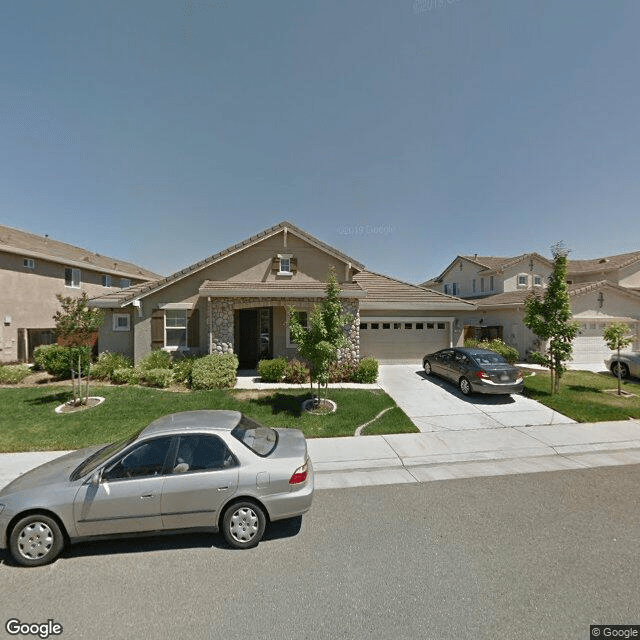
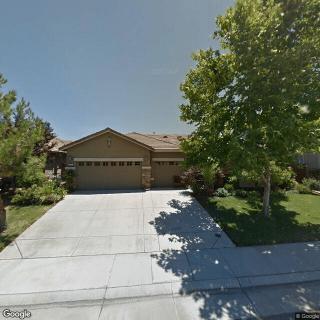
1462 Eaglesfield Lane, Lincoln, CA 95648
For more information about senior living options: (866) 208-4318
Ferrari Costs & Pricing
When comparing the monthly costs of care at Ferrari to those in Placer County and across California, it becomes evident that Ferrari positions itself at a higher price point. For semi-private accommodations, residents can expect to pay between $4,150 and $4,500, significantly exceeding the averages of $3,489 in Placer County and $3,333 statewide. Similarly, the private room rates at Ferrari range from $5,150 to $5,500, which surpasses both the county's average of $4,026 and California's overall average of $3,939. These figures suggest that Ferrari may offer enhanced services or amenities that justify its premium pricing in comparison to local and state averages.
| Floor plans | Ferrari | Placer County | California |
|---|---|---|---|
| Semi-Private | $4,150 to $4,500 | $3,489 | $3,333 |
| Private | $5,150 to $5,500 | $4,026 | $3,939 |
Memory care communities with a similar price nearby
-
from -$150 / mo
Sungarden Villa II
$4,000 / month11.4 miles away -
from +$350 / mo
Sunriver Senior Care
$4,500 / month16.1 miles away -
from -$150 / mo
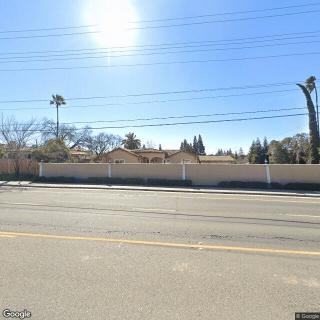
Ashley Villa
$4,000 / month15.3 miles away -
from -$150 / mo
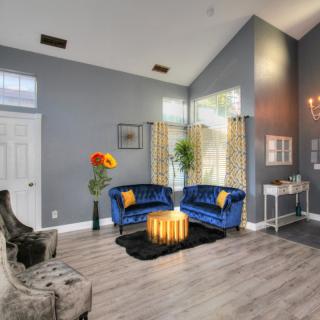
A Bright Future
$4,000 / month9.7 miles away -
from +$650 / mo
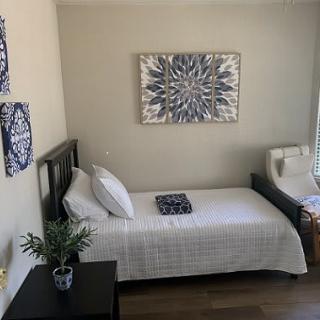
Mountain View Senior Care
$4,800 / month5.7 miles away
Overall Review of Ferrari
Pros
 The Ferrari RCFE care team provides exceptional, compassionate care that feels like family.
- The home is lovely and well configured for high-quality resident care.
- Care is personalized to each resident’s needs, with inclusive daily activities.
- The staff consistently goes above and beyond, delivering extraordinary care for residents and their families.
- Coordination with Sutter Hospice is seamless, offering added comfort to families.
- Marivel and her team are professional, knowledgeable, and deeply devoted to residents’ well-being.
- The meals are fresh and homemade, contributing to residents’ comfort and happiness.
Review
Ferrari RCFE in Lincoln is best suited for families seeking an intimate, home-like setting where end-of-life and memory-care needs are met with extraordinary warmth. This community shines when care is personalized, and when a loved one requires holistic support that feels like family rather than a clinical placement. The strongest case rests on Marivel and her caregiving team, whose deep commitment translates into a daily environment where residents participate according to ability, and where hospice coordination is seamless. The house itself supports high-touch care: a calm, clean atmosphere, meals prepared in-house, and a schedule that prioritizes meaningful activity and relational connection.
Those who should consider alternatives are families facing needs that exceed what a smaller RCFE typically delivers. If a loved one requires aggressive medical management, regular on-site physician oversight, or memory-care programming with large-scale staffing corridors and structured, regimented activities, a larger facility or hospital-affiliated option may be a better match. Families on tight budgets or seeking lower monthly costs might also explore options with more standardized care tiers and broader insurance coverage. Additionally, if consistent, centralized leadership beyond a single owner-operator is a priority, a bigger community with deeper administrative depth could provide greater redundancy.
The clear advantages here, exceptional compassion, highly personalized attention, and coordinated hospice integration, offset several potential concerns. The care team feels like an extended family, not a distant provider, which translates into responsive, respectful communication with families and residents alike. Open, honest dialogue with family members is a hallmark, ensuring that care plans adjust as needs evolve. The home environment, cleanliness, and quality of meals further bolster the overall well-being of residents, particularly those with dementia or advanced frailty who benefit from familiarity and routine. In short, the pros deliver tangible comfort, dignity, and continuity that are hard to match in larger, more impersonal settings.
From a practical vantage point, the end-of-life and dementia-care strengths are the central value proposition. Testimonies consistently highlight how Marivel’s leadership and her staff go beyond the call of duty, singing to a patient, coordinating with Sutter Hospice, and maintaining a level of attention that makes families feel supported during stressful times. The consistency of care, the sense that staff know each resident’s preferences, and the willingness to accommodate family dynamics reduce anxiety for both residents and their relatives. The downside, if any, tends to be the inherent limitations of a smaller, owner-led operation: potential scalability concerns, and reliance on a tight-knit team rather than a broad, institutional staff. When hospice care is central, these trade-offs often feel like a worthwhile balance.
For families weighing the decision, Ferrari stands out for those who value a highly personalized, family-oriented atmosphere where compassionate care is easy to witness and confirm through firsthand experience. If the goal is a peaceful, dignified environment with a strong emphasis on nutrition, daily meaningful activities, and transparent communication with caregivers, this community earns strong consideration. Conversely, if the priority is heavy medical infrastructure, large-scale social programming, or cost-driven choices, alternatives deserve equal scrutiny. A visit to the home, conversations with Marivel, and direct questions about staffing ratios, memory-care protocols, and hospice partnerships will reveal whether Ferrari aligns with the specific care arc required.
In sum, Ferrari RCFE is a compelling option for families seeking an intimate care setting that treats residents like family and leverages hospice collaboration to deliver comfort and continuity. The compelling narratives of care, food, and daily life point to a place where a loved one can receive attentive, dignified support in a Lincoln home that feels nothing like a clinical institution. For those whose priorities include personalized attention, open family communication, and a warm, well-run household atmosphere, Ferrari is not just worthy of consideration, it can be the kind of decision that yields lasting relief for families navigating difficult transitions.
 6 resident community capacity
 Assisted Living
 Board and Care Home
 Memory Care
 Cats allowed
 Dogs allowed
 Activities off-site
 Bath tubs
 Cable or satellite TV
 Devotional services off-site
 Dining room
 Fully furnished
 Garden
 Housekeeping services
 Indoor common areas
 Move-in coordination
 Outdoor common areas
 Private
 Private bathrooms
 Telephone
 Wi-Fi/high-speed internet available
 Sacramento International (19 miles away)
 24-hour supervision
 Assistance with bathing
 Assistance with dressing
 Assistance with transfers
 Diabetes diet
 Diabetic care
 High acuity care
 Incontinence care
 Meal preparation and service
 Medication management
 Special dietary restrictions
 Transportation arrangement (medical)
 Transportation to doctors appointments
 An In-Depth Look at Reminiscence Therapy in Dementia Care
 Dementia-Related Hallucinations: Causes, Experiences, and Practical Approaches
 Illuminating Insights About Alzheimer's Disease: Ten Crucial Realities