
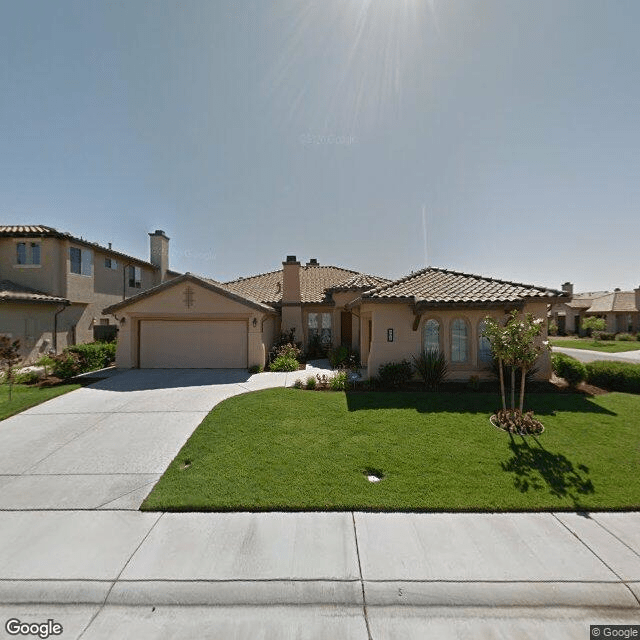
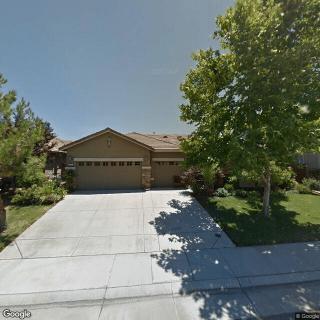
501 Heathmore Court, Lincoln, CA 95648
For more information about senior living options: (866) 208-4318
Sunshine Senior Care Costs & Pricing
At Sunshine Senior Care, residents benefit from competitive pricing that stands out in both Placer County and the broader California market. For a semi-private room, the monthly cost is $2,500, significantly lower than the county average of $3,489 and the state average of $3,333. Similarly, our private rooms are priced at $3,250, which compares favorably against Placer County's rate of $4,026 and California's state average of $3,939. This commitment to affordability ensures that our residents receive quality care without compromising their financial well-being.
| Floor plans | Sunshine Senior Care | Placer County | California |
|---|---|---|---|
| Semi-Private | $2,500 | $3,489 | $3,333 |
| Private | $3,250 | $4,026 | $3,939 |
Memory care communities with a similar price nearby
-
About the same
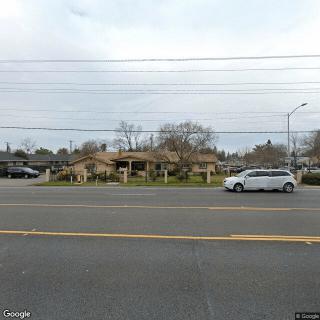
Eastern Manor
$2,500 to $3,000 / month17.4 miles away -
About the same
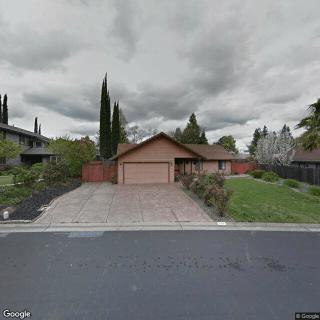
A.R.C. Manor of Folsom
$2,500 to $3,500 / month13.7 miles away -
from +$300 / mo

American River Care Home
$2,800 to $3,000 / month17.1 miles away -
About the same
Loomis Home Care
$2,500 to $4,000 / month9.3 miles away -
from +$100 / mo
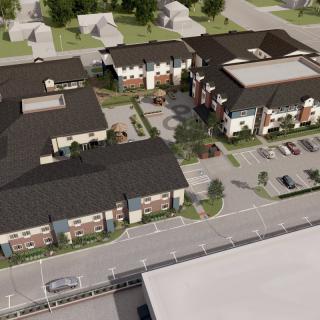
Summerset Lincoln Memory Care
$2,600 to $5,000 / month3.8 miles away
Overall Review of Sunshine Senior Care
Pros
 Maria's compassionate nature and unwavering support made all the difference in the final moments.
- She is a beacon of kindness and empathy, making Helen and her family feel seen and valued.
- Her warm, friendly, and knowledgeable demeanor creates a warm, familiar environment.
- She navigates care with grace and expertise, explaining what to expect with patience.
- Her reassuring touch conveys care beyond words and brings peace to the family.
- She approaches each shift as a calling, ensuring residents feel safe and cherished.
- Vicky has the biggest heart and genuinely cares for residents.
- The staff provide attentive end-of-life care, guiding families with care through difficult moments.
- The facility is very clean and well-maintained, with excellent meals and friendly staff.
- The home is in a nice neighborhood, small and intimate, offering a welcoming atmosphere.
Cons
 The reviewer notes that there are no planned activities at the home.
- The reviewer mentions that a couple of residents are comatose and require a lot of care, leaving little to no opportunities for engagement.
Review
Sunshine Senior Care is best suited for families seeking a small, home-like setting where caregiving is intensely personal and relationships with staff are central to daily life. The strongest fit is for residents who value consistent, compassionate attention and dignity in everyday routines, and for families who prioritize a warm, peaceful environment during sensitive moments. The setting tends to emphasize safety, cleanliness, and a familiar rhythm that can make daily life feel predictable and comfortable. In short, Sunshine shines for those who want heartfelt, individualized care over a broad menu of formal programs.
Those who may want to consider alternatives are families looking for broad daily programming, robust social activities, or specialized medical oversight. A larger community with scheduled outings, diverse classes, and more extensive therapy options can provide a different kind of engagement, particularly for residents who crave constant stimulation and a busier social calendar. If memory-care or highly structured medical supervision is needed, or if the resident benefits from a wider network of on-site specialists, exploring other options may yield better alignment with expectations and goals.
The primary advantages, intimacy, clear caregiver attention, and a calm, clean environment, often offset the drawbacks that come with a smaller operation. A devoted, relationship-focused staff makes it possible to tailor routines to individual needs, monitor comfort closely, and communicate with families in a trustworthy, timely manner. When care is deeply personalized, the benefits show up as greater dignity in daily activities, more consistent hygiene and presentation, and meals that feel thoughtful and home-oriented. End-of-life moments, in particular, can be supported with a level of continuity and warmth that larger centers struggle to reproduce.
Another compelling pro is the quality of day-to-day maintenance and hospitality. Small-size settings frequently excel at keeping residents clean, comfortable, and visually well-cared-for, with attention to unobtrusive details like grooming and the overall appearance of the living spaces. This approach reduces the sense of institutional distance and reinforces a feeling of safety and belonging. Families often report that staff come across as genuinely nice and easy to work with, which translates into smoother coordination, fewer misunderstandings, and a sense that loved ones are known as individuals, not just residents.
That said, readers should anticipate certain trade-offs. The intimate model can limit the breadth of on-site activities and structured programming, which may leave some residents feeling less engaged if a robust social calendar is a priority. Rooms in small homes can be compact, and a resident who values spacious accommodations or needs a lot of mobility equipment may find options more constrained than in larger campuses. It’s important to confirm what the daily schedule looks like, what kinds of activities are available, and how flexible the routine can be to accommodate changing needs and interests.
The practical decision comes down to matching core priorities with the realities of a smaller, more personal setting. For families prioritizing warmth, dignity, and a steady, predictable care environment, Sunshine offers a compelling equation: compassionate caregivers, clean and comfortable spaces, and steady communication that keeps families in the loop. For those who want a busier social scene, more formal programming, or intensive medical oversight, it may be worth exploring other communities that can deliver a broader spectrum of services and activities. A thoughtful visit, watch how staff interact with residents, observe the atmosphere during peak times, and ask for sample menus and daily routines, will reveal how well Sunshine aligns with the resident’s goals and the family’s expectations.
 6 resident community capacity
 Assisted Living
 Board and Care Home
 Memory Care
 Activities on-site
 Bath tubs
 Beautician on-site
 Cable or satellite TV
 Devotional services on-site
 Dining room
 Fully furnished
 Garden
 Housekeeping services
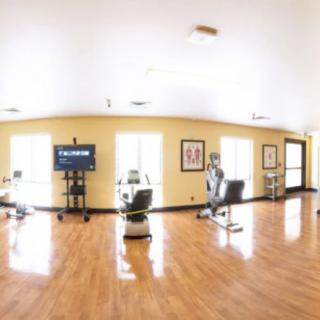
 Indoor common areas
 Move-in coordination
 Outdoor common areas
 Private
 Private bathrooms
 Respite or short term stays offered
 Swimming pool / hot tub
 Telephone
 Wi-Fi/high-speed internet available
 Sacramento International (19 miles away)
 24-hour supervision
 Ambulatory care
 Assistance with bathing
 Assistance with dressing
 Assistance with transfers
 Diabetes diet
 High acuity care
 Incontinence care
 Meal preparation and service
 Medication management
 Special dietary restrictions
 Transportation arrangement (medical)
 Transportation to doctors appointments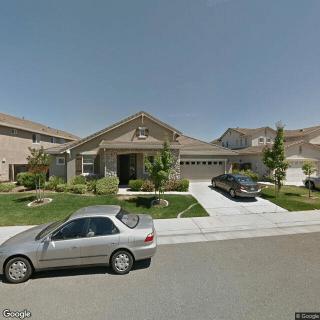

 22 Remarkable Caregiver Support Groups Available Online and In-Person
 Understanding Medicaid Coverage for Assisted Living: A Comprehensive Guide
 How and When Medicaid May Cover Assisted Living Costs