

27671 Miami Avenue, Hayward, CA 94545
To contact a resident: (510) 265-1530
For more information about senior living options: (866) 208-4318
Pacific Care Home Costs & Pricing
Pacific Care Home offers competitive pricing for its residents when compared to both Alameda County and the broader state of California. The monthly cost for a studio apartment at Pacific Care Home is $3,355, significantly lower than the county average of $4,532 and the state average of $4,145. Similarly, one-bedroom units are priced at $3,575, which again undercuts both the county's $4,644 and California's $4,340 average. For those seeking more spacious accommodations, the two-bedroom option at Pacific Care Home is available for $4,450 - still more affordable than Alameda County's average of $5,099 and California's overall average of $5,270. This cost structure underscores Pacific Care Home's commitment to providing quality care while maintaining affordability in an area where living expenses can be quite high.
| Floor plans | Pacific Care Home | Alameda County | California |
|---|---|---|---|
| Studio | $3,355 | $4,532 | $4,145 |
| 1 Bedroom | $3,575 | $4,644 | $4,340 |
| 2 Bedrooms | $4,450 | $5,099 | $5,270 |
Senior living communities with a similar price nearby
-
from -$355 / mo

Golden Harmony Elderly Care
$3,000 / month24.0 miles away -
from -$655 / mo

Home Instead Senior Care
$2,700 to $3,400 / month12.3 miles away -
from -$455 / mo
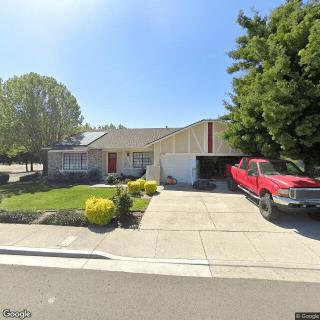
Parkside Manor
$2,900 to $3,600 / month11.0 miles away -
from +$145 / mo
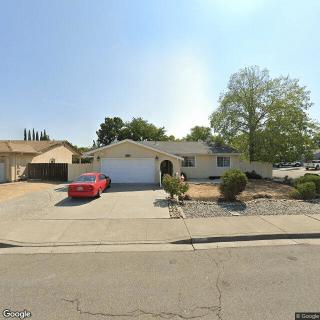
Gigi's Guest Home
$3,500 / month15.6 miles away -
from -$355 / mo

Palm Garden Home Care
$3,000 to $4,000 / month14.6 miles away
Overall Review of Pacific Care Home
Pros
 They are grateful for the care their dad received at Pacific Care Home.
- Pacific Care Home provided a much safer environment for their dad after his injuries.
- The caregivers are friendly and kind.
- The home is clean and sunny.
- It is a delightful place to visit a loved one.
- They would highly recommend Pacific Care Home for a mom or dad.
Cons
 He fell twice in two weeks while receiving at-home care.
- He required 17 stitches on his head from those falls.
- He fractured a hip as a result of the incidents, indicating the prior at-home care was unsafe.
Review
Pacific Care Home in Hayward is best suited for families seeking a safer, more homelike transition for an older adult who has recently experienced serious falls and injury. The setting is described as clean and sunny, with caregivers who are friendly and attentive, and a visiting atmosphere that makes it easy to spend time with a loved one. The core need met here is safety without sacrificing warmth: a smaller, home-like environment where staff can provide close supervision and compassionate support, reducing the risk of further accidents while maintaining a personal, family-friendly feel.
Alternatives should be considered for families whose loved one requires more intensive medical oversight, 24/7 nursing support, or structured rehabilitation that goes beyond what a typical assisted living home delivers. If independence remains a priority, or if a larger community with a broader activity slate and more on-site medical resources is desired, exploring other options may be prudent. Memory care needs, complex wound care, or specialized therapies could also push families toward facilities with dedicated medical staffing and certification. In short: when safety and a home-like environment are not enough, facilities with added medical capacity become compelling.
From the available feedback, the standout strengths are clear: a safe, clean, sunny home and a staff that communicates warmth. These elements directly address the chief concern after a fall and hip injury, protecting a vulnerable parent in a setting that feels welcoming to both residents and visitors. The care team's friendliness translates into practical daily benefits, including closer supervision, timely assistance, and more predictable routines. A tidy, inviting environment lowers stress for families during visits and supports overall well-being for residents. In a decision framework, these pros are not cosmetic; they are the practical buffers against re-injury and isolation.
However, the single review leaves questions about medical oversight, rehab services, and daily programming unanswered. If the need is for high-touch medical management or frequent therapy sessions, verification of staffing levels, on-site nurses, and care plans is essential. The absence of detailed information on activities and structured schedules means family members should seek specifics during tours. The balance between safety and independence also matters: cheerful spaces and friendly caregivers are valuable, but clear expectations about medication management, fall-prevention routines, and contingency care if health declines are critical to avoid disappointment later. These gaps are exactly what due diligence should uncover.
Compared with alternatives that emphasize robust medical support, Pacific Care Home appears to deliver the safety net and warmth that families prioritize in transitioning from home care after a fall. The proven mix of cleanliness, a sunny ambiance, and approachable staff can offset the emotional and logistical strain of caregiving by creating a predictable, compassionate daily rhythm. The absence of disclosed negatives in the single review is encouraging, but it cannot substitute for a proactive assessment of care protocols, staffing ratios, and emergency procedures. For families choosing between options, the equation becomes: do safety and a homey, visit-friendly environment meet the anticipated care level, or is more medical infrastructure non-negotiable?
Bottom line: Pacific Care Home presents a compelling case for families prioritizing safety, a home-like atmosphere, and staff warmth in the Hayward area. It operates as a strong fit for a loved one who has recently moved from home care due to falls and the need for safer supervision, with the added benefit of a place that invites regular visits. If those are the decisive factors, a direct tour and concrete inquiries about staffing, medical services, and individualized care plans should seal the choice. If the required level of medical oversight or rehab programming cannot be matched, alternatives with deeper clinical resources should be pursued without delay.
 Board and Care Home
 Metropolitan Oakland International (10 miles away)




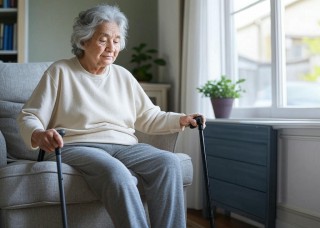 Comprehensive Insights and Practical Strategies to Help Older Adults Avoid Falls
 6 Crucial Ways an Elder Law Attorney Assists Families
 Navigating the Tax Landscape of Caregiving: Credits, Deductions, and Beyond