
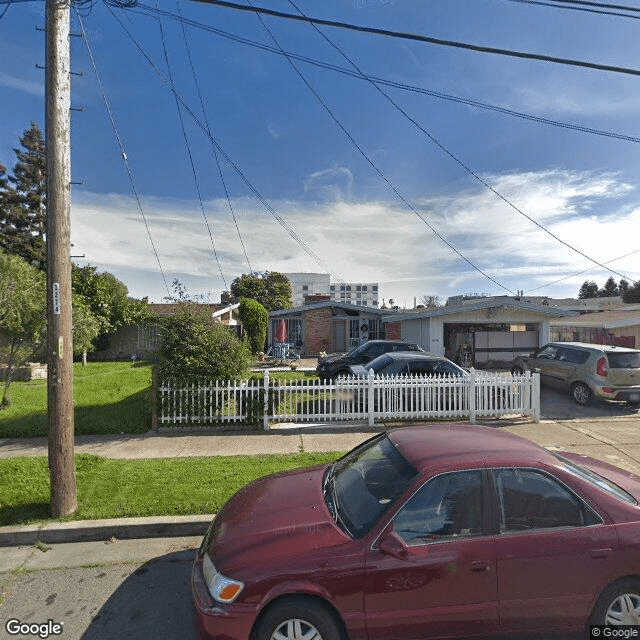
1626 Ashbury Lane, Hayward, CA 94545
For more information about senior living options: (866) 208-4318
St. Lourdes Home Costs & Pricing
St. Lourdes Home presents a compelling value proposition for families seeking care, with its monthly costs notably lower than both Alameda County and the broader California averages. The semi-private rooms at St. Lourdes are priced at $2,000, significantly undercutting the county's average of $3,273 and the state average of $3,333. Likewise, for those interested in private accommodations, St. Lourdes offers a competitive rate of $3,000 per month, compared to Alameda County's average of $3,748 and California's average of $3,939. This pricing structure positions St. Lourdes Home as an attractive option for individuals seeking quality care without overstretching their financial resources.
| Floor plans | St. Lourdes Home | Alameda County | California |
|---|---|---|---|
| Semi-Private | $2,000 | $3,273 | $3,333 |
| Private | $3,000 | $3,748 | $3,939 |
Memory care communities with a similar price nearby
-
About the same
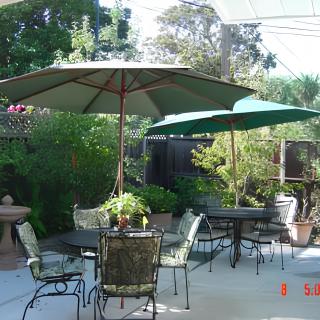
Sunny Orchard Place
$1,995 to $3,700 / month19.4 miles away -
from -$225 / mo
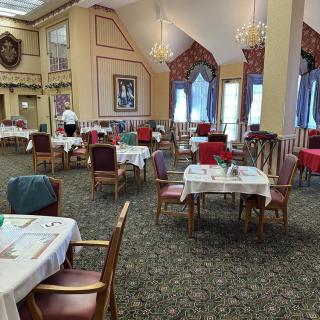
El Cerrito Royale
$1,775 to $3,775 / month23.2 miles away -
from +$222 / mo
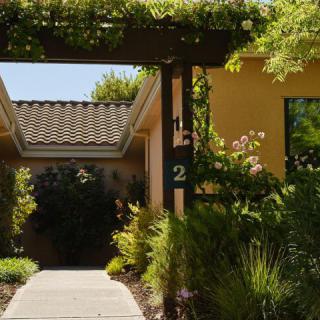
The Forum At Rancho San Antonio
$2,222 / month20.5 miles away -
About the same
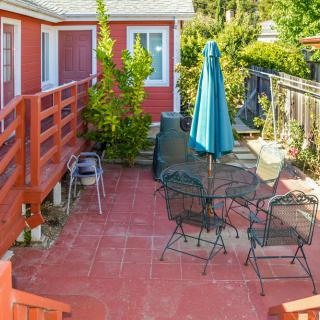
Heritage Hills
$2,000 to $3,800 / month17.6 miles away -
from -$100 / mo
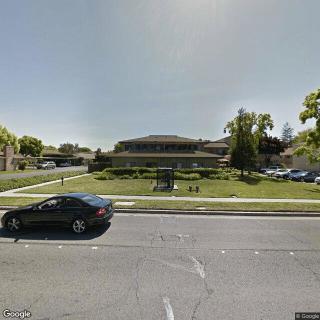
Concord Royale
$1,900 to $4,900 / month23.4 miles away
Overall Review of St. Lourdes Home
Pros
 The quality of care at Astera is exceptional.
- The staff are professional and caring.
- The facility is immaculately clean and comfortable.
- Sharon and her team provide a clean, homey environment with professional care.
- The grounds feature two vegetable gardens, fruit trees, a backyard patio, and artificial turf for residents to enjoy.
- The staff coordinate picnics in the backyard during warm weather, and residents dine together at scheduled meals in a common room.
Review
St. Lourdes Home in Hayward is best suited for seniors who want a clean, home-like assisted living experience with highly engaged, professional staff and a built-in social rhythm. The reviews show a facility where care is hands-on and personable: help with dressing, bathing, restroom needs, and medicine management is coordinated in a setting that emphasizes everyday activity and interaction. Residents eat together at scheduled meals, share time in a common family room, and enjoy outdoor touches such as two vegetable gardens, a patio, and artificial turf. For families seeking a warm, communal environment where caregivers actively engage residents and maintain a bright, orderly atmosphere, this community checks those boxes.
Those who may want to consider alternatives are residents whose needs extend beyond routine assisted living. If 24/7 nursing oversight, more intensive medical intervention, or dedicated memory-care programming are essential, other communities with stronger on-site clinical staffing could be a better fit. Similarly, families prioritizing high privacy, flexible quiet time, or a broader array of independent living options might find the socially oriented dining and group-activity model less aligned with their preferences. And because the feedback comes from only two reviews, there is limited external validation of longer-term outcomes; a visit is a must to confirm fit.
The strongest positives, exceptional care quality, professional and caring staff, and a spotless, homey environment, play a decisive role in offsetting the absence of a broader public data trail. The consistency of care, the visible attention to cleanliness, and the interactive culture among staff and residents collectively reduce isolation and elevate daily living. The well-maintained outdoor spaces and the emphasis on shared meals and social time further amplify safety and well-being, especially for residents who benefit from routine, structure, and companionship. These elements together create a compelling argument for choosing St. Lourdes if the priority is a proven, person-centered approach rather than a clinical, impersonal setting.
A second pillar of appeal lies in how care is delivered to those with Parkinson’s and similar needs. The reviews note that the facility can accommodate exercise and daily living tasks, with staff ready to assist with dressing, bathing, medicine management, and laundry, while fostering a sense of belonging through communal activities. The incorporation of gardens and outdoor areas also supports physical activity and mood, which matters for chronic conditions where mobility and motivation can waver. For families who want assurance that a loved one will be treated with dignity in a clean, safe environment and who value a warm, social atmosphere, St. Lourdes offers a practical alignment of values and services.
However, there are legitimate decision cautions to balance. The data set is small, and no explicit detail is provided on nursing ratios, on-site medical capabilities, or the breadth of memory-care programming. Prospective residents should verify staffing levels, clinical oversight, emergency protocols, and whether rehabilitation services (physical therapy, occupational therapy) are readily available. The emphasis on shared meals and living spaces can be wonderful for social engagement but may feel less private for those who prize quiet or who require flexible, individualized routines. These gaps are not fatal, but they define the exact decision framework families should apply.
In conclusion, St. Lourdes Home emerges as a strong, practical choice for seniors who value cleanliness, a caring, interactive staff, and a vibrant, family-like living environment with meaningful daily routines. It is particularly well suited for residents with Parkinson’s or similar daily-living needs who thrive on social engagement and structured meals. Those seeking intensive medical care, highly private settings, or expansive independent living options should screen alternatives and plan a thorough visit to compare staffing, programming, and cost. For families ready to verify fit, arrange a tour, observe resident-staff interactions, and probe care planning, daily routines, and outdoor programming, the core elements that define whether this home delivers the practical, compassionate senior living solution sought.
 6 resident community capacity
 Assisted Living
 Board and Care Home
 Memory Care
 Cats allowed
 Dogs allowed
 Cable or satellite TV
 Dining room
 Fully furnished
 Garden
 Housekeeping services
 Move-in coordination
 Outdoor space
 Private
 Private bathrooms
 Telephone
 Wi-Fi/high-speed internet available
 Metropolitan Oakland International (9 miles away)
 24-hour supervision
 Activities of daily living assistance
 Ambulatory care
 Assistance with bathing
 Assistance with dressing
 Assistance with transfers
 Diabetes diet
 Diabetic care
 High acuity care
 Meal preparation and service
 Medication management
 Special dietary restrictions
 Transportation arrangement (medical)
 Transportation to doctors appointments



 Engaging Memory Care Activities That Enhance Quality of Life
 When to Transition from Assisted Living to Memory Care: Key Indicators, Steps, and Finding the Right Community
 Understanding the Distinctions: Assisted Living and Memory Care Explained