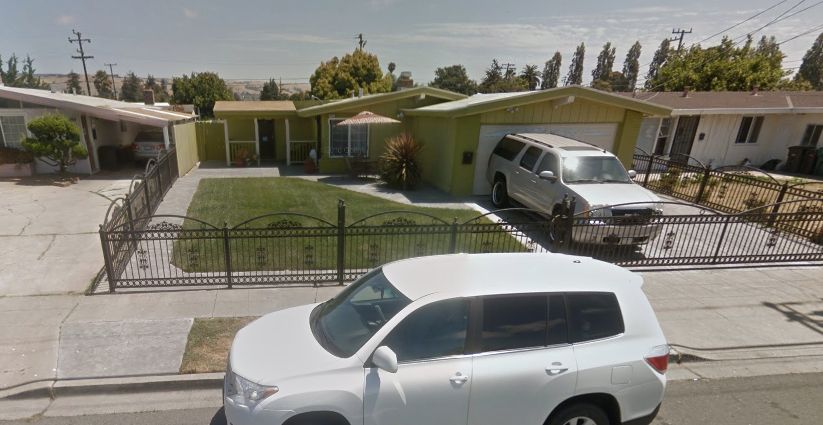
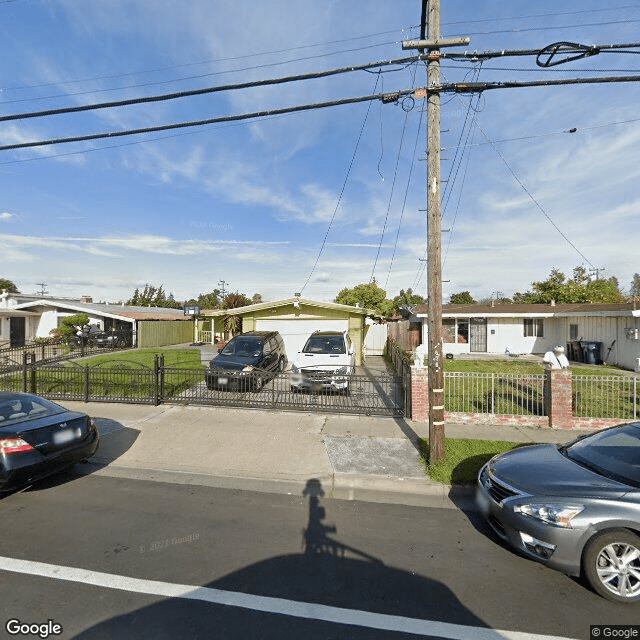
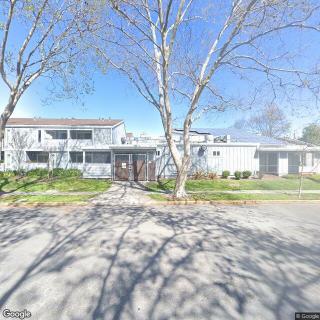
27472 Calaroga Avenue, Hayward, CA 94545
For more information about senior living options: (866) 208-4318
House Of Ruth Elderly Care Home Costs & Pricing
At House of Ruth Elderly Care Home, the costs reflect a thoughtful approach to providing quality care in a supportive environment. For a semi-private room, residents can expect to pay $3,000 per month, which is notably lower than the average rates in both Alameda County ($3,273) and the broader state of California ($3,333). When it comes to one-bedroom accommodations, the monthly rate aligns at $5,000 - higher than Alameda County's average of $4,644 but slightly above California's overall figure of $4,340. Additionally, for those seeking private rooms, House of Ruth offers this option at the same rate of $5,000; while this is above Alameda County's average of $3,748 and California's average of $3,939, it reflects the enhanced personalized care and services provided. Overall, these costs position House of Ruth as an attractive option within the local elder care landscape.
| Floor plans | House Of Ruth Elderly Care Home | Alameda County | California |
|---|---|---|---|
| Semi-Private | $3,000 | $3,273 | $3,333 |
| 1 Bedroom | $5,000 | $4,644 | $4,340 |
| Private | $5,000 | $3,748 | $3,939 |
Memory care communities with a similar price nearby
-
from +$195 / mo
Harbor Bay Assisted Living
$3,195 to $5,000 / month11.9 miles away -
from -$500 / mo

San Carlos Elms
$2,500 to $5,880 / month12.8 miles away -
from +$500 / mo
East Bay Assisted Living
$3,500 to $5,000 / month14.1 miles away -
from -$500 / mo
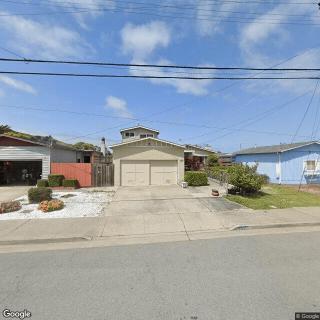
Oceanside Board and Care II
$2,500 to $3,000 / month21.6 miles away -
from +$159 / mo

Moldaw Family Residences a CCRC
$3,159 to $4,381 / month14.4 miles away
Overall Review of House Of Ruth Elderly Care Home
Pros
 The owner and staff were very nice.
- They were very kind to her mother-in-law.
- The place was always clean.
- The owner was warm and welcoming.
- The owner was hands-on, cooking for the clients.
- The caregivers are pretty friendly.
Cons
 They called a lot about her care.
- They could do a little more without needing us.
- They raised the price soon after they moved in.
Review
House Of Ruth Elderly Care Home in Hayward is best suited for families seeking a small, hands-on, home-like setting where the owner personally oversees daily care and meals are prepared on-site. It works well for seniors who value warmth, direct communication, and a clean, welcoming environment over clinical polish or a large campus feel. This option tends to fit residents with moderate care needs who do not require round-the-clock nursing, and for families prioritizing affordability wrapped in a reassuring, intimate atmosphere. Those needing heavy medical oversight, complex clinical services, or a strictly predictable price structure should consider alternatives.
The strongest points live in the hands-on leadership and the lived-in calm of the home. The owner is consistently present, cooking for clients and supervising day-to-day operations in a way that translates into rapid, practical problem-solving and a sense that care is personal rather than outsourced. Cleanliness is a recurring theme across visits, and the staff come across as kind and attentive, reinforcing trust that a loved one will be treated with respect. Families report their relatives are well fed, and the setting supports gentle, engaging activities, like painting, that help maintain routine and social connection without turning the day into a programmatic checklist.
On the downside, pricing and communication dynamics deserve careful scrutiny. Families should anticipate occasional price increases after move-in, which can challenge long-term budget planning even when value is evident in warmth and reliability. Communication is perceived as strong in terms of calls about care, yet several reviewers express a desire for more proactive updates that don’t always require families to prompt staff. Meal quality is not uniformly praised, with some reviews describing meals as “okay” while others emphasize the comfort of home-cooked dishes. The small footprint, while intimate, may limit the breadth of services available if health needs shift or more intensive support becomes necessary.
Those pros offset the main cons to a meaningful extent. The intimate, owner-led model reduces the risk of impersonal care and makes accountability straightforward; families can address issues directly with the person who sets care priorities. A consistently clean environment and an on-site cooking routine contribute to a predictable daily life, which is often more valuable than glossy marketing claims. While price increases are a reality, the perceived value rests in reliable daily care, quick access to leadership, and a sense that a loved one is in a nurturing, closely supervised setting.
This community clearly fits families prioritizing a close-knit, easily navigable option where oversight is practical and relationships matter. Prospective residents who thrive in a homelike atmosphere, with straightforward routines, visible ownership, and opportunities for social engagement through simple activities, will find this a strong match. Those with residents who require significant medical interventions, advanced wound care, or robust memory-care programs should look at larger facilities with on-site nursing staff, dedicated memory-care wings, and more formalized care pathways. Price stability for the long term is another factor to weigh carefully against the appeal of the personal touch.
For families ready to move forward, a deliberate, discovery-focused process is advised. Schedule an in-person tour and speak with the owner about current pricing, what is included, and what triggers any increases. Ask to review a sample care plan, staffing schedule, and a menu to gauge consistency across meals and daily structure. Verify licensing and inspect the living spaces to confirm safety and comfort, particularly if potential changes in health status are anticipated. Request references from current families and observe whether updates about a resident’s status arrive proactively or only upon request. If these checks align with the wish for a warm, under-the-radar setting that treats a loved one with personal attention, House Of Ruth Elderly Care Home represents a credible, grounded option in Hayward.
 6 resident community capacity
 Assisted Living
 Board and Care Home
 Memory Care
 Respite Care
 Activities on-site
 Beautician on-site
 Cable or satellite TV
 Dining room
 Fully furnished
 Garden
 Housekeeping services
 Move-in coordination
 Outdoor space
 Private
 Small library
 Telephone
 Wheelchair accessible showers
 Metropolitan Oakland International (10 miles away)
 24-hour supervision
 Assistance with bathing
 Assistance with dressing
 Assistance with transfers
 Diabetes diet
 Incontinence care
 Meal preparation and service
 Medication management
 Mental wellness program
 Special dietary restrictions


 Memory Care Pathways: A Holistic Guide to Dementia Support
 Comprehending Evening Confusion in Dementia: Causes, Manifestations, and Support
 Delirium and Dementia: Unraveling the Key Differences