

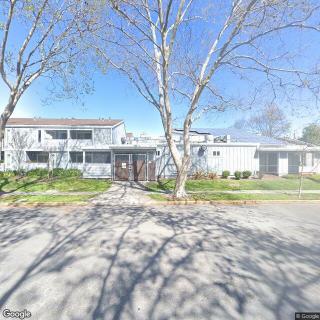
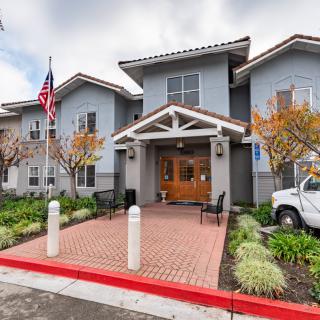
2272 Bolero Avenue, Hayward, CA 94545
To contact a resident: (510) 785-8218
For more information about senior living options: (866) 208-4318
Rayzenn Homes Costs & Pricing
Rayzenn Homes offers competitive pricing for its residential accommodations, presenting a compelling value when compared to both Alameda County and the broader state of California. For semi-private rooms, Rayzenn Homes charges $1,500 per month, significantly lower than the county's average of $3,273 and the state's average of $3,333. Similarly, their private room option at $2,500 is also priced well below the local and state averages of $3,748 and $3,939 respectively. This pricing strategy not only underscores Rayzenn Homes' commitment to affordability but also positions it as an attractive choice for individuals seeking quality housing solutions without overspending.
| Floor plans | Rayzenn Homes | Alameda County | California |
|---|---|---|---|
| Semi-Private | $1,500 | $3,273 | $3,333 |
| Private | $2,500 | $3,748 | $3,939 |
Senior living communities with a similar price nearby
-
from +$275 / mo
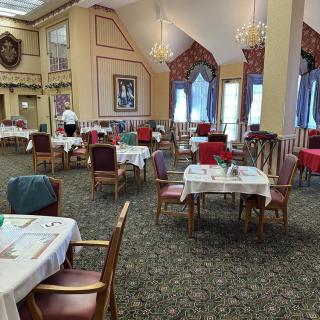
El Cerrito Royale
$1,775 to $3,775 / month23.3 miles away -
from -$134 / mo

The Villa at San Mateo
$1,366 to $1,900 / month12.7 miles away -
from +$100 / mo
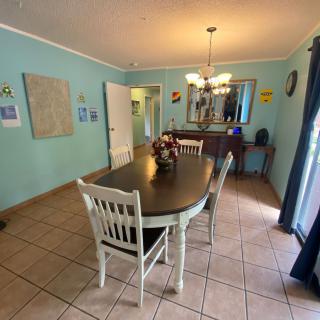
New Alamo Residence Home
$1,600 to $5,500 / month16.0 miles away -
About the same
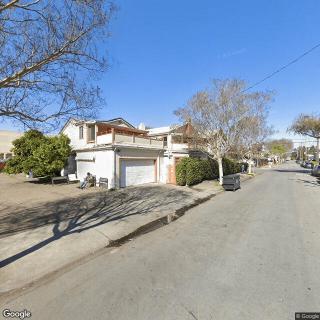
Heritage Haven
$1,500 to $3,000 / month7.2 miles away -
from +$100 / mo
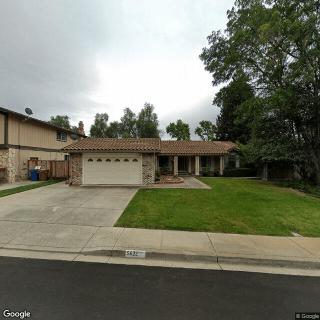
Kainaz Family Care Home
$1,600 to $2,200 / month23.7 miles away
Overall Review of Rayzenn Homes
Pros
 Everything is going well at Rayzenn Homes.
- They like it so far.
- It is very family friendly, which makes it great for visits.
- They have no complaints.
- After the initial transition, grandpa seems to be doing great and enjoying living there.
Review
Rayzenn Homes in Hayward is best suited for families seeking a warm, home-like setting where visits are easy and transitions are managed smoothly. The community reads as family-friendly, emphasizing accessible visitation and a comfortable atmosphere that reduces the emotional burden on caregivers. It is well-matched for residents who want a straightforward, low-stress living arrangement rather than a campus with intensive programming or clinical intensity. For seniors who prize personal connections and a sense of belonging over high-tech amenities, Rayzenn offers a reassuring fit. The resident tone in the reviews is consistently positive, with families reporting that the move-in phase was without friction and that life at Rayzenn feels welcoming from the start.
Those needing specialized medical oversight, memory-care acuity, or an aggressive activity schedule should consider alternatives. While the reviews spotlight a positive transition and ongoing satisfaction, they do not detail the level of nursing staff, care plans, or 24-hour medical support. If care needs are moderate to high, or if a highly structured daily routine and extensive social calendar are essential, a community with explicit memory-care options and clear clinical credentials would be wiser. Prospective buyers should verify care levels, staffing ratios, medication management, and emergency response capabilities before committing, to ensure alignment with the resident’s medical and safety requirements.
Key pros align with the realities families care about: a family-friendly vibe, easy visitation, and a calm transition story. The initial move-in is described as smooth, and the grandparent in residence appears to be thriving after settling in. Those factors translate into tangible benefits: reduced caregiver anxiety, better continuity of daily life, and more reliable contact with loved ones. A homey environment often means fewer hospital-style protocols and more predictable routines, which can pay dividends in mood, regular meals, and overall well-being. The absence of reported friction across multiple accounts reinforces the conclusion that Rayzenn provides a stable, approachable living experience that supports ongoing comfort for residents and peace of mind for families.
Still, the lack of negative feedback in four reviews does not remove the need for diligence. The reviews do not address several practical questions families typically have: daily meal quality and dietary options, activity variety beyond basic socialization, transportation for appointments, and the specifics of what “transition support” entails. There is no explicit testimony about staff-to-resident ratios, response times, or how care plans evolve as needs change. Without this detail, families should obtain a transparent, written summary of services and a sample daily schedule, and compare it against personal expectations and required care levels to avoid surprises after enrollment.
When weighing strengths against the absence of listed drawbacks, the advantages stand out as meaningful offsets. A venue that prioritizes family access and fosters comfortable visits directly mitigates loneliness and isolation risk, a common concern for families balancing care. The successful transition and ongoing resident satisfaction suggest engaged staff, responsive communication, and a supportive culture, elements that often bump quality of life well ahead of purely clinical metrics. In practical terms, Rayzenn’s pros reduce the likelihood that residents feel overwhelmed or disconnected, which in turn lowers caregiver stress and improves long-term feasibility of remaining in the community.
The bottom-line recommendation is clear: Rayzenn Homes is a compelling option for families seeking a warm, visit-friendly environment with a smoothly managed transition for an elder who does not require intensive, specialized medical care. Those who must have memory-specific programming, high-level medical supervision, or a bustling, highly structured activity calendar may want to explore alternatives. Prospective residents should schedule a tour, request a detailed care plan and pricing, and confirm how often families can visit without disrupting routines. If those checks reassure, Rayzenn Homes emerges as a practical, dependable choice that supports comfort, continuity, and peace of mind for loved ones and their caregivers.
 Board and Care Home
 Cats allowed
 Dogs allowed
 Private
 Metropolitan Oakland International (9 miles away)
 Diabetic care


 Comprehensive Exploration of Living Wills and Other Advance Directives
 A Detailed Exploration of Living Wills and Advance Directives
 Comprehensive Guide to Medicare Coverage for Hospice Care