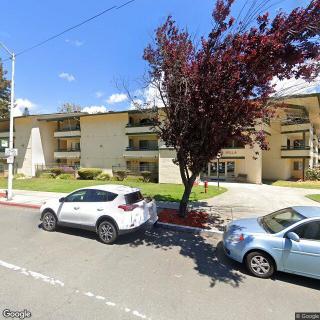
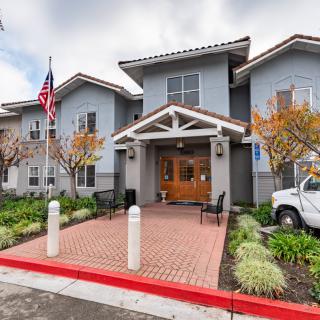
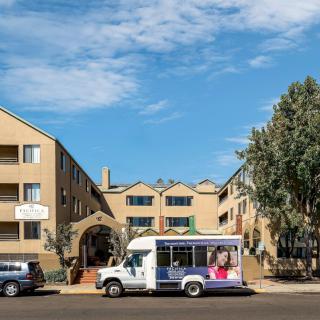
Scott Residential Care Home in Hayward, CA

1127 Scott Place, Hayward, CA 94544

For more information about senior living options: (844) 490-3973

3 from 2 reviews
Assisted Living

What level of care are you interested in?

Assisted Living

Memory Care

Independent Living

Skilled Nursing Facility

Continuing Care Retirement Community (CCRC)CCRC

Other


Request a tour at Scott Residential Care Home

    Overall Review of Scott Residential Care Home

    Pros

    • pro He has been a senior resident at Scott Villa for several years and is treated well and with respect.
    • pro The staff takes good care of him and treats him like family.
    • pro He likes living at Scott Villa.
    • pro Scott Villa and its entire staff receive a thumbs-up.

    Cons

    • pro They didn't even call her husband until she had been missing for two hours.
    • pro She said people were mean there.
    • pro The family would never recommend this place to anyone.

    Review

    Scott Residential Care Home in Hayward is best for families seeking a small, home-like senior setting where a steady team forms real bonds with residents. It suits older adults who mostly need low-to-moderate assistance and who flourish in intimate, person-centered care rather than in a large, impersonal campus. The most persuasive evidence comes from a long-standing resident who is described as well cared for, respected, and treated like family - an arrangement that translates into consistent routines, familiar faces, and a sense of belonging that can ease daily life for both resident and family. For families prioritizing continuity of caregivers and a warm, neighborhood feel, this community delivers a tangible advantage: dependable, personable attention within a compact, approachable environment.

    But the strongest caveat is not tangential; it is existential for many seniors: safety and security. Dementia and wandering risk change the calculus dramatically. One review recounts a resident with dementia walking out a back door and being missing for two hours, with a husband only notified after the lapse. That incident exposes a real vulnerability: the lack of a robust wander-management system, secure exits, and rapid, family-inclusive communication during emergencies. Families balancing memory-care needs or seeking a setting with hardened safety protocols should seriously consider alternatives that offer secured grounds, heightened supervision, and formal incident-response processes. In short, the safety gap is too large for any resident with cognitive impairment or high elopement risk.

    On the positive side, the small scale appears to empower genuine, individualized care. The same feedback emphasizes years of residency, consistent staffing, and a culture where staff know the resident's preferences, routines, and quirks. This is not a generic, one-size-fits-all environment; it is a place where staff relationships translate into predictable days, less confusion, and opportunities for meaningful social connection. For residents who value a sense of home, where caregivers recognize personal history and daily idiosyncrasies, that relational fabric can reduce agitation, support autonomy, and enhance overall well-being.

    Yet that advantaged tone must be weighed against the highest-stakes risk. The warmth and familiarity can blur into risk if safety systems fall short. A resident's dementia journey, combined with insufficient exit controls or delayed family notification, erodes trust and undermines the core promise of a secure, caring home. The candid report that someone felt there were unkind interactions compounds the issue: warmth without substantiated respect and safety can become fragile. In other words, the same staff-driven strengths that create comfort can be compromised by gaps in safety culture and crisis responsiveness. Prospective families should not overlook this interplay when evaluating fit.

    To make this work, practical families should demand concrete, verifiable safeguards before deciding. Clarify the staff-to-resident ratio across day and night shifts, request a formal, written safety plan for wandering residents, and confirm response times for notifying families during incidents. Probe door security measures, alarm systems, and staff training in dementia care and de-escalation. Observe whether the demeanor of caregivers - whether genuinely warm and respectful - extends to consistent, proactive safety practices. The favorable elements - stability, personalized attention, and a home-like cadence - only become compelling if paired with transparent, reliable safety protocols that reassure families they can trust the environment with their loved one.

    In the final assessment, Scott Residential Care Home is a strong fit for a select profile: seniors who want a small, intimate setting and who thrive on personal connections with a stable, caring staff. It is less suitable for those facing dementia or wander-prone needs, or for families requiring a facility with aggressive security and formal memory-care programming. If choosing this community, approach with a clear, guarded checklist: verify safety protocols, insist on timely family communications, and confirm that the day-to-day warmth translates into consistently safe care. When those safeguards align with the proven capacity for individualized attention, the positives can far outweigh the drawbacks; when they do not, the risks quickly eclipse the comfort and familiarity that define the setting.

    Features

    Housing

    • 6 resident community capacity 6 resident community capacity

    Types of Care

    • Assisted Living Assisted LivingAssisted living facilities provide crucial support and care for seniors who may need help with daily tasks such as medication management, bathing, and meal preparation. These communities offer a safe and comfortable environment where seniors can maintain their independence while receiving the assistance they need to thrive in their golden years.

    Amenities

    • Cable or satellite TV Cable or satellite TVCable or satellite TV is important for seniors because it provides entertainment, news, and companionship, helping to combat loneliness and boredom. It also offers a wide range of programming options tailored to different interests and preferences.
    • Dining room Dining roomDining rooms are important for seniors as they provide a space for socialization, connection, and nutritious meals. They offer opportunities for residents to bond over shared meals, foster a sense of community, and promote healthy eating habits. Dining rooms also ensure that seniors have access to well-balanced meals tailored to their dietary needs and preferences.
    • Fully furnished Fully furnishedFully furnished senior living communities are important for seniors because they provide convenience, comfort, and a hassle-free moving experience. Seniors can easily settle into their new living space without the stress of having to buy and move furniture. This allows them to focus on enjoying their new home and community.
    • Garden GardenGardens are important for seniors as they provide a peaceful and therapeutic environment for relaxation, physical activity, and socialization. Being in nature has been shown to reduce stress, improve mood, and promote overall well-being. Gardens also offer opportunities for seniors to engage in gardening activities, which can improve mobility, flexibility, and cognitive function. Additionally, gardens create a sense of community and connection with others who share a passion for plants and outdoor spaces.
    • Housekeeping services Housekeeping servicesHousekeeping services are important for seniors because they help maintain a clean and safe living environment, promote independence, and reduce the risk of accidents or illnesses. Additionally, having assistance with household chores can alleviate physical strain and allow seniors to focus on other aspects of their well-being.
    • Move-in coordination Move-in coordinationMove-in coordination is important for seniors because it helps ease the transition into their new living environment. It ensures that all logistics, such as packing, organizing movers, and setting up utilities are taken care of, allowing seniors to focus on settling in and adjusting to their new home. Having a smooth move-in process can alleviate stress and anxiety, making the transition smoother and more enjoyable for seniors.
    • Outdoor space Outdoor spaceOutdoor spaces are important for seniors as they provide opportunities for physical activity, social interaction, exposure to natural light and fresh air, and a sense of connection to nature. Having access to outdoor spaces can improve overall well-being and quality of life for older adults living in senior communities.
    • Telephone TelephoneTelephones are important for seniors as they provide a lifeline for communication with loved ones, emergency services, and healthcare providers. They offer a sense of security and independence, enabling seniors to stay connected and access assistance when needed.
    • Wi-Fi/high-speed internet available Wi-Fi/high-speed internet availableWi-Fi/high-speed internet is important for seniors to stay connected with loved ones, access online resources, and participate in virtual activities to combat feelings of loneliness and isolation. It also allows them to easily manage healthcare needs, access entertainment, and engage in lifelong learning opportunities.

    Transportation

    • Metropolitan Oakland International (10 miles away) Metropolitan Oakland International (10 miles away)
    • San Francisco International (16 miles away) San Francisco International (16 miles away)
    • San Jose International (21 miles away) San Jose International (21 miles away)

    Care Services

    • 24-hour supervision 24-hour supervision24-hour supervision is important for seniors to ensure their safety, well-being, and access to immediate assistance in case of emergencies or health issues. This constant support provides peace of mind for both seniors and their loved ones, allowing them to age in place with dignity and security.
    • Activities of daily living assistance Activities of daily living assistanceActivities of daily living assistance are important for seniors because they provide essential support with tasks such as eating, bathing, dressing, and mobility. This assistance helps seniors maintain their independence, dignity, and overall quality of life as they age.
    • Assistance with bathing Assistance with bathingAssistance with bathing is crucial for seniors as it helps maintain personal hygiene, prevents infections, and ensures their overall well-being and comfort. It also provides a sense of dignity and independence for seniors who may struggle with this task on their own.
    • Assistance with dressing Assistance with dressingAssistance with dressing is important for seniors because it helps maintain their independence, promotes personal hygiene, prevents accidents and injuries, and improves overall quality of life. This service ensures that seniors can continue to dress comfortably and confidently, despite any physical limitations they may have.
    • Assistance with transfers Assistance with transfersAssistance with transfers is crucial for seniors as it helps prevent falls and injuries, maintains their independence, and ensures they can safely navigate their living environment. It also provides peace of mind for both seniors and their loved ones.
    • Coordination with health care providers Coordination with health care providersCoordination with health care providers is crucial for seniors to ensure proper medical care, medication management, and overall well-being. This collaboration helps prevent overlapping treatments, track progress more effectively, and provide comprehensive support tailored to individual needs.
    • Diabetes diet Diabetes dietA diabetes diet is crucial for seniors as it helps manage blood sugar levels, reduce risks of complications, and improve overall health and well-being. By following a balanced and nutritious diet tailored to their specific needs, seniors can better control their diabetes and enhance their quality of life.
    • Meal preparation and service Meal preparation and serviceMeal preparation and service are crucial for seniors as they may have limited mobility or energy to cook nutritious meals. Having access to healthy and convenient food options can ensure they are getting the proper nutrition needed to maintain their overall health and well-being.
    • Medication management Medication managementMedication management is crucial for seniors to ensure they are taking the right medications at the correct dosages and times. This helps prevent adverse drug interactions, reduces the risk of medication errors, and promotes overall health and well-being. Proactive management also allows for adjustments as needed based on changing health conditions or new prescriptions.
    • Special dietary restrictions Special dietary restrictionsSpecial dietary restrictions are important for seniors because age-related changes in metabolism and health conditions can make it difficult for their bodies to process certain foods. By following a diet tailored to their specific needs, seniors can maintain their overall health and well-being, manage chronic conditions, and reduce the risk of complications such as malnutrition or food interactions with medications.
    • Transportation arrangement (medical) Transportation arrangement (medical)Transportation arrangements for medical purposes are essential for seniors as they may have difficulty driving themselves to appointments or accessing public transportation. Having reliable and safe transportation options ensures that seniors can receive timely medical care and maintain their health and well-being.
    • Transportation to doctors appointments Transportation to doctors appointmentsTransportation to doctors' appointments is crucial for seniors as it ensures they have access to necessary medical care and support for their health needs. Without reliable transportation, seniors may struggle to attend important appointments, leading to potential delays in treatment and health complications. Providing transportation services helps seniors maintain their overall well-being and quality of life.
    Dining

    • Diabetes diet Diabetes dietA diabetes diet is crucial for seniors as it helps manage blood sugar levels, reduce risks of complications, and improve overall health and well-being. By following a balanced and nutritious diet tailored to their specific needs, seniors can better control their diabetes and enhance their quality of life.
    • Special dietary restrictions Special dietary restrictionsSpecial dietary restrictions are important for seniors because age-related changes in metabolism and health conditions can make it difficult for their bodies to process certain foods. By following a diet tailored to their specific needs, seniors can maintain their overall health and well-being, manage chronic conditions, and reduce the risk of complications such as malnutrition or food interactions with medications.

    Activities

    • Community-sponsored activities Community-sponsored activitiesCommunity-sponsored activities are important for seniors as they provide opportunities for social interaction, mental stimulation, and physical activity. These activities can help improve overall well-being, combat loneliness and isolation, and promote a sense of belonging and purpose among older adults.
    • Scheduled daily activities Scheduled daily activitiesScheduled daily activities are important for seniors because they provide structure, socialization, mental stimulation, and physical activity. Engaging in regular activities can improve overall well-being and quality of life for seniors living in a community setting.

    Description

    The Scott Residential Care Home in Hayward, CA offers a comfortable and inviting living environment for seniors who require assistance with daily activities. The community provides a range of amenities to ensure residents' convenience and comfort.

    Residents can enjoy delicious meals in the dining room, and the facility is fully furnished to create a cozy and home-like atmosphere. The care home features a beautiful garden where residents can relax and spend time outdoors. Housekeeping services are provided to maintain cleanliness, and move-in coordination is available to assist new residents with the transition process.

    For connectivity, telephone and Wi-Fi/high-speed internet access are provided throughout the community.

    Care services at Scott Residential Care Home are designed to support residents' wellness and independence. Trained staff members offer assistance with activities of daily living, such as bathing, dressing, and transfers. The community also coordinates with healthcare providers to ensure comprehensive care. Special dietary restrictions such as diabetes diets are accommodated, with meal preparation and service included.

    Transportation arrangements for medical needs and visits to doctors' appointments are available for added convenience. Additionally, the community offers scheduled daily activities to keep residents engaged and entertained.

    The surrounding area of the community offers several amenities within close proximity. Residents have easy access to three cafes, four parks, 14 pharmacies, three physicians' offices, seven restaurants, three transportation options, one place of worship, and two hospitals nearby.

    Overall, the Scott Residential Care Home provides a supportive environment where seniors can receive personalized care while enjoying a comfortable living space and convenient access to nearby amenities.

    Nearby Places of Interest

    Pharmacies

    • Walgreens (0.6 miles)
    • CVS Pharmacy (1.1 miles)
    • Walgreens (1.1 miles)
    • CVS Pharmacy (1.2 miles)
    • Walmart Pharmacy (2.4 miles)
    • CVS Pharmacy (2.5 miles)
    • Walgreens (3.2 miles)

    Physicians

    • Kaiser Medical Offices (0.8 miles)
    • Kaiser Permanente Pediatrics (0.8 miles)
    • Dr Mark Mandel M.D. - Optima Medical Assoc (2.6 miles)
    • Golden State Dermatology (10.1 miles)
    • Foothill Optometric Group (10.1 miles)
    • Reproductive Science Center (10.6 miles)
    • Tri-Valley Orthopedic Specialists (10.7 miles)

    Transportation

    • South Hayward BART Station (1.4 miles)
    • Castro Valley BART Station (3.7 miles)
    • Union City BART Station (4.8 miles)
    • Fremont BART Station (8 miles)
    • Terminal 2 (8.7 miles)
    • Southwest Airlines Ticket Counter (8.7 miles)
    • Oakland International Airport (OAK) (8.8 miles)

    Restaurants

    • McDonald's (2 miles)
    • McDonald's (2.4 miles)
    • Sonic Drive-In (2.9 miles)
    • McDonald's (3.7 miles)
    • Chipotle Mexican Grill (4 miles)
    • In-N-Out Burger (4.3 miles)
    • McDonald's (4.7 miles)

    Parks

    • Eden Landing Ecological Reserve (2.4 miles)
    • Beard Staging Area, Alameda Creek Regional Trail (4.2 miles)
    • Bay Trees Park (4.7 miles)
    • Castro Valley Park and Community Center (4.8 miles)
    • Coyote Hills Regional Park (5 miles)
    • Lake Chabot Regional Park (5.4 miles)
    • Parsons Park (5.6 miles)

    Cafes

    • Starbucks (2.8 miles)
    • Starbucks (3.7 miles)
    • Starbucks (4 miles)
    • Panera Bread (7.9 miles)
    • Philz Coffee (8.1 miles)
    • Daily Bagel Cafe (9.1 miles)
    • Panera Bread (9.6 miles)

    Hospitals

    • Kaiser Permanente Post-Acute Care Center (4 miles)
    • Eden Medical Center (4.2 miles)
    • Kaiser Permanente San Leandro Labor & Delivery (6.5 miles)
    • Washington Hospital Heliport (7.9 miles)

    Places of Worship

    • First Baptist Church Of Castro Valley (5 miles)
    • Bethel Presbyterian Church Of San Leandro (6 miles)
    • Wat Buddhanusorn (6.1 miles)
    • Bay Area Chinese Bible Church (10.6 miles)

    Theaters

    • AMC NewPark 12 (8.8 miles)

    Frequently Asked Questions

    Where is Scott Residential Care Home?

    Nearby Communities

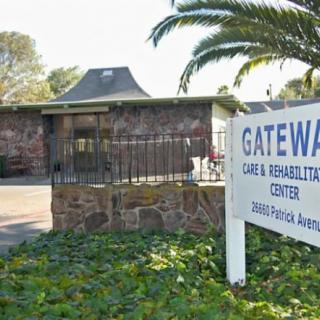
    • Gateway Care & Rehabilitation Center

      Gateway Care & Rehabilitation Center

      Hayward, CA


      pro 24/7 care with restaurant-style dining and extensive on-site amenities (private rooms, fitness, beauty salon, outdoor spaces).

    • Parkview Healthcare Center - Hayward

      Parkview Healthcare Center - Hayward

      Hayward, CA


      pro Comprehensive on-site amenities and 24/7 care.

    • Continuance Care Home

      Continuance Care Home

      Hayward, CA

       
      $2,200 to $3,500 / month

      pro Competitive pricing compared to Alameda County and California averages.

    • Diana's Care Home

      Diana's Care Home

      Hayward, CA

      3.4 from 7 reviews
       

      pro Prime location with easy access to health services and local amenities; supportive, personalized care.

    • St. Lourdes Home

      St. Lourdes Home

      Hayward, CA

      5 from 2 reviews
      $2,000 to $3,000 / month

      pro Competitive pricing with memory care in a homelike setting.

    • Hayward Villa Apartments

      Hayward Villa Apartments

      Hayward, CA

      4.7 from 3 reviews
       

      pro Convenient location with nearby healthcare, parks, dining, and transit.

    • Windsor Post-Acute Care Center Of Hayward

      Windsor Post-Acute Care Center Of Hayward

      Hayward, CA


      pro Comprehensive post-acute care with 24/7 supervision and a wide range of on-site amenities.

    • Pacifica Senior Living Union City

      Pacifica Senior Living Union City

      Union City, CA

      4.5 from 132 reviews
      $3,050 to $4,150 / month

      pro Clean, inviting environment with attentive memory care staff and engaging activities.

    • Pacifica Senior Living San Leandro

      Pacifica Senior Living San Leandro

      San Leandro, CA

      4.7 from 106 reviews
      $3,750 to $4,800 / month

      pro Friendly, attentive staff in a clean, welcoming community with diverse activities and multiple housing options.

    Related Resources

    • assisted living costUnderstanding the True Cost of Assisted Living in 2025: A Comprehensive Guide

      Assisted living in 2025 offers a crucial balance of independence and support for seniors, with costs varying from $2,500 to over $7,000 per month based on factors such as location and care level. Understanding pricing complexities, including regional differences and potential hidden fees, is essential for families to plan financially while ensuring quality care for their loved ones.

    • does medicaid pay for assisted livingUnderstanding Medicaid Coverage for Assisted Living: A Comprehensive Guide

      The guide outlines the complexities of Medicaid coverage for assisted living, highlighting significant state-to-state variations, limited coverage often restricted to personal care services, and the existence of specialized waivers for certain needs like memory care. It advises families to consult local Medicaid offices for options while emphasizing the importance of understanding state-specific regulations and facility policies.

    • does medicaid pay for assisted livingHow and When Medicaid May Cover Assisted Living Costs

      Medicaid coverage for assisted living varies by state and is primarily available to low-income individuals, with eligibility dependent on strict income and asset limits. Some states offer HCBS waivers for specific services in assisted living, but families must generally cover room and board costs, and should verify facility acceptance of Medicaid while considering potential waiting lists.


    Get Pricing Ask A Question Schedule A Tour Contact Senior Advisor