
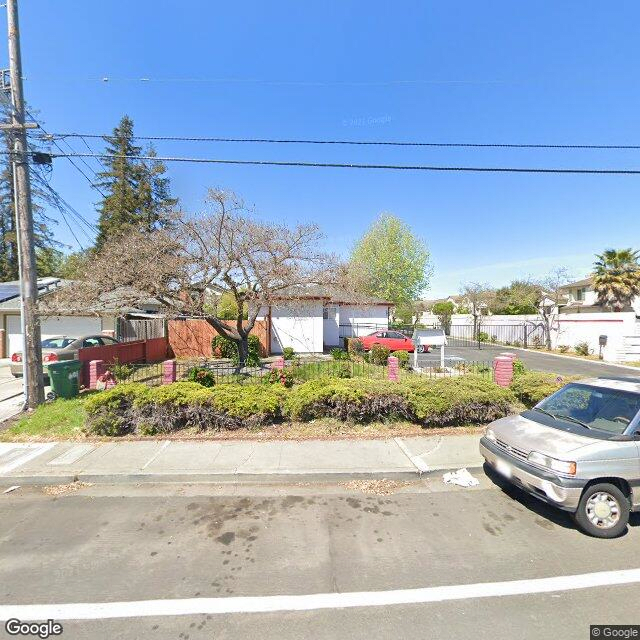
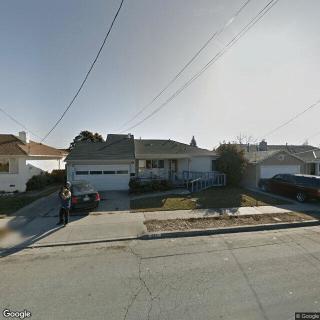
565 Schafer Road, Hayward, CA 94544
For more information about senior living options: (866) 208-4318
Continuance Care Home Costs & Pricing
The costs associated with Continuance Care Home present a competitive option when compared to both Alameda County and the broader California state averages. For semi-private accommodations, residents can expect to pay $2,200 per month at Continuance Care Home, significantly less than the county's average of $3,273 and the state average of $3,333. Similarly, for private rooms, the monthly rate of $3,500 also offers an attractive alternative against Alameda County's average of $3,748 and California's average of $3,939. These cost efficiencies position Continuance Care Home as a financially appealing choice for individuals seeking care in an environment that balances quality with affordability.
| Floor plans | Continuance Care Home | Alameda County | California |
|---|---|---|---|
| Semi-Private | $2,200 | $3,273 | $3,333 |
| Private | $3,500 | $3,748 | $3,939 |
Assisted Living communities with a similar price nearby
-
from +$300 / mo

Ava Bella Care Home
$2,500 to $3,000 / month2.9 miles away -
from -$205 / mo
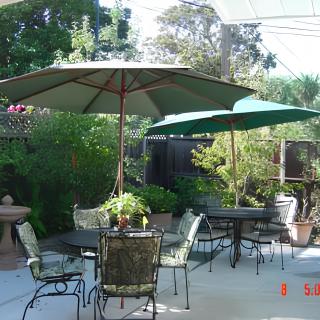
Sunny Orchard Place
$1,995 to $3,700 / month19.8 miles away -
from +$300 / mo

San Carlos Elms
$2,500 to $5,880 / month13.9 miles away -
from -$425 / mo
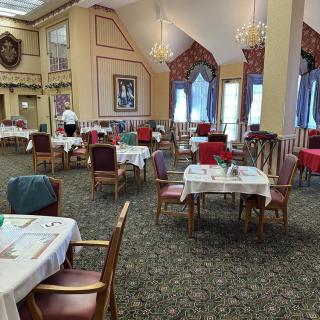
El Cerrito Royale
$1,775 to $3,775 / month23.1 miles away -
from +$100 / mo
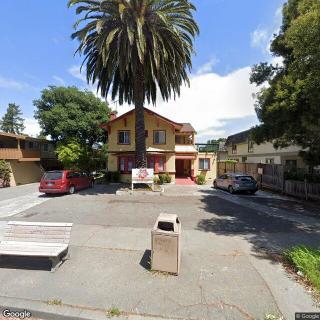
Jla Healthcare Services
$2,300 to $3,200 / month16.2 miles away
Overall Review of Continuance Care Home
Pros
 The staff were helping a lady in a wheelchair.
Cons
 It is described as the worst place ever.
- There are fights, screamers, and people being restrained.
- Staff are said to provide no help, with no police assistance after reviews.
- The facility is untrustworthy, with concerns about how elders are treated.
- The manager and staff are described as very mean.
- The facility refused entry to the mail carrier and would not allow restroom use.
- The entrance feels like a prison, with the door barely opening.
- The place is creepy and scary, with elder abuse implied as real.
- The staff are perceived as not caring for the elderly.
Review
Continuance Care Home in Hayward is best suited for families that will not surrender responsibility to a facility but instead treat care placement as a partnership. This community may attract those seeking a lower-cost option and an environment where oversight by relatives or trusted friends can be frequent and vigorous. It is not a place to rely on consistent, high-touch care without regular, in-person checks. Families that can commit to regular visits, ask pointed questions, and demand clear answers should consider this setting, but only with a plan for ongoing monitoring. In short, it works best for residents whose families are prepared to stay actively involved and to address issues as they arise rather than assuming the operation runs smoothly on its own.
Potential residents who should consider alternatives include anyone prioritizing safety, dignity, and transparent leadership. The most compelling red flags involve reports of staff not responding promptly to needs, a manager whose behavior is described as unhelpful or mean, and a culture that some feel tolerates or hides problems rather than addressing them openly. When reviews describe residents in distress or restrained, and when access-control or visitor interactions feel punitive, a different home with stronger governance and a consistent, compassionate staff is worth pursuing. For families with more complex medical or behavioral needs, these concerns become more acute and warrant a credible alternative.
On the flip side, some families have offered positive notes, suggesting that moments of competent care and warmth occur. The existence of several five-star perspectives signals that, under the right circumstances or at certain times, the atmosphere can be acceptable. Still, those favorable accounts are uneven and widely outnumbered by the more troubling feedback. The resulting picture is a facility where quality can vary dramatically from shift to shift, unit to unit, and staff to staff. The main takeaway is that the positive features do not consistently counter the core risk: inconsistent care, problematic management interactions, and a perceived lack of accountability.
Families evaluating Continuance Care Home should adopt a rigorous due-diligence plan. Request a tour during peak hours to observe caregiver engagement, ask to meet front-line staff, and review how shifts are staffed and supervised. Examine incident logs, formal grievances, and state inspection reports; verify licensing status and any citations. Talk to current residents and their families about daily routines, response times, and how conflicts are resolved. Verify emergency procedures, medication management, and safety measures in shared spaces. Price the cost versus risk, and consider whether the potential advantages are worth accepting a variable quality of care.
If choosing to proceed, set up explicit care agreements with measurable expectations: documented response times, daily notes, and scheduled care conferences. Establish a primary point of contact who can escalate concerns quickly, and insist on transparent communication channels with both staff and administration. Place a plan for ongoing oversight: regular visits, neighbor or family observer participation, and clear criteria for timely escalation to regulators or alternative placements if needs outpace the home’s capabilities. This approach reduces the chance that warning signs escalate into more serious problems.
Bottom line: Continuance Care Home is not the strongest choice for families whose priority is unwavering safety, consistent courtesy, and dependable staff responsiveness. It may fit families who can tolerate variability and are prepared to supervise closely, but those with higher safety expectations should explore other options first. Before committing, compare several communities with solid track records, visit multiple times, and demand direct responses to concerns. If choosing Continuance Care Home, proceed with caution, document expectations in writing, and maintain a proactive exit plan should early indicators of neglect or discomfort arise.
 16 resident community capacity
 Assisted Living
 Board and Care Home
 Cable or satellite TV
 Dining room
 Fully furnished
 Garden
 Housekeeping services
 Move-in coordination
 Outdoor space
 Private
 Respite or short term stays offered
 Telephone
 Wi-Fi/high-speed internet available
 Metropolitan Oakland International (10 miles away)
 24-hour supervision
 Activities of daily living assistance
 Assistance with bathing
 Assistance with dressing
 Assistance with transfers
 Diabetes diet
 Diabetic care
 Meal preparation and service
 Medication management
 Special dietary restrictions
 Transportation arrangement (medical)
 Transportation to doctors appointments




 Funding and Affording Assisted Living: A Thorough Overview
 Assisted Living Expenses and Long-Term Care Insurance: A Comprehensive Exploration
 Securing Financial Support for Assisted Living: A Comprehensive Overview