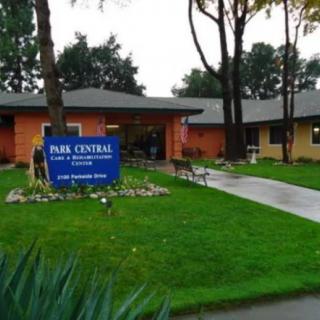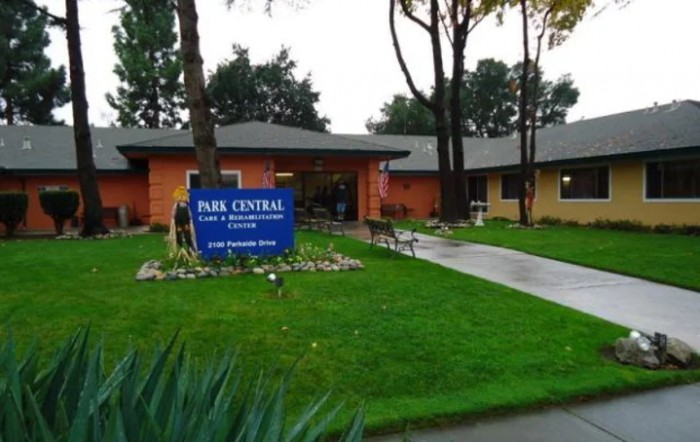
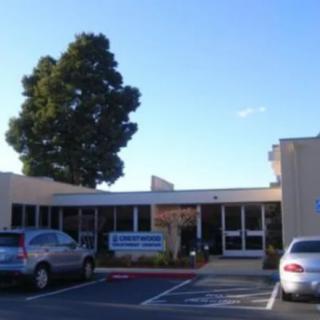
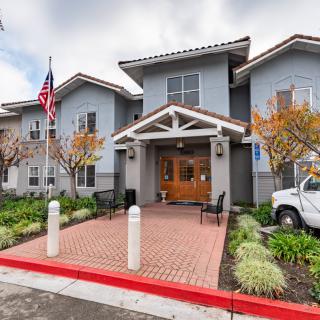
2100 Parkside Drive, Fremont, CA 94536
For more information about senior living options: (866) 208-4318
Overall Review of Park Central Care And Rehabilitation Center
Pros
 The facility is well maintained and creates a safe, covid-free environment for patients.
- All staff are very caring and helpful.
- The mother-in-law is very happy recovering at the facility.
- The mother-in-law liked the food there.
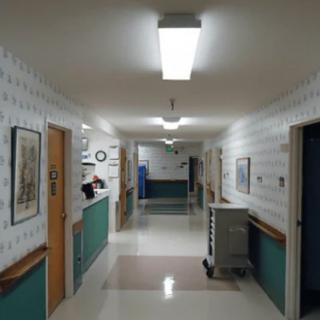
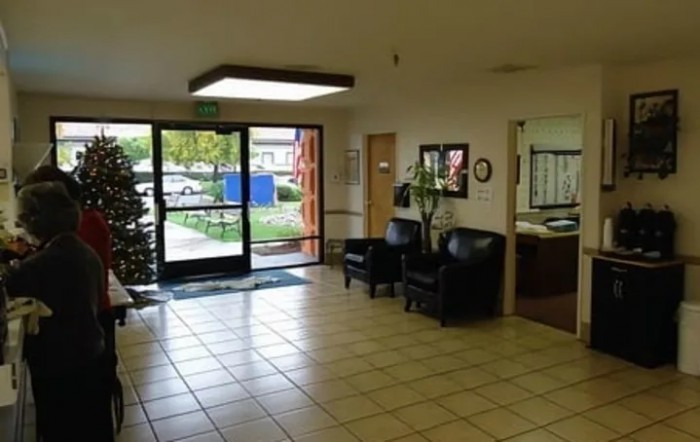
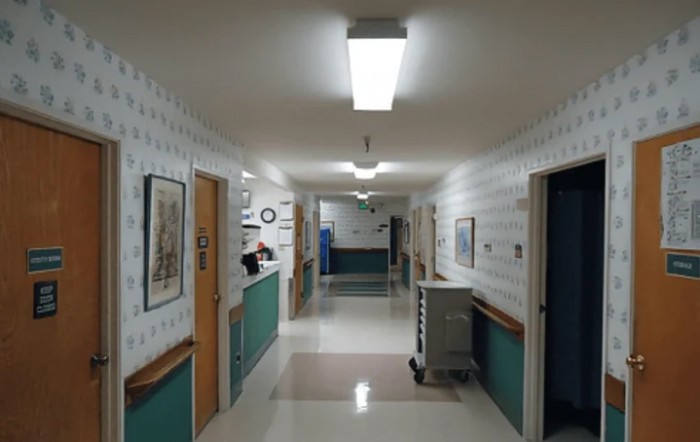
- The facility is clean and not smelly.
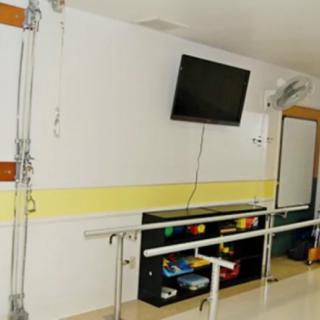
- The physical therapy staff are patient and gentle.
- The food service staff make a special effort to find her favorite comfort foods and have them there each day.
- The location is within walking distance to a central shopping center.
- People would recommend this place to anyone needing temporary or long-term care.
- The physical therapy and speech pathologists are caring, gentle and attentive.
Cons
 The staff treat family members very badly.
- They don't care about the patient's treatment, only money, and try to keep the patient there as long as possible.
- The center billed the insurer for a specialist it never provided, effectively double-dipping with the insurance money.
- Families must be extremely hands-on with every little thing.
- The facility is understaffed and cannot provide immediate help when bed buttons are pressed.
- The facility is very noisy and crowded, with three residents per room.
- The nurses were rude and showed no compassion.
- The commodes are shared among residents, and there are no showers.
- The dresser for residents' belongings was broken and barely functional, and the bed could shake with the slightest movement.
Review
Park Central Care And Rehabilitation Center in Fremont is best suited for families seeking a moderate-sized, well-maintained rehab-focused community where the core value is hands-on rehabilitation with a responsive therapy team and an environment that feels clean and safe. The facility earns its strongest value when a resident’s primary goal is to regain function quickly through physical therapy and speech therapy, and when the family is prepared to stay involved, ask questions, and collaborate on a care plan. It suits seniors who benefit from a practical, mid-market option that emphasizes calm, orderly operation, accessible location, and a willingness to tailor care through active family participation. The combination of a solid rehab backbone and a generally positive staff demeanor makes it a workable choice for short-term and transitional stays, provided expectations are aligned with what the center can reliably deliver.
Those who may want to consider alternatives include families sensitive to staffing rhythms and privacy. Several reviews flag understaffing, crowding, and occasional lapses in bedside care, including rude or less compassionate experiences from some staff members. The most troubling concerns center on billing and insurance practices that some families felt shifted attention away from patient care toward financial concerns. If privacy, quiet, or a consistently low-stress environment is paramount, or if a loved one requires constant, highly specialized nursing oversight, it’s prudent to explore other communities with stronger nurse-to-patient ratios or clearer, more transparent billing practices. For families seeking a more private, low-disruption setting or a facility with a spotless consistency of daily care, alternatives should be weighed carefully.
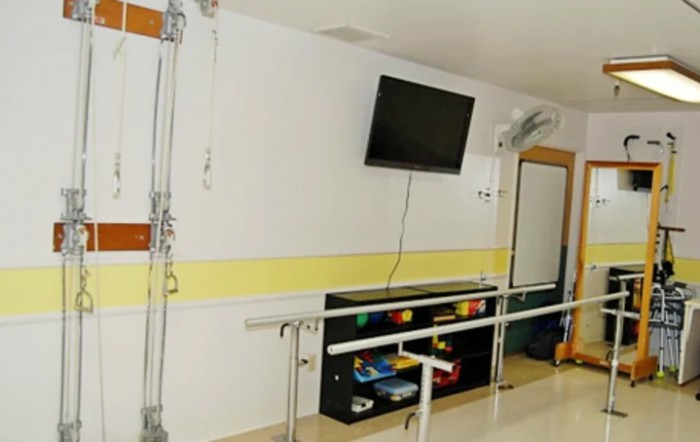
The core pros at Park Central, cleanliness, a safety-forward culture, and a capable rehabilitation staff, often offset the bigger logistical drawbacks when a family is engaged. Residents repeatedly benefit from well-trained physical therapists and speech-language pathologists who are described as patient, gentle, and attentive. The therapy team frequently earns praise for creating practical rehab plans, teaching safety procedures to caregivers at home, and maintaining a respectful, name-by-name rapport with families. The facility’s maintenance and overall cleanliness are consistently highlighted, contributing to a sense of security and comfort for recovering patients. When the care plan aligns with a short-term rehab trajectory, these factors translate into tangible gains, including meaningful progress in a matter of weeks and a smoother transition back to home life.
Yet the cons cannot be ignored and often reappear as practical obstacles to daily peace. Crowded rooms and relatively high noise levels from a busy pace can disrupt rest and recovery, especially for seniors sensitive to constant activity or light sleep. Reports of several rooms sharing bathrooms, limited shower access, and occasionally rough bedside interactions temper the otherwise encouraging clinical story. These dynamics matter because recovery is social as much as clinical: a patient who cannot rest adequately or feels underappreciated by staff is unlikely to maximize therapy gains. The strongest care stories emerge when families stay closely involved, monitor schedules, and advocate for individualized attention; without that advocacy, the negative experiences risk overshadowing the rehab wins.
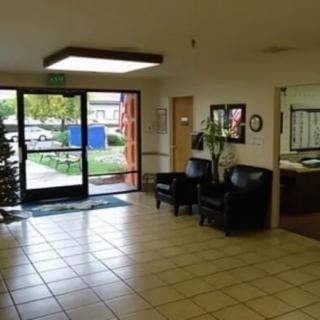
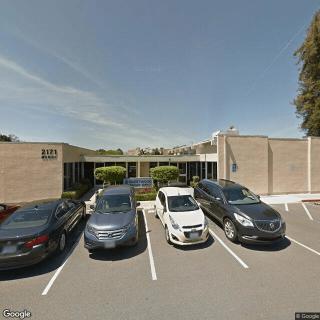
Location and logistical factors tilt toward Park Central’s favor in meaningful ways. The center sits in a reasonably convenient pocket of Fremont, within reach of shopping and transit options, which makes visits doable for families and supports a sense of normalcy for residents during a stay. Rooms vary, from two-person configurations with a built-in television and a side patio to four-person arrangements, allowing families to choose based on budget and privacy needs. The overall environment is described as not smelly and relatively well organized, with staff who are responsive and courteous when engagement is high. These elements matter for families weighing a transition into a care setting where daily routines, meals, and activities can all be aligned with a resident’s preferences.
The bottom-line guidance centers on aligning expectations with the center’s strengths and risks. Park Central is a practical, capable choice for families who want a clearly structured rehab environment and who can commit to being actively involved in care decisions, while recognizing that staffing and room configurations can influence day-to-day experience. Prospective residents should probe for a concrete, resident-specific care plan, confirm the expected nurse-to-patient ratio for the shift during a typical day, and request a detailed review of any upcoming therapy milestones. Equally important is discussing billing practices up front: confirm what is covered by insurance, request itemized billing, and verify any third-party billing concerns before admission. For families comfortable with a program that delivers real rehab progress when backed by engaged caregiving and a clean, orderly setting, Park Central remains a solid option. For those prioritizing privacy, quiet, or near-perfect staffing consistency, it may be prudent to compare alternatives with stronger acuity levels or clearer, trust-based payer relationships.
 99 resident community capacity
 Skilled Nursing Facility
 Air-conditioning
 Beauty salon
 Cable or satellite TV
 Computer center
 Dining room
 Fitness room
 Fully furnished
 Gaming room
 Garden
 Housekeeping services
 Kitchenette
 Move-in coordination
 Outdoor space
 Private bathrooms
 Restaurant-style dining
 Small library
 Telephone
 Wellness center
 Wi-Fi/high-speed internet available
 San Jose International (14 miles away)
 Community operated transportation
 12-16 hour nursing
 24-hour call system
 Activities of daily living assistance
 Assistance with bathing
 Assistance with dressing
 Assistance with transfers
 Diabetes diet
 Medication management
 Mental wellness program
 Special dietary restrictions
 Concierge services
 Planned day trips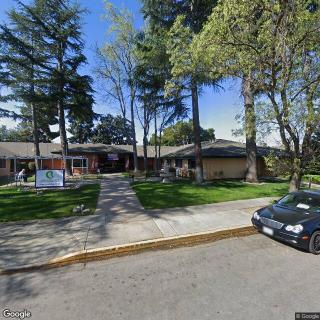


 Comprehensive Approaches for Arthritis: A Detailed Guide to Symptoms, Causes, and Care
 Comprehensive Insights and Practical Strategies to Help Older Adults Avoid Falls
 6 Crucial Ways an Elder Law Attorney Assists Families