

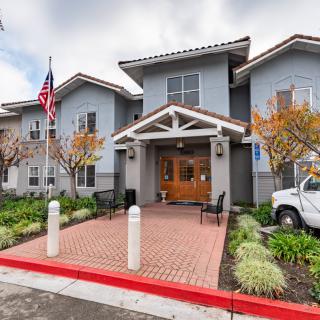
2400 Parkside Drive, Fremont, CA 94536
For more information about senior living options: (866) 208-4318
Overall Review of Windsor Park Care Center Of Fremont
Pros
 Some staff were super good.
- The center offered engaging activities like bingo, church services, games, and musical visits, and residents took part.
- The staff were wonderful and nice.
- The CNAs, nurses, physical therapists, and occupational therapists were great.
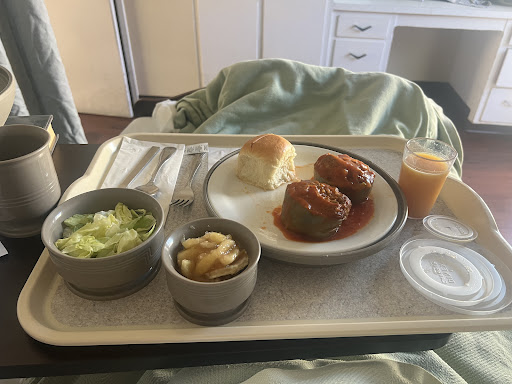
- The facility's cleanliness and its food were great.
- The place became like a home for the resident.
Cons
 Some staff were not as good as others.
- The facility was always cold.
- There were dementia patients who screamed or cried at night, making it difficult to stay.
- Being in a room with non-speaking dementia patients would be difficult.
Review
Windsor Park Care Center of Fremont is best suited for families seeking a warm, engaged, socially active environment where compassionate direct care teams can create a home-like feel for residents who participate in everyday activities. The setting is clearly oriented toward connection, bingo, church services, games, and musical visits create regular opportunities for conversation and engagement. For families who want daily access to attentive CNAs, nurses, and therapy staff and who value clean facilities and solid food, Windsor Park presents as a practical, supportive choice.
Those who may want to explore alternatives are typically in search of a quieter overnight environment or a memory-care-focused setting. The reviews suggest a mixed staffing experience across shifts, with one account praising the staff as wonderful and another noting variability, some caregivers are excellent while others miss the mark. Additionally, the facility’s climate was described as distinctly cold in a past visit, a factor that can matter for residents who are sensitive to temperature or who spend long hours resting in their rooms. For families prioritizing specialized dementia care, or a consistently quiet night, it makes sense to compare other options that emphasize these features more prominently.
On the upside, the strongest recurring positives center on the caregivers themselves and the daily life of the community. The second reviewer highlights CNAs, nurses, physical and occupational therapists as a standout strength, painting a picture of care teams that are capable, approachable, and capable of turning the facility into a comfortable, almost familial space. The cleanliness and quality of food are also repeatedly praised, reinforcing the sense that basic comforts and daily routines are well managed. The presence of structured activities and routine social events can be a meaningful determinant for residents who thrive on interaction and purpose.
The principal drawbacks touch on the realities of a facility with a substantial dementia population. Nighttime noise from residents experiencing cognitive challenges can be disruptive for some, and the perceived breadth of dementia-related needs can create an environment that is less predictable after dark. While one reviewer found companionship and conversation through a specific roommate situation, the broader risk remains: a mixed-diagnosis floor can limit the quality of rest and quiet for individuals who require calmer surroundings or more predictable routines. The combination of a cooler physical environment and a higher prevalence of dementia care needs may pose a challenge for families prioritizing serene sleep and steady nighttime comfort.
In weighing pros against cons, Windsor Park tends to deliver meaningful value for families who prize hands-on, personable caregiving and an active, socially oriented setting. The care teams’ evident dedication and the home-like atmosphere can offset the cons for residents who enjoy company, respond well to group activities, and do not require a highly specialized memory-care program. Those who must avoid nighttime disturbances or who require a memory-care framework with clearly defined quiet hours may find the tradeoffs harder to accept. The limited number of published experiences cautions that individual experiences vary, making firsthand visits essential.
Actionable guidance: plan a purposeful tour and talk to the front-line staff about your loved one’s routines and needs. Ask specifically about memory-care resources, night-shift dynamics, and any opportunities to tailor room assignments to minimize disturbances. Inquire about climate control and bedding options to mitigate the “cold” note from the past. If the priority is a program-rich, people-first environment with reliable meals and cleanliness, Windsor Park is a solid pick. If the priority is quiet nights, a dedicated memory-care focus, or exceptionally consistent staffing across all shifts, it is prudent to compare other communities before making a final commitment.
 85 resident community capacity
 Skilled Nursing Facility
 Air-conditioning
 Beauty salon
 Cable or satellite TV
 Computer center
 Dining room
 Fitness room
 Fully furnished
 Gaming room
 Garden
 Housekeeping services
 Kitchenette
 Move-in coordination
 Outdoor space
 Private bathrooms
 Restaurant-style dining
 Small library
 Telephone
 Wellness center
 Wi-Fi/high-speed internet available
 San Jose International (14 miles away)
 Community operated transportation
 12-16 hour nursing
 24-hour call system
 Activities of daily living assistance
 Assistance with bathing
 Assistance with dressing
 Assistance with transfers
 Diabetes diet
 Medication management
 Mental wellness program
 Special dietary restrictions
 Concierge services
 Planned day trips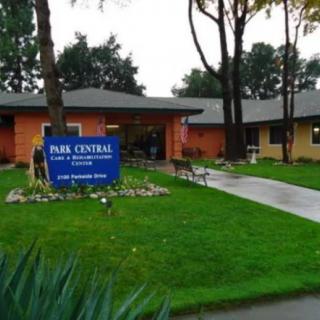

 A Detailed Exploration of Living Wills and Advance Directives
 Comprehensive Guide to Medicare Coverage for Hospice Care
 Caring for Those Who Care: Recognizing, Understanding, and Overcoming Caregiver Burnout