
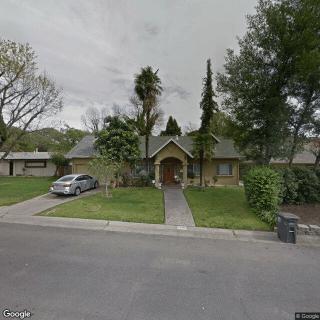
7710 Chipmunk Way, Citrus Heights, CA 95610
For more information about senior living options: (866) 208-4318
Overall Review of In Loving Hands Care Home II
Pros
 The home is described as very caring and welcoming, with an owner who is a sweetheart and genuinely concerned for residents and caregivers.
- The facility is very well kept, a standout among similar B&C facilities.
- The staff are wonderful, caring, and loving.
- Finding this placement was a blessing for the family.
- The residents are well cared for by a loving family and caregivers.
- The rooms are nice and private, contributing to a comfortable setting.
- The cooking is great and appreciated by those there.
- Comfort animals add to a pleasant, family-like atmosphere.
- The caregivers are a mix of family and employees who are all very family oriented.
- The home’s name, In Loving Hands, is considered fitting and perfect.
Cons
 The residents are not very talkative at all.
- They do not communicate, and she is very unhappy because of that.
Review
In Loving Hands Care Home II in Citrus Heights is best suited for families seeking a compact, home-like assisted living option where privacy, warmth, and deeply attentive, hands-on care are priorities. This community shines for seniors who value private rooms that can be personalized with photos and familiar furnishings, plus the comfort of home-cooked meals and a setting that feels like a cared-for extension of family life. The owner’s genuine warmth and a tightly knit care team translate into a high-touch experience, especially for residents navigating transitions from a family home or those entering hospice-influenced care. For families who want a serene, intimate atmosphere with a clear focus on individualized attention, this facility delivers in spades.
However, this environment may not be the best match for every resident. Those who require robust social programming, frequent peer interaction, or a more structured daily calendar may find the setting too quiet. One family noted that residents tend not to be highly talkative, which can leave a more alert, sociable individual feeling out of sync. In such cases, a larger assisted living community or a memory-care-oriented option with more planned activities and peer engagement may better serve social needs. The home-style model prioritizes close, one-on-one connections over group stimulation, and that distinction matters when social fulfillment is a top priority.
The strengths of In Loving Hands Care Home II offset its potential drawbacks in meaningful ways. The staff is described as genuinely caring and welcoming, with the owner personally engaged in residents’ well-being. This translates into a consistently warm, respectful daily experience where residents feel seen and valued. The physical environment is well-maintained, an especially important factor when clinical settings are not the focus yet safety and comfort remain paramount. The home’s warmth is reinforced by practical perks: a strong cooking program, the ability for residents to decorate and rearrange their private spaces, and even comfort-enhancing touches like support animals that contribute to a soothing, family-like atmosphere.
Cultivating a family-oriented culture appears central to how care is delivered. The staffing approach blends family members with paid caregivers, nourishing a sense of trust and accountability across the team. This arrangement often translates into more flexible, responsive care because caregivers view residents as part of a broader familial network. Residents and families repeatedly highlight positive experiences during emotionally challenging periods, including hospice care, where tenderness and attentiveness were notable. Even when social dynamics among residents are quieter, the consistent, individualized attention helps residents feel secure, respected, and emotionally supported.
For families weighing a concrete decision, certain practical checks are essential before committing. Confirm the level of clinical oversight and whether 24/7 caregiving support is on site, since care needs can escalate quickly. Inquire about the daily activities and opportunities for peer engagement to gauge how social needs will be met over time. Ask about staff stability and turnover, the ability to accommodate personalized requests, and the process for escalating concerns. Most importantly, assess how the resident’s temperament aligns with the environment: a peaceful, intimate setting benefits those who thrive on close relationships and consistent routines, while a highly social or more medically complex resident may require alternate arrangements.
Bottom line: In Loving Hands Care Home II delivers a standout, heart-centered living experience for seniors who prize privacy, personalization, and steadfast, compassionate care. It is an excellent match for families seeking a warm, well-kept home where meals, decor, and daily life feel personally attended to. It is less ideal for residents who insist on constant social programming or who require a higher level of clinical structure and peer interaction. For those with the right fit, the next step is a focused tour coupled with pointed questions about social activities, caregiver ratios, and escalation paths to confirm alignment with the resident’s personality and evolving care needs.
 6 resident community capacity
 1-bedroom apartments
 Assisted Living
 Board and Care Home
 Respite Care
 Cable or satellite TV
 Dining room
 Fully furnished
 Garden
 Housekeeping services
 Move-in coordination
 Outdoor space
 Telephone
 Wi-Fi/high-speed internet available
 Sacramento International (18 miles away)
 24-hour supervision
 Activities of daily living assistance
 Assistance with bathing
 Assistance with dressing
 Assistance with transfers
 Diabetes diet
 Meal preparation and service
 Medication management
 Special dietary restrictions
 Transportation arrangement (medical)
 Transportation to doctors appointments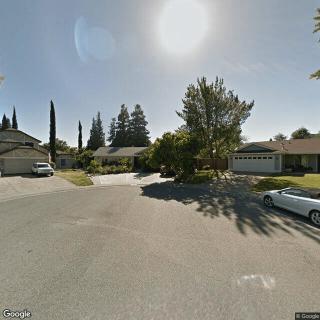






 Comprehensive Supportive Living Arrangements for Adults with Disabilities
 Funding and Affording Assisted Living: A Thorough Overview
 Assisted Living Expenses and Long-Term Care Insurance: A Comprehensive Exploration