
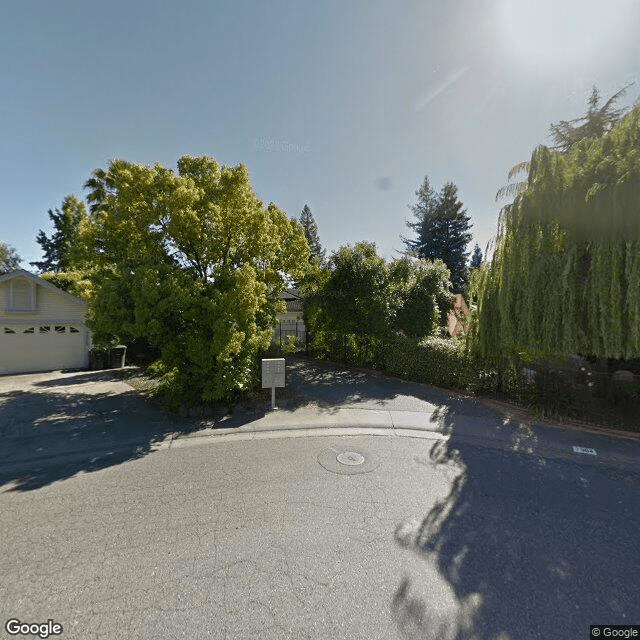
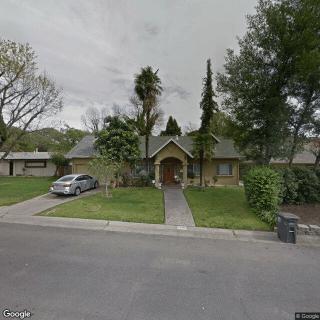
7504 Chipmunk Way, Citrus Heights, CA 95610
For more information about senior living options: (866) 208-4318
The Living Water Costs & Pricing
The Living Water offers competitive pricing for its accommodations compared to both Sacramento County and the broader state of California. For semi-private rooms, The Living Water is priced at $2,000 per month, significantly lower than the county average of $3,106 and the state average of $3,333. The private room option at The Living Water is also appealing, with a monthly fee of $2,500 that stands in stark contrast to Sacramento County's $3,686 and California's $3,939. Even the studio apartments at The Living Water, while higher at $10,000 per month, still provide a compelling choice compared to the county's average of $3,865 and the state's average of $4,145 when considering overall value and amenities. This pricing strategy reflects The Living Water's commitment to affordability without compromising on quality care and services.
| Floor plans | The Living Water | Sacramento County | California |
|---|---|---|---|
| Semi-Private | $2,000 | $3,106 | $3,333 |
| Private | $2,500 | $3,686 | $3,939 |
| Studio | $10,000 | $3,865 | $4,145 |
Memory care communities with a similar price nearby
-
from -$100 / mo
Bloomfield Hills Assisted Living
$1,900 to $2,400 / month2.1 miles away -
from -$200 / mo
Ciric Care Home
$1,800 to $2,800 / month13.6 miles away -
About the same
Blissful Gardens
$1,995 to $3,500 / month17.4 miles away -
from +$250 / mo
Oakwood Village
$2,250 to $3,750 / month18.5 miles away -
About the same
Carlton Senior Living Sacramento Enhanced Assisted Living
$1,995 to $3,695 / month11.0 miles away
Overall Review of The Living Water
Pros
 The Living Water Care Home is described as very comfortable and spacious.
- Marlana and her husband Nibah are the most loving and caring people who own the facility.
- They have dedicated their lives to caring for the elderly.
- They treat their residents as family.
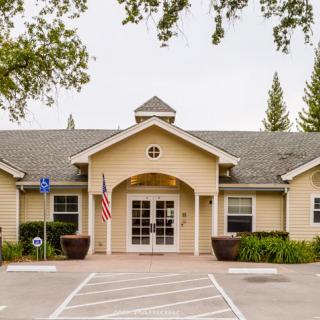
- The home sits on an acre of beautiful grounds with many patio areas.
- Marlana encourages residents to enjoy the outdoors and serves meals on the patio in the summer.
- They take the residents on outings to Folsom Lake and Apple Hill for picnics.
- The care is provided by Christian people who really care about the residents.
Review
The Living Water is best suited for families seeking a small, home-like, faith-centered care environment in Citrus Heights where the owners are personally invested in daily life. Operated by Marlana and her husband Nibah, the facility feels more like a private home than a campus, with residents treated as family. The setting reinforces that tone: a comfortable, spacious house ringed by an acre of attractive grounds and multiple patios that invite outdoor time. In warm weather, meals are served al fresco on the patio, and residents are encouraged to enjoy the outdoors. For families prioritizing a warm, intimate atmosphere and hands-on leadership, this community stands out as a compelling option.
Who may want alternatives? Families needing robust medical oversight, 24/7 nursing, or a busy calendar of formal programming may want to look elsewhere. The Living Water operates as a care home, not a large assisted-living campus, and while the owners are deeply involved in day-to-day life, the model naturally offers fewer on-site amenities and less staff redundancy than bigger communities. If complex health needs, frequent skilled interventions, or extensive therapist services are essential, exploring a larger organization or a skilled-nursing setting could be prudent to ensure continuous coverage and availability.
The strongest pros lay in the core caregiving relationship. The owners, Marlana and Nibah, are described as loving and deeply dedicated to elderly residents, delivering care that feels personal and genuinely familial. Residents are not customers but members of a close-knit household, with daily life guided by warmth, respect, and a steady, reassuring presence. The home’s physical space complements this ethos: comfortable, spacious interiors paired with generous outdoor areas that invite residents to linger outside, socialize, and enjoy fresh air. This combination, personal leadership, a family-like atmosphere, and accessible outdoor living, creates a sense of safety and belonging that can lessen anxiety and increase daily happiness.
Engagement and meaningful moments further distinguish the Living Water. Residents are actively included in outdoor activities and outings rather than kept isolated inside. The documented trips to Folsom Lake and Apple Hill for picnics suggest a rhythm of accessible, low-pressure enrichment that keeps life moving beyond the walls of the home. Meals on the patio during summer reflect an approach that treats dining as a social, communal experience rather than a routine chore. For families seeking a setting where everyday life feels like a shared family routine rather than a rigid schedule, these elements translate into tangible quality-of-life benefits.
Where the handpicked strengths meet inevitable tradeoffs, the balance becomes the decisive factor. The intimate, home-based model delivers exceptional peace of mind, consistent attention, and a comforting spiritual tone that can be deeply meaningful for residents and families alike. Yet this same model can come with limited breadth, fewer on-site activities, a narrower range of services, and less immediate access to specialized clinical resources than larger facilities. Those seeking a wide array of therapies, diversified programming, or rapid escalation of medical care should temper expectations and evaluate whether the scale of this home environment aligns with the resident’s needs.
In sum, The Living Water excels for families prioritizing a heartfelt, home-centered caregiving experience led by truly invested owners who treat residents as family. It is especially well-suited for loved ones who thrive on a warm, Christian-influenced atmosphere, personalized attention, and regular outdoor activity. For families seeking more formal programming, broader amenities, or intensive clinical oversight, alternatives that offer larger staffs and more comprehensive on-site services may be the better choice. The prudent next step is a visit: verify staff-to-resident dynamics, understand daily routines, and confirm how medical needs are managed so the choice aligns with the loved one’s care goals.
 6 resident community capacity
 Assisted Living
 Board and Care Home
 Memory Care
 Activities off-site
 Bath tubs
 Beautician on-site
 Cable or satellite TV
 Devotional services off-site
 Dining room
 Fully furnished
 Garden
 Housekeeping services
 Indoor common areas
 Move-in coordination
 Outdoor common areas
 Private
 Private bathrooms
 Swimming pool / hot tub
 Telephone
 Wi-Fi/high-speed internet available
 Sacramento International (17 miles away)
 24-hour supervision
 Assistance with bathing
 Assistance with dressing
 Assistance with transfers
 Diabetes diet
 Meal preparation and service
 Medication management
 Special dietary restrictions
 Transportation arrangement (medical)
 Transportation to doctors appointments
 Christian services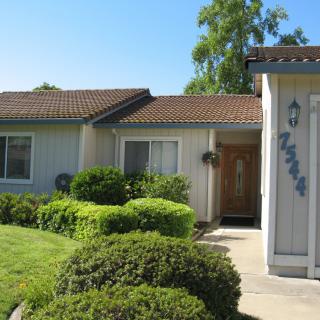

 Understanding Dementia Through Its Seven Stages: A Comprehensive Look at Progression and Expectations
 A Holistic Dementia Care Guide: Effective Strategies for Memory Support
 Memory Care Pathways: A Holistic Guide to Dementia Support