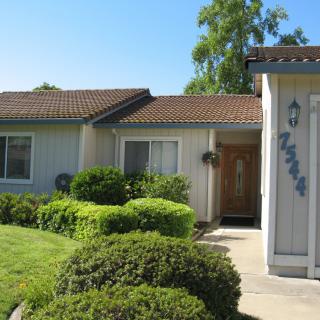
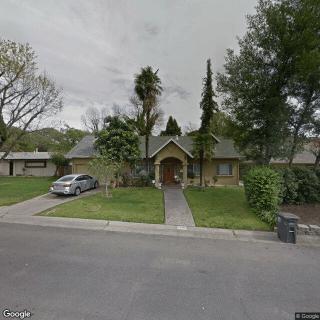
7544 Soquel Way, Citrus Heights, CA 95610
For more information about senior living options: (866) 208-4318
Ana's Loving Home Care Costs & Pricing
Ana's Loving Home Care offers competitive pricing for its services, making it a viable option for those seeking affordable care solutions. For semi-private accommodations, the cost is $2,500 per month, significantly lower than the average rates in Sacramento County at $3,106 and throughout California at $3,333. When it comes to private rooms, Ana's Loving Home Care charges $3,000 per month, which also presents a more economical choice compared to the county's average of $3,686 and the state's average of $3,939. These favorable rates reflect Ana's commitment to providing quality care without compromising affordability, appealing to families navigating the complexities of elder care options.
| Floor plans | Ana's Loving Home Care | Sacramento County | California |
|---|---|---|---|
| Semi-Private | $2,500 | $3,106 | $3,333 |
| Private | $3,000 | $3,686 | $3,939 |
Assisted Living communities with a similar price nearby
-
About the same
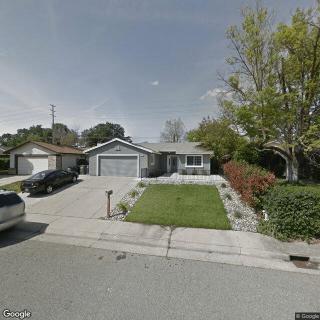
Sunrise Senior Care
$2,500 to $3,500 / month1.1 miles away -
About the same

Gina's Home Care
$2,500 / month5.2 miles away -
About the same
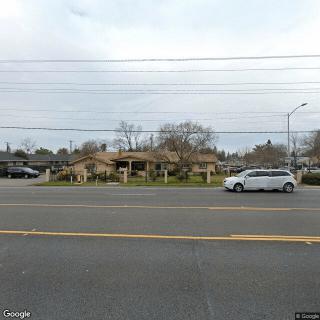
Eastern Manor
$2,500 to $3,000 / month8.1 miles away -
About the same
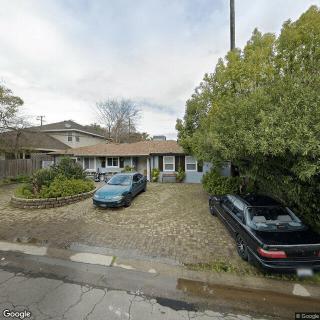
Hempstead Home
$2,500 to $6,930 / month10.6 miles away -
About the same
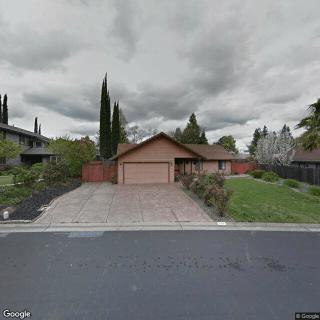
A.R.C. Manor of Folsom
$2,500 to $3,500 / month4.2 miles away
Overall Review of Ana's Loving Home Care
Pros
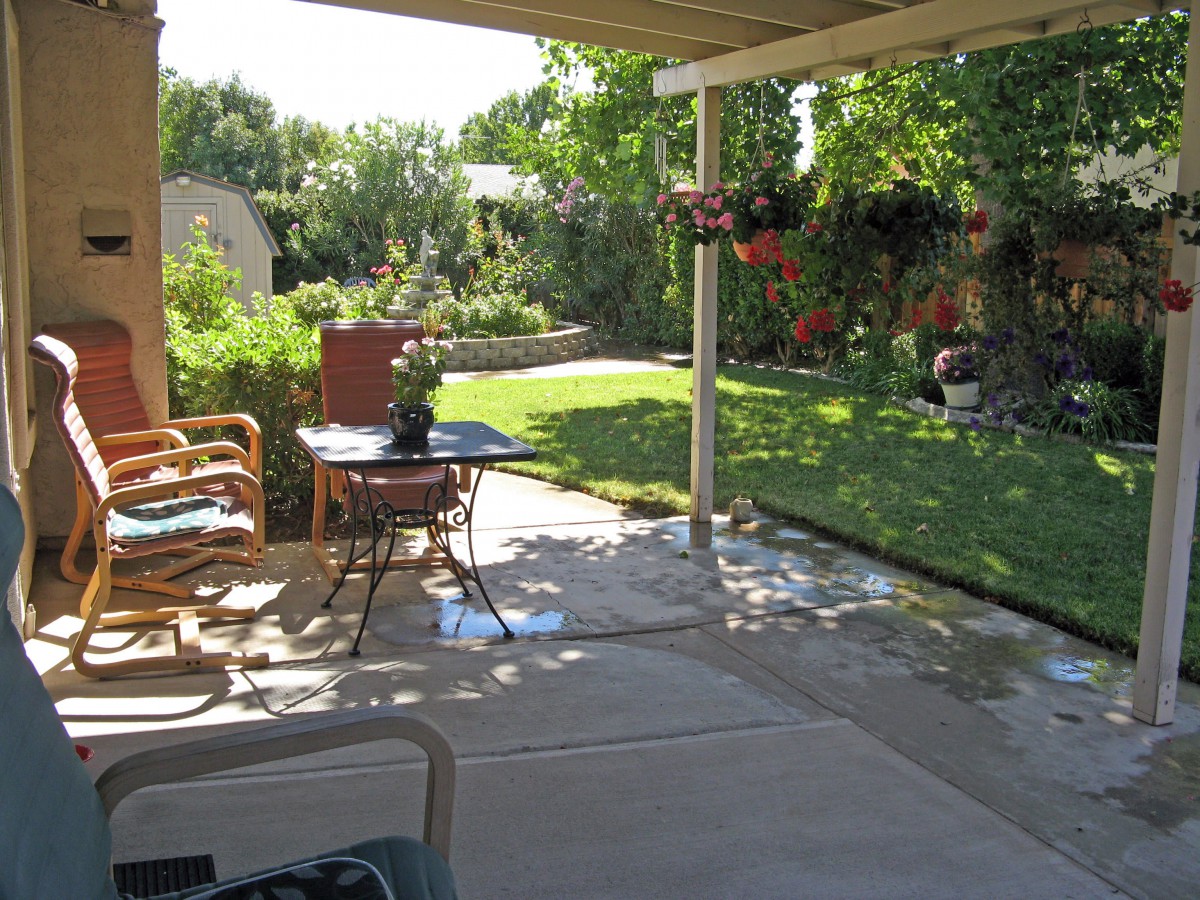
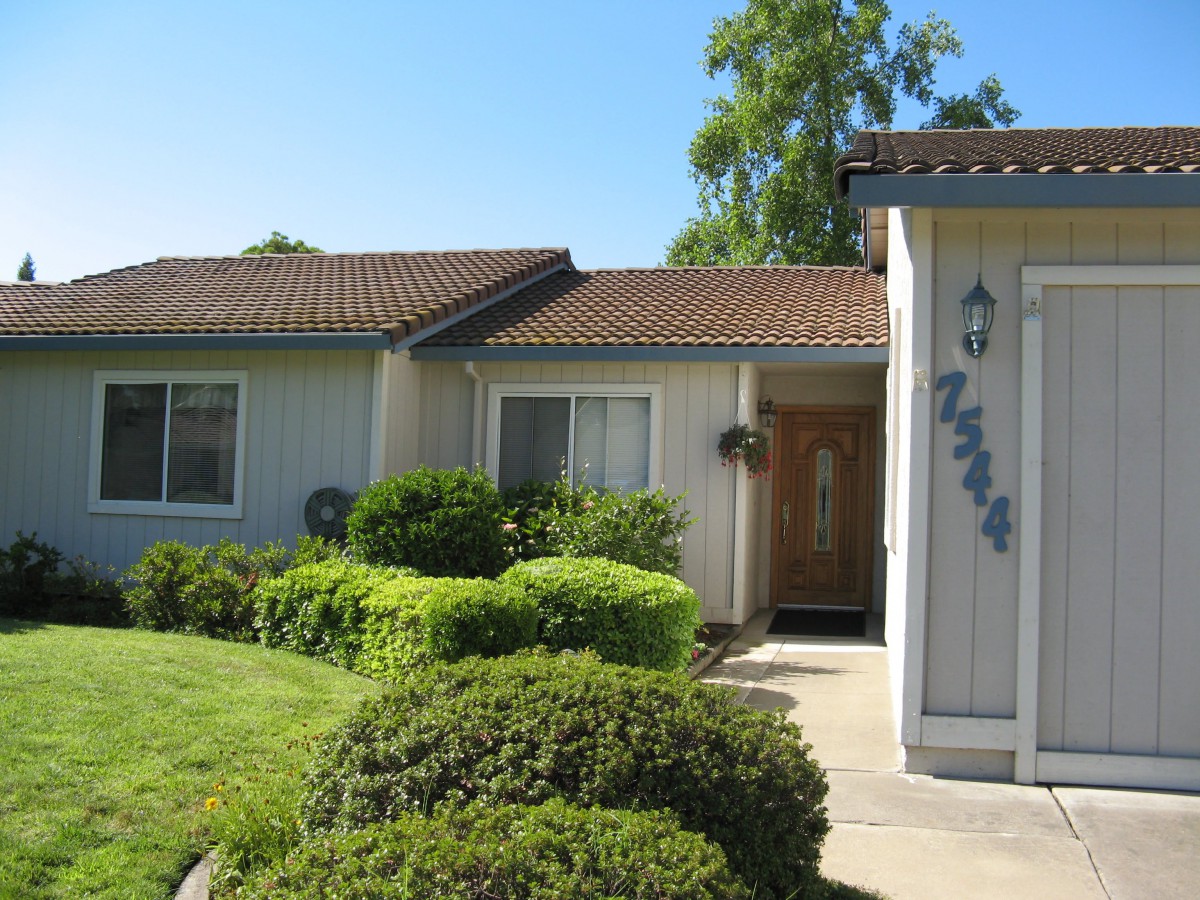
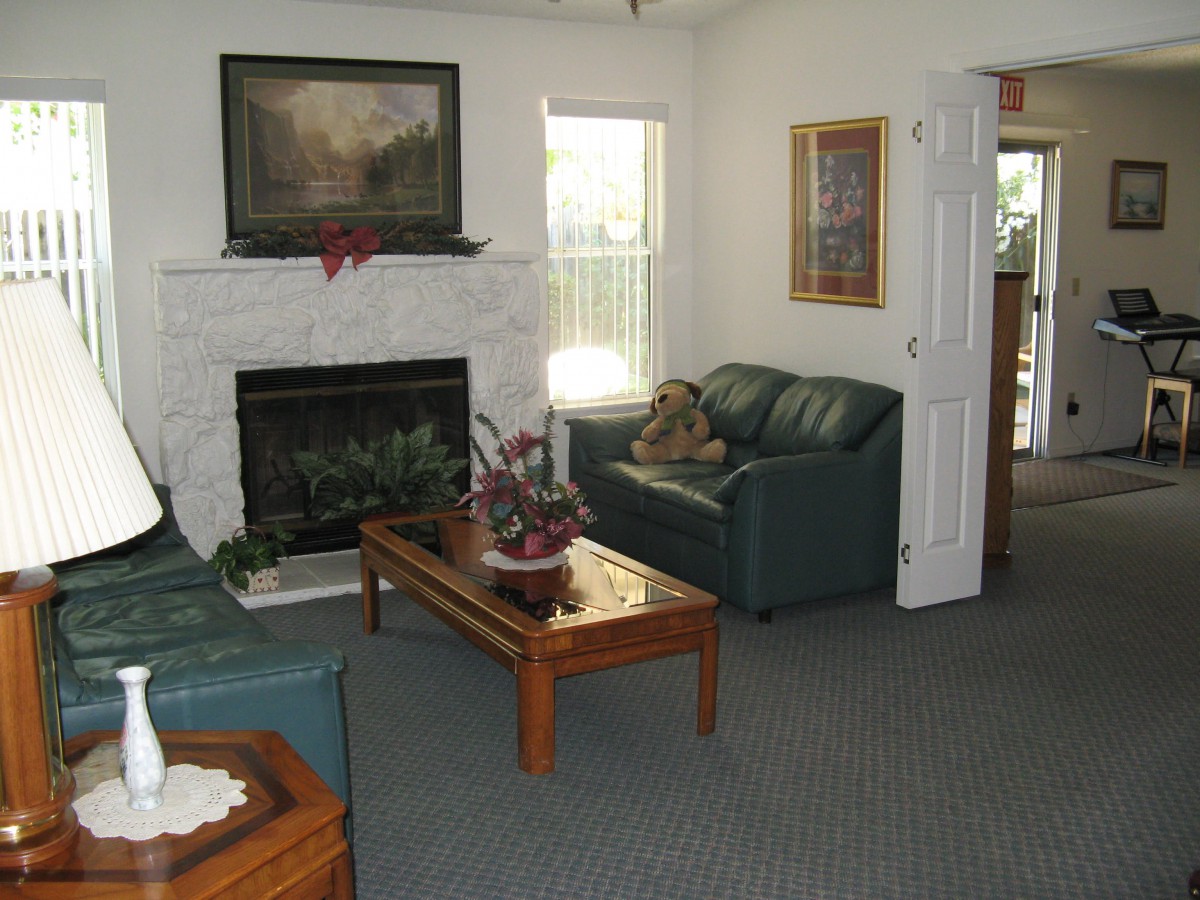
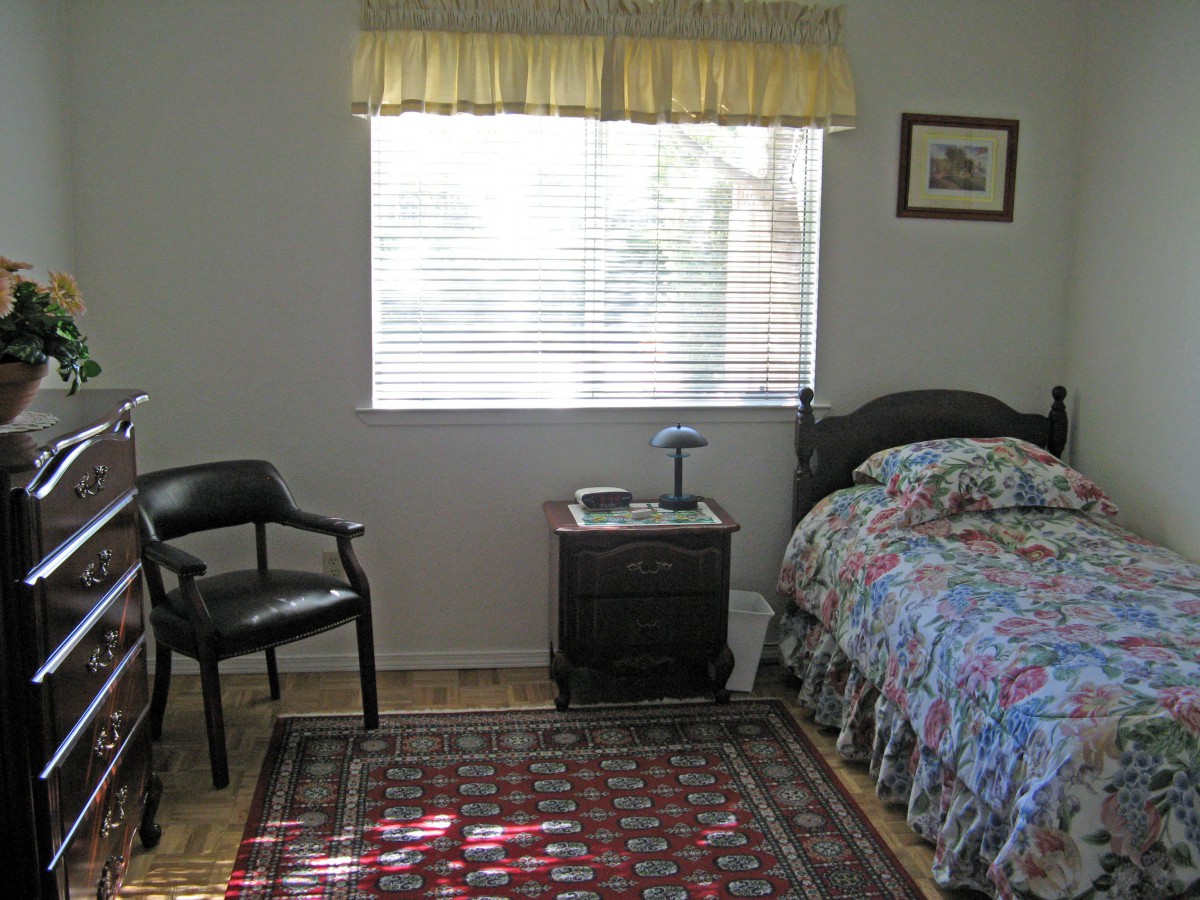
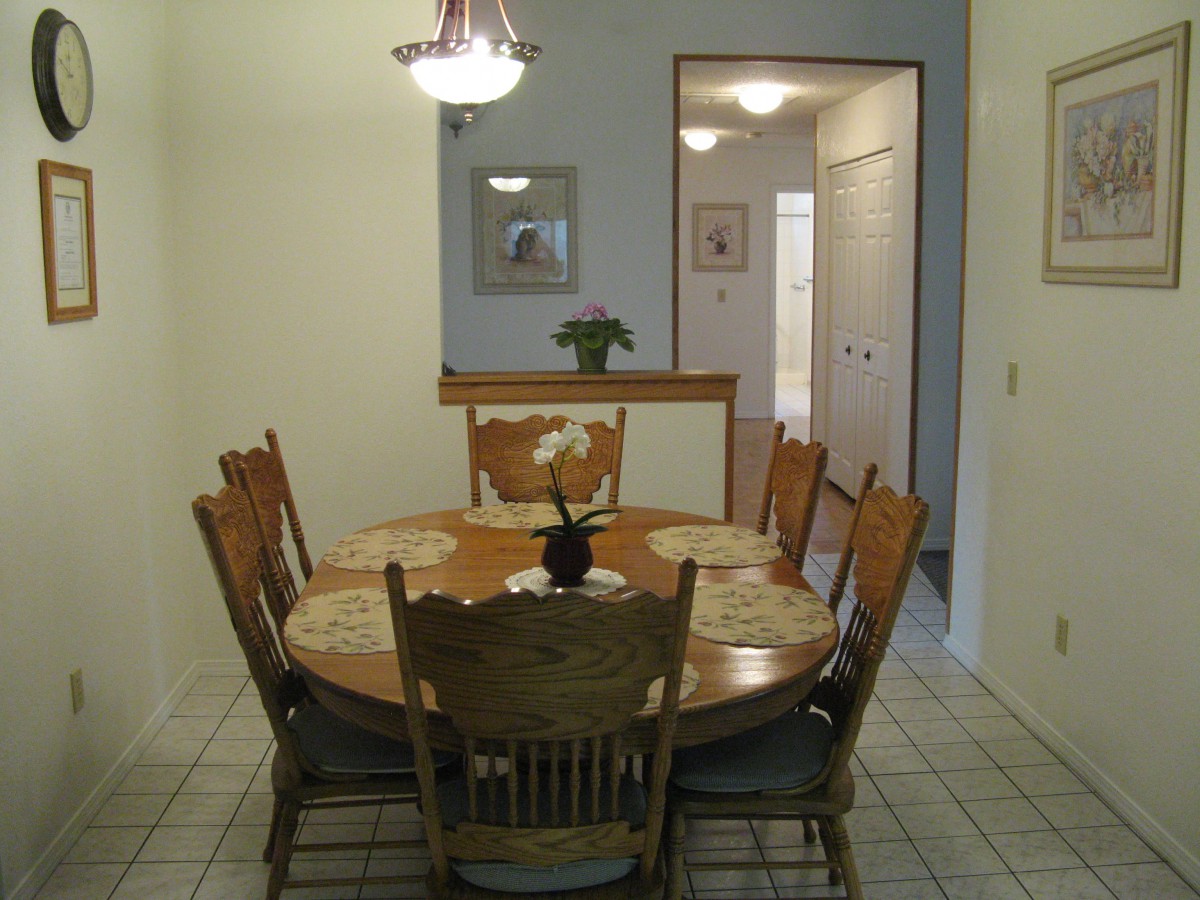
 The house was lovely.
- Ms. Dumitru was lovely.
- The reviewer was very impressed.
Review
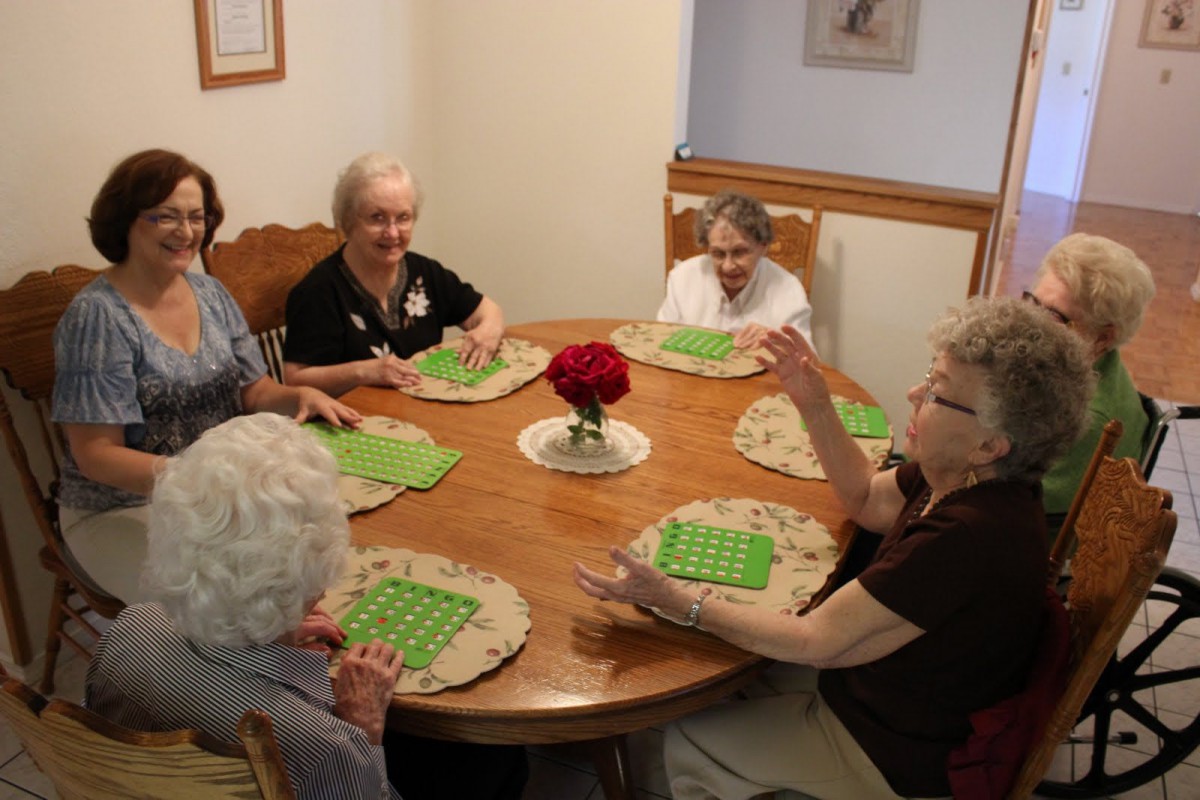
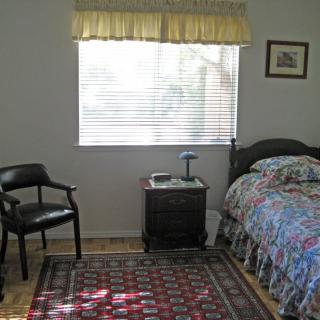
Ana's Loving Home Care in Citrus Heights is best suited for seniors who want a warm, home-like setting with a single, devoted caregiver who can provide highly personalized attention. The arrangement appeals to residents who thrive on continuity, predictable routines, and feeling truly seen by the person delivering day-to-day care. In this model, the ambiance matters as much as the support; a well-kept, comfortable house paired with a caregiver who communicates kindly often translates into calmer days, easier transitions, and greater peace of mind for both resident and family. This is the kind of place where the environment itself becomes a part of the care plan.
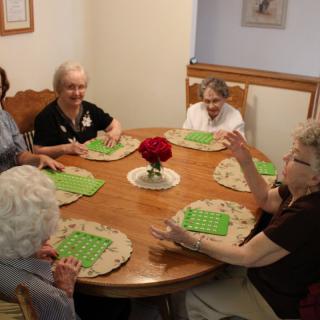
That said, families should consider alternatives if the resident needs more formalized, multi-staff oversight or a broader spectrum of services. For seniors requiring intensive medical management, 24/7 nursing coverage, extensive memory-care programming, or highly structured activities, a larger community with on-site clinical teams may be a better fit. Likewise, if daily social engagement, rehab services, or routine access to diverse wellness programs are non-negotiables, the intimate home setting might feel limiting. In short, those with complex medical needs or a preference for a bustling, activity-rich campus will want to compare options carefully.
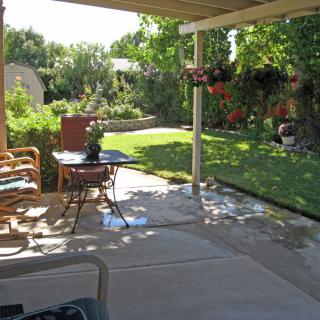
The most compelling pros center on atmosphere and caregiver relationship. The home’s appearance and upkeep create an immediately comforting impression, and the caregiver, Ms. Dumitru, comes across as genuinely committed and capable. Reviews repeatedly note the house’s loveliness and the caregiver’s positive presence, which translates into dependable daily routines, responsive communication, and a sense that someone is attentively overseeing personal comfort. For families prioritizing trust, reliability, and a steady, low-stress environment, these strengths are substantial and not easily matched by larger facilities.
Conspicuously, the reviews provide little detail on the breadth of services beyond the home setting. That lack of specificity signals potential gaps that families should investigate before making a decision. Questions to ask include: what medical supports are available on-site (medication management, wound care, nurse visits), what happens when health needs scale up, how mobility and daily activity assistance are delivered, and what safety and emergency protocols exist. The absence of explicit programming or clinical capabilities means that this option may not satisfy every resident, especially those who expect a robust activities calendar or on-demand rehabilitative services.
How the advantages offset the potential gaps depends on resident priorities. For someone who values a dignified, intimate living arrangement and a caregiver who offers highly personalized contact, the strengths can nearly erase the concerns about limited staff and activity breadth. The absence of a large, impersonal campus often reduces herding through routines and fosters a sense of belonging. In this light, the emotional and logistical benefits, consistent companionship, fewer transitions, and a familiar home base, can outweigh the downsides, provided the resident’s care needs stay within the caregiver’s scope and the family remains engaged in ongoing care planning.
Practical next steps tailor the fit. Prospective families should request a detailed care plan and a written outline of services included, plus a discussion of what happens if medical needs intensify. Arrange a first-hand look during different times of day to observe routines, boundaries, and safety measures in action. Verify licensing, background checks, and any applicable local regulations, then compare cost structures and long-term care trajectories with nearby options that offer more defined clinical support. Finally, seek references beyond the listing and ask for a short trial period to confirm that the caregiver relationship, house environment, and daily rhythm deliver the level of security and comfort that align with the resident’s preferences and health status.
 6 resident community capacity
 Assisted Living
 Board and Care Home
 Respite Care
 Cats allowed
 Dogs allowed
 Activities off-site
 Air-conditioning
 Beautician on-site
 Cable or satellite TV
 Devotional services on-site
 Dining room
 Fully furnished
 Garden
 Handicap accessible
 Housekeeping services
 Indoor common areas
 Move-in coordination
 Outdoor common areas
 Private
 Private bathrooms
 Telephone
 Wheelchair accessible showers
 Wi-Fi/high-speed internet available
 Sacramento International (17 miles away)
 24-hour supervision
 Ambulatory care
 Assistance with bathing
 Assistance with dressing
 Assistance with transfers
 Diabetes diet
 Diabetic care
 High acuity care
 Incontinence care
 Meal preparation and service
 Medication management
 Special dietary restrictions
 Transportation arrangement (medical)
 Transportation to doctors appointments
 Art classes
 Catholic services
 Day trips and outings
 Educational speakers / life long learning
 Live musical performances
 Stretching classes
 Trivia games
 Wine tasting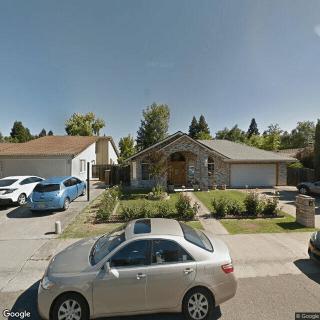



 Is Assisted Living Deductible on Your Taxes? Understanding the Complexities of Assisted Living Expenses and Deductions
 Assisted Living Support for Veterans: A Complete and Detailed Overview
 Exploring the Contrasts Between Assisted Living and Skilled Nursing