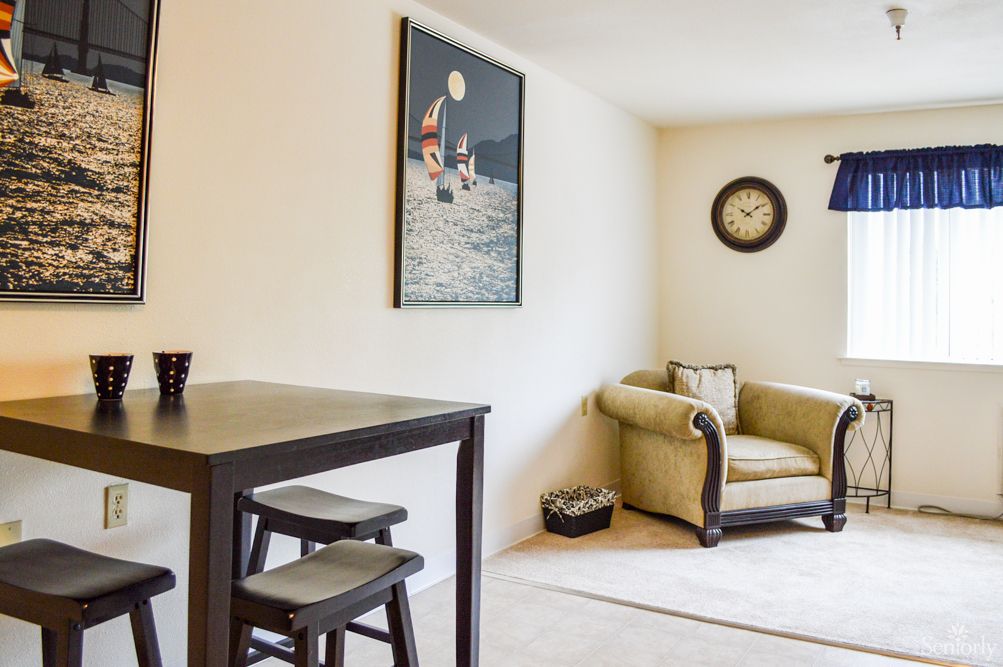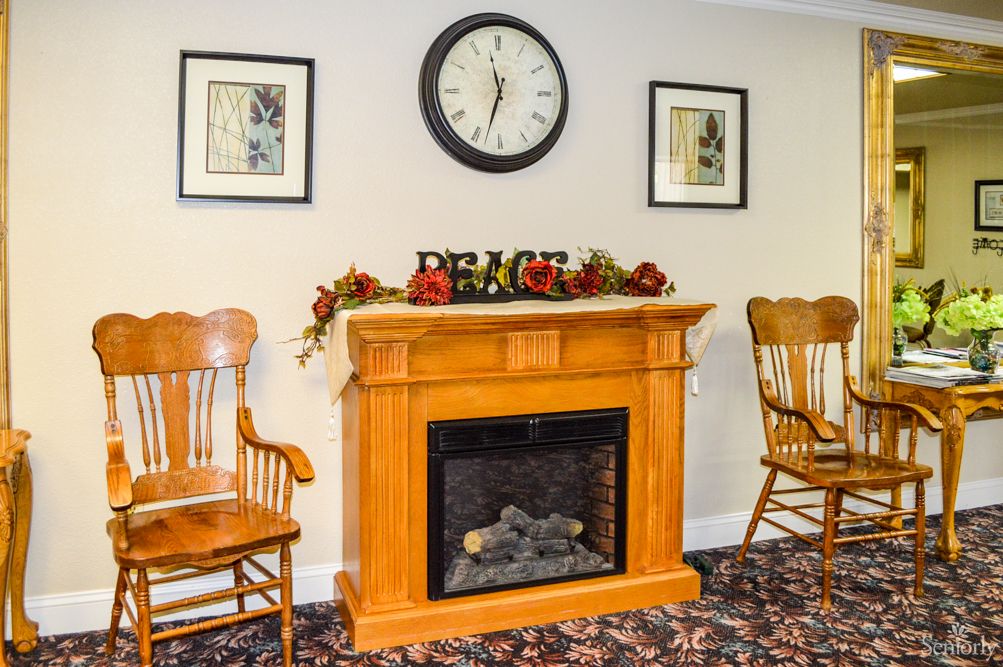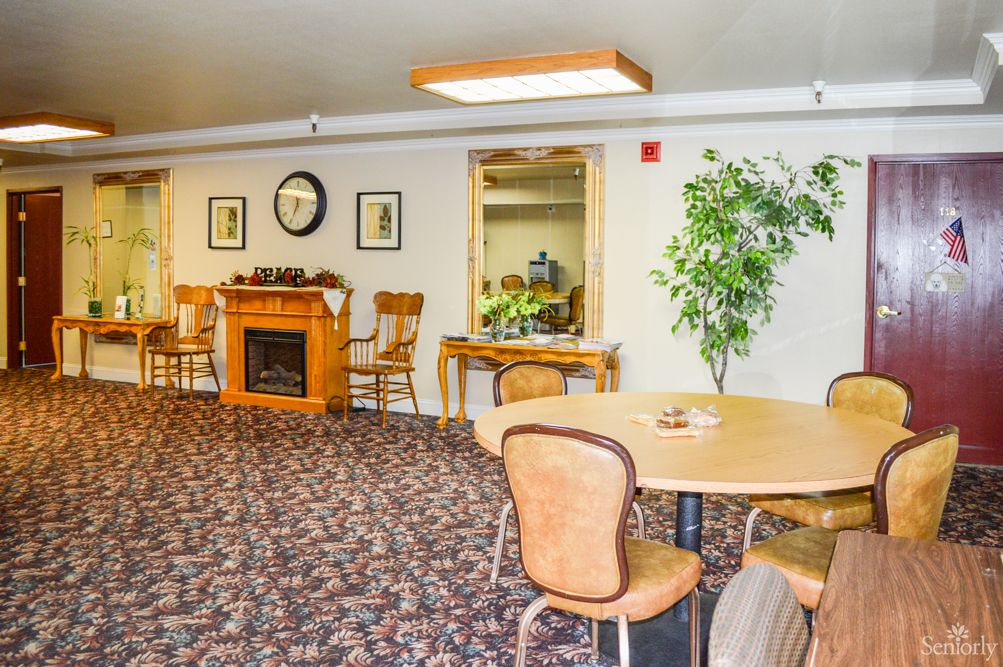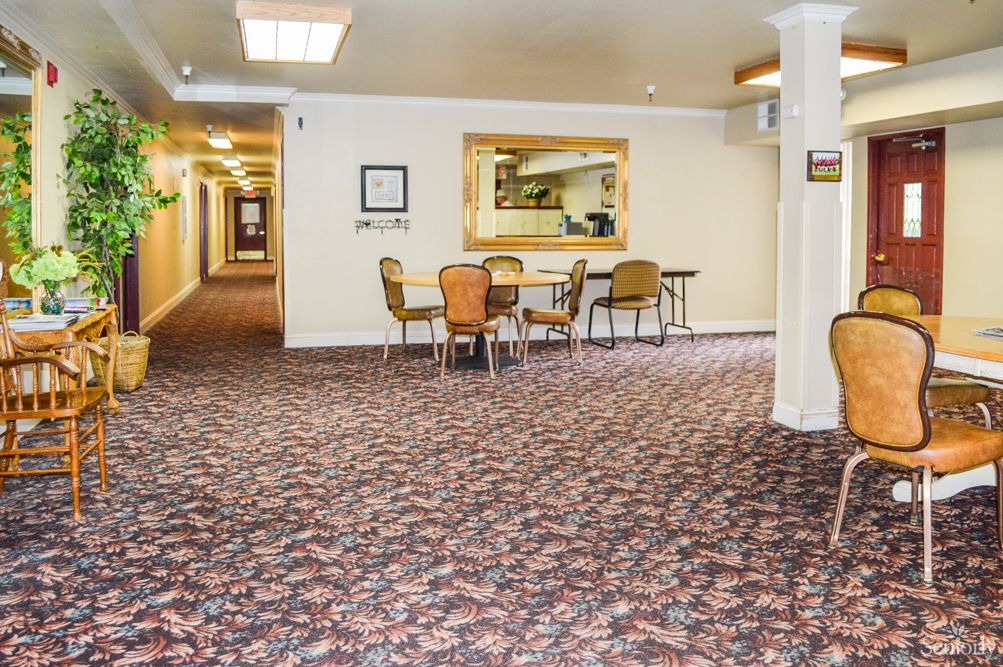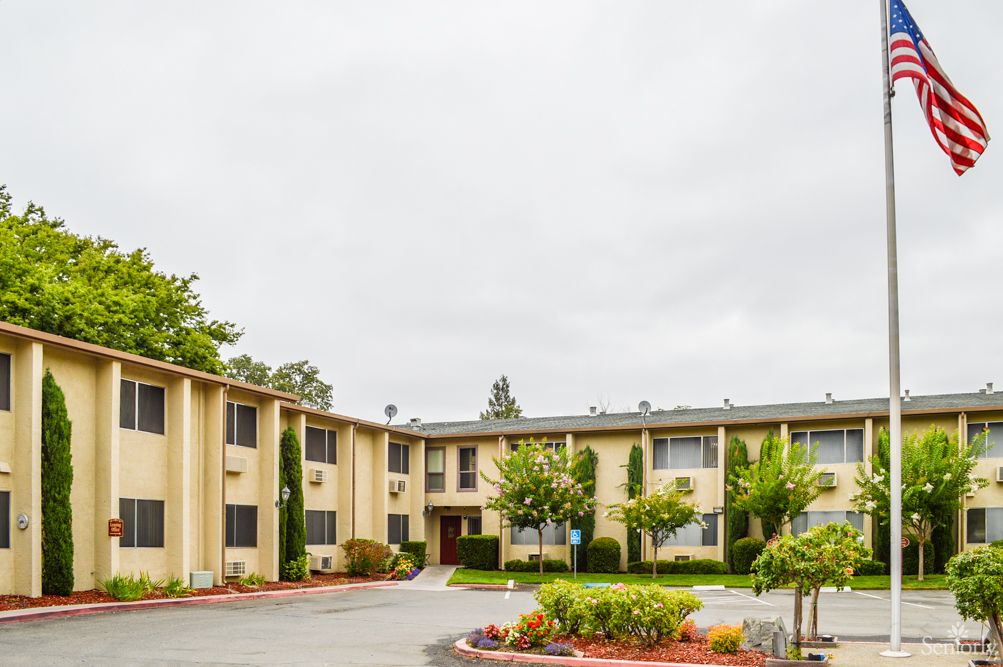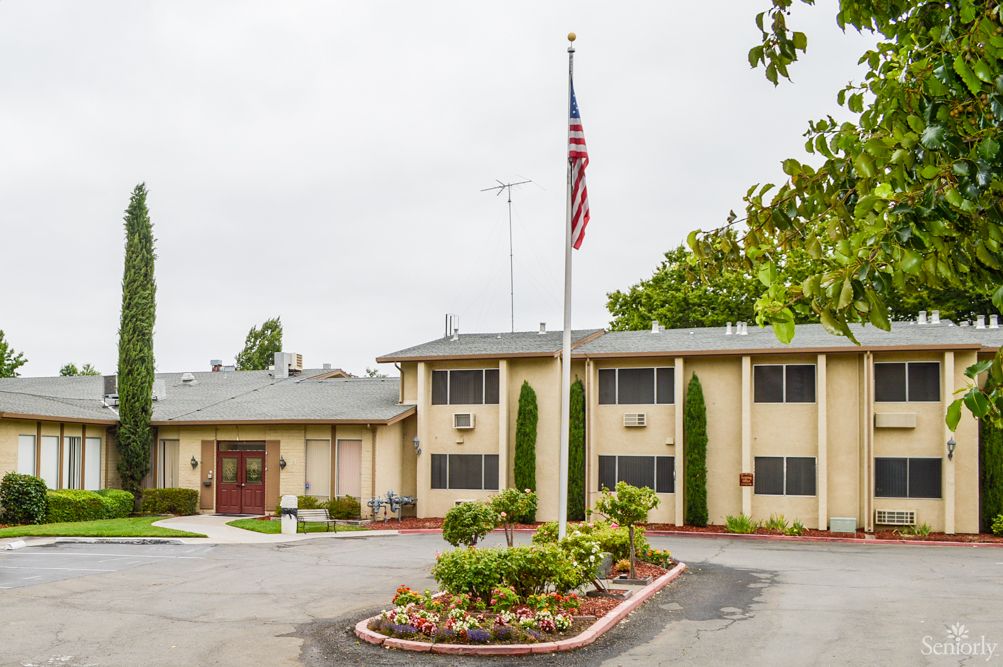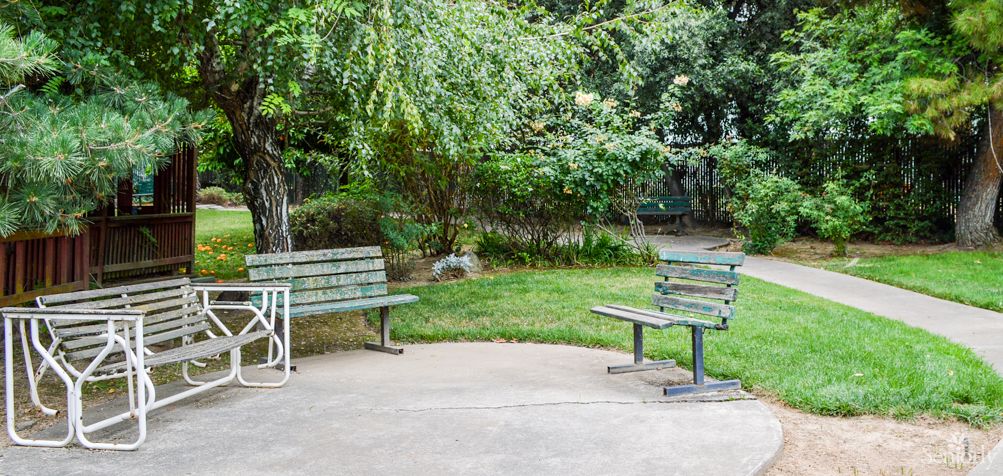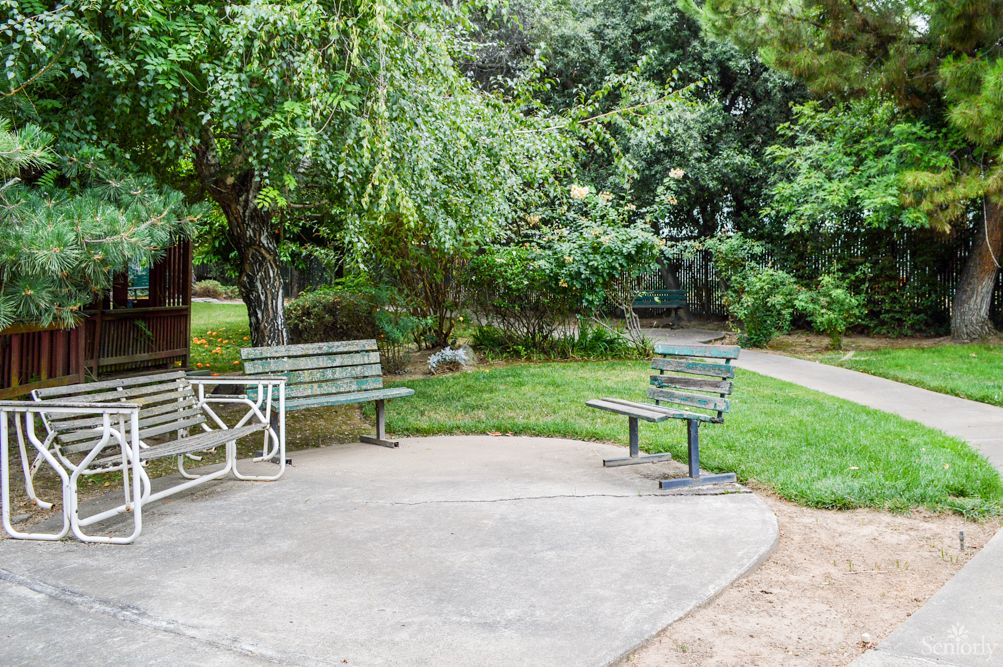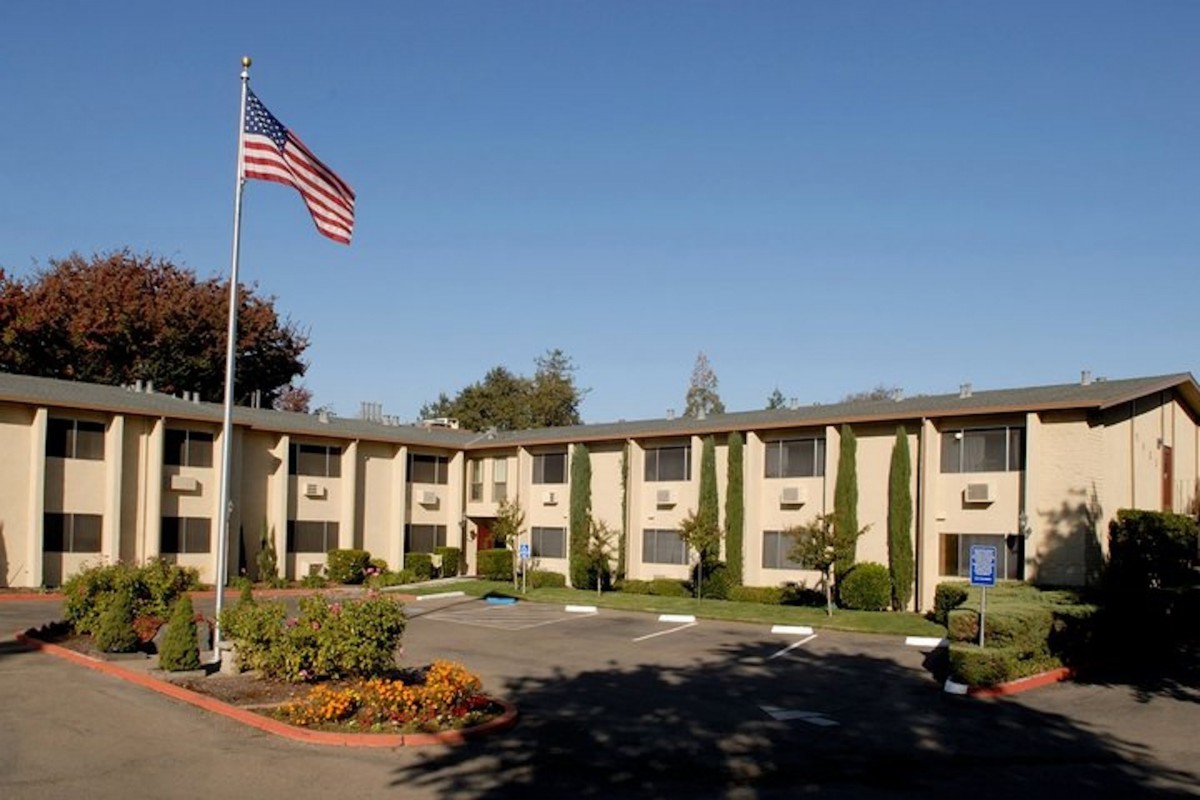
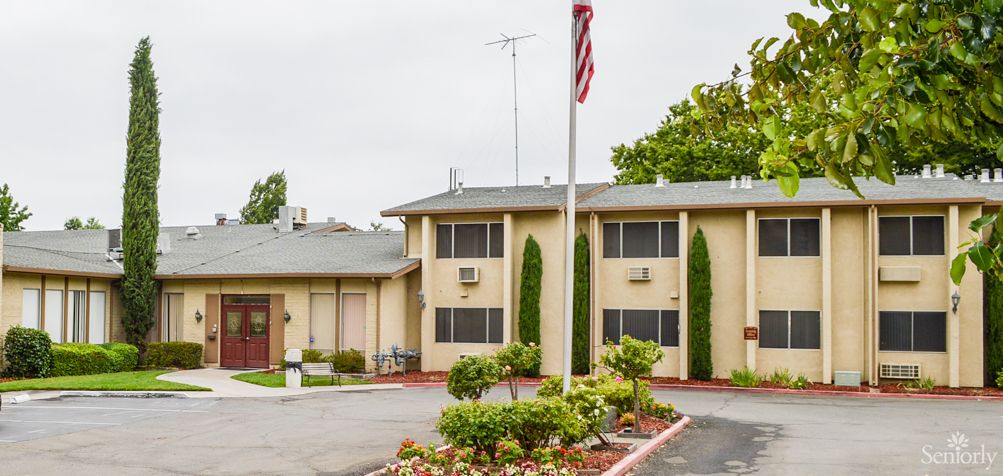



7501 Sunrise Boulevard, Citrus Heights, CA 95610
For more information about senior living options: (866) 208-4318
Auburn Oaks Senior Living Costs & Pricing
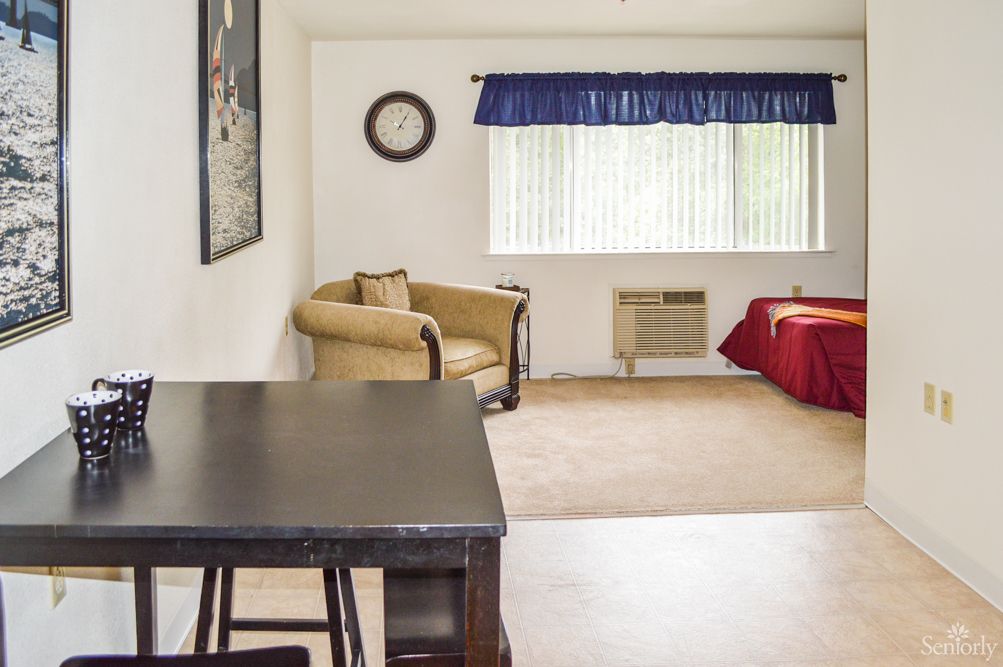
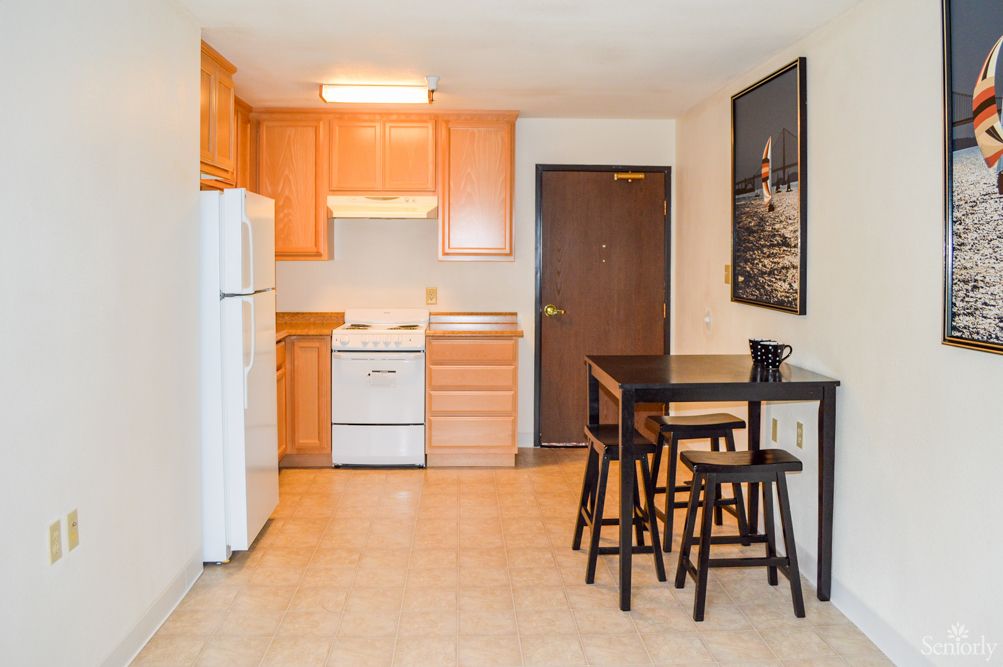
Auburn Oaks Senior Living offers competitive pricing for its accommodations when compared to broader averages in Sacramento County and the state of California. The monthly cost for a studio unit at Auburn Oaks is $795, significantly lower than the county's average of $3,865 and the state's average of $4,145. Similarly, their one-bedroom apartments are priced at $995, which again stands in stark contrast to the county average of $3,758 and the statewide figure of $4,340. This substantial difference highlights Auburn Oaks as an attractive option for individuals seeking quality senior living without the financial strain typically associated with other facilities in the area.
| Floor plans | Auburn Oaks Senior Living | Sacramento County | California |
|---|---|---|---|
| Studio | $795 | $3,865 | $4,145 |
| 1 Bedroom | $995 | $3,758 | $4,340 |
Independent Living communities with a similar price nearby
-
from +$155 / mo

Lincoln Senior Citizens Apt
$950 / month13.1 miles away
Overall Review of Auburn Oaks Senior Living
Pros
 It was really nice when they first moved here.
Cons
 The place is terrible and has gone to hell; it is a mess with roaches taking over.
- It resembles the slums, full of trash, drugs, tents, and broken-down cars, with stray cats roaming around.
- Seniors are vulnerable there and could be taken advantage of.
- It has shifted from a senior home to what feels like a homeless shelter, with more government money than care for residents.
- The apartment complex is full of the loudest people who blast music all day.
- The staff do not check on residents during the pandemic, leaving those without caring families without support.
- It is unprofessional and not worth recommending.
Review
Auburn Oaks Senior Living in Citrus Heights is best understood as a last-resort option for seniors who are extremely budget-constrained and willing to tolerate a deteriorating environment in exchange for staying in the area. A long-tenured resident recalls it being decent years ago, but the current reality is stark: the property has declined, grounds are not maintained, and basic safety and comfort have slipped. This is not a community for families seeking stability, cleanliness, or predictable oversight; it is a facility that may appeal only to those who have nowhere else affordable to turn and who are prepared to accept ongoing compromises in quality of life.
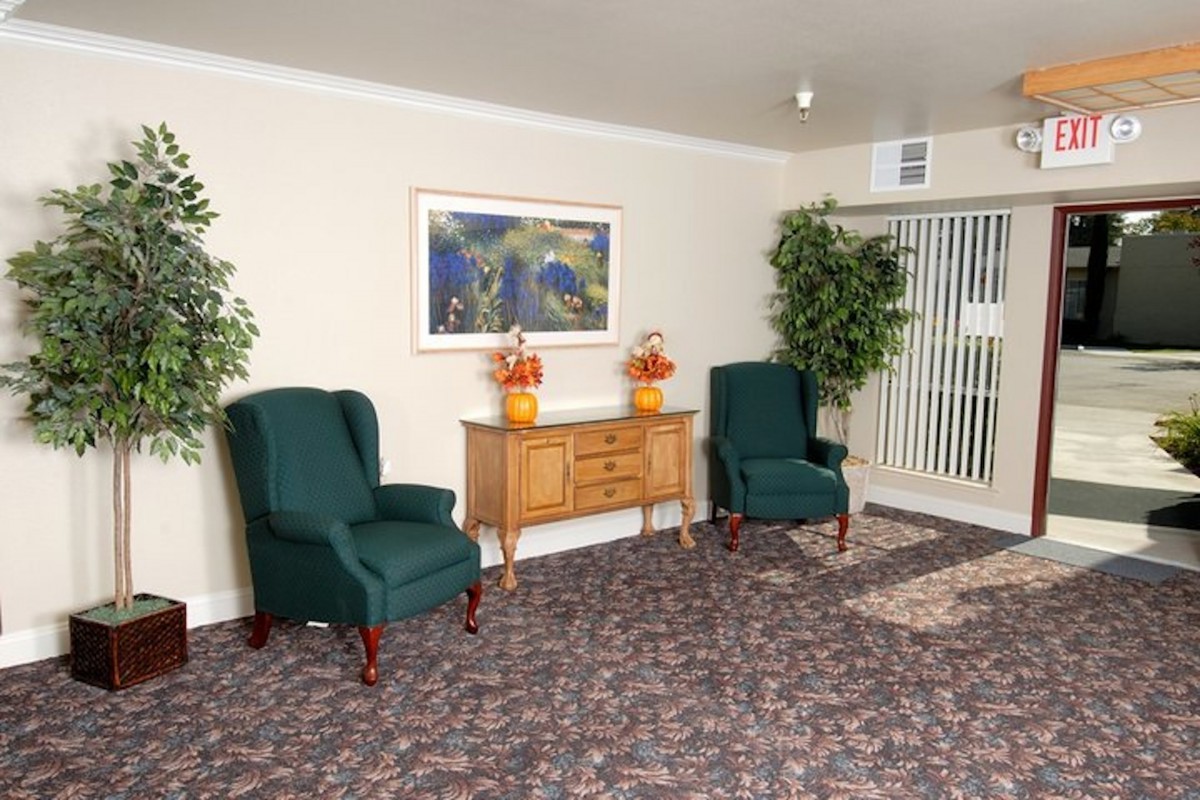
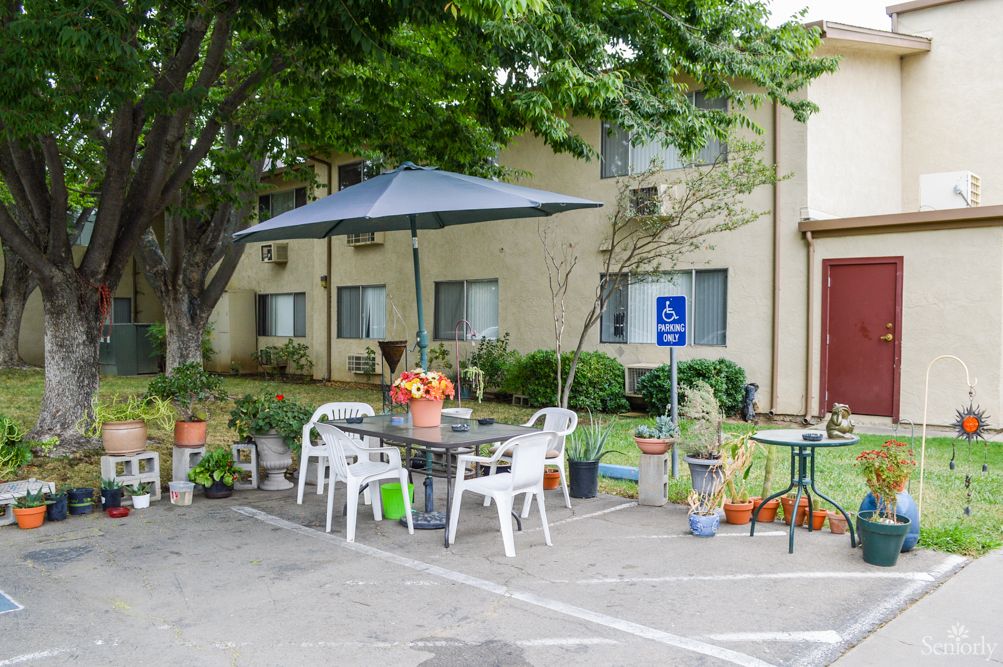
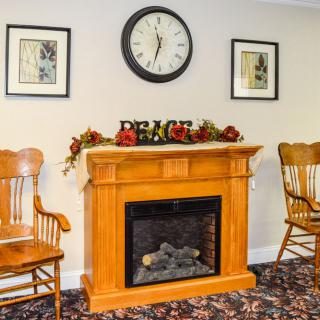
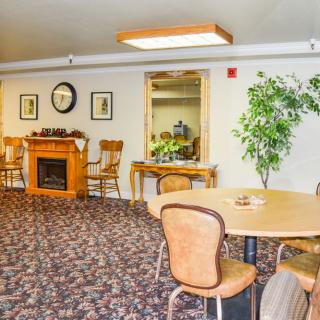
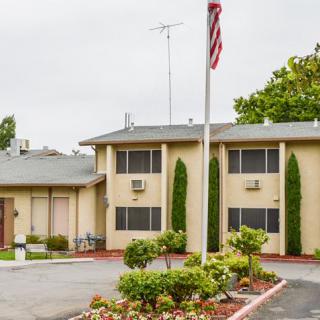
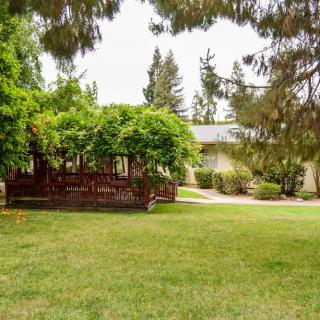
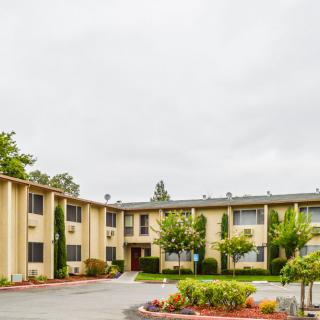
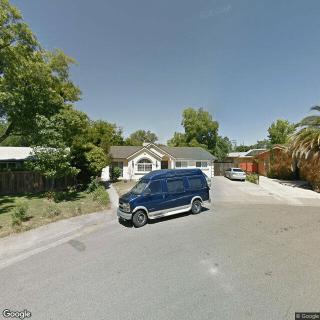
Anyone who expects reliable safety, clean common spaces, quiet living, and attentive staff should look elsewhere. The reviews depict a troubling pattern: a neighborhood atmosphere mingled with trash, tents, drug paraphernalia, stray animals, and even broken-down vehicles on site. Several commenters openly question whether the environment has become more akin to a slum than a senior living setting. For seniors who rely on consistent supervision, daily check-ins, and a sense of dignity, these conditions are not just inconvenient, they undermine safety and well-being. Families with loved ones who need active monitoring or urgent support should strongly consider alternatives.
The most salient cons cluster around neglect and disruption, and they tend to overpower any potential upside. Yard maintenance is described as non-existent, pests and cleanliness issues are implied, and the overall environment feels unsafe and unsteady. The presence of loud, disruptive behavior, loud music and other disturbances, breaks any sense of a peaceful living space. Add to that reports of a lack of regular resident checks and concerns about unethical or unprofessional management practices, and the picture becomes untenable for most seniors who value predictable routine and respectful oversight. In short, risk factors repeatedly cited by residents and family members exceed any possible benefits.
The few potential advantages, primarily affordability and location, do little to offset the core drawbacks. While staying in Citrus Heights might be convenient for family visits or integrating with familiar surroundings, the cost savings are consumed by ongoing crime-adjacent conditions, noise, and what feels like inconsistent enforcement of community standards. A resident’s remark about wanting to move but being financially trapped underscores a brutal reality: accessibility without quality care is a hollow bargain. For families weighing options, the math never pencils out in Auburn Oaks unless the priority is simply staying put at all costs, regardless of the daily toll on safety and dignity.
If this community remains under consideration, a disciplined due-diligence plan is essential. Timed visits at different hours are crucial to observe noise, behavior, and staff presence. Speak directly with multiple residents about how often they are checked on, whether meals are served with any regularity, and how responsive the front desk and maintenance teams are. Request up-to-date information on pest control, yard maintenance, and security measures. Consider consulting local senior services or an ombudsman to compare Auburn Oaks with nearby options that consistently demonstrate cleaner facilities, quieter environments, and more reliable supervision. If relocation proceeds, secure a clear plan with assistance, ideally a transition path that minimizes disruption and addresses financial constraints.
Bottom line: Auburn Oaks Senior Living is a highly constrained choice, appropriate only for seniors with almost no affordable alternatives and who are willing to endure a materially compromised environment. For the vast majority of families, it warrants avoidance in favor of communities with proven cleanliness, safer surroundings, and stable, professional care. If moving is not immediately possible, treat this as a temporary stop-gap and implement stringent safety measures, establish a concrete relocation plan, and engage external oversight to safeguard a loved one’s well-being. The balance of evidence strongly favors pursuing other options that prioritize dignity, safety, and consistent care.
 45 resident community capacity
 Active Adult Communities (55+)
 Independent Living
 Respite Care
 Cats allowed
 Dogs allowed
 Activities off-site
 Bath tubs
 Beauty salon
 Cable or satellite TV
 Devotional services off-site
 Dining room
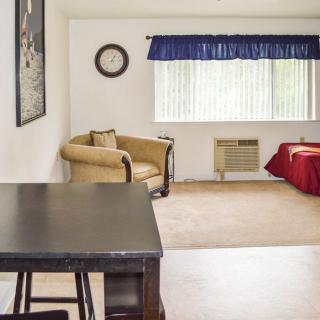
 Fully furnished
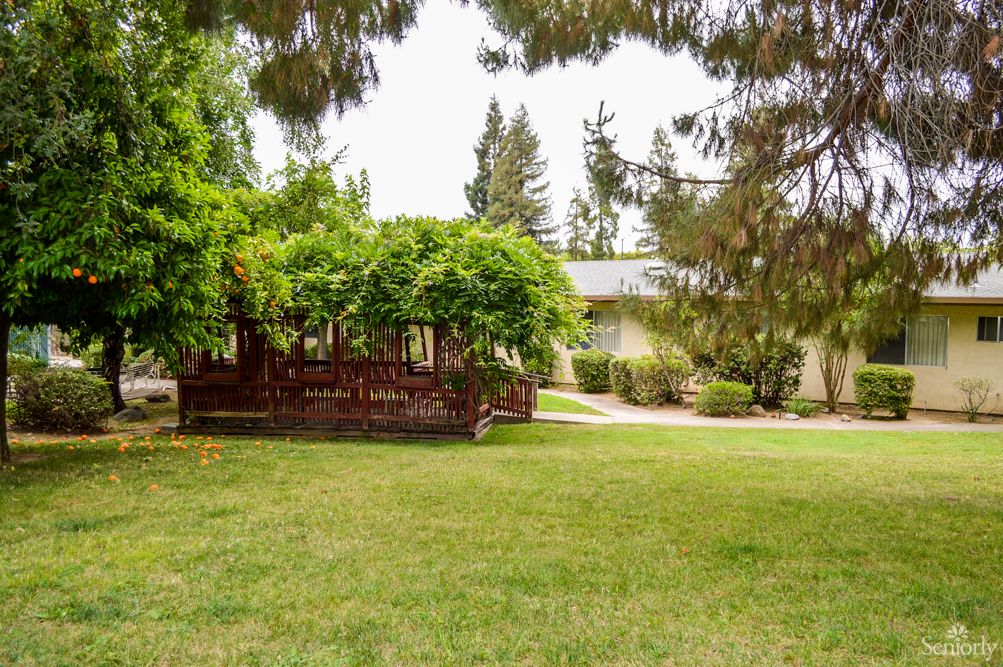
 Garden
 Housekeeping services
 Indoor common areas
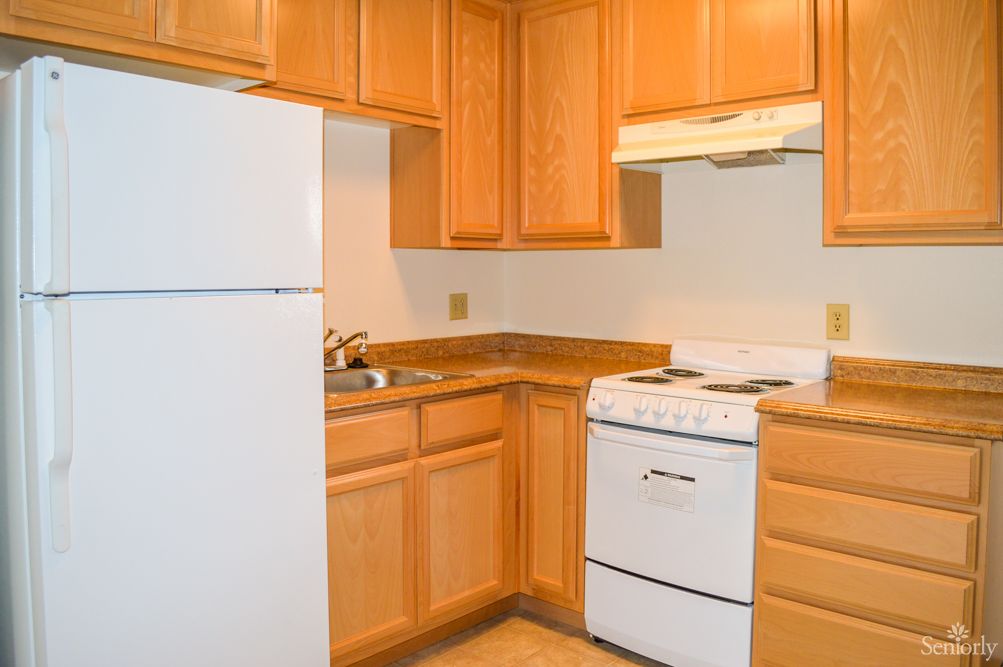
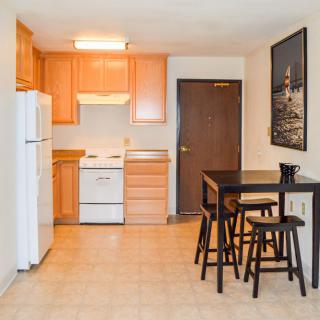
 Kitchenette
 Move-in coordination
 Outdoor common areas
 Telephone
 Wheelchair accessible showers
 Wi-Fi/high-speed internet available
 Sacramento International (17 miles away)
 24-hour call system
 Assistance with dressing
 Hospice waiver
 Meal preparation and service
 Medication management
 Mental wellness program
 Diabetes diet
 Special dietary restrictions


 Comprehensive Approaches for Arthritis: A Detailed Guide to Symptoms, Causes, and Care
 Comprehensive Insights and Practical Strategies to Help Older Adults Avoid Falls
 6 Crucial Ways an Elder Law Attorney Assists Families