
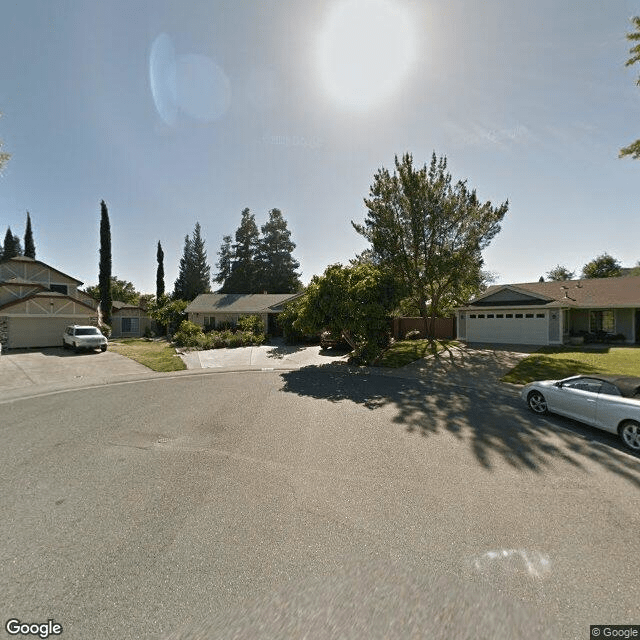
7709 Chipmunk Way, Citrus Heights, CA 95610
For more information about senior living options: (866) 208-4318
In Loving Hands Care Home Costs & Pricing
In Loving Hands Care Home offers competitive pricing for its residents, with a semi-private room costing $3,300 per month. This rate is slightly above the Sacramento County average of $3,106 but is notably lower than the broader California average of $3,333. For those seeking more privacy, the care home's private room option is priced at $3,500 per month, which is more affordable than both the county's average of $3,686 and the state's average of $3,939. Overall, In Loving Hands Care Home provides a valuable alternative for individuals seeking quality care in a comfortable environment while maintaining reasonable costs compared to regional benchmarks.
| Floor plans | In Loving Hands Care Home | Sacramento County | California |
|---|---|---|---|
| Semi-Private | $3,300 | $3,106 | $3,333 |
| Private | $3,500 | $3,686 | $3,939 |
Assisted Living communities with a similar price nearby
-
from -$300 / mo
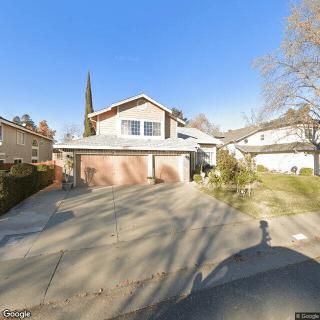
Afable Care Home
$3,000 to $3,500 / month5.7 miles away -
from -$300 / mo

Love & Care for Elder
$3,000 to $4,500 / month3.9 miles away -
from -$295 / mo

Hear Seniors
$3,005 to $3,870 / month7.3 miles away -
from -$300 / mo

Sunflower's Home
$3,000 / month1.0 miles away -
from +$200 / mo

Diamond Oaks Residential Care
$3,500 to $4,000 / month4.1 miles away
Overall Review of In Loving Hands Care Home
Pros
 The family is very caring.
- They’re welcoming, and the owner is a sweetheart who cares for the residents and those who care for them.
- The facility is very well kept.
- The staff are wonderful, caring, and loving.
- Finding this placement was a blessing for the family.
- The home’s name is perfect, and the owners and staff are amazing.
- The director answered all questions, and the place was clean and well kept.
- The food is good.
Cons
 The reviewer stated that the facility’s name was not good.
 - The door attendant made a slightly racist comment toward the reviewer and her family.
- The attendant blocked the door and claimed they did not know of any appointment.
- They were told the facility was full and were kept out.
- They felt their time was wasted and were treated rudely.
- They would never want their father there.
- They were offended by the experience.
Review
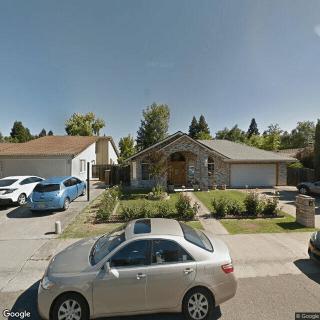
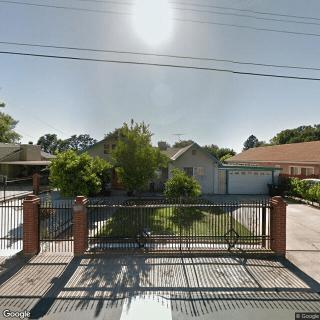
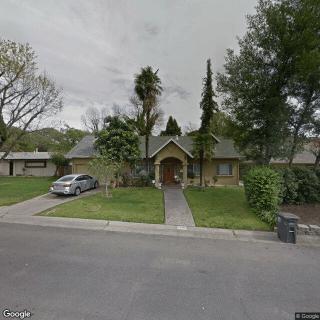
In Loving Hands Care Home in Citrus Heights, CA is best suited for families seeking a warm, intimate, home-like setting where a small team can deliver highly attentive, relationship-driven care. It suits seniors who want daily personal interaction, a sense of belonging, and social activities that feel more like a family routine than a facility schedule. This community works well for residents who need moderate assistance with daily tasks but do not require the intense medical oversight of a larger campus. Families prioritizing a welcoming owner and hands-on staff, a clean and homey environment, and an emphasis on everyday quality of life will find this setting a strong fit.
The strongest positives center on genuine care and a lived-in sense of community. Multiple accounts praise a welcoming, family-oriented atmosphere, with the owner described as exceptionally caring and attentive to both residents and caregivers. The home is consistently portrayed as clean and well kept, and staff are responsive and friendly. Residents are regularly engaged in outdoor time on the patio, group viewing of movies, and shared activities that reinforce community togetherness. Practical supports, such as transportation to doctor appointments, are highlighted as reliable, and experiences with hospice care are described as compassionate and respectful, underscoring a comforting presence during difficult transitions.
Food and daily life emerge as practical, meaningful strengths. Reviewers note that meals are appealing, with good aroma and quality, and that the environment supports a cohesive daily rhythm, residents dine and socialize together, and the staff facilitate outings and shared routines. The consistent thread across the most favorable reviews is a feeling that the home truly treats residents like family, with caregivers who know the names and needs of each person and respond with patience and warmth. This is precisely the kind of setting that reduces anxiety for families seeking stability, familiarity, and straightforward, compassionate care.
However, one star stands out in an otherwise high-scoring set of reviews, signaling a real but uncommon risk: a single encounter described as rude at the door, with alleged discriminatory remarks and a claim that the facility was full and difficult to access. This outlier does not erase the overall pattern of care, but it does illuminate a critical area for due diligence. Prospective families should assess admissions interactions and observe firsthand how front-dline staff handle inquiries, ensuring that respect, inclusivity, and clear communication are consistently upheld. The small, family-run nature of this home means experiences can hinge on the specific shift or person, making direct observation essential.
These pros offset the main caveat by aligning with families who value a loving, low- to moderate-structure environment and are comfortable with a smaller scale operation. The combination of a dedicated ownership team, attentive caregivers, and a built-in social framework provides tangible benefits that often translate into confident peace of mind for families, especially during transitions related to hospice or end-of-life care. The willingness to coordinate doctor visits, the emphasis on outdoor time, and the sense of a shared, respectful community all contribute to a compelling case for choosing this home for the right resident.
For families who need more than a warm, intimate setting, specifically residents requiring robust memory care, extensive 24/7 medical oversight, or a larger campus with broad-programmatic options, alternatives may be prudent. Larger assisted living facilities or dedicated memory-care communities typically offer higher nurse-to-resident ratios, more structured programming, and formalized admissions processes with standardized policies. If inclusivity, consistent staffing across shifts, and a broader range of medical and therapeutic services are non-negotiable, exploring these options alongside In Loving Hands Care Home is wise to ensure a fit that matches medical needs and long-term expectations.
 6 resident community capacity
 1-bedroom apartments
 Assisted Living
 Board and Care Home
 Respite Care
 Activities off-site
 Cable or satellite TV
 Dining room
 Fully furnished
 Garden
 Housekeeping services
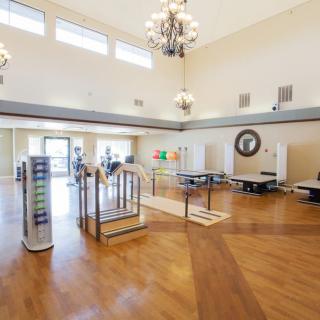
 Indoor common areas
 Move-in coordination
 Outdoor common areas
 Private
 Private bathrooms
 Telephone
 Wheelchair accessible showers
 Wi-Fi/high-speed internet available
 Sacramento International (18 miles away)
 24-hour supervision
 Ambulatory care
 Assistance with bathing
 Assistance with dressing
 Assistance with transfers
 Diabetes diet
 Diabetic care
 High acuity care
 Incontinence care
 Meal preparation and service
 Medication management
 Special dietary restrictions
 Transportation arrangement (medical)
 Transportation to doctors appointments

 Exploring the Contrasts Between Assisted Living and Skilled Nursing
 8 Key Indicators That Suggest It May Be Time to Transition from Assisted Living to Skilled Nursing Care
 Vibrant Senior Living: A Comprehensive Guide for Active Older Adults