Woodland Heights offers competitive pricing compared to both Pulaski County and the broader state of Arkansas. For instance, a studio apartment at Woodland Heights is priced at $2,200 per month, significantly lower than the county average of $3,859 and the state average of $2,863. Similarly, one-bedroom units are priced at $2,800, which again undercuts both the county's rate of $3,648 and the state's rate of $3,322. Even for larger two-bedroom accommodations, Woodland Heights remains appealing at $3,200 compared to Pulaski County's $3,588 and Arkansas's average of $3,490. However, in the case of semi-private rooms priced at $5,000 per month - well above local averages - it seems that Woodland Heights may cater more towards specialized services or amenities that justify this higher cost. Overall, Woodland Heights presents an attractive option for individuals seeking affordable living arrangements while still offering certain premium features that may enhance their experience.
Floor plans
Woodland Heights
Pulaski County
Arkansas
Studio
$2,200
$3,859
$2,863
1 Bedroom
$2,800
$3,648
$3,322
2 Bedrooms
$3,200
$3,588
$3,490
Semi-Private
$5,000
$3,713
$3,651
Memory care communities with a similar price nearby
Residents and families describe consistently supportive, respectful staff with responsive communication.
Many reviewers say the staff is kind, professional, and attentive, including nurses and caregivers who treat residents with dignity. Several families mention easy ways to reach the team by phone, text, or email, along with updates and follow-up after needs or concerns. A few negative reviews also point to communication gaps when people struggled to get in touch, and those families described missed follow-up after incidents. Overall, the strongest pattern is that communication and day-to-day support are a major driver of comfort for families.
common18 reviews mention this
Food quality and dining variety
Dining is frequently praised as varied and genuinely enjoyable.
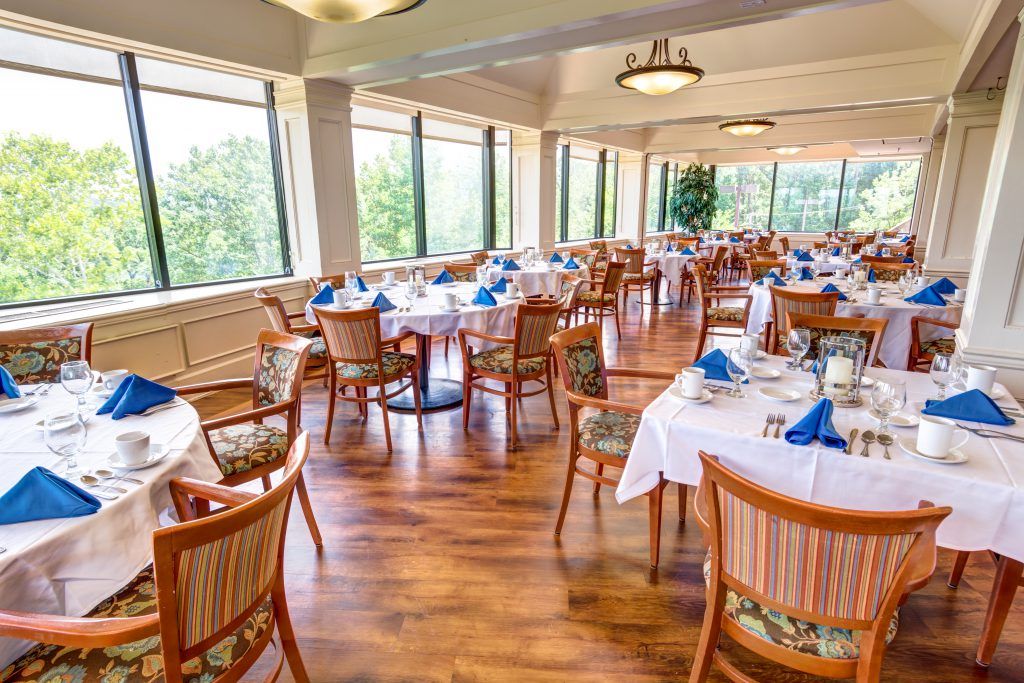
Multiple residents and family members describe the food as good or great, with meal variety and regular access to meals. Some reviewers mention that meals were included and that their loved ones raved about the taste, while others specifically point to breakfasts, soup and salad, and multiple entrees. A few comments are less positive—one reviewer said dining service was hard to get and another described the food as getting worse—but most feedback is still supportive of the dining experience. The community also positions dining as restaurant-style, which matches how many residents talk about the meals they receive.
common28 reviews mention this
Activities keep residents engaged
Organized activities and outings help residents stay social and engaged.
Reviewers repeatedly describe a full calendar of activities, including game nights, bingo, cards, crafts, book clubs, and live music or events in shared spaces. Several families say their loved ones quickly made friends and seemed to stay “busy” in a good way, with daily opportunities rather than long gaps. Some reviewers also mention transportation and scheduled outings, including rides to shopping or doctor appointments. A small number of reviews mention periods when programming felt limited, but others say that problem was resolved once an activities leader was in place.
common22 reviews mention this
Clean, well-kept building
Cleanliness and upkeep come up often, including well-maintained common areas and apartments.
Many reviewers describe the facility as very clean, well maintained, and updated, with housekeeping that keeps things fresh. Several people also highlight cleanliness during tours and visits, along with a maintained feel in dining and other shared areas. Some negative reviews focus on specific cleanliness or upkeep issues, including dirty hallways or elevators and concerns about maintenance being neglected. Even with those cautions, the dominant impression in the reviews is that the building is kept up and cared for.
differentiator10 reviews mention this
Care across levels within one building
Residents value being able to receive multiple levels of care within the same community.
Several reviewers describe choosing Woodland Heights because it can support different stages of care without moving to a different place. People mention moving from independent living toward more supported care, and at least one family describes needing end-of-life care while remaining in the community. This aligns with the community offering independent living, assisted living, memory care, and respite care. Reviewers still differ on how well the building itself fits the sickest situations, but the overall appeal of an on-site care continuum is clear.
caveat6 reviews mention this
Pricing feels high for some families
Some residents and families say the cost can be a deal-breaker or stress point.
A number of reviews connect concerns to expense—one reviewer said a rent increase would force them to move, and others described the community as too costly or more expensive than expected. There are also mentions that the facility’s value depends on including meals, and some people still felt the pricing was reasonable for what they got. Even when the food and activities are praised, cost still shows up as a recurring constraint for specific households. Pricing is also positioned as higher in the “enhanced care” context, which some reviewers used to explain why they chose another option.
How we summarize
Counts show how many written reviews mention each theme; a review can touch several themes, and only frequently mentioned themes are displayed.
Features
Housing
178 resident community capacity
1-bedroom apartments
2-bedroom apartments
Studio apartments
Types of Care
Assisted Living
Independent Living
Memory Care
Respite Care
Pets
Cats allowed
Dogs allowed
Amenities
Activities off-site
Activities on-site
Air-conditioning
Bath tubs
Beautician on-site
Beauty salon
Cable or satellite TV
Computer center
Devotional services on-site
Dining room
Fireplaces
Fitness room
Full kitchen
Fully furnished
Gaming room
Garden
Garden view
Ground floor units
Handicap accessible
Housekeeping services
Indoor common areas
Kitchenette
Laundry
Move-in coordination
Outdoor common areas
Outdoor space
Private bathrooms
Private patio, deck, or balcony
Resident parking
Respite or short term stays offered
Restaurant-style dining
Small library
Swimming pool
Swimming pool / hot tub
Telephone
Wellness center
Wheelchair accessible showers
Wi-Fi/high-speed internet available
Transportation
Adams (6 miles away)
Community operated transportation
Transportation & parking
Transportation arrangement
Transportation arrangement (non-medical)
Transportation to doctors appointments
Care Services
12-16 hour nursing
24-hour call system
24-hour supervision
Activities of daily living assistance
Ambulatory care
Assistance with bathing
Assistance with dressing
Assistance with transfers
Diabetes diet
Diabetic care
Incontinence care
Meal preparation and service
Medication management
Mental wellness program
Mild cognitive impairment
Special dietary restrictions
Specialized memory care programming
Dining
Diabetes diet
Gluten-free
Guest meals
International cuisine
Low / no sodium
Meals provided
No Sugar
Professional chef
Restaurant style dining
Room service
Special dietary restrictions
Special dining programs
Vegetarian
Activities
Activities off-site
Art classes
Catholic services
Community-sponsored activities
Concierge services
Cooking classes
Day trips and outings
Devotional activities on-site
Educational speakers / life long learning
Fitness programs
Jewish services
Karaoke
Other religious services
Planned day trips
Protestant services
Religious services
Resident-run activities
Scheduled daily activities
Visiting Rabbi
Visiting chaplain or priest
Languages Spoken
English
Nearby Places of Interest
This area of Little Rock, Arkansas, offers a convenient and accessible location for senior living. With a variety of healthcare providers in close proximity, including cardiovascular surgeons, dermatologists, allergy specialists, and pharmacies, seniors can easily access medical care and services. The presence of CHI St Vincent Infirmary and Arkansas Children's Hospital ensures access to high-quality hospital care if needed. Additionally, the area provides a selection of cafes and restaurants for dining options, such as Starbucks, Panera Bread, Big Orange, and Ciao Bacci. Parks like Allsopp Park and Riverfront Park offer opportunities for outdoor recreation and leisure activities. Overall, this part of Little Rock provides a well-rounded environment for seniors seeking convenience, healthcare services, dining options, and recreation options in their daily lives.
Physicians
Cardiovascular Surgeons PA (0.2 miles)
Arkansas Department of Health (0.4 miles)
Little Rock Dermatology Clinic, P.A. (0.6 miles)
Breast Health Clinics (0.6 miles)
Advanced Allergy and Asthma (0.6 miles)
Anesthesia Specialist Of Arkansas (0.7 miles)
Pulmonary Associates PA (0.7 miles)
Hospitals
CHI St Vincent Infirmary (0.4 miles)
Arkansas Federation Of Families For Children's Mental Health (0.7 miles)
Arkansas Childrens Hospital- NICU (2.3 miles)
Arkansas Children's Hospital (2.4 miles)
Hickingbotham Outpatient Center (2.8 miles)
Arkansas Surgical Hospital (3.4 miles)
Cafes
Starbucks (0.5 miles)
Mylo Coffee Co. (0.6 miles)
Panera Bread (3.5 miles)
The Root Cafe (3.6 miles)
Mugs Cafe (3.7 miles)
Restaurants
Big Orange (0.5 miles)
Pei Wei Asian Kitchen (0.5 miles)
McDonald's (0.5 miles)
The Pantry Crest (0.6 miles)
Taco Bell (0.6 miles)
Ciao Bacci (0.6 miles)
Raising Cane's Chicken Fingers (0.7 miles)
Pharmacies
CVS Pharmacy (0.9 miles)
Walgreens (0.9 miles)
Walgreens (2 miles)
Tabor, Jennifer M - Jennifer M Tabor (2.1 miles)
Sca Pharmaceuticals (2.4 miles)
Drug Emporium (2.5 miles)
Walgreens (2.5 miles)
Parks
Allsopp Park (1 miles)
Little Rock Central High School Visitor Center Park (2.2 miles)
Woodland Heights offers competitive pricing compared to both Pulaski County and the broader state of Arkansas. For instance, a studio apartment at Woodland Heights is priced at $2,200 per month, significantly lower than the county average of $3,859 and the state average of $2,863. Similarly, one-bedroom units are priced at $2,800, which again undercuts both the county's rate of $3,648 and the state's rate of $3,322. Even for larger two-bedroom accommodations, Woodland Heights remains appealing at $3,200 compared to Pulaski County's $3,588 and Arkansas's average of $3,490. However, in the case of semi-private rooms priced at $5,000 per month - well above local averages - it seems that Woodland Heights may cater more towards specialized services or amenities that justify this higher cost. Overall, Woodland Heights presents an attractive option for individuals seeking affordable living arrangements while still offering certain premium features that may enhance their experience.
Woodland Heights offers a comprehensive array of features designed to support residents with dementia or Alzheimer's disease effectively. The 24-hour supervision ensures that residents are monitored and assisted at all times, fostering a safe environment where they can engage in activities without the risk of wandering. Personalized help with activities of daily living, such as bathing, dressing, and transfers, promotes independence while also providing necessary support. Incontinence care is handled discreetly to maintain dignity and comfort. Nutritious meal preparation tailored to individual preferences contributes to both physical health and emotional well-being. Medication management aids in adherence to prescribed therapies, which is critical for overall health maintenance. Additionally, a focused mental wellness program and specialized memory care programming cater specifically to the cognitive needs of residents, enhancing cognitive engagement and social interaction while addressing mild cognitive impairment effectively. Together, these features create an environment conducive to quality care and improved quality of life for individuals facing the challenges of memory decline.
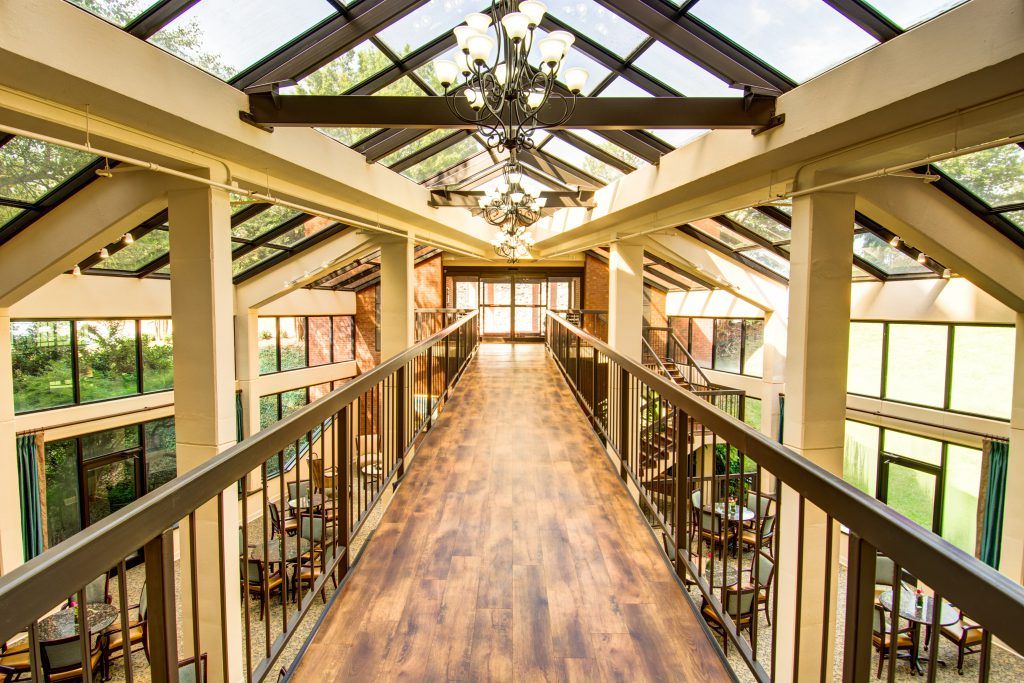
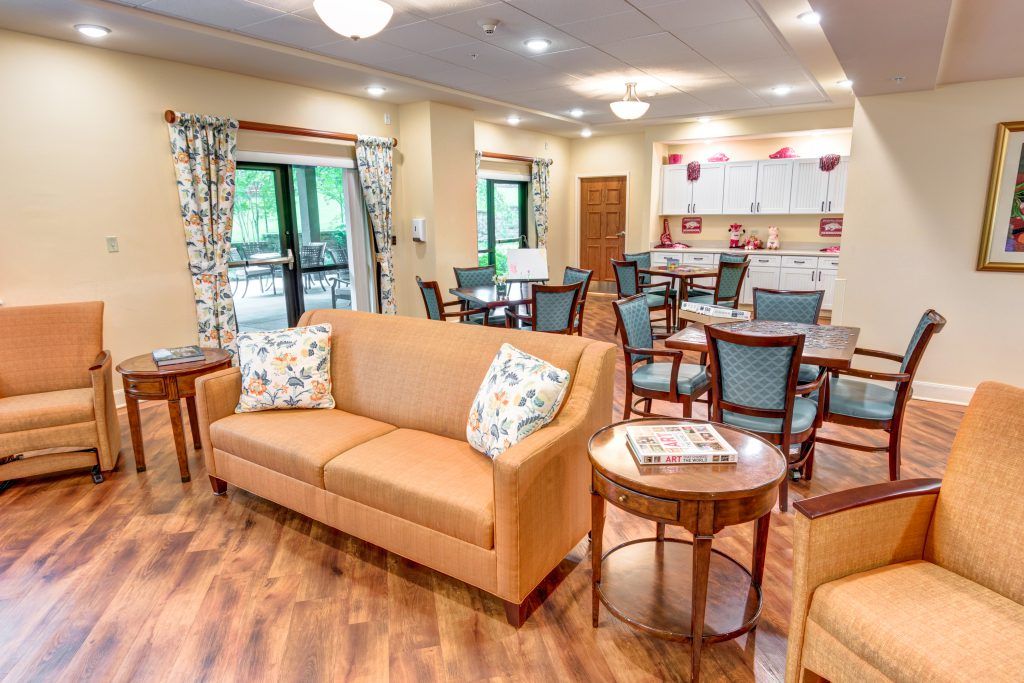
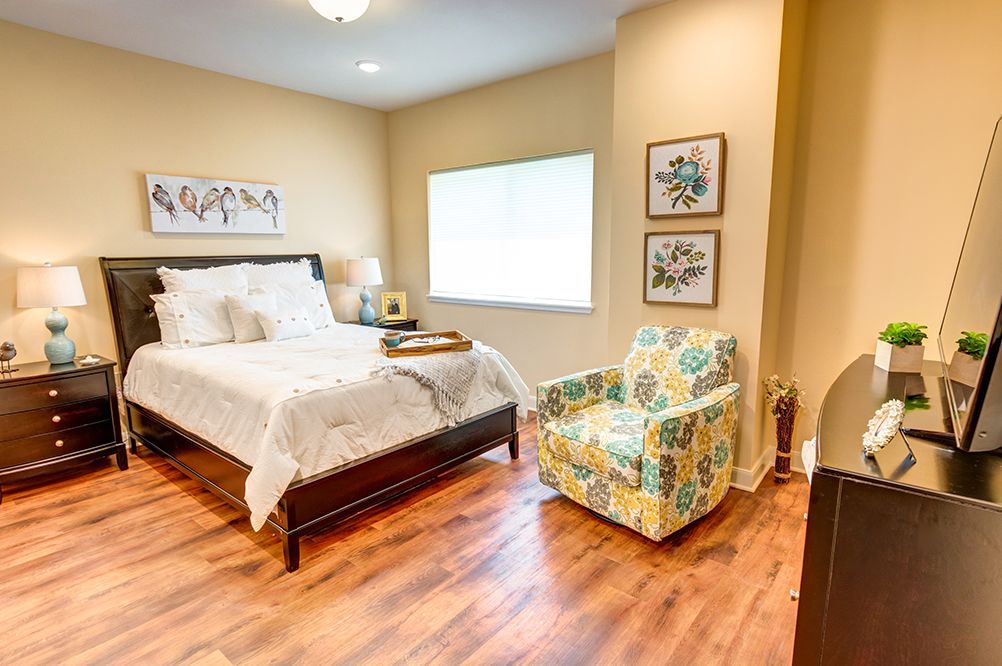
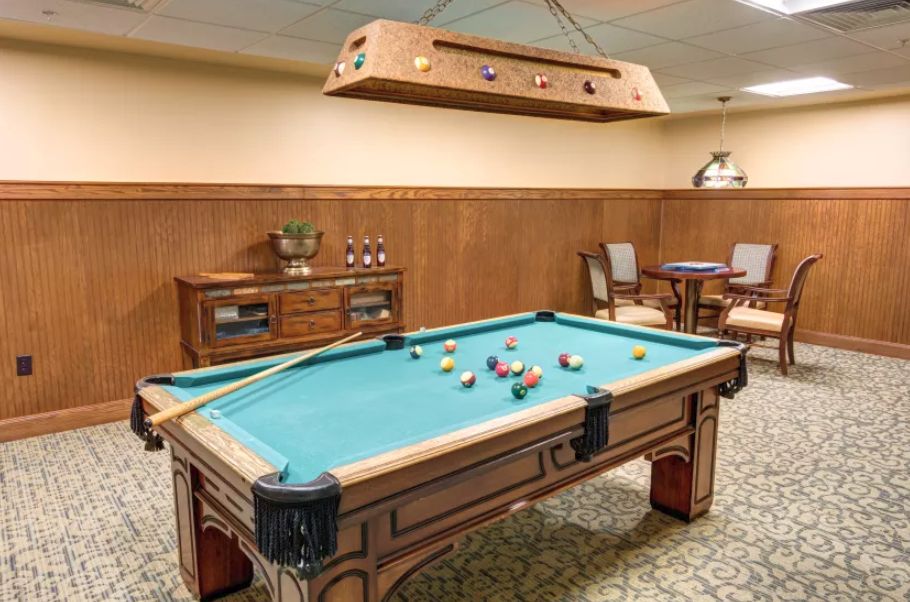
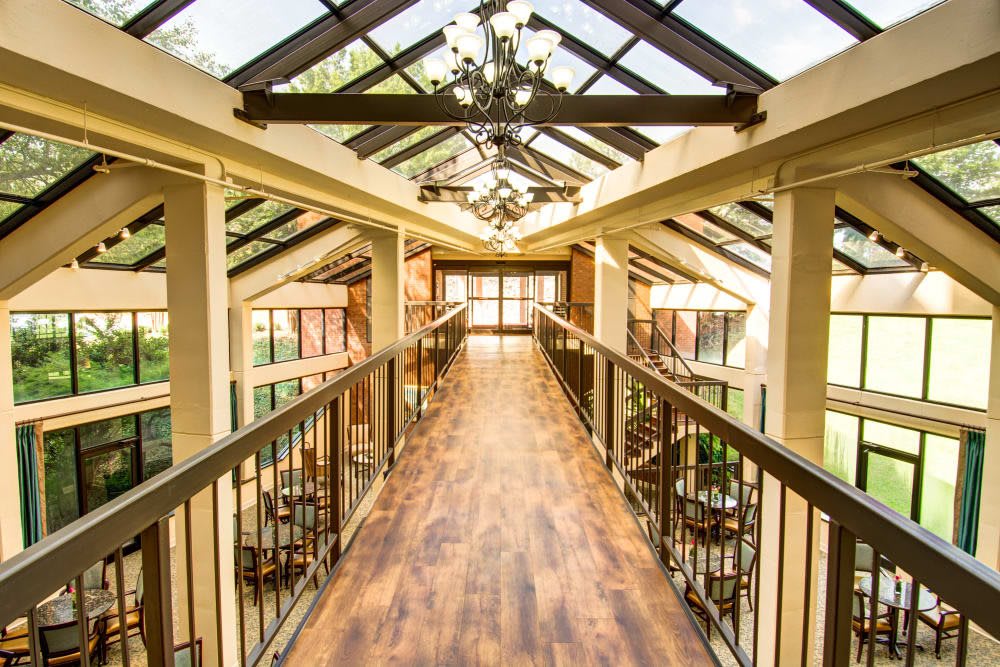
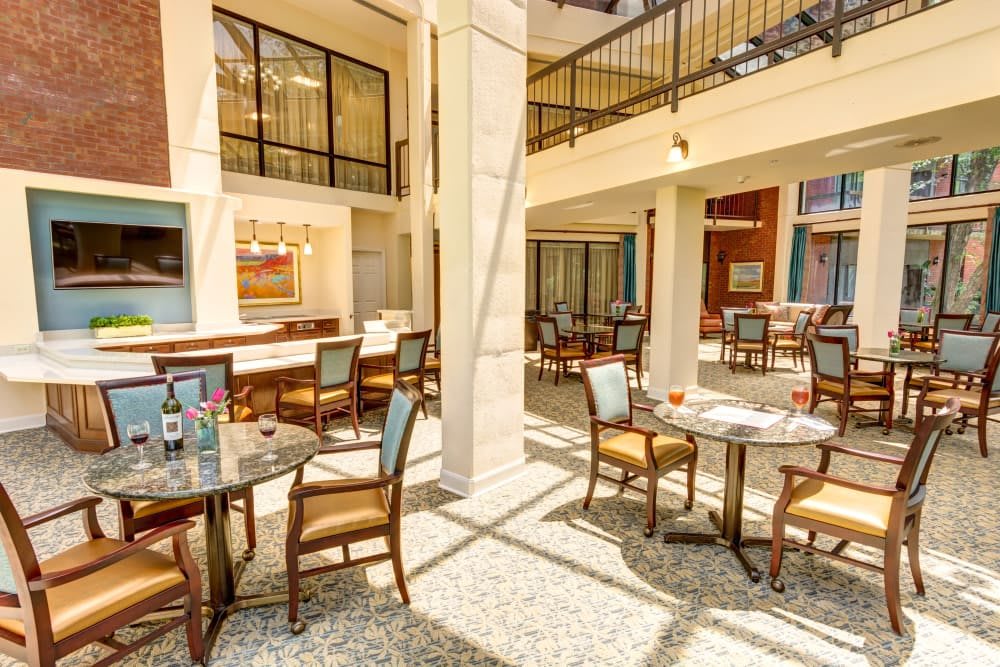
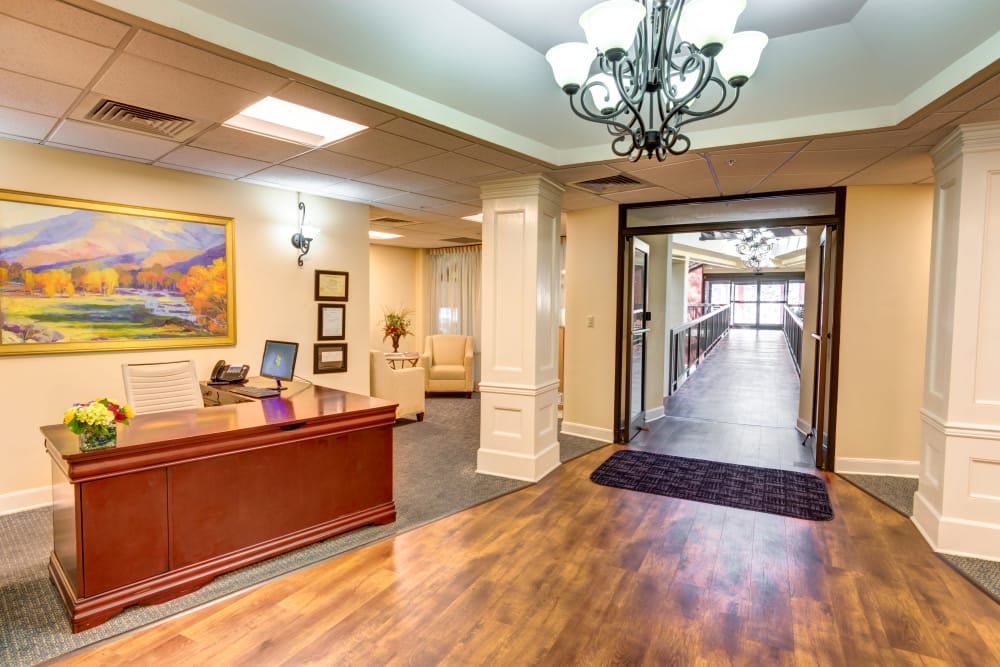
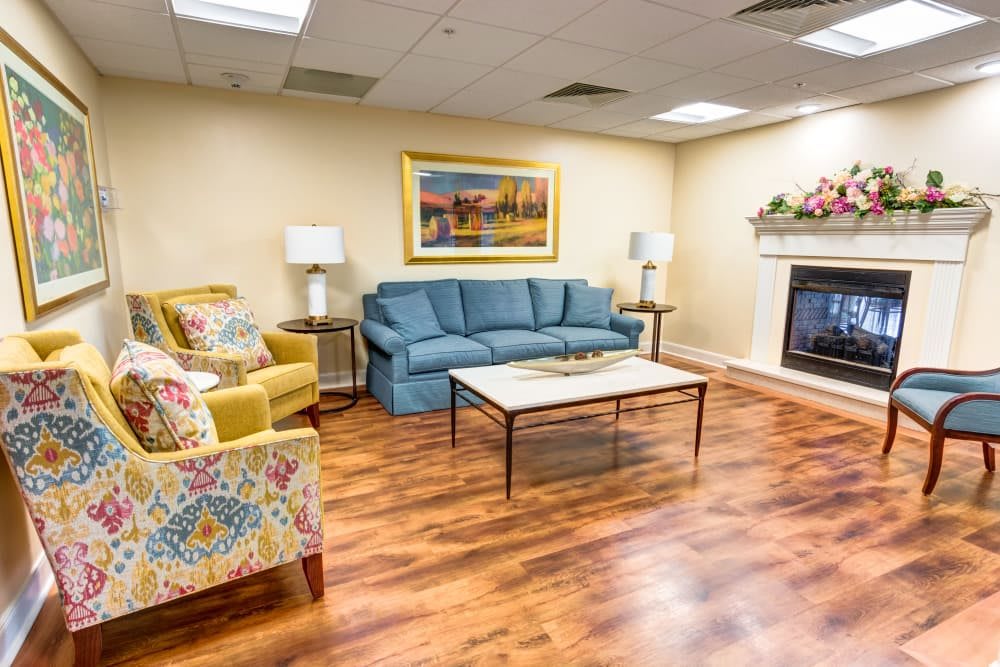
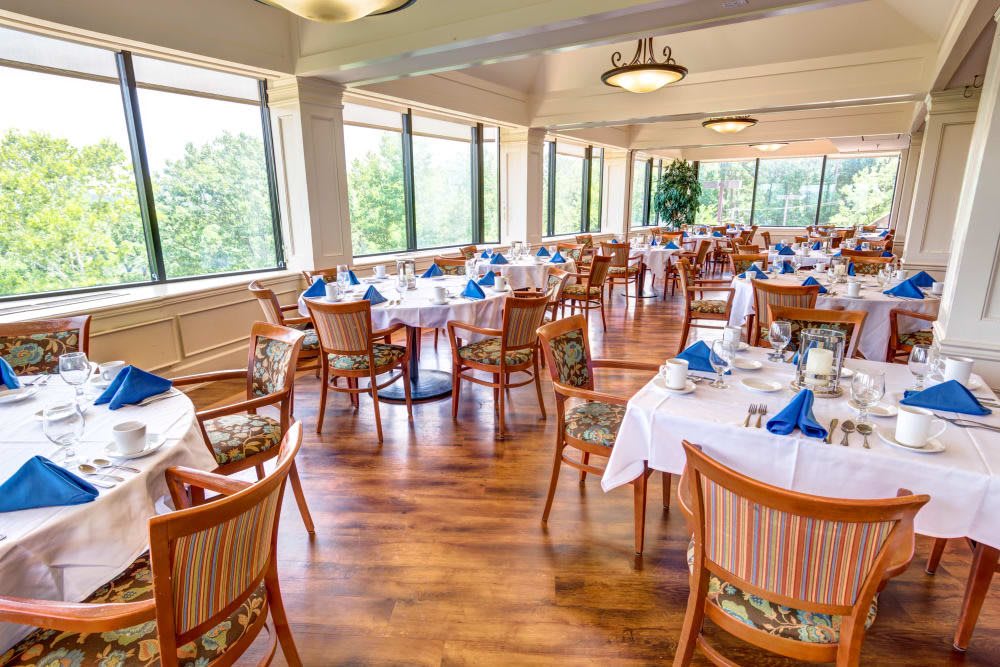
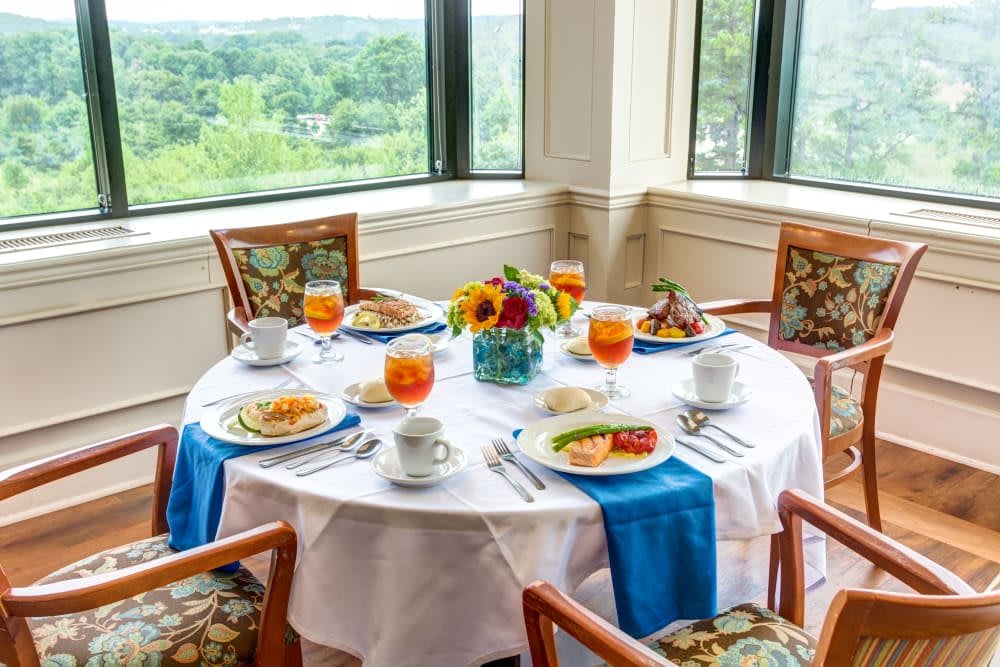
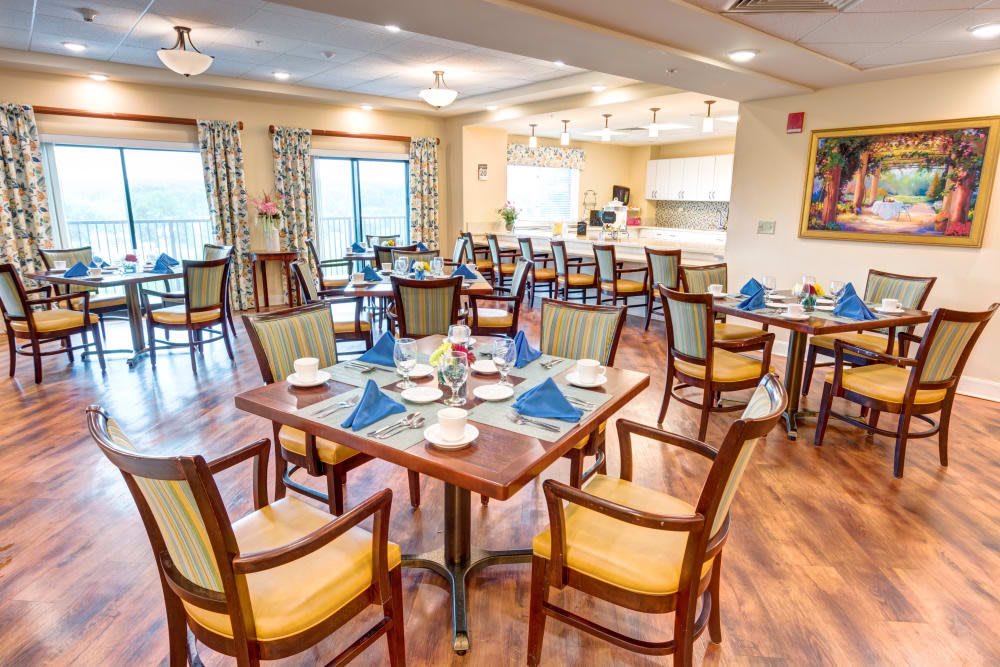
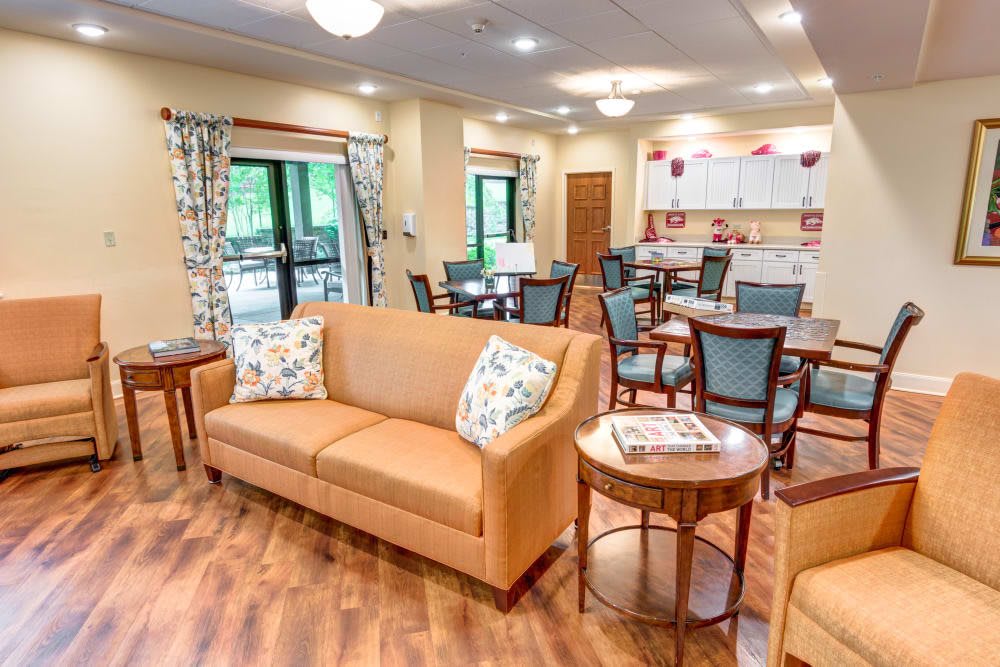
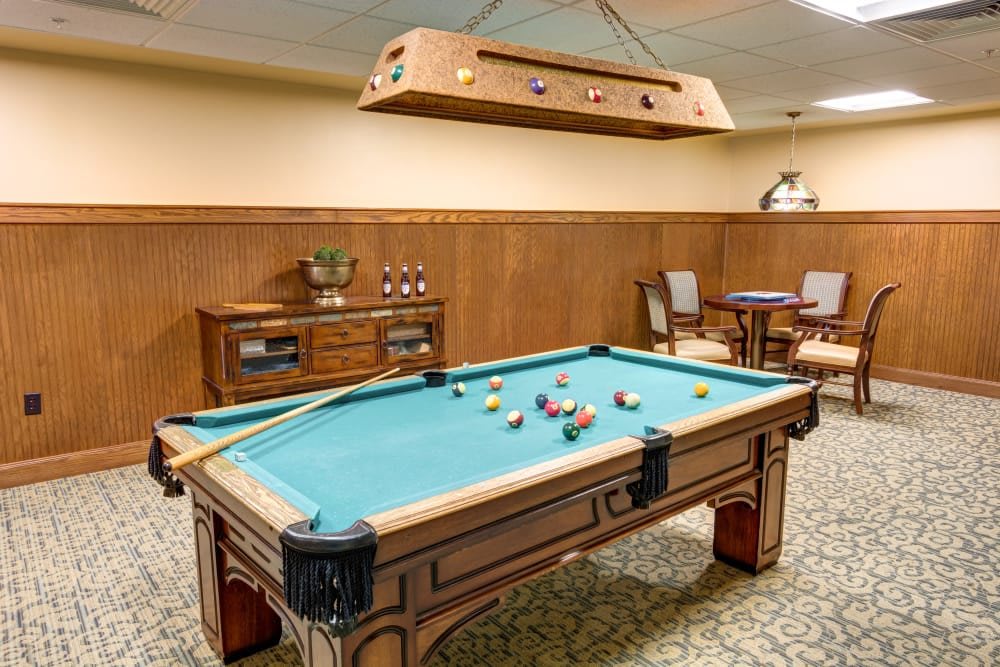
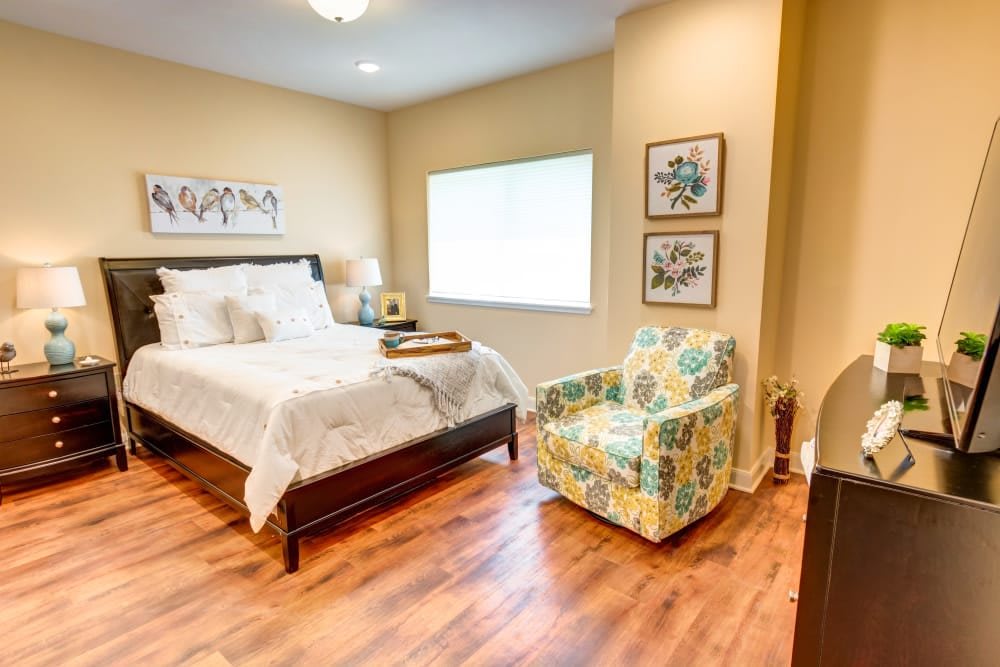
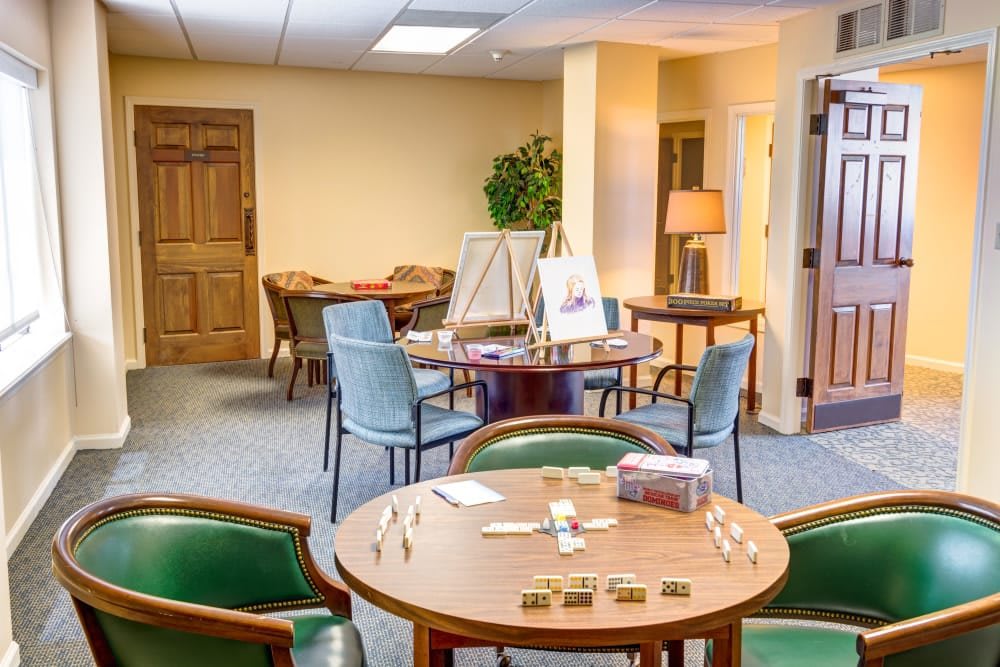
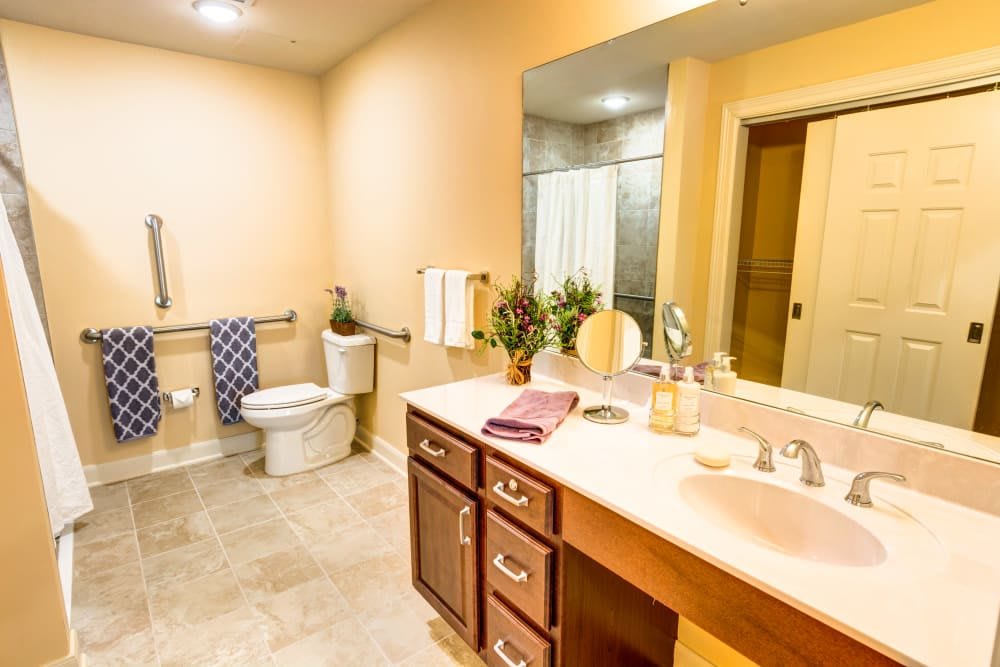
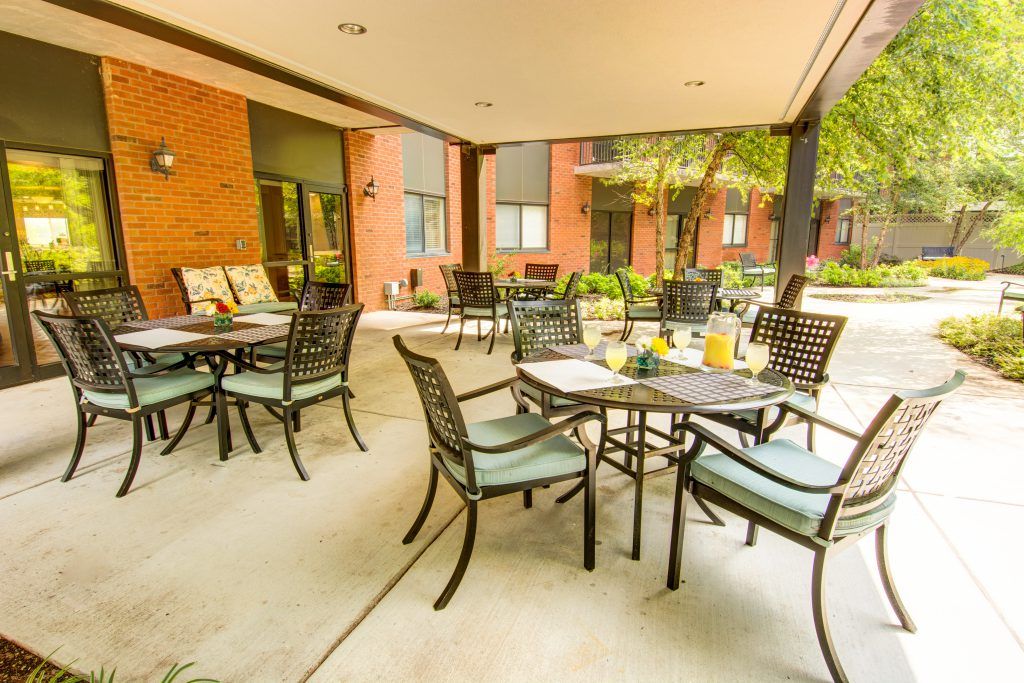
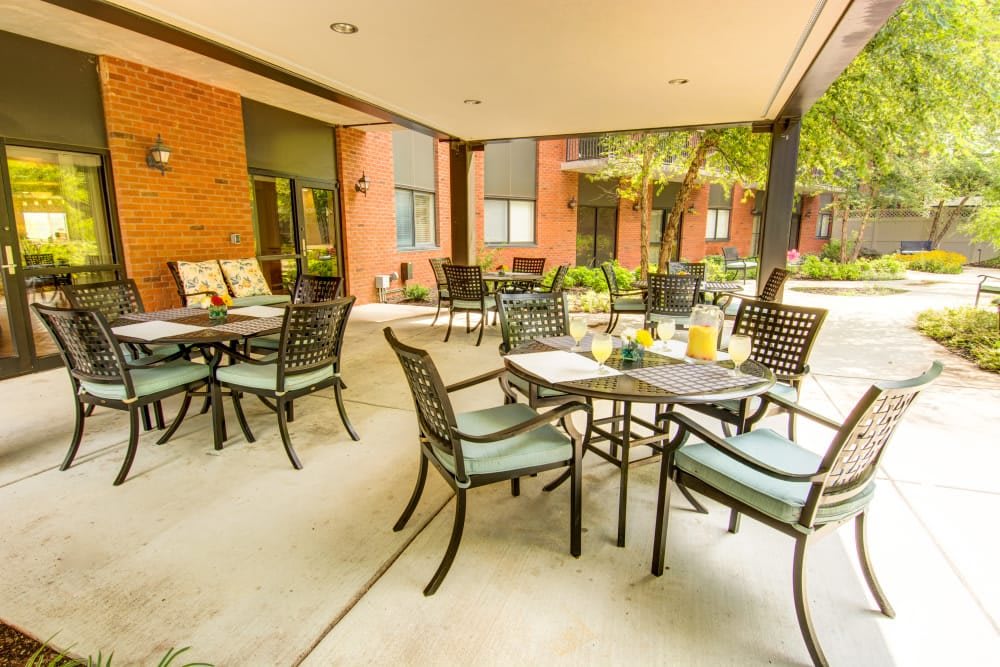
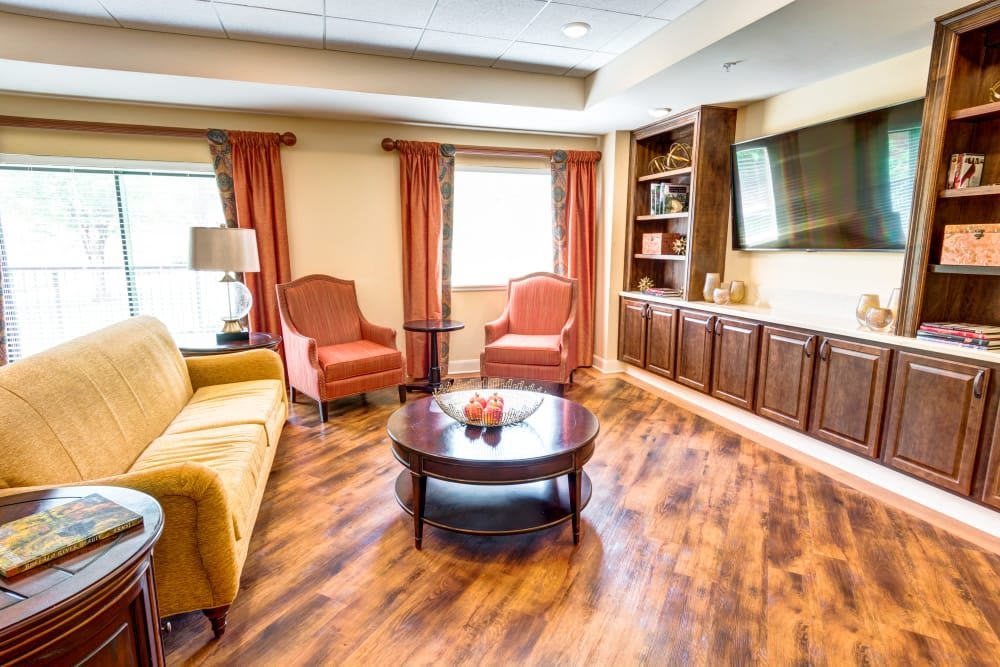
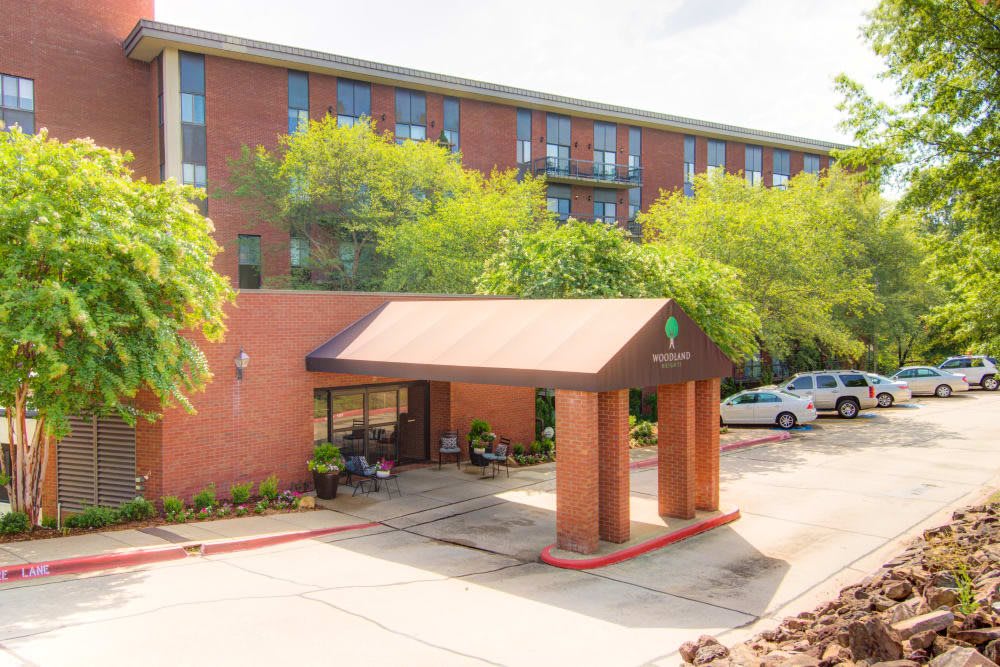
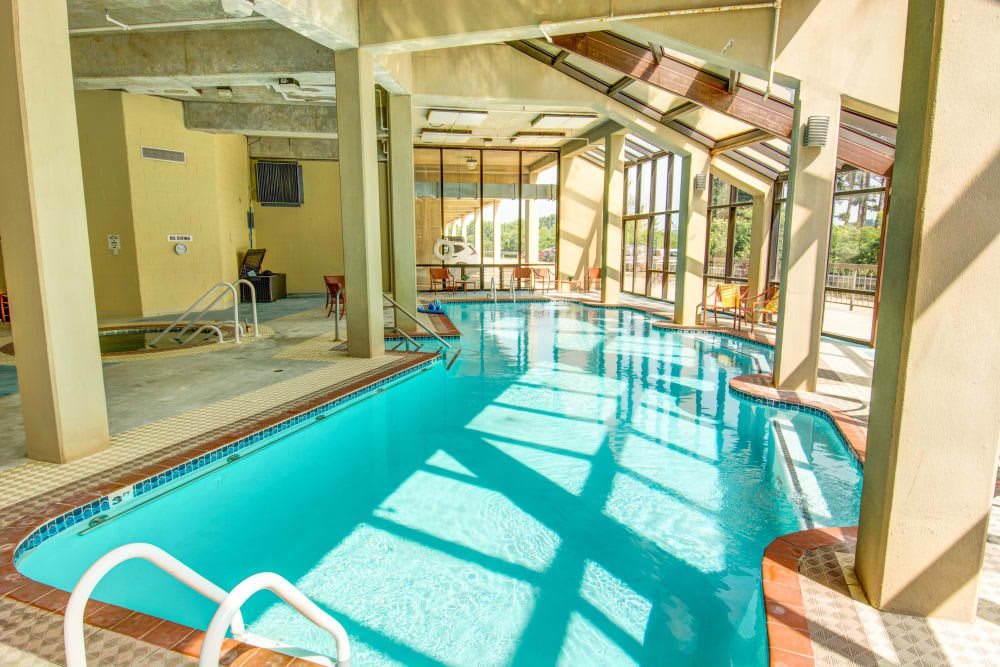
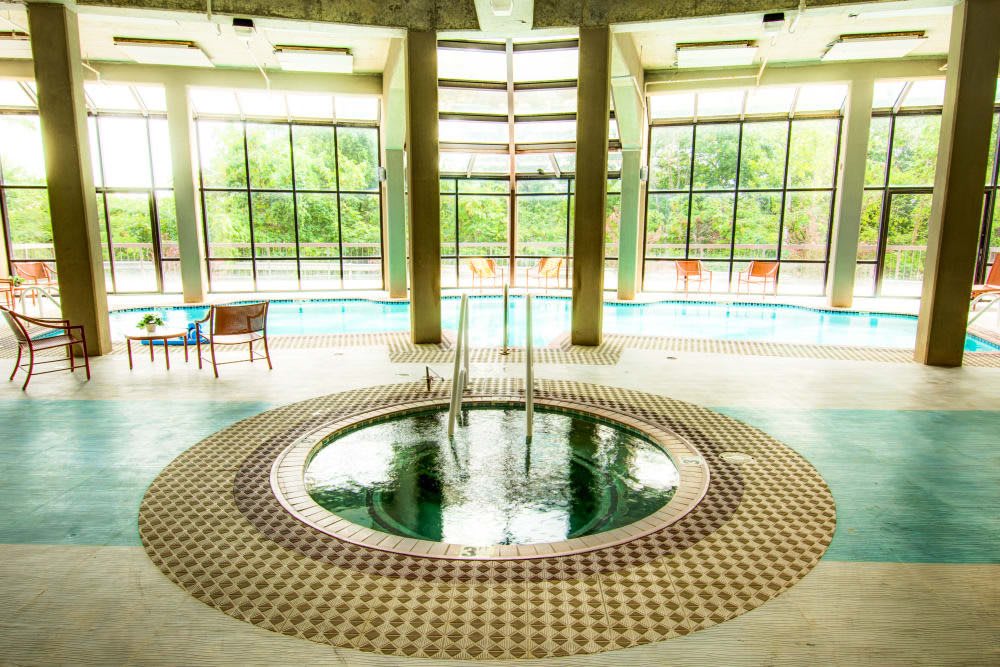
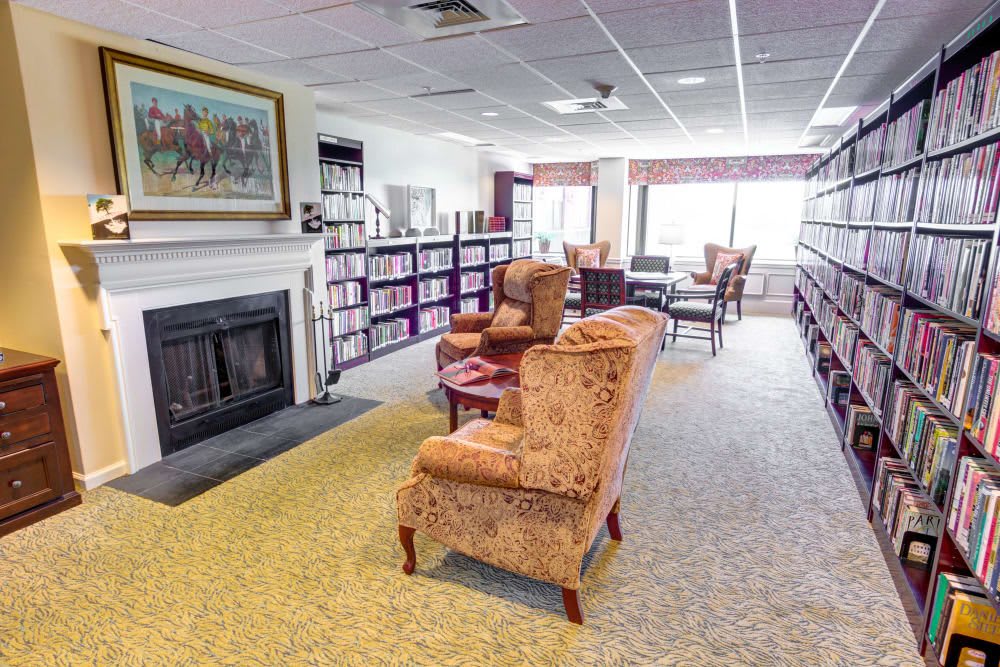
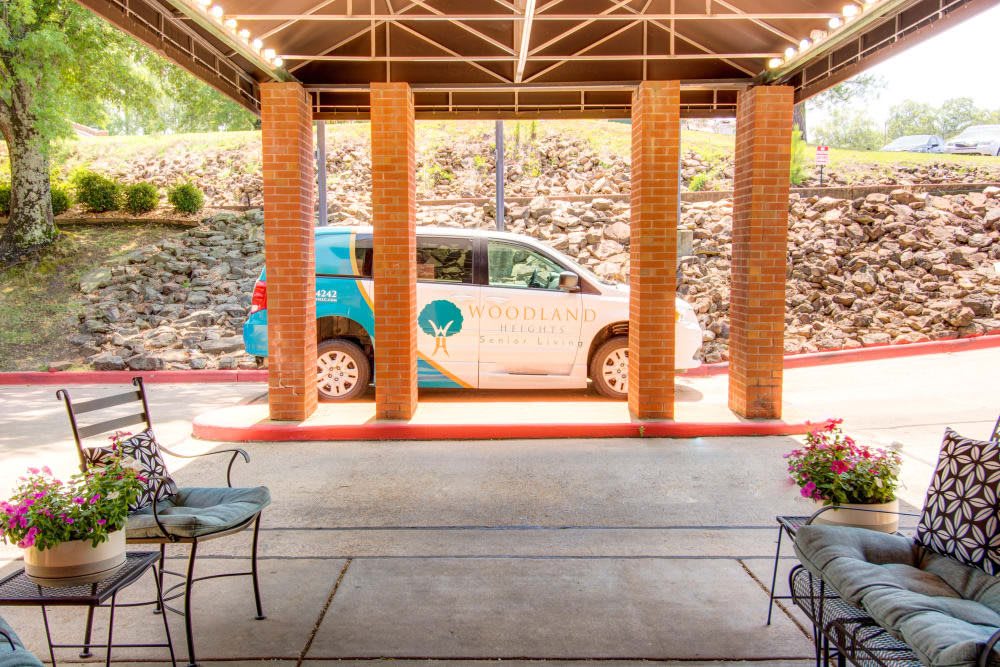
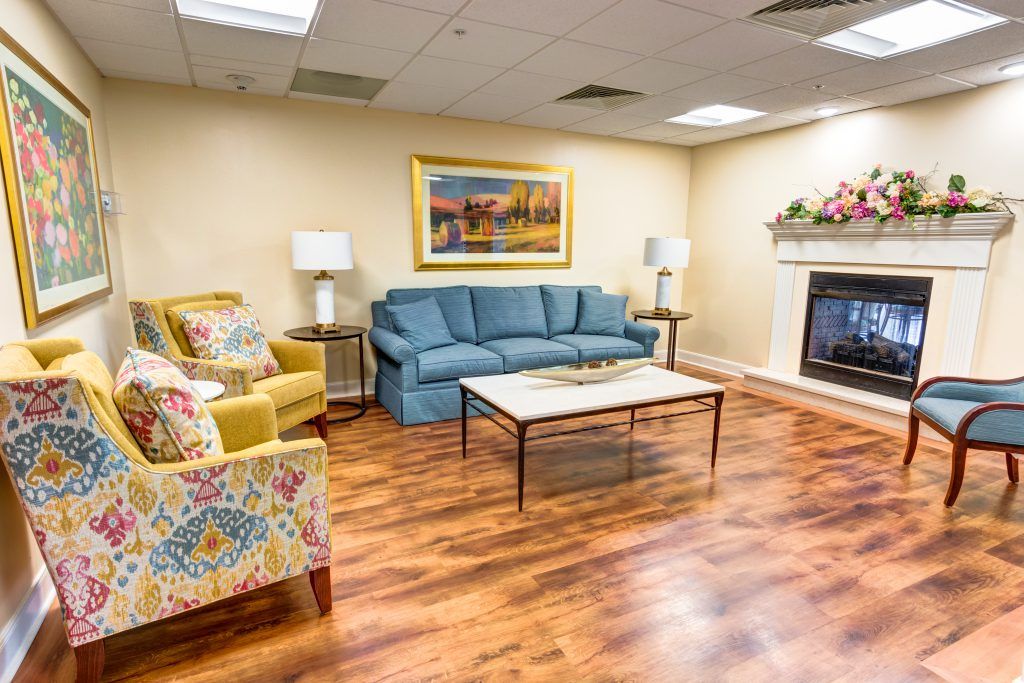
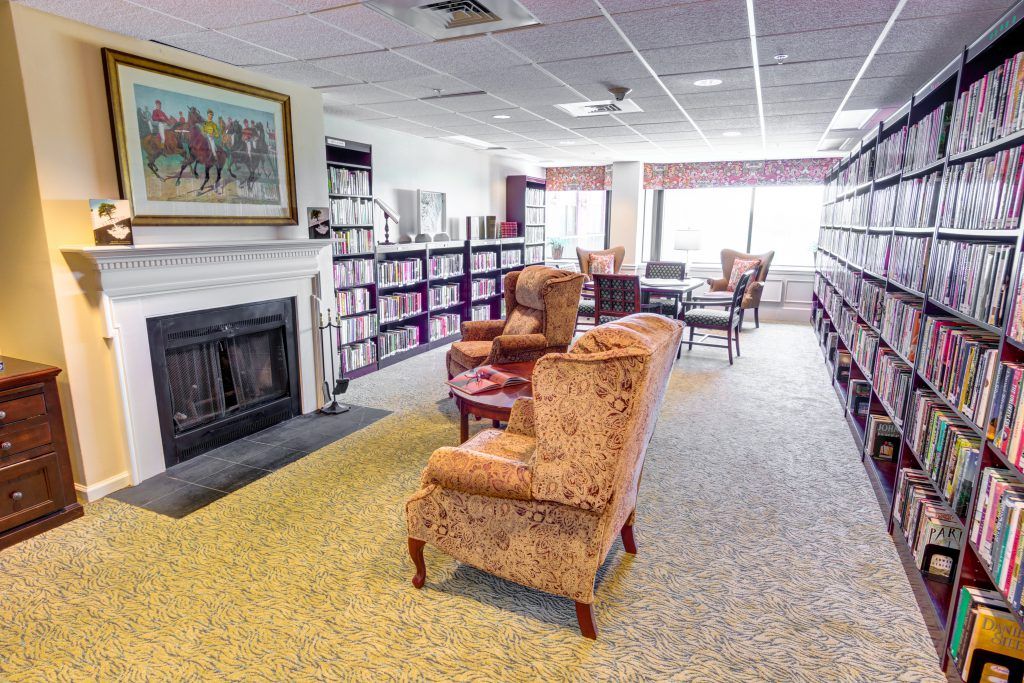
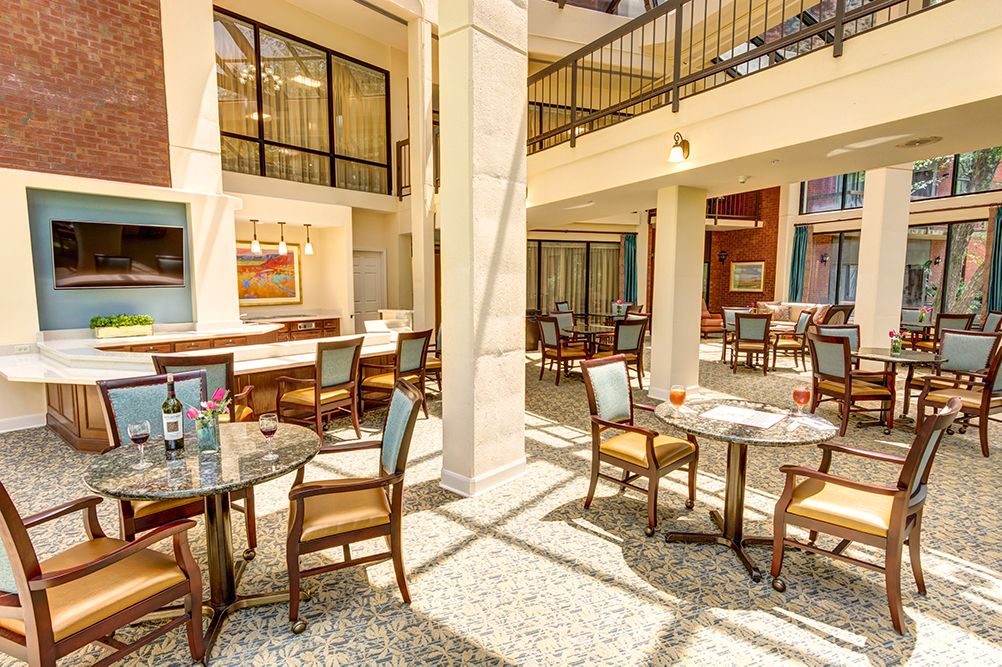
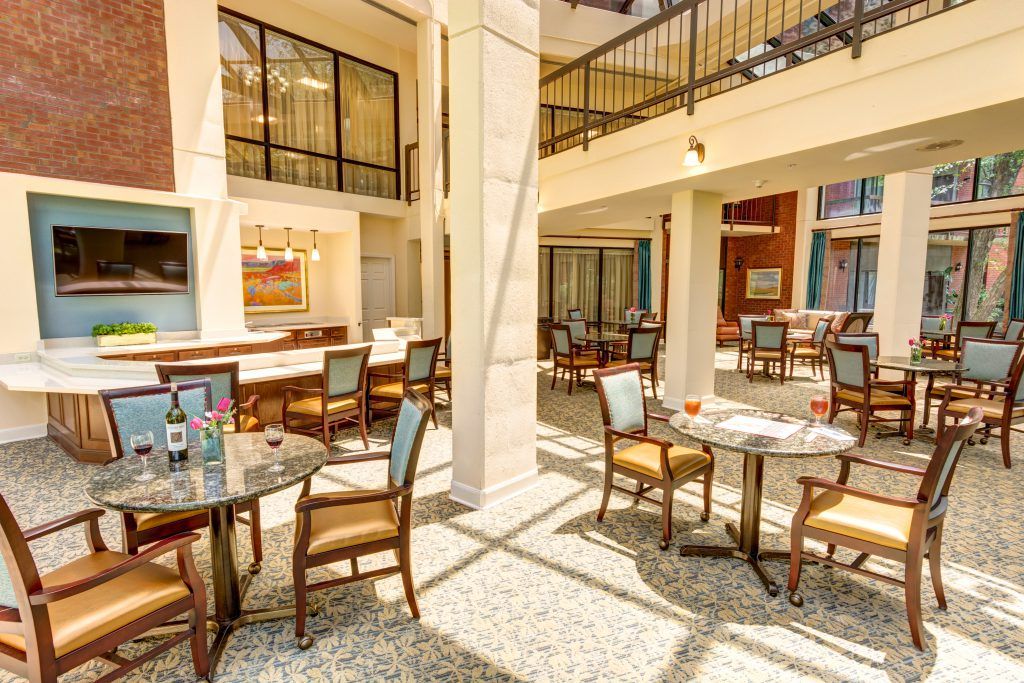
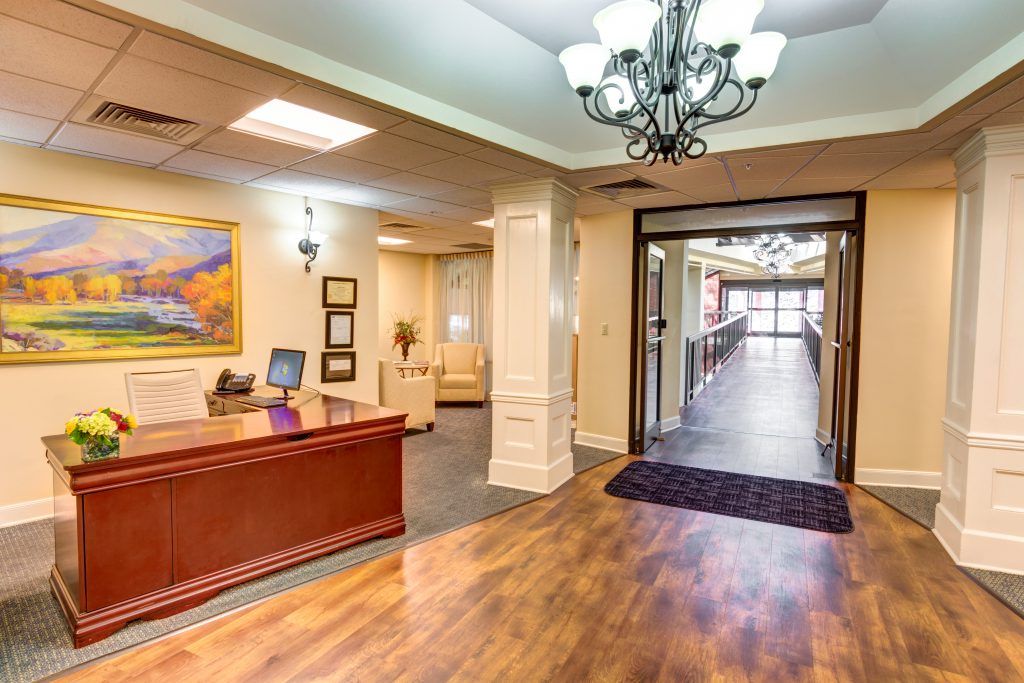
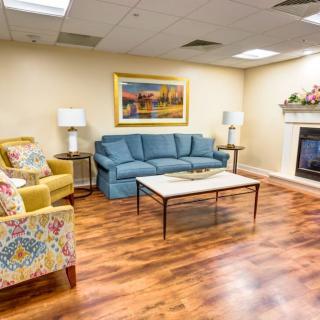
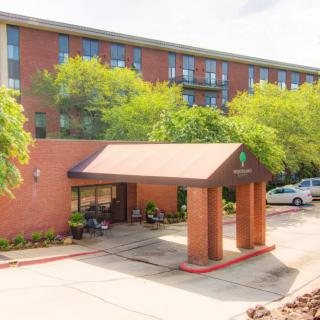
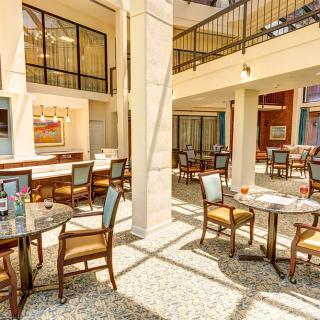
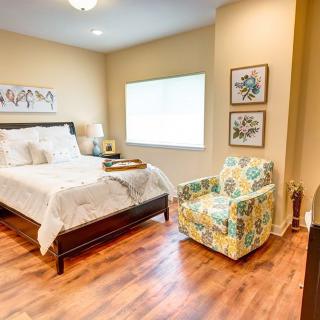
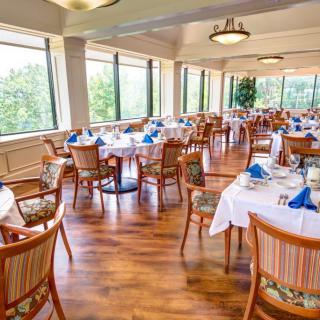
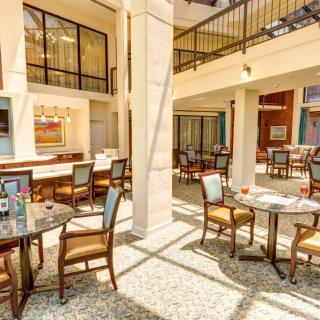
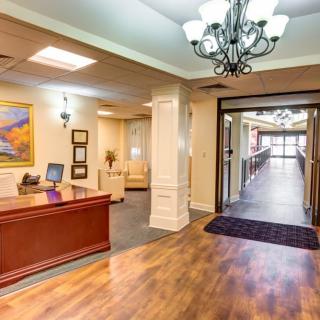
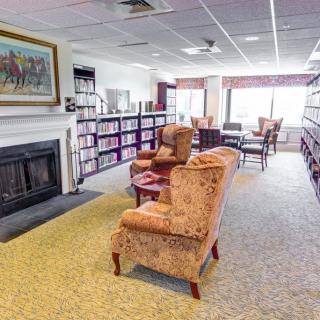
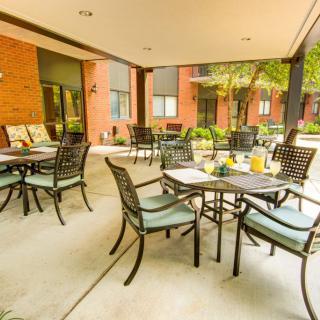
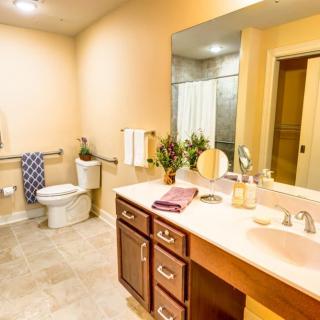
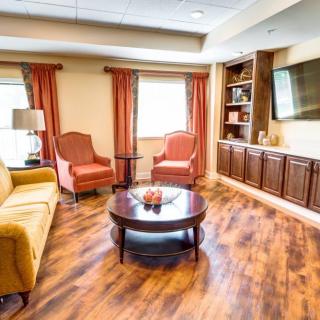
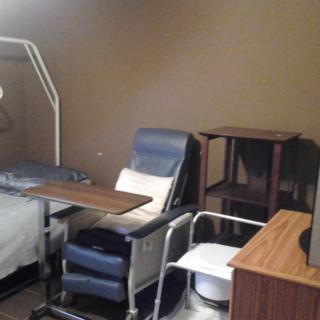
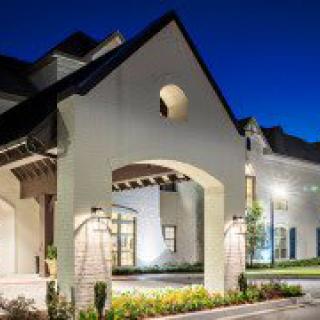
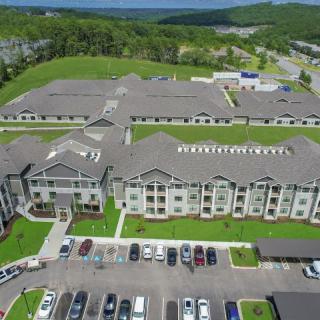
Woodland Heights on seniors.fyi includes 31 photos including images showing interior, dining, windows, decor, living room, fireplace, chandelier, bedroom, and more.
Nearby Communities
Midtown Post Acute And Rehabilitation - A Waters Community
Little Rock, AR
3.3 from 66 reviews
Restaurant-style dining, beauty salon, fitness room, 24-hour supervision, and transportation for outings.
The Waters Of Woodland Hills
Little Rock, AR
3.7 from 33 reviews
Extensive on-site amenities and personalized care options.
Superior Senior Care of Little Rock, AR
Little Rock, AR
4.2 from 10 reviews
Reliable service with proactive, clear communication to keep families informed.
A Place at Home - Little Rock, AR
Little Rock, AR
4.9 from 50 reviews
Positive, welcoming staff interactions.
Home Health Care Agency Of Arkansas, LLC
Little Rock, AR
3.8 from 13 reviews
Convenient access to dining, parks, and healthcare in a vibrant Little Rock neighborhood.
Veterans Home
Little Rock, AR
4.1 from 22 reviews
Veteran-focused assisted living with diabetic care, indoor common areas, and close access to cafes, parks, pharmacies, physicians, restaurants, and hospitals.
The Blake at Chenal Valley
Little Rock, AR
4.4 from 40 reviews
$4,150 to $6,450 / month
Secure memory care with attentive staff and transparent tours
Magnolia Retirement Center
Little Rock, AR
1.5 from 11 reviews
Pleasant landscaping with supportive staff.
The Summit at Chenal Valley
Little Rock, AR
4.4 from 48 reviews
Clean, modern facility with responsive, caring staff.
Choosing between assisted living and nursing homes involves evaluating emotional and financial factors, with assisted living offering independence and support for daily activities at a lower cost, while nursing homes provide intensive medical care for individuals with significant health needs. The decision is influenced by personal preferences, health status, cognitive function, and varying Medicaid coverage across states.
The article presents eight strategies for preserving cognitive health and memory in older adults, emphasizing a nutrient-rich diet, regular exercise, intellectually stimulating activities, adequate sleep, social connections, stress management techniques, limiting harmful substances, and regular medical checkups to mitigate age-related memory decline.
Activities of Daily Living (ADLs) are fundamental tasks vital for an individual's independence, particularly in older adults over 85, and include functions like bathing and dressing; assessing ADLs alongside Instrumental Activities of Daily Living (IADLs) helps determine the level of required assistance due to age-related health challenges. Tailored support plans, involving family and community resources, are essential for maintaining dignity and autonomy in assisted living environments.
Get PricingAsk A QuestionSchedule A TourContact Senior Advisor
By clicking submit, you agree to our Partner's Terms of Use. You
also consent to receive calls and texts, which may be autodialed, from our Partner. Your consent is not a condition to
using our Partner's service. Please visit our Partner's Privacy Policy for information about their privacy practices.


 178 resident community capacity
 1-bedroom apartments
 Assisted Living
 Independent Living
 Memory Care
 Respite Care
 Cats allowed
 Dogs allowed
 Activities off-site
 Air-conditioning
 Bath tubs
 Beautician on-site
 Cable or satellite TV
 Computer center
 Devotional services on-site
 Dining room
 Fireplaces
 Fitness room
 Full kitchen
 Fully furnished
 Gaming room
 Garden
 Ground floor units
 Handicap accessible
 Housekeeping services
 Indoor common areas
 Laundry
 Move-in coordination
 Outdoor common areas
 Private bathrooms
 Private patio, deck, or balcony
 Resident parking
 Restaurant-style dining
 Small library
 Swimming pool
 Telephone
 Wellness center
 Wheelchair accessible showers
 Wi-Fi/high-speed internet available
 Adams (6 miles away)
 Community operated transportation
 12-16 hour nursing
 24-hour call system
 Ambulatory care
 Assistance with bathing
 Assistance with dressing
 Assistance with transfers
 Diabetes diet
 Diabetic care
 Incontinence care
 Medication management
 Mental wellness program
 Special dietary restrictions
 Art classes
 Catholic services
 Concierge services
 Cooking classes
 Day trips and outings
 Educational speakers / life long learning
 Jewish services
 Karaoke
 English
 Restaurant-style dining, beauty salon, fitness room, 24-hour supervision, and transportation for outings.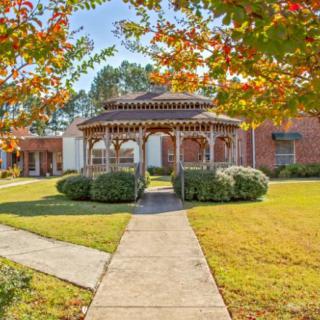

 Choosing the Right Senior Care: A Detailed Exploration of Assisted Living and Nursing Homes
 Safeguarding Your Memory Through the Golden Years: Eight Ways to Preserve Cognitive Health
 Comprehensive Insights into Activities of Daily Living (ADLs) and Their Assessment