For more information about senior living options: (866) 208-4318
3.7 from 33 reviews
5 stars
21
4 stars
1
3 stars
1
2 stars
0
1 stars
10
Overall Review of The Waters Of Woodland Hills
common18 reviews mention this
Staff care feels supportive
Residents and families repeatedly describe staff as caring, responsive, and supportive.
Across many reviews, residents and visitors highlight staff kindness and a supportive day-to-day experience. Several people specifically mention communication and responsiveness when questions or concerns come up. Others describe administrators and nursing teams as approachable, attentive, and quick to address issues. In contrast, a smaller set of reviews raise serious concerns about care quality and staff behavior.
common2 reviews mention this
Activities keep residents engaged
Residents describe getting more involved through organized activities and an active activities team.
Reviews mention regular activities support that helps residents participate. One reviewer describes help from the activity director for getting connected with events like bingo. Another describes the activities department as energetic and consistently offering fun things for residents and staff.
common2 reviews mention this
Food stands out positively
Residents comment positively on the food.
At least a couple of reviewers note the food as a positive part of the experience. One describes the food smell as impressive when walking through the facility. Another says the food was great during their stay.
caveat8 reviews mention this
Serious care concerns appear too
Some reviews report serious problems with care and cleanliness.
A set of negative reviews describes neglect and inadequate attention to residents, including accounts of poor hygiene, unsafe conditions, and staff availability concerns. Multiple reviews also call out cleanliness issues such as dirty rooms, mold or mildew, insects, and rooms that feel poorly maintained. Some reviewers go further to describe families losing trust after repeated promises of improvement. Taken together, these concerns are stark compared with the many positive reviews about staff support and cleanliness.
How we summarize
Counts show how many written reviews mention each theme; a review can touch several themes, and only frequently mentioned themes are displayed.
Features
Housing
140 resident community capacity
Types of Care
Skilled Nursing Facility
Amenities
Air-conditioning
Beauty salon
Cable or satellite TV
Computer center
Dining room
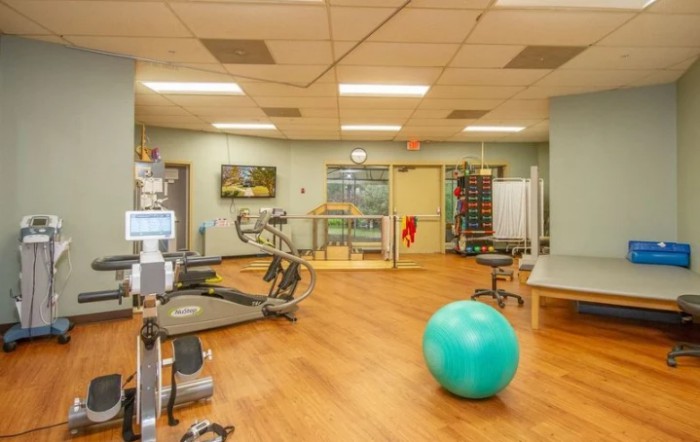
Fitness room
Fully furnished
Gaming room
Garden
Housekeeping services
Kitchenette
Move-in coordination
Outdoor space
Private bathrooms
Restaurant-style dining
Small library
Telephone
Wellness center
Wi-Fi/high-speed internet available
Transportation
Adams (7 miles away)
Community operated transportation
Transportation arrangement
Transportation arrangement (non-medical)
Transportation to doctors appointments
Care Services
12-16 hour nursing
24-hour call system
24-hour supervision
Activities of daily living assistance
Assistance with bathing
Assistance with dressing
Assistance with transfers
Diabetes diet
Meal preparation and service
Medication management
Mental wellness program
Special dietary restrictions
Dining
Diabetes diet
Special dietary restrictions
Activities
Community-sponsored activities
Concierge services
Fitness programs
Planned day trips
Resident-run activities
Scheduled daily activities
Nearby Places of Interest
Hospitals
CHI St Vincent Infirmary (0.1 miles)
Arkansas Federation Of Families For Children's Mental Health (0.9 miles)
Hickingbotham Outpatient Center (2.4 miles)
Arkansas Childrens Hospital- NICU (2.6 miles)
Arkansas Children's Hospital (2.7 miles)
Arkansas Surgical Hospital (3.6 miles)
Physicians
Cardiovascular Surgeons PA (0.1 miles)
Little Rock Dermatology Clinic, P.A. (0.2 miles)
Breast Health Clinics (0.2 miles)
Advanced Allergy and Asthma (0.3 miles)
Anesthesia Specialist Of Arkansas (0.3 miles)
Pulmonary Associates PA (0.4 miles)
Arkansas Department of Health (0.7 miles)
Restaurants
McDonald's (0.2 miles)
Big Orange (0.3 miles)
Raising Cane's Chicken Fingers (0.3 miles)
Pei Wei Asian Kitchen (0.4 miles)
Taco Bell (0.9 miles)
The Pantry Crest (0.9 miles)
Ciao Bacci (0.9 miles)
Cafes
Starbucks (0.3 miles)
Mylo Coffee Co. (1 miles)
Panera Bread (3.1 miles)
The Root Cafe (3.8 miles)
Pharmacies
CVS Pharmacy (0.6 miles)
Walgreens (1.2 miles)
Tabor, Jennifer M - Jennifer M Tabor (1.8 miles)
Walgreens (1.9 miles)
Sca Pharmaceuticals (2 miles)
Drug Emporium (2.2 miles)
Walgreens (2.3 miles)
Parks
Allsopp Park (1.4 miles)
Little Rock Central High School Visitor Center Park (2.4 miles)
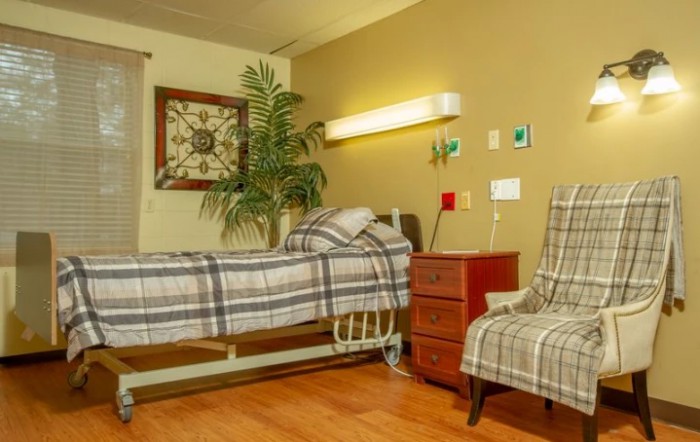
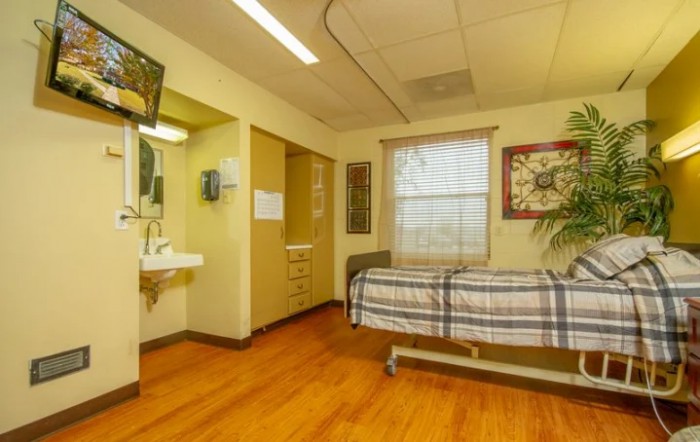
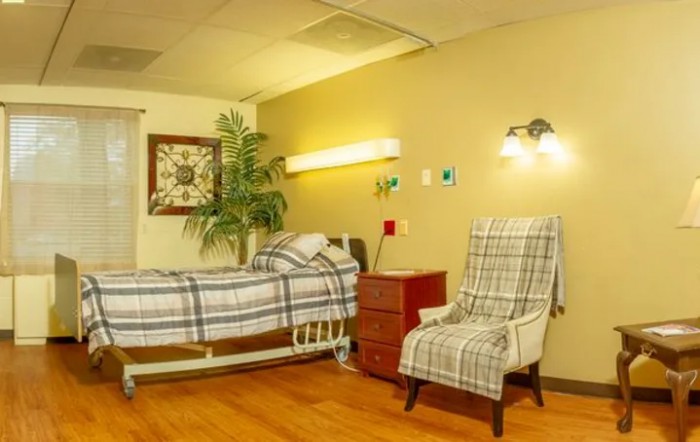
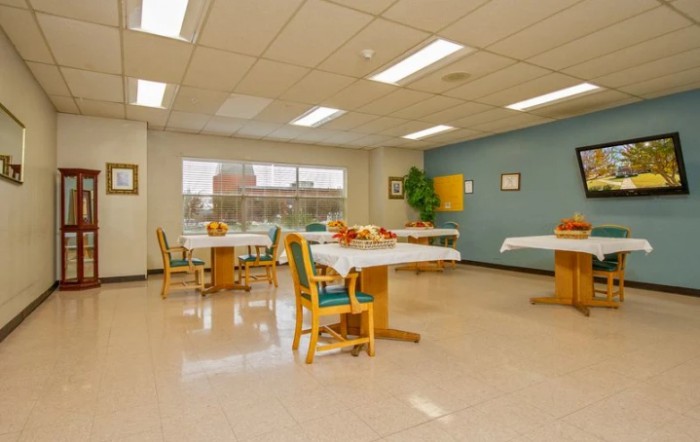
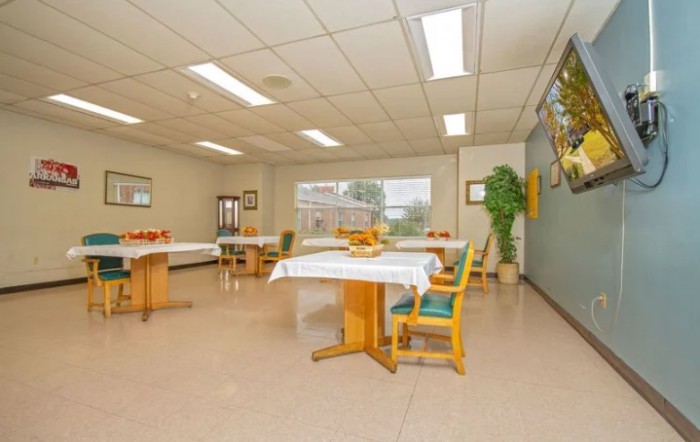
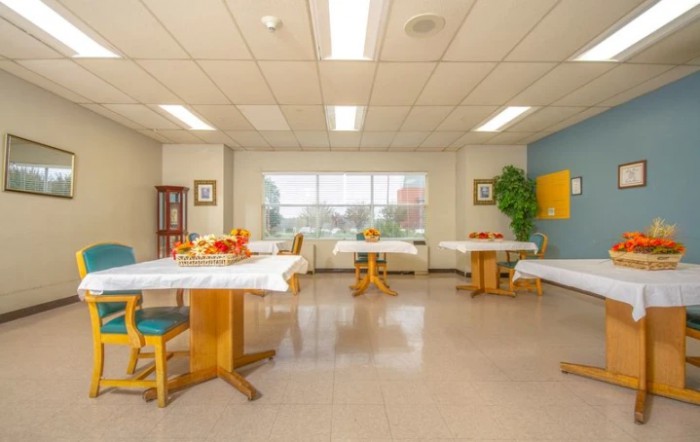
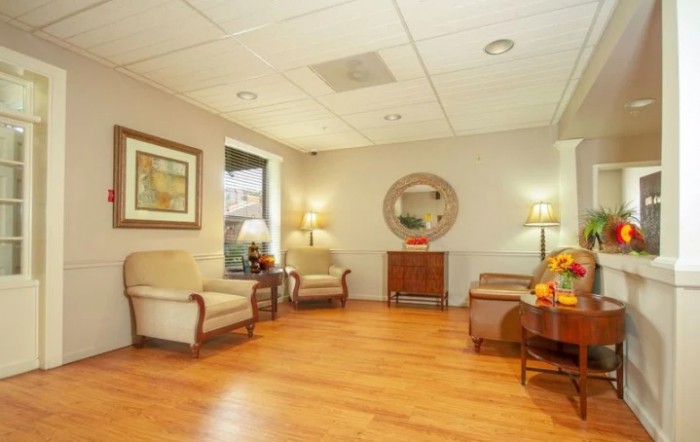
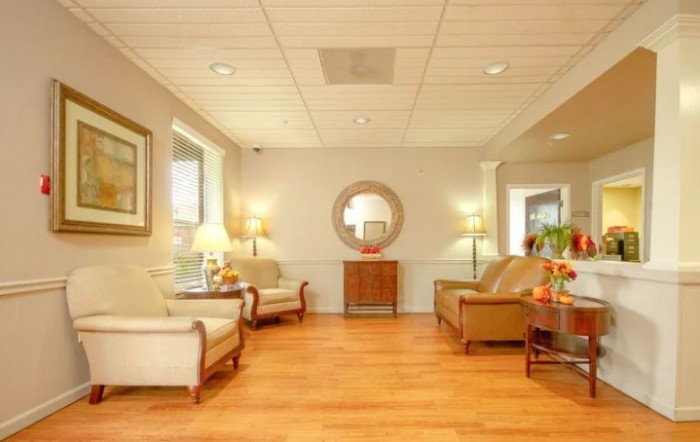
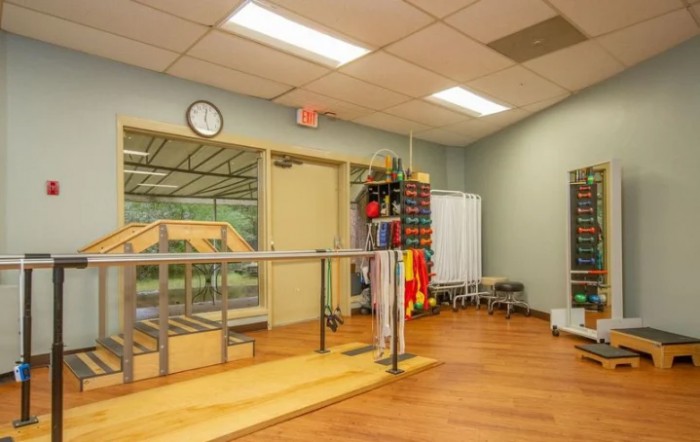
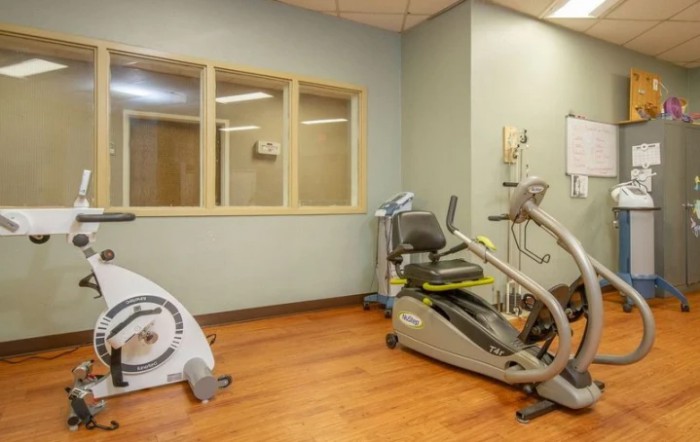
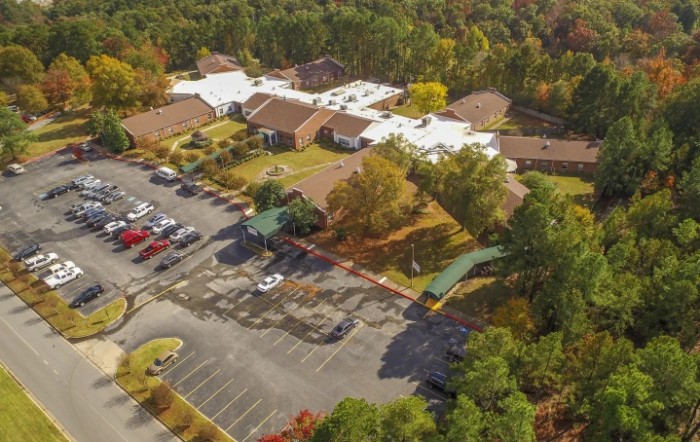
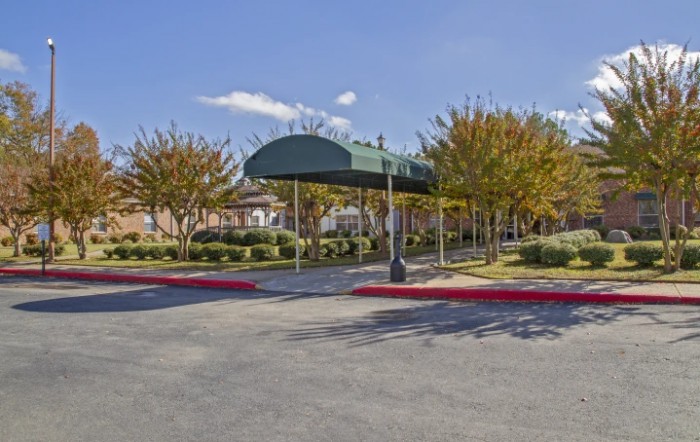
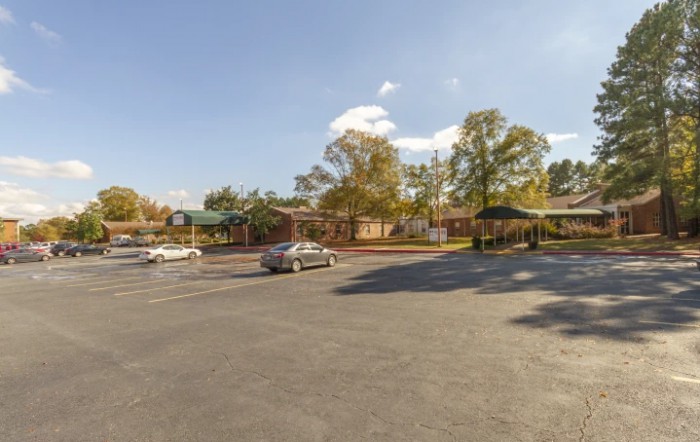
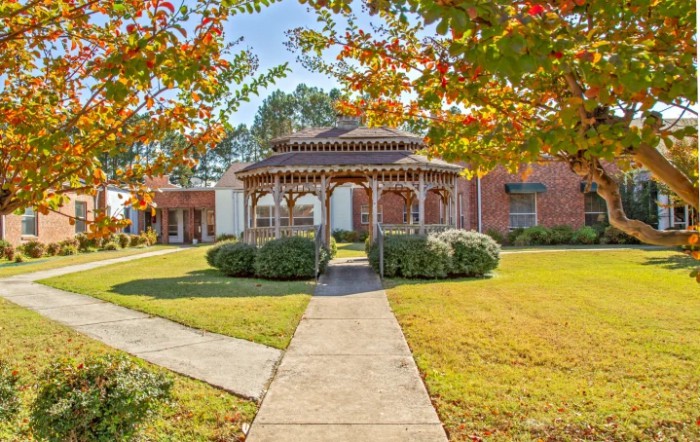
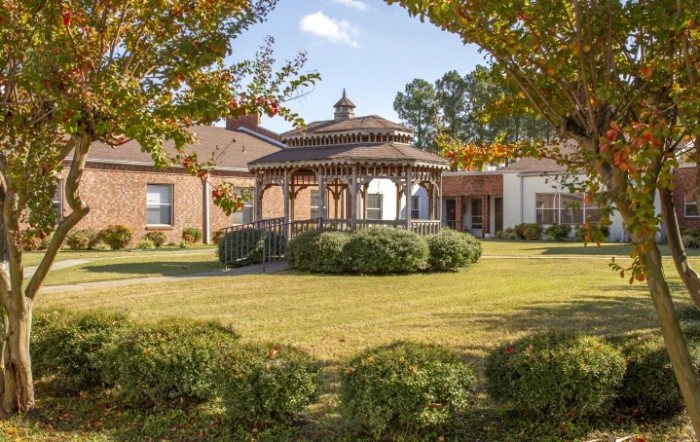
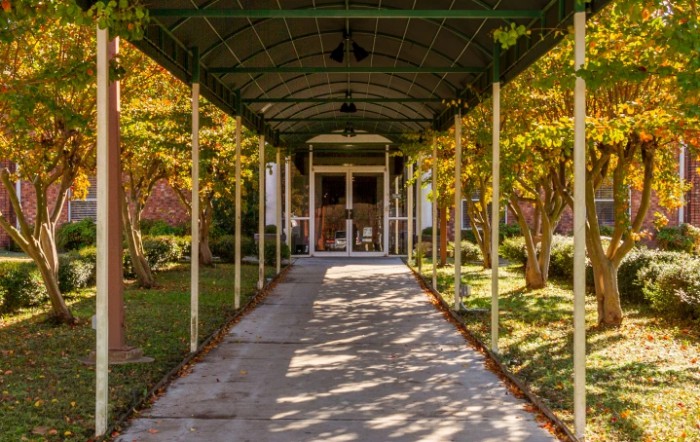
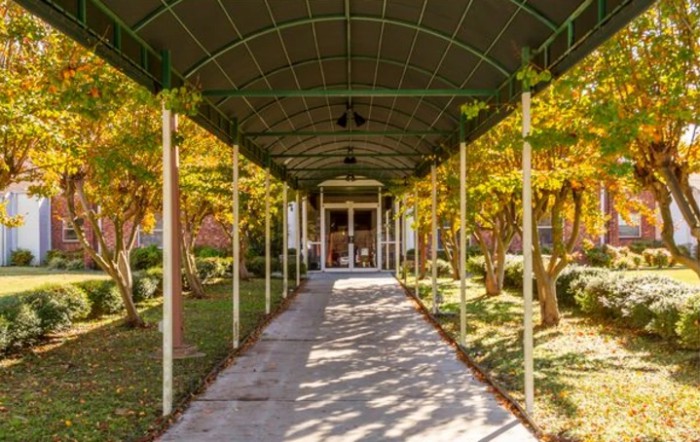
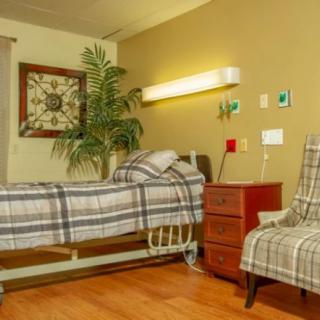
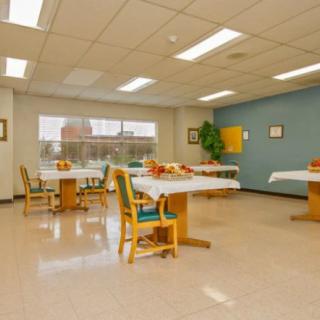
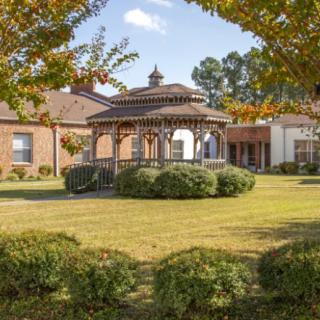
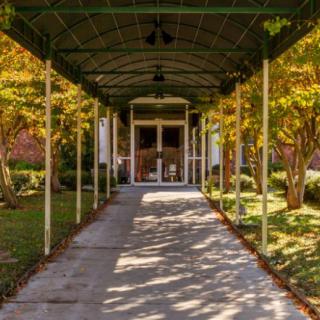
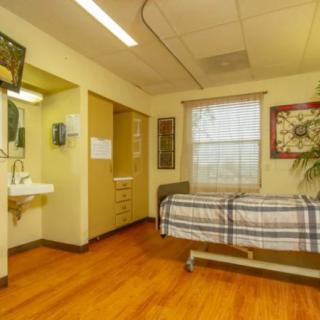
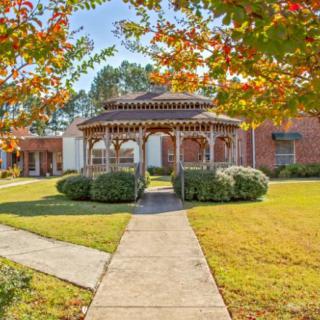
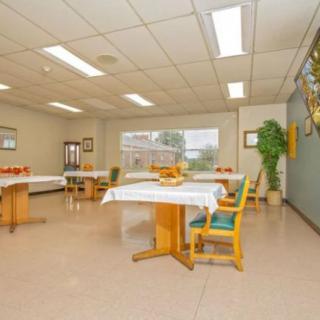
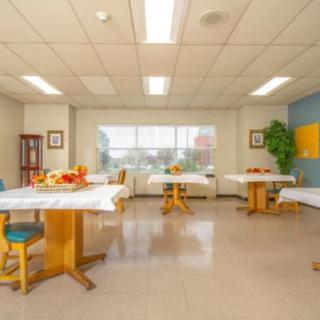
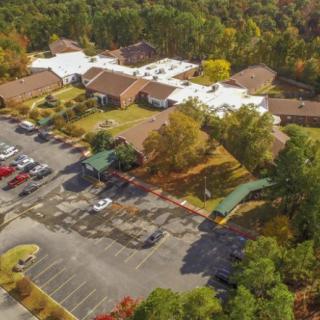
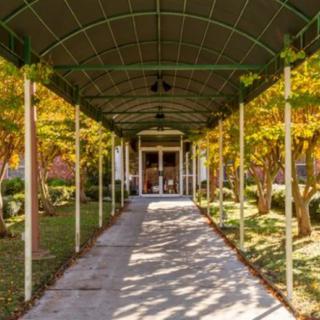
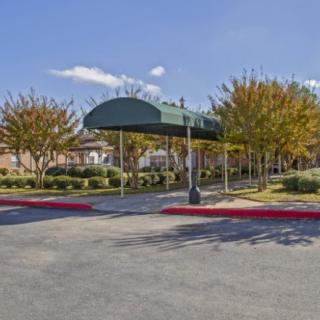
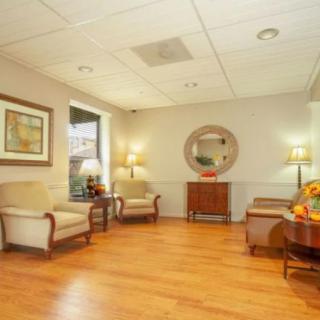
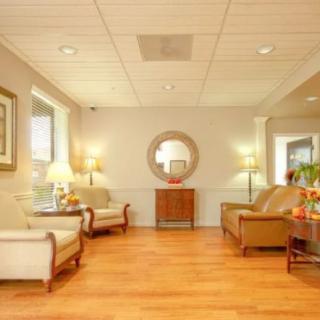
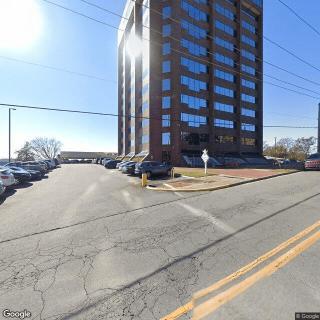
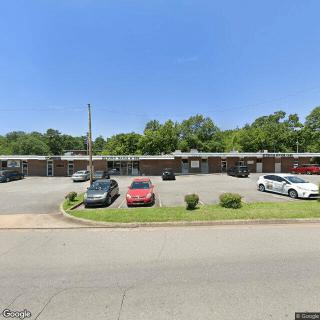
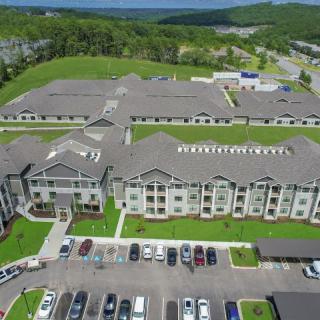
The Waters Of Woodland Hills on seniors.fyi includes 19 photos including images showing interior, trees, exercise equipment, landscaping, windows, decor, parking, dining, and more.
Nearby Communities
Midtown Post Acute And Rehabilitation - A Waters Community
Little Rock, AR
3.3 from 66 reviews
Restaurant-style dining, beauty salon, fitness room, 24-hour supervision, and transportation for outings.
Woodland Heights
Little Rock, AR
4.5 from 146 reviews
$2,200 to $5,000 / month
Clean, welcoming community with attentive staff, varied activities, and quality dining at a competitive price.
A Place at Home - Little Rock, AR
Little Rock, AR
4.9 from 50 reviews
Positive, welcoming staff interactions.
Home Health Care Agency Of Arkansas, LLC
Little Rock, AR
3.8 from 13 reviews
Convenient access to dining, parks, and healthcare in a vibrant Little Rock neighborhood.
Superior Senior Care of Little Rock, AR
Little Rock, AR
4.2 from 10 reviews
Reliable service with proactive, clear communication to keep families informed.
Veterans Home
Little Rock, AR
4.1 from 22 reviews
Veteran-focused assisted living with diabetic care, indoor common areas, and close access to cafes, parks, pharmacies, physicians, restaurants, and hospitals.
The Blake at Chenal Valley
Little Rock, AR
4.4 from 40 reviews
$4,150 to $6,450 / month
Secure memory care with attentive staff and transparent tours
Magnolia Retirement Center
Little Rock, AR
1.5 from 11 reviews
Pleasant landscaping with supportive staff.
The Summit at Chenal Valley
Little Rock, AR
4.4 from 48 reviews
Clean, modern facility with responsive, caring staff.
Seniors benefit from ride-hailing services like Uber and Lyft, which provide convenient and accessible transportation options that promote independence and social engagement, while addressing mobility challenges. These platforms have adapted to meet senior needs with user-friendly features and safety measures, although costs can be a concern; community programs may help subsidize rides for older adults.
The guide outlines the eligibility criteria for home health care services, emphasizing clinical requirements, insurance options, and application processes. It distinguishes between Medicare's strict and Medicaid's flexible qualifications while addressing challenges families may face in securing necessary care at home.
Elder abuse affects many older adults worldwide and includes physical, emotional, neglectful, and financial harm, with about one in six individuals over 60 experiencing abuse annually. Prevention and intervention strategies focus on awareness, support for caregivers, and mandatory reporting, while recovery necessitates comprehensive support for both physical and emotional needs.
Get PricingAsk A QuestionSchedule A TourContact Senior Advisor
By clicking submit, you agree to our Partner's Terms of Use. You
also consent to receive calls and texts, which may be autodialed, from our Partner. Your consent is not a condition to
using our Partner's service. Please visit our Partner's Privacy Policy for information about their privacy practices.



 140 resident community capacity
 Skilled Nursing Facility
 Air-conditioning
 Beauty salon
 Cable or satellite TV
 Computer center
 Dining room
 Fitness room
 Fully furnished
 Gaming room
 Garden
 Housekeeping services
 Kitchenette
 Move-in coordination
 Outdoor space
 Private bathrooms
 Restaurant-style dining
 Small library
 Telephone
 Wellness center
 Wi-Fi/high-speed internet available
 Adams (7 miles away)
 Community operated transportation
 12-16 hour nursing
 24-hour call system
 Activities of daily living assistance
 Assistance with bathing
 Assistance with dressing
 Assistance with transfers
 Diabetes diet
 Medication management
 Mental wellness program
 Special dietary restrictions
 Concierge services
 Planned day trips
 Restaurant-style dining, beauty salon, fitness room, 24-hour supervision, and transportation for outings.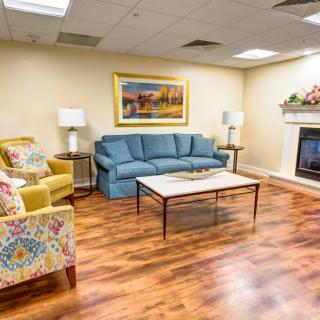


 Seniors and Modern Transportation: Exploring Uber, Lyft, and Other Ride-Hailing Options
 Comprehensive Guide to Qualifying for Home Health Care Services
 Powerful Realities of Elder Abuse and the Most Effective Ways to Report It