
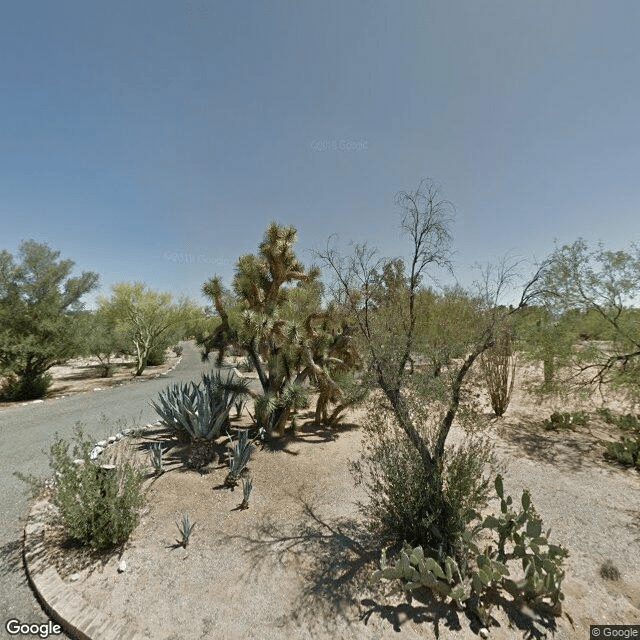
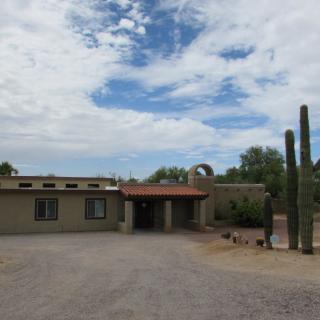
721 W Camino Desierto, Tucson, AZ 85704
To contact a resident: (520) 219-3315
For more information about senior living options: (866) 208-4318
Overall Review of Twin Palms Adult Care Home
Pros
 The staff are kind and patient with Tony.
 - Desert Home is clean and residents are well cared for.
- Jessica is responsive, supportive, and goes the extra mile.
- Desert Home comes highly recommended by families.
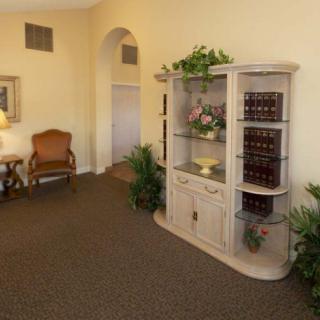
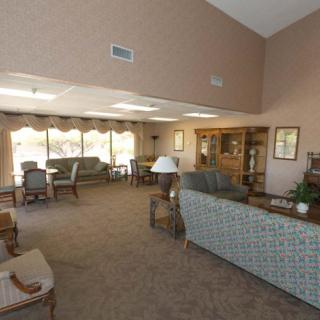
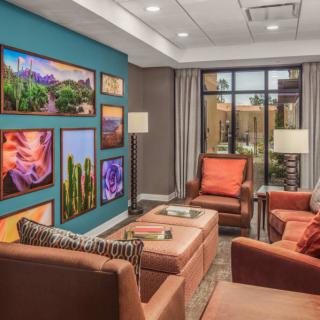
- The home is bright, well-kept, and accessible for mobility issues, with warm and welcoming staff.
- Alyssa treats residents like family and is charismatic.
- The Desert Home team is genuine, equipped, and provides individualized care in a loving environment.
- Desert Home is in high demand due to the quality of care.
Cons
 Tony has a degenerative neurological disease and needs a lot of help with all of his needs.
- He is unable to walk or speak.
- She can need more attention at times.
Review
Twin Palms Adult Care Home in Tucson is best suited for families seeking a small, intimate, home-like setting where caregivers know residents by name, maintain a consistently clean and bright environment, and where management is highly accessible for real-time problem solving. The experiences shared about Desert Home, a comparable Tucson option, illustrate a model built on warmth, reliability, and close daily attention. Residents are treated with genuine kindness, staff communicate openly, and the atmosphere feels like a family environment rather than a rigid institution. In such a setting, residents often show evident comfort, smiles, and engagement, with caregivers who respond quickly to daily needs.
Those who may want to consider alternatives are families whose loved one requires deep medical oversight, 24/7 skilled nursing, or more expansive medical programming. A smaller home can deliver extraordinary personal attention, but it can fall short for individuals needing intensive medical management or complex care plans. If memory care specifics, specialized therapies, or a broader slate of on-site clinical services are priorities, explore options that emphasize higher clinician-to-resident ratios, larger campuses, or dedicated memory care wings. For some families, a more clinical, bustling environment with a wider menu of services may be a better fit.
The strongest pros in the shared comments center on people and presence. Staff are described as wonderful, kind, patient, and genuinely invested in each resident’s well‑being. A manager who is consistently accessible, texting back promptly and going the extra mile, transforms the experience from transactional to trusted. Cleanliness and a well-kept, bright environment matter to families, as do accessible designs that accommodate mobility challenges. A home-like culture where staff treat residents like family translates into more meaningful daily interactions, greater dignity, and a sense of safety for both residents and anxious relatives who want to know their loved one is cherished.
Important but less visible advantages include moments of joy and personalization. The reviews repeatedly highlight staff who remember residents’ preferences, foster warmth in everyday routines, and create an atmosphere where seniors feel seen. The presence of appealing outdoor spaces, such as patios with views, and the general charm of a well-maintained residence contribute to mood and social engagement. In practical terms, this translates to regular sincere check-ins, timely assistance with activities of daily living, and a stronger sense of belonging, factors that often drive overall satisfaction more than any single amenity.
Given the absence of explicit downsides in the reviews, the inferred considerations still matter. A compact, home-like setting can mean fewer on-site medical staff and a tighter staff-to-resident ratio if enrollment grows quickly, or if medical needs escalate. There is a natural risk that such homes may fill up fast, which signals high demand but also potential scheduling pressure for family consultations and care planning. Families should be prepared to act decisively when a preferred placement becomes available and to inquire about capacity, back-up staffing, and partnerships with local clinicians in case of medical fluctuations.
The pros, deep staff engagement, responsive leadership, and a nurturing environment, often offset the potential drawbacks by delivering unmatched emotional security and daily consistency. The practical impact is clear: residents feel respected, participate more actively in routines, and experience less behavioral disruption than in more impersonal settings. The manager’s ongoing availability reduces the friction common with care transitions, making it easier for families to raise concerns, adjust care plans, and coordinate with external healthcare providers. While this model excels at daily quality of life, it requires careful alignment with medical needs to ensure long-term suitability.
For families evaluating Twin Palms, the key decision questions are practical and concrete: What is the resident-to-staff ratio during day and night shifts? How are medical or therapy needs managed, and who coordinates with outside physicians? What level of clinical oversight is guaranteed on-site, and how quickly can additional services be arranged if the care demands intensify? How accessible is the management for ongoing concerns, and what does the complaint and escalation process look like? Finally, consider cost transparency, what is included in the base rate, and what services incur additional charges, and confirm what milestones or care transitions would trigger an exploration of alternative settings. In a market where warmth and attentiveness determine satisfaction, Twin Palms should earn a family’s trust by proving that the resident’s daily happiness, dignity, and safety remain the top priority, while maintaining clarity about medical capabilities and service scope.
 Board and Care Home
 Tucson International (16 miles away)


 Highly Beneficial Low-Impact Exercises for Senior Living Residents
 Is In-Home Healthcare Tax Deductible? Your Comprehensive Guide
 Nurturing Well-Being Through Gardening: A Detailed Guide for Senior Enthusiasts