The Watermark at Oro Valley offers competitive pricing for its accommodations compared to the broader market in Pima County and the state of Arizona. For instance, the monthly cost for a studio apartment at The Watermark is $3,145, notably lower than the county average of $3,786 and the state average of $3,829. Similarly, their one-bedroom units are priced at $3,600, which aligns closely with Pima County's average of $3,660 but is more affordable than Arizona's state average of $3,532. However, residents seeking two-bedroom options will find The Watermark's rate of $4,995 higher than both Pima County's average of $3,974 and Arizona's statewide average of $4,106. Overall, while The Watermark provides attractive pricing for some unit types in comparison to regional averages, its two-bedroom offering stands out as a premium option within the local landscape.
Floor plans
The Watermark at Oro Valley
Pima County
Arizona
Studio
$3,145
$3,786
$3,829
1 Bedroom
$3,600
$3,660
$3,532
2 Bedrooms
$4,995
$3,974
$4,106
Memory care communities with a similar price nearby
Residents and families repeatedly describe the staff as kind, helpful, and attentive to individual needs.
A consistent thread across the reviews is how approachable and supportive the team feels day to day. Multiple reviewers mention staff members being patient, careful, and willing to help quickly, including help during transitions and everyday moments. In memory care stories, residents are described as being watched attentively while still being treated with consideration. Several families also point to good communication and reassurance as part of the support they received.
common18 reviews mention this
Dining experience gets strong praise
Meal quality and the dining room atmosphere are frequently singled out by reviewers.
Many reviewers speak positively about meals, describing the food as enjoyable and even calling out specific items. Others mention the dining room as a pleasant setting, with attentive wait staff and an ongoing variety of meal options. At least one reviewer, however, was disappointed with a specific lunch and questioned value for the cost charged.
common16 reviews mention this
Activities keep residents engaged
Residents are kept busy with frequent activities and entertainment.
Reviews commonly describe an abundance of activities, from daily programming to music and special events. Families mention seeing their loved ones out of their rooms to participate, and some describe particular events as memorable. The activity offerings show up both in general community comments and in memory care-focused stories. A few comments also suggest there can be some kinks around how residents are encouraged to join activities early on.
differentiator10 reviews mention this
Memory care support during transitions
Memory care is described as providing careful support during difficult changes.
Several reviews focus on memory care and describe a smoother transition than expected. In these stories, families mention staff adapting to individual routines and needs while also monitoring safety-related concerns. Reviewers also tie the support to peace of mind for caregivers, including when coordinating care and responding to questions. Overall, the memory care experiences are described as structured around day-to-day comfort and involvement.
differentiator4 reviews mention this
Pricing appears below county and state
Pricing ranges are shown as below both county and state benchmarks across unit types.
The posted price ranges position the community below county and state levels for studios, one-bedrooms, and two-bedrooms. That shows up consistently in the pricing deltas reported for each unit type. While most reviews focus on care and day-to-day experience, one dining complaint raised concerns about value for a specific meal.
How we summarize
Counts show how many written reviews mention each theme; a review can touch several themes, and only frequently mentioned themes are displayed.
Features
Housing
103 resident community capacity
1-bedroom apartments
2-bedroom apartments
Studio apartments
Types of Care
Assisted Living
Independent Living
Memory Care
Pets
Cats allowed
Dogs allowed
Amenities
Activities off-site
Activities on-site
Air-conditioning
Beautician on-site
Beauty salon
Cable or satellite TV
Computer center
Devotional services off-site
Dining room
Fitness room
Fully furnished
Gaming room
Garden
Housekeeping services
Indoor common areas
Kitchenette
Move-in coordination
Outdoor common areas
Outdoor space
Private bathrooms
Restaurant-style dining
Small library
Telephone
Wellness center
Wheelchair accessible showers
Wi-Fi/high-speed internet available
Transportation
Tucson International (18 miles away)
Community operated transportation
Transportation arrangement
Transportation arrangement (non-medical)
Care Services
12-16 hour nursing
24-hour call system
24-hour supervision
Activities of daily living assistance
Ambulatory care
Assistance with bathing
Assistance with dressing
Assistance with transfers
Coordination with health care providers
Dementia waiver
Diabetes diet
Diabetic care
Hospice waiver
Meal preparation and service
Medication management
Mental wellness program
Mild cognitive impairment
Special dietary restrictions
Specialized memory care programming
Transportation arrangement (medical)
Transportation to doctors appointments
Dining
Diabetes diet
Gluten-free
Guest meals
International cuisine
Low / no sodium
Meals provided
No Sugar
Organic
Professional chef
Restaurant style dining
Special dietary restrictions
Vegan
Vegetarian
Activities
Art classes
Bible study group
Catholic services
Community-sponsored activities
Concierge services
Devotional activities offsite
Educational speakers / life long learning
Fitness programs
Jewish services
Mormon/LDS services
Other religious services
Planned day trips
Protestant services
Resident-run activities
Scheduled daily activities
Visiting Rabbi
Visiting chaplain or priest
Nearby Places of Interest
This area of Oro Valley, Arizona offers a convenient and diverse range of amenities for seniors considering relocation. With several cafes, restaurants, and pharmacies within a short distance, residents can easily access essential services and enjoy dining options. Additionally, there are several reputable physicians and hospitals nearby for medical needs. The presence of parks provides opportunities for outdoor recreation and relaxation. Places of worship offer spiritual fulfillment, while the theater allows for entertainment options. Overall, this neighborhood provides a well-rounded environment suitable for senior living with a variety of conveniences and services readily available.
The Watermark at Oro Valley offers competitive pricing for its accommodations compared to the broader market in Pima County and the state of Arizona. For instance, the monthly cost for a studio apartment at The Watermark is $3,145, notably lower than the county average of $3,786 and the state average of $3,829. Similarly, their one-bedroom units are priced at $3,600, which aligns closely with Pima County's average of $3,660 but is more affordable than Arizona's state average of $3,532. However, residents seeking two-bedroom options will find The Watermark's rate of $4,995 higher than both Pima County's average of $3,974 and Arizona's statewide average of $4,106. Overall, while The Watermark provides attractive pricing for some unit types in comparison to regional averages, its two-bedroom offering stands out as a premium option within the local landscape.
The Watermark at Oro Valley enhances memory care through a comprehensive suite of services designed to meet the unique needs of residents with dementia or Alzheimer's disease. With 24-hour supervision, staff can ensure safety and provide immediate assistance when needed, fostering a secure environment for individuals who may experience confusion or disorientation. Activities of daily living assistance, including help with bathing and dressing, empower residents while maintaining their dignity and promoting independence. Coordination with healthcare providers ensures that medical needs are met holistically, complemented by medication management that guarantees adherence to prescribed regimens. The specialized memory care programming and mental wellness initiatives are tailored to stimulate cognitive function, encouraging engagement and social interaction. Additionally, meal preparation and service accommodate dietary requirements, while transportation arrangements facilitate access to necessary medical appointments, ensuring comprehensive support for overall well-being in every stage of cognitive decline.
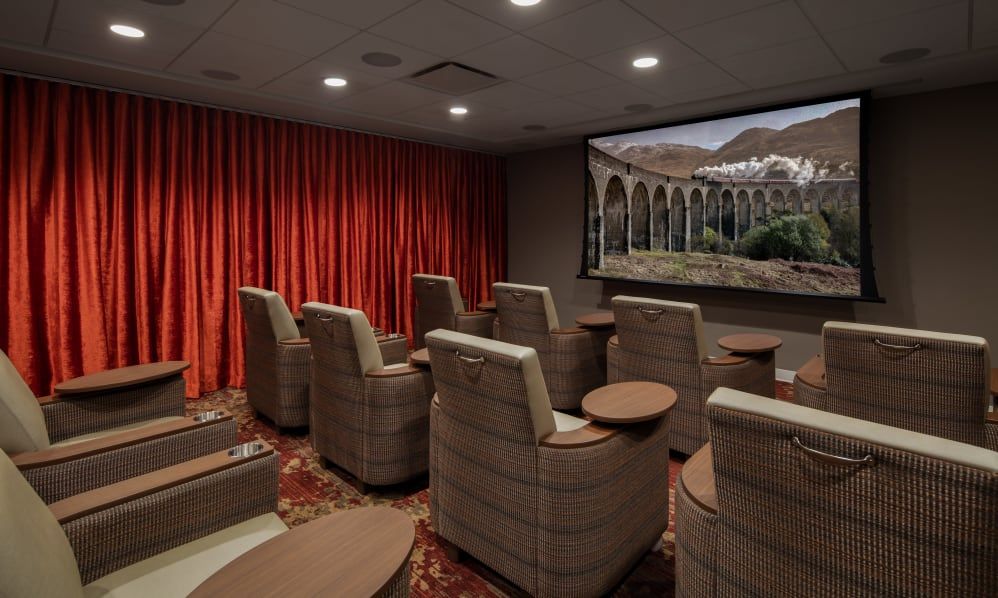
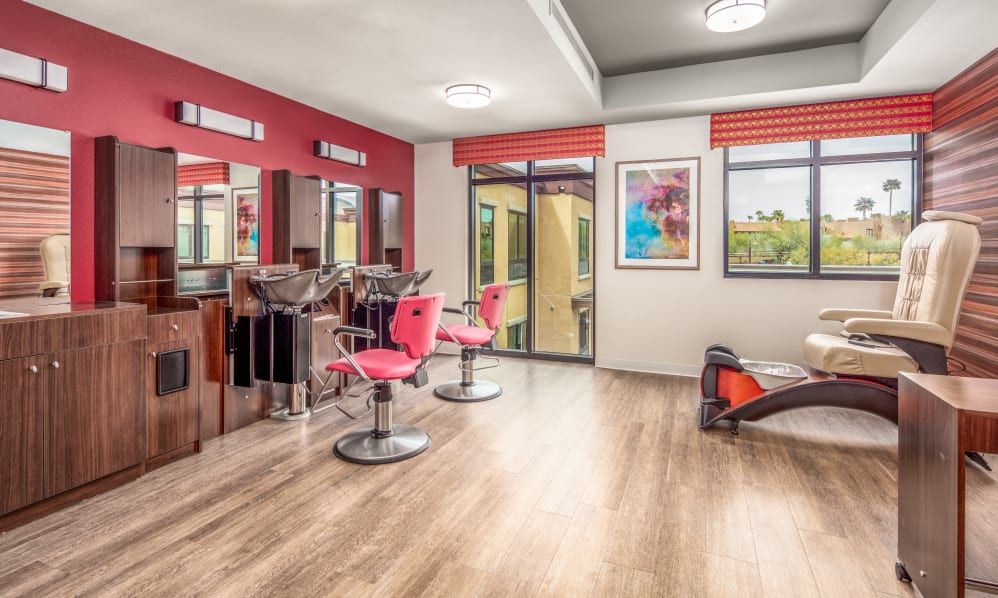
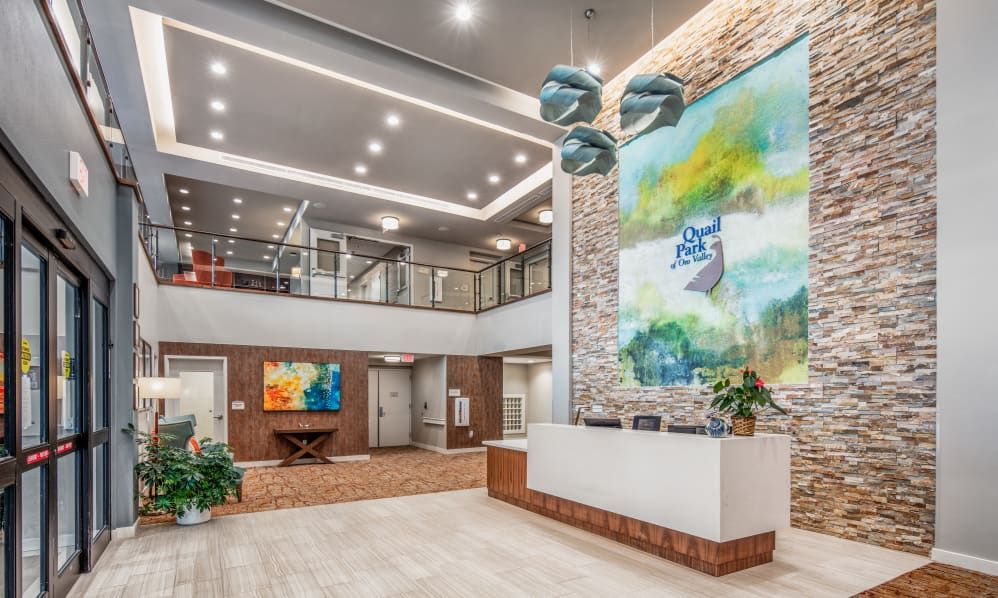
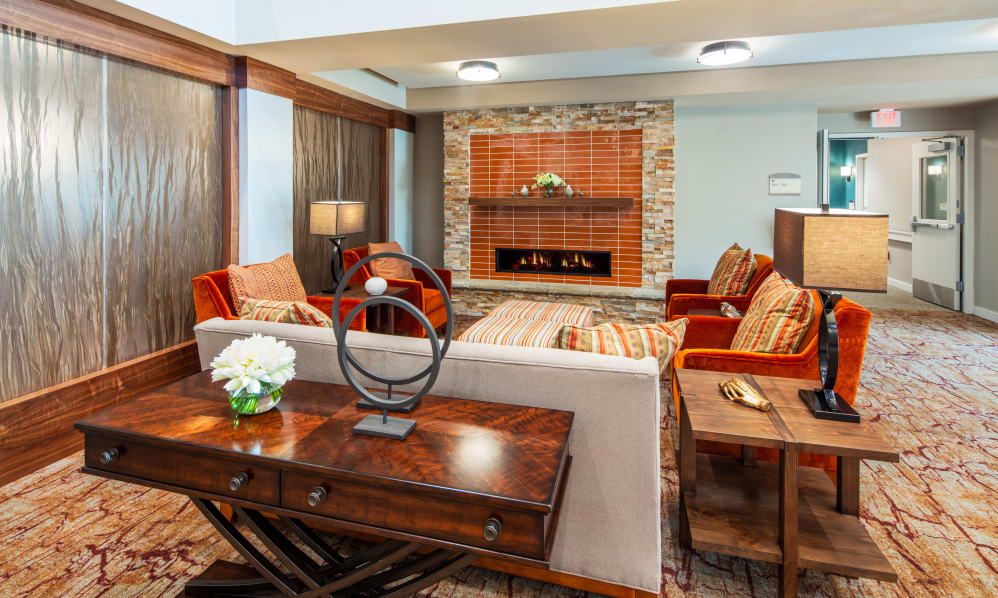
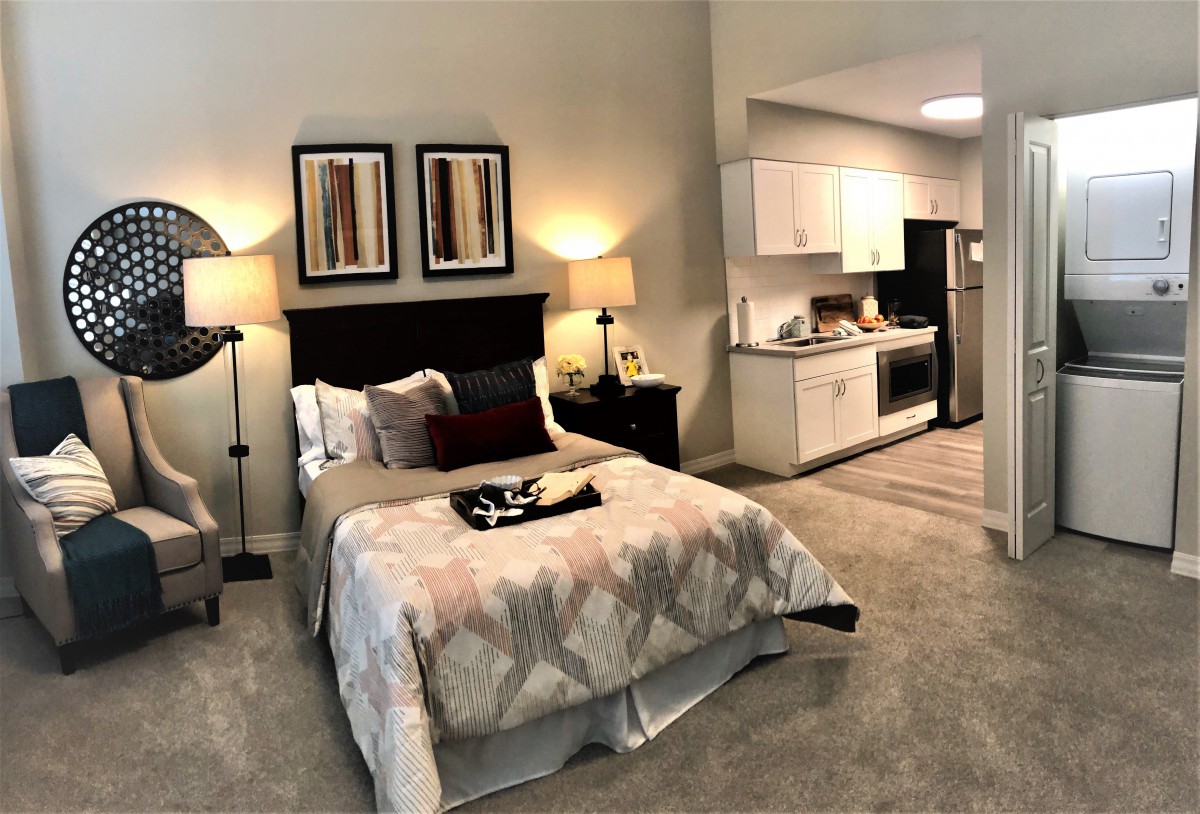
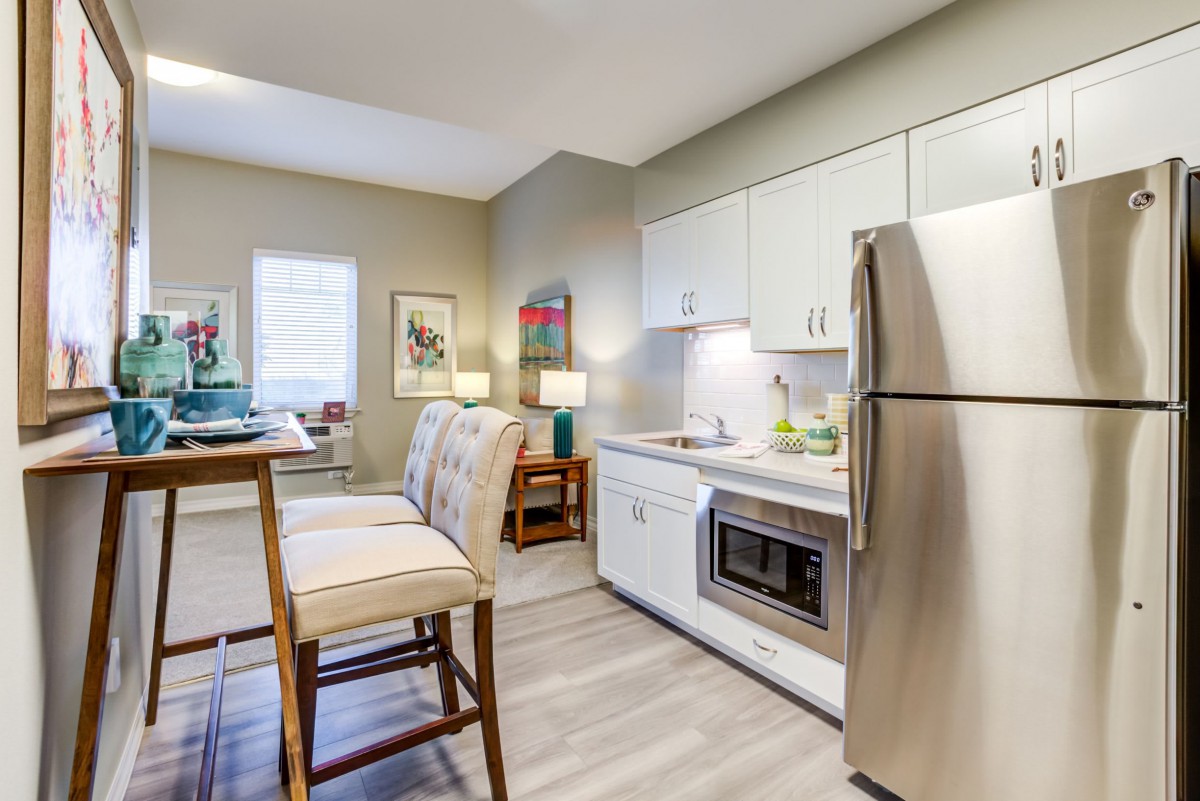
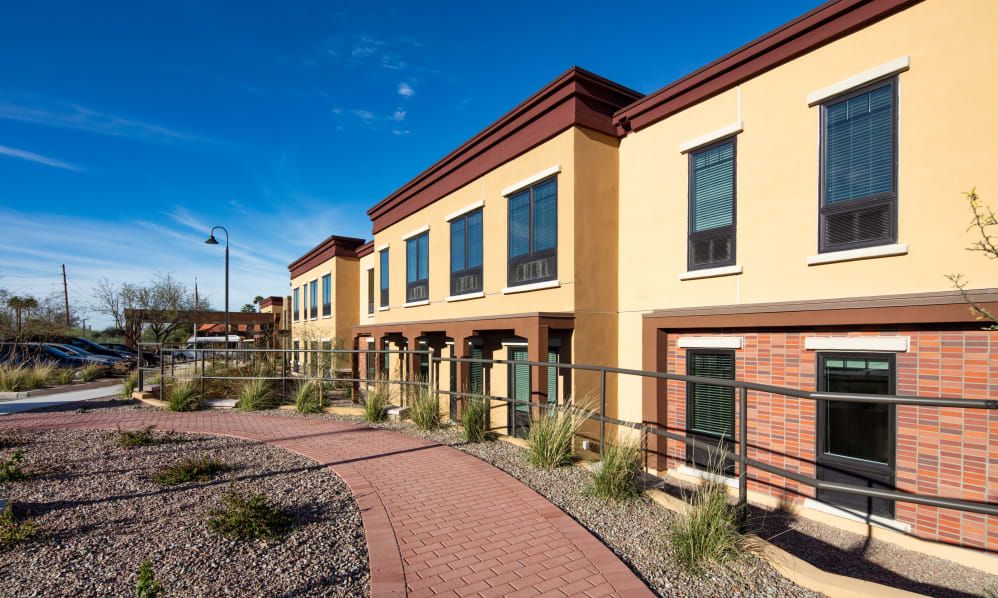
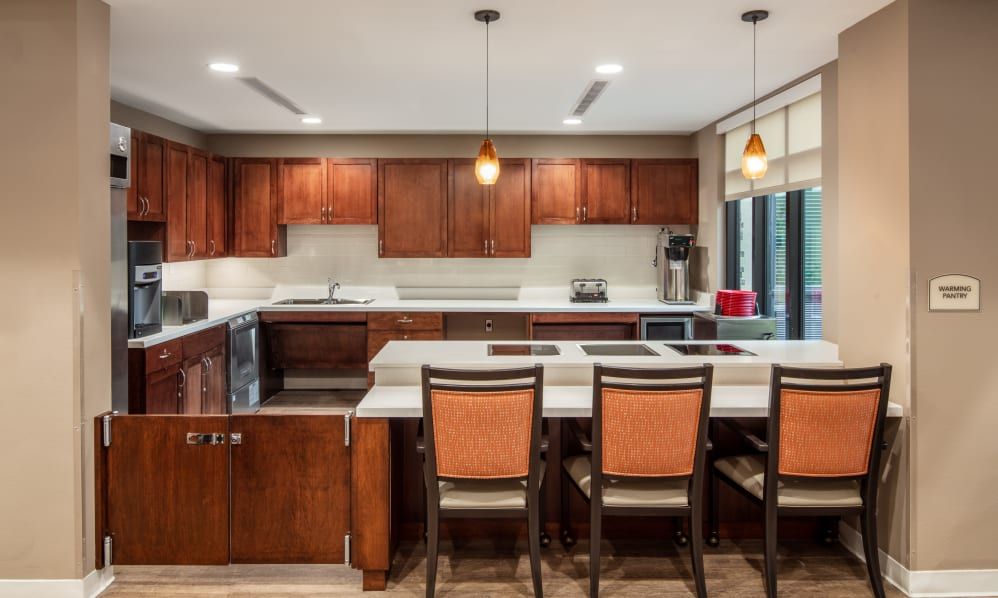
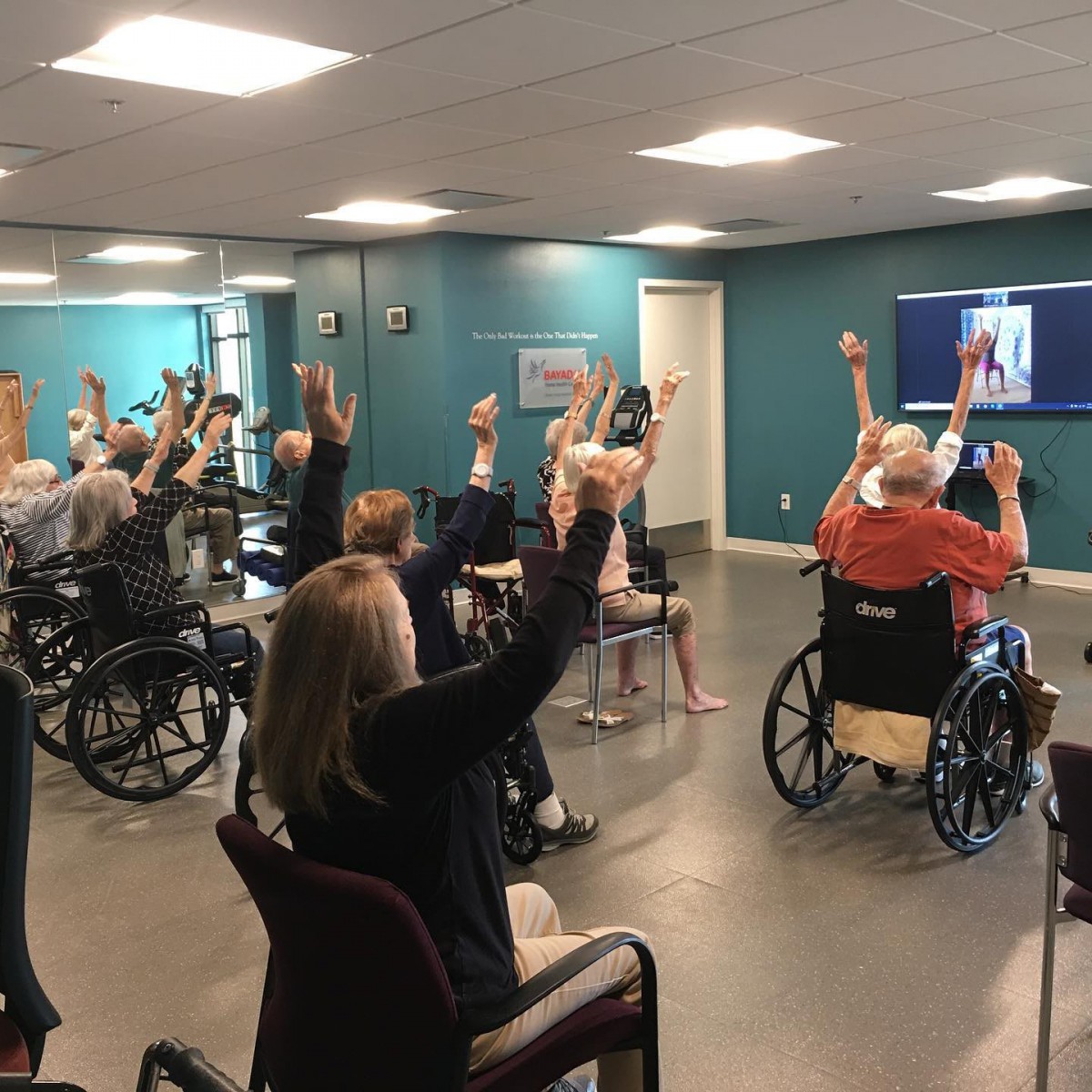
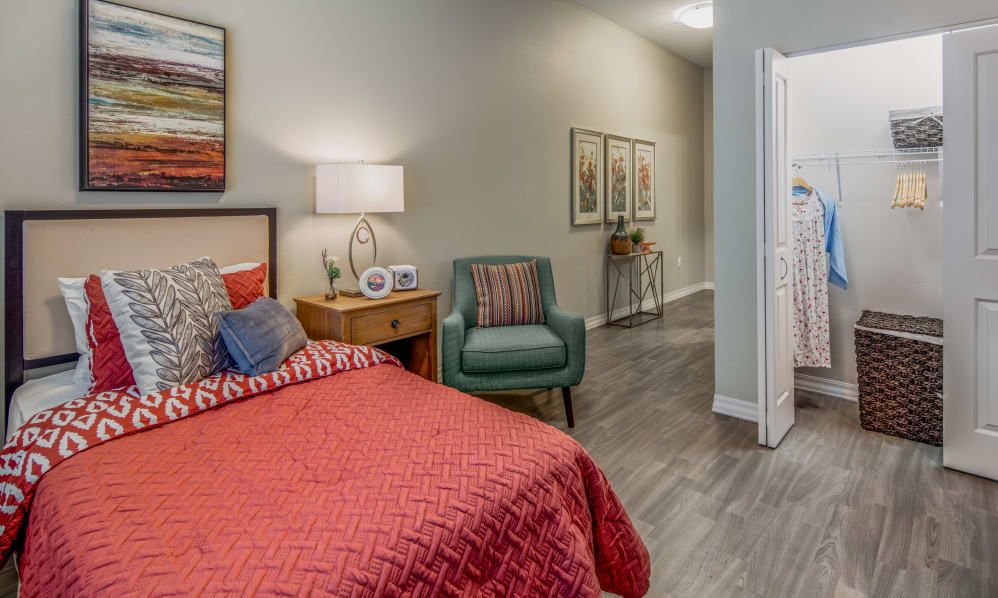
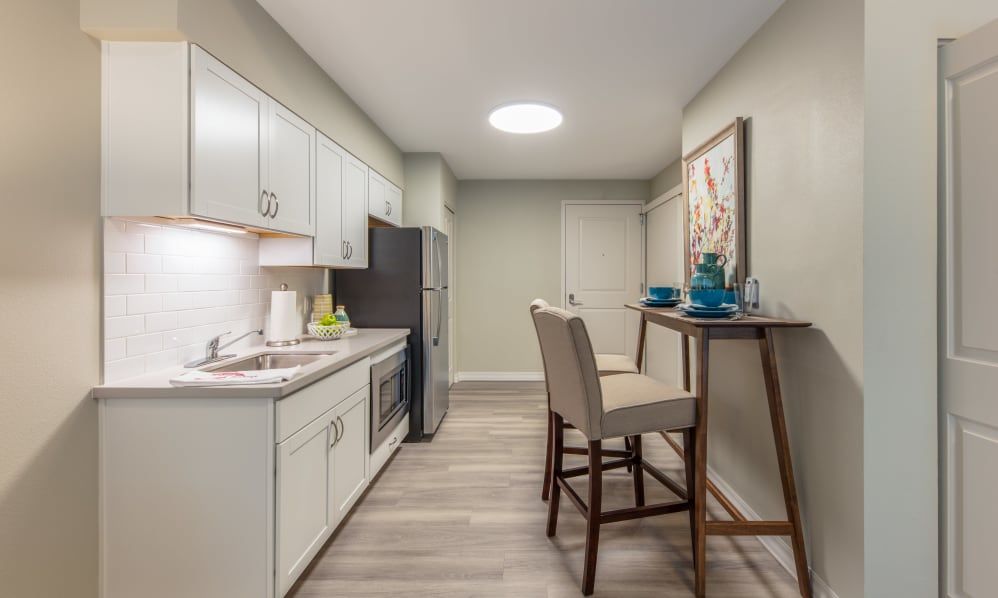
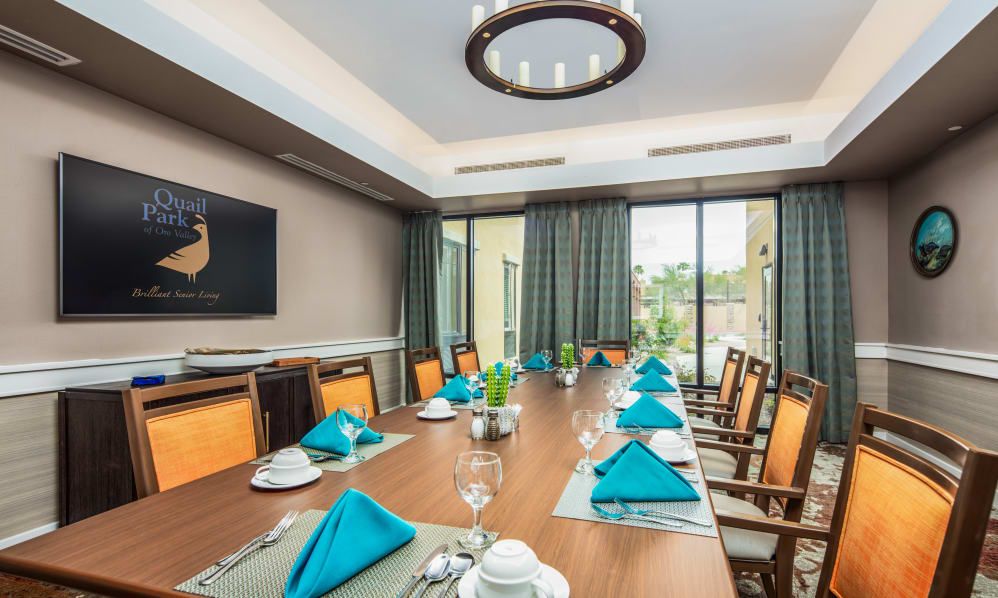
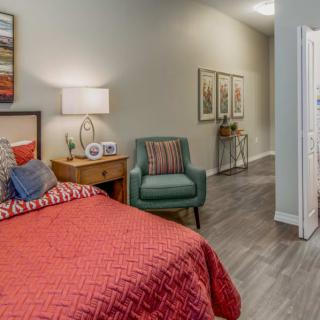
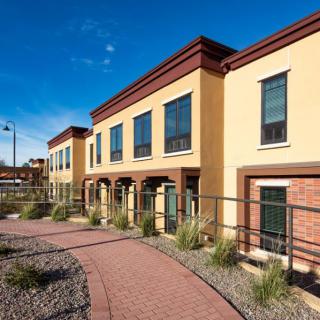
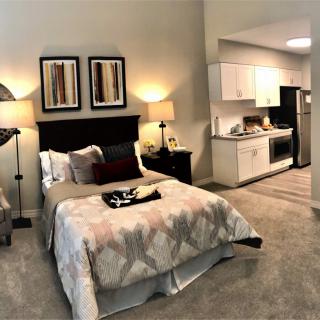
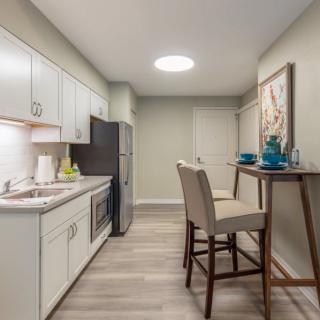
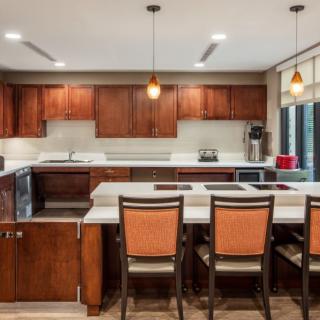
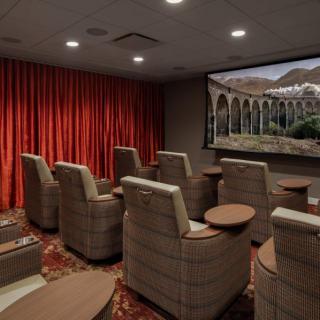
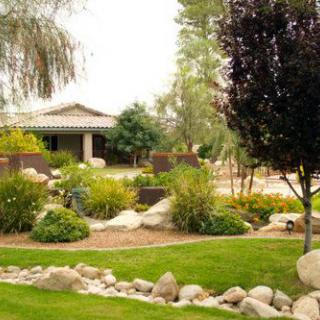
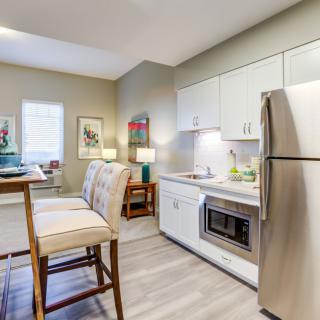
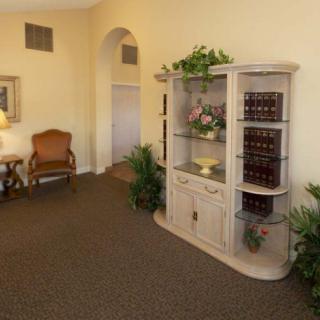
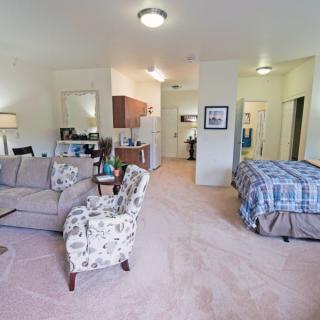
The Watermark at Oro Valley on seniors.fyi includes 23 photos including images showing interior, decor, dining, bedroom, seating area, billiards, living room, lighting, and more.
Nearby Communities
Catalina Springs Memory Care
Oro Valley, AZ
4.2 from 64 reviews
$3,500 to $4,800 / month
Specialized memory care with attentive staff, cleanliness, and engaging activities.
Brookdale Oro Valley
Oro Valley, AZ
4.4 from 81 reviews
$5,925 to $7,430 / month
Compassionate, dedicated staff with engaging activities in a clean, welcoming environment.
Mary & Pete's Assisted Living
Tucson, AZ
4.4 from 20 reviews
$2,500 to $3,500 / month
Strong LVN-manager oversight with engaging activities and spacious, welcoming spaces.
Emerine Hills Adult Care Home
Tucson, AZ
24/7 supervision with ADL assistance, diabetes-friendly meals, medication management, engaging daily activities, on-site amenities, and easy access to nearby healthcare and services.
Twin Palms Adult Care Home
Tucson, AZ
5 from 6 reviews
Excellent access to amenities and healthcare nearby.
Mountain View Care Center
Tucson, AZ
3.9 from 141 reviews
Friendly, attentive staff and effective physical therapy in a welcoming, home-like setting.
Desert Springs Gracious Retirement Living
Oro Valley, AZ
4.5 from 122 reviews
$2,395 to $4,145 / month
Warm, welcoming atmosphere with friendly staff, clean facilities, and engaging on-site activities.
Fairwinds - Desert Point
Oro Valley, AZ
4.5 from 129 reviews
$3,290 to $4,690 / month
Friendly staff; clean facilities; engaging activities and dining.
Assisted living provides moderate support for seniors seeking independence, while memory care offers specialized support for individuals with dementia or cognitive impairments through structured routines and trained staff. Key differences include care approaches, environment security measures, staff training levels, activity types, and cost considerations.
Choosing between assisted living and nursing homes involves evaluating emotional and financial factors, with assisted living offering independence and support for daily activities at a lower cost, while nursing homes provide intensive medical care for individuals with significant health needs. The decision is influenced by personal preferences, health status, cognitive function, and varying Medicaid coverage across states.
The article presents eight strategies for preserving cognitive health and memory in older adults, emphasizing a nutrient-rich diet, regular exercise, intellectually stimulating activities, adequate sleep, social connections, stress management techniques, limiting harmful substances, and regular medical checkups to mitigate age-related memory decline.
Get PricingAsk A QuestionSchedule A TourContact Senior Advisor
By clicking submit, you agree to our Partner's Terms of Use. You
also consent to receive calls and texts, which may be autodialed, from our Partner. Your consent is not a condition to
using our Partner's service. Please visit our Partner's Privacy Policy for information about their privacy practices.



















 103 resident community capacity
 1-bedroom apartments
 Assisted Living
 Independent Living
 Memory Care
 Cats allowed
 Dogs allowed
 Activities off-site
 Air-conditioning
 Beautician on-site
 Cable or satellite TV
 Computer center
 Devotional services off-site
 Dining room
 Fitness room
 Fully furnished
 Gaming room
 Garden
 Housekeeping services
 Indoor common areas
 Kitchenette
 Move-in coordination
 Outdoor common areas
 Private bathrooms
 Restaurant-style dining
 Small library
 Telephone
 Wellness center
 Wheelchair accessible showers
 Wi-Fi/high-speed internet available
 Tucson International (18 miles away)
 Community operated transportation
 12-16 hour nursing
 24-hour call system
 Ambulatory care
 Assistance with bathing
 Assistance with dressing
 Assistance with transfers
 Diabetes diet
 Diabetic care
 Hospice waiver
 Medication management
 Mental wellness program
 Special dietary restrictions
 Transportation arrangement (medical)
 Art classes
 Bible study group
 Concierge services
 Educational speakers / life long learning
 Jewish services
 Planned day trips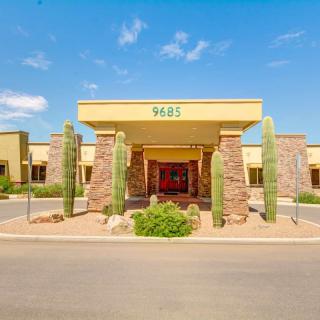
 Specialized memory care with attentive staff, cleanliness, and engaging activities.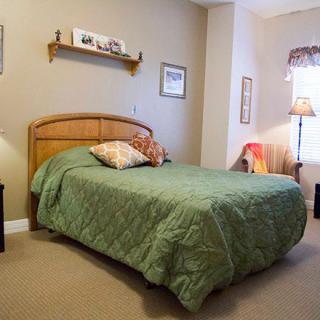


 Assisted Living and Memory Care: Understanding Their Core Differences
 Choosing the Right Senior Care: A Detailed Exploration of Assisted Living and Nursing Homes
 Safeguarding Your Memory Through the Golden Years: Eight Ways to Preserve Cognitive Health