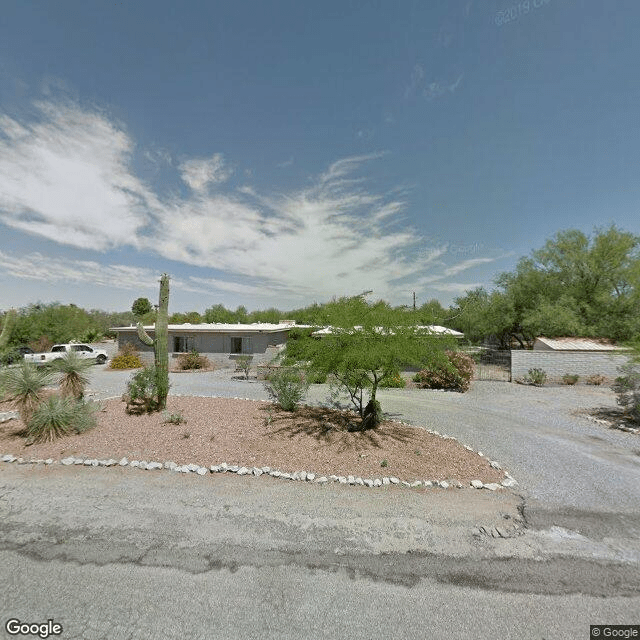
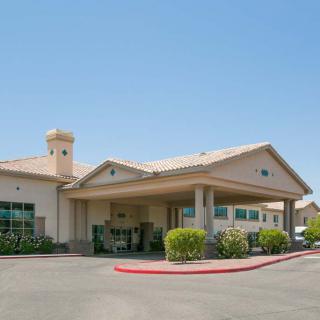
1164 West Oleta Drive, Tucson, AZ 85704
For more information about senior living options: (866) 208-4318
Mary & Pete's Assisted Living Costs & Pricing
Mary & Pete's Assisted Living offers competitive pricing for its residents, with costs that are generally below both Pima County and the broader state of Arizona. For a semi-private room, the monthly rate is $2,500, which is approximately 11% lower than the average cost in Pima County at $2,805 and slightly less than the statewide average of $2,820. Residents seeking more privacy can opt for a private room at Mary & Pete's for $3,500; this also represents a cost advantage compared to Pima County's average of $3,332 and Arizona's overall average of $3,345. This positioning not only supports affordability but also underscores Mary & Pete's commitment to providing quality care in a welcoming environment.
| Floor plans | Mary & Pete's Assisted Living | Pima County | Arizona |
|---|---|---|---|
| Semi-Private | $2,500 | $2,805 | $2,820 |
| Private | $3,500 | $3,332 | $3,345 |
Assisted Living communities with a similar price nearby
-
from -$300 / mo

Gentlemen's Inn I
$2,200 / month13.7 miles away -
from +$200 / mo

Casa De Los Abuelos Dos
$2,700 to $3,200 / month1.9 miles away -
About the same
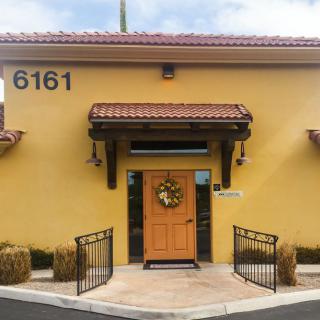
Fairmount Assisted Living
$2,500 to $3,500 / month11.2 miles away -
from -$225 / mo

Broadway Proper Senior Living
$2,275 to $3,075 / month13.6 miles away -
from +$450 / mo

La Sonora at Dove Mountain
$2,950 to $5,270 / month6.9 miles away
Overall Review of Mary & Pete's Assisted Living
Pros
 They describe Mary and Pete’s as the best assisted living in town.
- They report a great experience with responsive communication and a friendly, caring staff in a clean, happy environment.
- They note exceptional care at Mary and Pete’s, with residents treated with care, respect, love, and dignity.
- They feel relieved and grateful knowing loved ones are well cared for, able to enjoy favorite foods, and supported by attentive staff.
- They praise the staff for kindness, patience, and going above and beyond to keep residents safe and well cared for.
- They describe the homes as impeccably clean, home-like, and filled with love and laughter.
Review
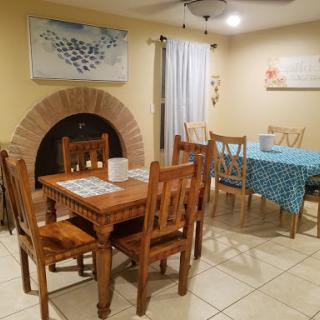
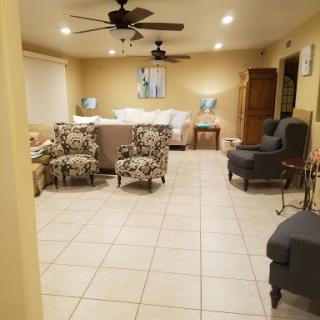
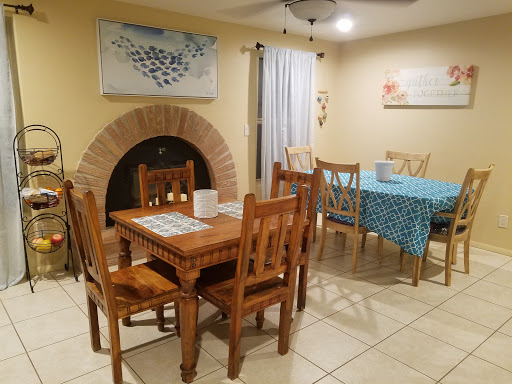
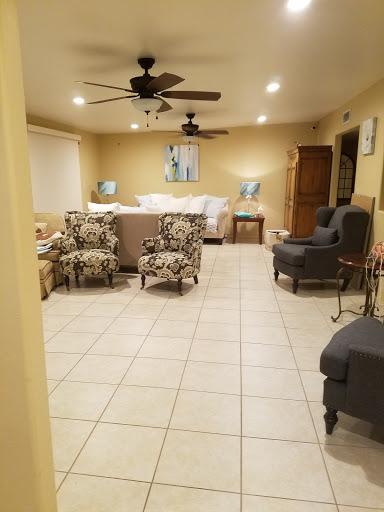
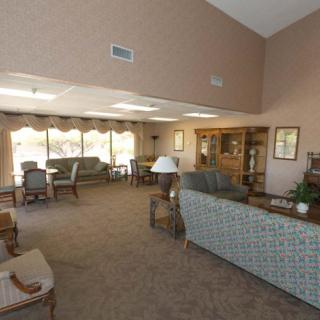
Mary & Pete's Assisted Living in Tucson, AZ is best suited for families seeking a small, home-like setting where elders are treated with dignity and daily life centers on personalized attention and family involvement. The homes feel residential rather than institutional, with clean spaces, approachable caregivers, and an emphasis on comfort, home-cooked meals, outdoor time, and social connection. It works especially well for seniors recovering from surgery or managing mild to moderate memory challenges who thrive on routine, familiar faces, and the chance to participate in activities and meals with others. This is a model where care feels intimate and relationships drive the day-to-day experience.
Those considering alternatives include elders with high medical acuity or behavioral needs that require constant, clinician-led oversight, or families who prioritize strict transparency and formal, centralized documentation of care plans. If the primary requirement is a highly regulated, medically oriented environment with secure dementia units, or if a resident needs 24/7 nursing supervision beyond what a small home can reliably provide, other options may be safer. Similarly, families that demand uniformly consistent administrative processes and crystal-clear communications from management should look at facilities with broader governance structures to prevent potential friction.
The core strengths lie in warmth, attentiveness, and a truly home-centered approach. Numerous families report responsive, personal communication and a staff that is genuinely caring, patient, and respectful. Cleanliness and a homey atmosphere recur as standout features, with kitchens producing reliable, homemade meals. Residents often enjoy outdoor spaces, meaningful conversation, and purposeful activities, while families can visit and participate without barriers. Across the strongest testimonials, residents are treated with dignity and individuality, reinforcing a sense of comfort and security for relatives who want to feel confident that their loved one is known and valued.
Conversely, a subset of reviews raises hard questions about governance and management. Some families describe the owner and leadership as uncooperative or evasive, with alleged privacy issues and contentious financial interactions. Accounts of being left uninformed during critical moments or facing disputes over refunds point to governance gaps that could erode trust for families who need clear, consistent updates. These negative experiences are not the majority, but they signal real risk factors for anyone seeking predictable communication and well-defined administrative boundaries. Prospective families should insist on direct conversations with leadership, written care plans, and verified references from past residents and their relatives.
In weighing the pros against the cons, the home-like ambiance and staff commitment can significantly offset the concerns for many families. The intimate setting often yields faster, more personalized responses, easier family involvement, and dependable daily routines that reduce senior stress. Cleanliness, reliable meals, and opportunities to socialize or enjoy the outdoors contribute meaningfully to emotional well-being, which can outweigh management-related risks when transparency is established upfront. A thorough in-person tour that includes discussions with long-standing families, plus a clear plan for medical updates and a direct contact for ongoing issues, will reveal whether the favorable elements are sufficiently consistent to justify choosing this community.
For families prioritizing a warm, relationship-driven environment with deeply engaged caregivers and flexibility for visits, Mary & Pete’s presents a compelling option in Tucson’s assisted-living landscape. It is less well-suited for those requiring intense medical oversight or for those who demand unwavering governance transparency and formalized, external governance. The prudent path is a comprehensive on-site evaluation, conversations with current and former residents’ families, and a realistic appraisal of whether the facility’s responsive culture can sustain care as needs evolve. When the fit is right, the care experience can be transformative; when it isn’t, several nearby options may better align with expectations for medical integration and governance clarity.
 10 resident community capacity
 Assisted Living
 Board and Care Home
 Cable or satellite TV
 Dining room
 Fully furnished
 Garden
 Housekeeping services
 Move-in coordination
 Outdoor space
 Private
 Telephone
 Wi-Fi/high-speed internet available
 Tucson International (17 miles away)
 24-hour supervision
 Activities of daily living assistance
 Assistance with bathing
 Assistance with dressing
 Assistance with transfers
 Diabetes diet
 Diabetic care
 Incontinence care
 Meal preparation and service
 Medication management
 Special dietary restrictions
 Transportation arrangement (medical)
 Transportation to doctors appointments



 A Detailed Exploration of Assisted Living Medicaid Waivers Across the United States
 Comprehensive Residential Support and Assisted Living Solutions for Individuals with Disabilities
 Comprehensive Supportive Living Arrangements for Adults with Disabilities