

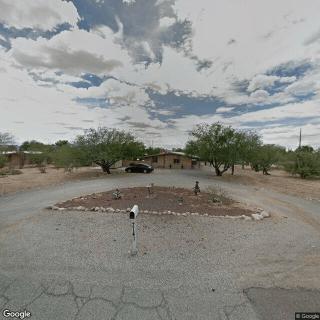
920 West Ina Road, Tucson, AZ 85704
To contact a resident: (520) 297-9286
For more information about senior living options: (866) 208-4318
Villa De Hope Costs & Pricing
Villa De Hope offers competitive pricing for its residents, with monthly costs that are generally lower than the average rates in Pima County and across Arizona. For semi-private accommodations, Villa De Hope charges $2,500, which is notably more economical compared to the county's average of $2,805 and the state average of $2,820. In terms of private rooms, Villa De Hope's rate of $4,000 remains higher than both Pima County's average of $3,332 and Arizona's state average of $3,345. This pricing structure suggests that while Villa De Hope provides a cost-effective option for shared living situations, it positions itself as a more premium choice for those seeking private accommodations within a supportive community setting.
| Floor plans | Villa De Hope | Pima County | Arizona |
|---|---|---|---|
| Semi-Private | $2,500 | $2,805 | $2,820 |
| Private | $4,000 | $3,332 | $3,345 |
Overall Review of Villa De Hope
Pros
 The staff at Woodmark at Sun City are incredibly attentive and compassionate, able to cater to residents' specific requests.
- Guests enjoyed overnight stays and appreciated the menu and activities schedule.
- The care home is excellent, with very good staff and a very clean environment.
- The staff communicate residents' status clearly and are open with families.
- Villa De Hope is run by a mother and her two daughters, with caregivers, and maintains a very clean environment.
- They cook very good meals for breakfast, lunch, and dinner, and are attentive to residents' needs.
- The facility presents a very fancy, marble-floored appearance.
Cons
 They felt the patrons were not monitored closely enough, which diminished the personal closeness in the smaller house.
- They noted that the larger facility did not compensate for the lack of close, personal monitoring.
Review
Villa De Hope in Tucson is best suited for families seeking a small, home-like elder care setting where personal touch comes first and the operation feels genuinely intimate. This community works best for seniors who want caregiver attention that feels embedded in a household, not in a sterile campus. It is ideal for residents who value cleanliness, reliable daily meals, and a predictable routine delivered by a family-run team with on-site support from additional caregivers. The limited resident count, roughly six to seven people, translates into easier communication, more individualized updates, and a sense of belonging that larger facilities often struggle to deliver. For families that prize transparency, warmth, and a hands-on approach from the owners, this model offers reassurance that decisions stay close to home and care plans are discussed in a straightforward, understandable manner.
That said, Villa De Hope may not be the best fit for every senior or every family. Prospective movers who require high-acuity medical oversight, frequent skilled nursing, or rigorous therapy programs will likely find a larger, more structured community more suitable. The smaller home atmosphere, while charming, can come with a lighter staff footprint and less every-minute monitoring than a bigger campus. For residents who crave a bustling social calendar, a wide array of on-site amenities, or more formalized clinical redundancy, alternatives with bigger teams and more specialized services could feel more comprehensive and safer in practice.
The strongest pro of Villa De Hope is the human-scale care that permeates daily life. The home is described as clean and well-maintained, with meals prepared on-site that residents genuinely enjoy. The model centers on attentiveness to needs, with hospice teams already integrated into the care plan and ongoing reassurances that residents are respected and comfortable. The presence of the family owners working alongside caregivers signals a level of accountability and warmth that translates into conversations that are easier to follow and concerns that are addressed quickly. Activities, such as music or light entertainment several evenings a week, help sustain a sense of normalcy and dignity, especially for residents who prefer a quieter, more homelike pace.
Nonetheless, the smaller setting can carry a couple of meaningful trade-offs. Observers note that the care model may not feel as closely watched as in larger facilities, simply because fewer staff are on a daily shift and the environment is less campus-like. That can be reassuring for those who dislike the impersonal feel of big rooms and long corridors, but it can raise questions for families whose loved ones require stronger supervision or more structured supervision of medications, mobility, and safety. The home’s compact footprint, described as a place with a few residents, rather than a sprawling campus, also means fewer built-in options for socialization on any given day, which may be a drawback for those who thrive on a wide network of peers and activities.
For families weighing next steps, consider how important two factors are: (1) the degree of personal attention versus clinical intensity, and (2) the pace and scope of social and therapeutic programming. Villa De Hope excels where intimacy, cleanliness, good home-cooked meals, and hospice integration matter most, and where the family-operated model lends extra reassurance. Alternatives worth exploring include larger assisted living communities that standardize staffing patterns, offer broader activity calendars, and provide more robust on-site rehab or memory care amenities. If a loved one’s needs include frequent skilled nursing or specialized interventions, those may be better matched elsewhere.
In the end, the decision hinges on aligning care philosophy with practical needs. Villa De Hope is a thoughtfully run, clean, intimate home that delivers reliable daily life, genuine human connection, and compassionate oversight from people who treat residents like family. Families should visit with a clear checklist: observe staffing ratios on a typical day, ask about emergency procedures and how quickly staff respond, review how hospice and external medical teams coordinate, and request to see a few days’ worth of meals, activities, and room setups. If the goal is to have a warm, homey environment where caregivers know names and preferences and where decisions happen in a small-circle, Villa De Hope warrants serious consideration. If the priority is a medical-heavy environment with extensive facilities and continuous professional surveillance, look toward larger, more conventional options.
 10 resident community capacity
 Assisted Living
 Board and Care Home
 Beautician on-site
 Cable or satellite TV
 Dining room
 Fully furnished
 Garden
 Housekeeping services
 Laundry
 Move-in coordination
 Outdoor space
 Private
 Swimming pool
 Telephone
 Wi-Fi/high-speed internet available
 Tucson International (16 miles away)
 Transportation & parking
 24-hour supervision
 Activities of daily living assistance
 Assistance with bathing
 Assistance with dressing
 Assistance with transfers
 Diabetes diet
 Diabetic care
 Hospice care
 Meal preparation and service
 Medication management
 Physical therapy
 Special dietary restrictions
 Transportation arrangement (medical)
 English







 Funding and Affording Assisted Living: A Thorough Overview
 Assisted Living Expenses and Long-Term Care Insurance: A Comprehensive Exploration
 Securing Financial Support for Assisted Living: A Comprehensive Overview