At The Ranch Estates of Tucson, the monthly costs reflect a strategic positioning within the local market while maintaining competitive rates in Pima County and across Arizona. For instance, the studio apartments are priced at $3,600, which is notably lower than the county's average of $3,786 and the state average of $3,829. Meanwhile, one-bedroom units come at $3,810, slightly above Pima County's $3,660 but still more affordable than the broader Arizona average of $3,532. In contrast, the semi-private rooms present a different scenario with a price point of $4,840; this figure significantly surpasses both Pima County's average of $2,805 and Arizona's statewide average of $2,820. Overall, while The Ranch Estates commands higher prices for certain room types compared to similar facilities in the region, its offerings reflect quality care and amenities that cater to residents' needs.
Floor plans
The Ranch Estates of Tucson
Pima County
Arizona
Studio
$3,600
$3,786
$3,829
1 Bedroom
$3,810
$3,660
$3,532
Semi-Private
$4,840
$2,805
$2,820
Memory care communities with a similar price nearby
Residents and families consistently describe staff who are kind, patient, and easy to reach.
Many reviewers highlight staff members who feel genuinely caring and attentive, including caregivers, nurses, and front-desk teams. Multiple comments describe staff knowing residents by name and supporting daily routines, especially during transitions. Families also mention communication and follow-through when help was needed, which helped them feel more confident leaving a loved one in care.
common
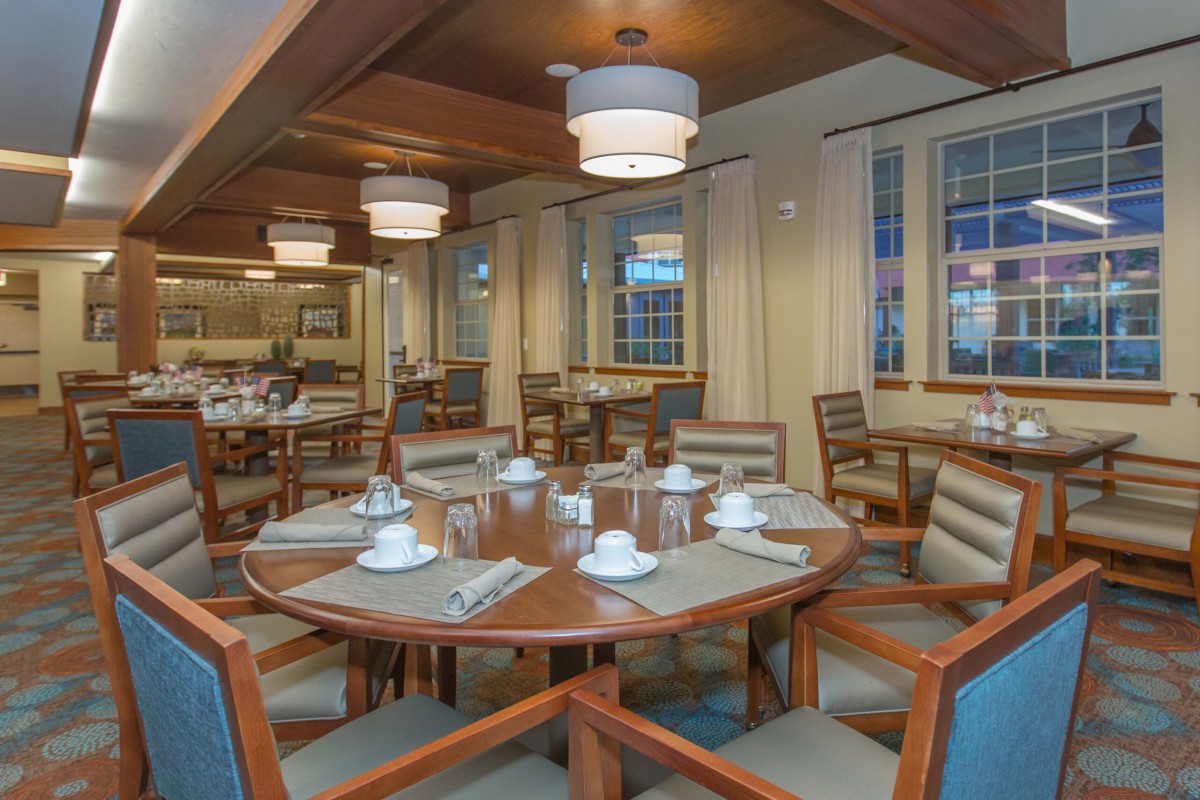
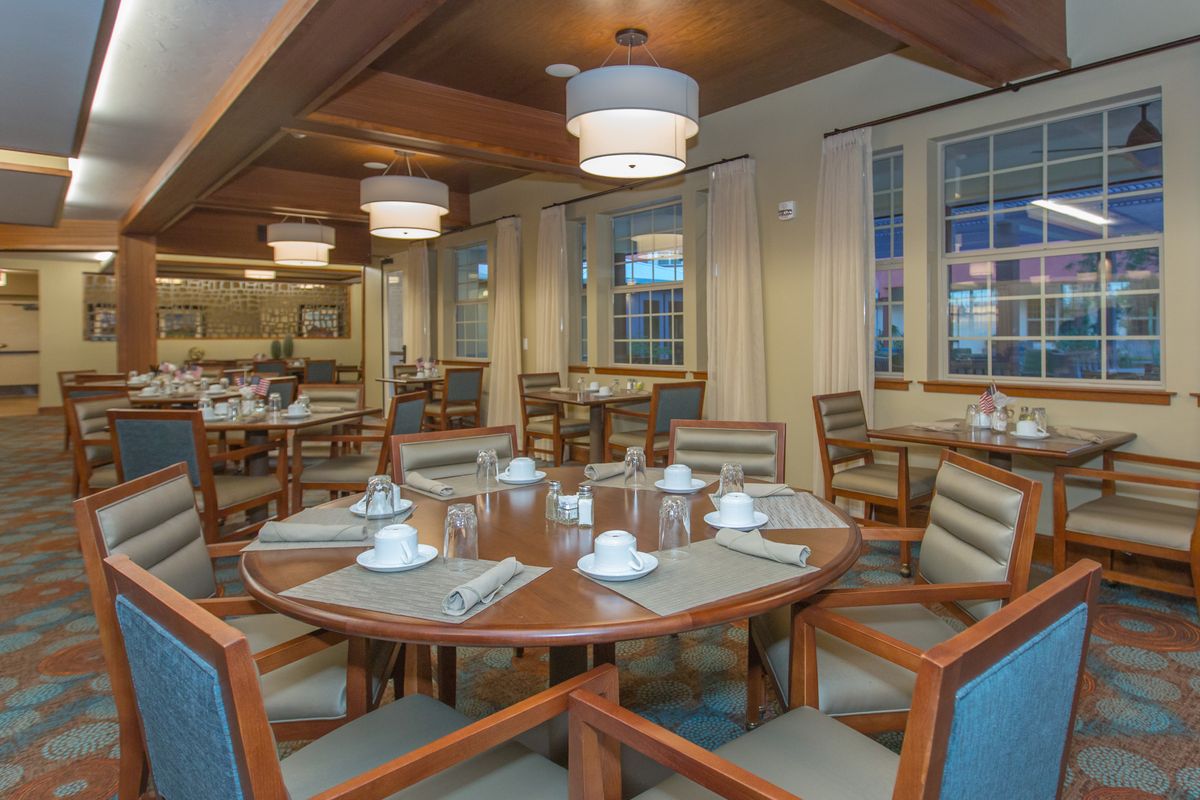
Restaurant-style dining stands out
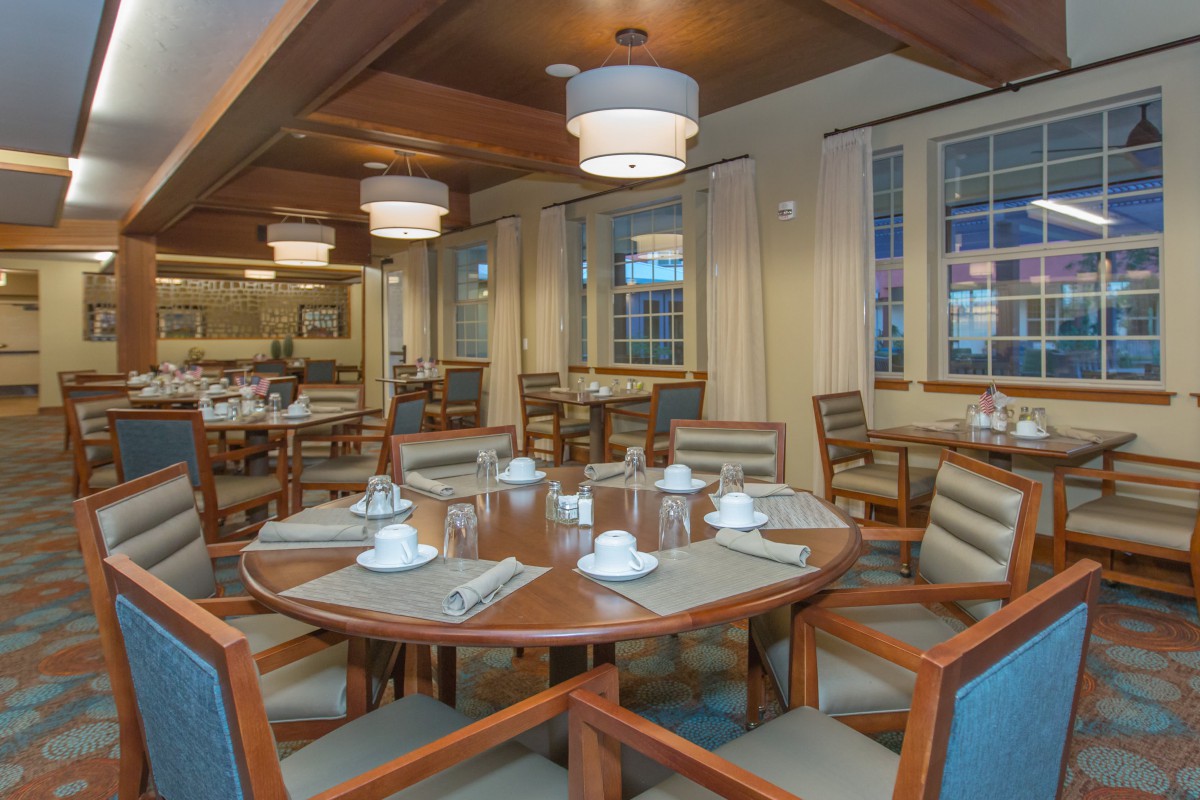
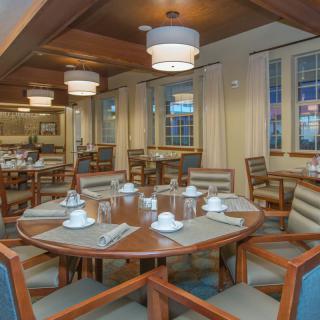
Meal service is frequently described as restaurant-style, with food that many residents enjoy.
Dining comes up repeatedly, with multiple reviewers noting restaurant-style meal service and meals they found delicious or good. Some comments specifically connect dining to everyday comfort and social time in the dining room. A smaller number of reviews raise concerns about food quality at times, including meals feeling inconsistent or not always appealing.
common
Activities keep residents engaged
Residents are described as staying engaged thanks to varied on-site activities and outings.
Reviewers often mention scheduled daily activities, community-sponsored events, and resident-friendly gathering spaces. Several people describe games, groups, and outings that help residents socialize and feel busy throughout the day. A few reviews also note room for improvement around activities for certain attendees, such as better introductions or more encouragement to interact.
differentiator
Memory care and dementia support
Residents who need memory care are described as supported in dedicated programming and environments.
Multiple reviews reference dementia care and the availability of a memory care option, including support as needs change. Families mention communication and assistance during difficult periods, and some describe peace of mind from care that fits memory challenges. The review mix also includes concerns from a minority of families about changes over time affecting memory care routines and access.
caveat
Pricing feels competitive, with exceptions
Pricing is often described as comparable or reasonable, but some reviewers report cost pressures.
Several families describe the cost as comparable to nearby options or more affordable than expected for the level of care and amenities. Others mention food-related or day-to-day cost concerns, and a few point to worries about pricing rising over time. One review also flags scheduling challenges related to transportation and medication management, which is separate from base pricing but can affect the overall experience.
How we summarize
We summarize when many written reviews mention each theme; a review can touch several themes, and only frequently mentioned themes are displayed.
Features
Housing
155 resident community capacity
1-bedroom apartments
Studio apartments
Types of Care
Assisted Living
Memory Care
Pets
Cats allowed
Dogs allowed
Amenities
Activities off-site
Activities on-site
Air-conditioning
Bath tubs
Beautician on-site
Beauty salon
Cable or satellite TV
Computer center
Devotional services off-site
Devotional services on-site
Dining room
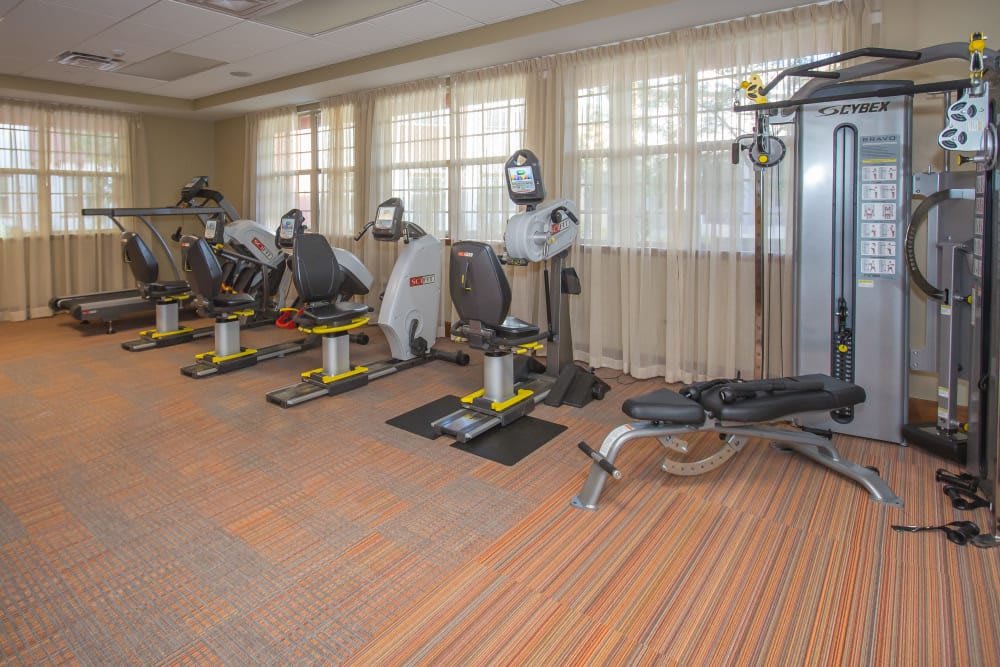
Fitness room
Fully furnished
Gaming room
Garden
Ground floor units
Housekeeping services
Indoor common areas
Kitchenette
Laundry
Move-in coordination
Outdoor common areas
Outdoor space
Private bathrooms
Respite or short term stays offered
Restaurant-style dining
Small library
TV room
Telephone
Wellness center
Wheelchair accessible showers
Wi-Fi/high-speed internet available
Transportation
Tucson International (15 miles away)
Community operated transportation
Transportation & parking
Transportation arrangement
Transportation arrangement (non-medical)
Care Services
12-16 hour nursing
24-hour call system
24-hour supervision
Activities of daily living assistance
Ambulatory care
Assistance with bathing
Assistance with dressing
Assistance with transfers
Coordination with health care providers
Dementia waiver
Diabetes diet
Diabetic care
Hospice waiver
Incontinence care
Meal preparation and service
Medication management
Mental wellness program
Mild cognitive impairment
Special dietary restrictions
Specialized memory care programming
Transportation arrangement (medical)
Transportation to doctors appointments
Dining
Anytime dining
Diabetes diet
Guest meals
International cuisine
Kosher
Low / no sodium
Meals provided
No Sugar
Professional chef
Restaurant style dining
Room service
Special dietary restrictions
Special dining programs
Vegetarian
Activities
Activities off-site
Art classes
Community-sponsored activities
Concierge services
Cooking classes
Day trips and outings
Devotional activities offsite
Devotional activities on-site
Educational speakers / life long learning
Fitness programs
Happy hour
Karaoke
Live dance or theater performances
Live musical performances
Live well programs
Planned day trips
Resident-run activities
Scheduled daily activities
Wine tasting
Languages Spoken
English
Videos
Nearby Places of Interest
This part of Tucson, Arizona offers a range of healthcare options, including urology, pediatrics, orthopedics, dermatology, obstetrics, and women's health services. There are also several pharmacies within a short distance to ensure easy access to medication. In terms of dining options, there is a variety of restaurants catering to different tastes such as American cuisine, fast food, sushi, and more. Additionally, there is a movie theater nearby for entertainment. The area also boasts several parks for outdoor recreation and places of worship for spiritual fulfillment. Overall, this neighborhood provides convenient access to essential services and amenities suitable for senior living.
Physicians
Urological Associates of Southern Arizona PC (0.2 miles)
Cholla Pediatrics PC (0.2 miles)
Tucson Orthopaedic Institute (0.4 miles)
Southern Arizona Center For Minimally Invasive Surgery (0.4 miles)
At The Ranch Estates of Tucson, the monthly costs reflect a strategic positioning within the local market while maintaining competitive rates in Pima County and across Arizona. For instance, the studio apartments are priced at $3,600, which is notably lower than the county's average of $3,786 and the state average of $3,829. Meanwhile, one-bedroom units come at $3,810, slightly above Pima County's $3,660 but still more affordable than the broader Arizona average of $3,532. In contrast, the semi-private rooms present a different scenario with a price point of $4,840; this figure significantly surpasses both Pima County's average of $2,805 and Arizona's statewide average of $2,820. Overall, while The Ranch Estates commands higher prices for certain room types compared to similar facilities in the region, its offerings reflect quality care and amenities that cater to residents' needs.
The Ranch Estates of Tucson offers a comprehensive array of features designed to support residents with dementia or Alzheimer's disease, ensuring their safety, comfort, and well-being. 24-hour supervision provides constant oversight to mitigate potential risks, while assistance with activities of daily living, such as bathing and dressing, promotes dignity and personal care. The facility's coordination with healthcare providers ensures tailored medical attention, complemented by medication management for optimal health outcomes. Specialized memory care programming caters to the unique cognitive needs of residents at various stages of memory impairment, while a mental wellness program fosters emotional health. Incontinence care and meal preparation further enhance quality of life by addressing basic needs with sensitivity. Lastly, transportation arrangements facilitate access to medical appointments, reinforcing the commitment to comprehensive care for individuals facing the challenges of dementia or Alzheimer's disease.
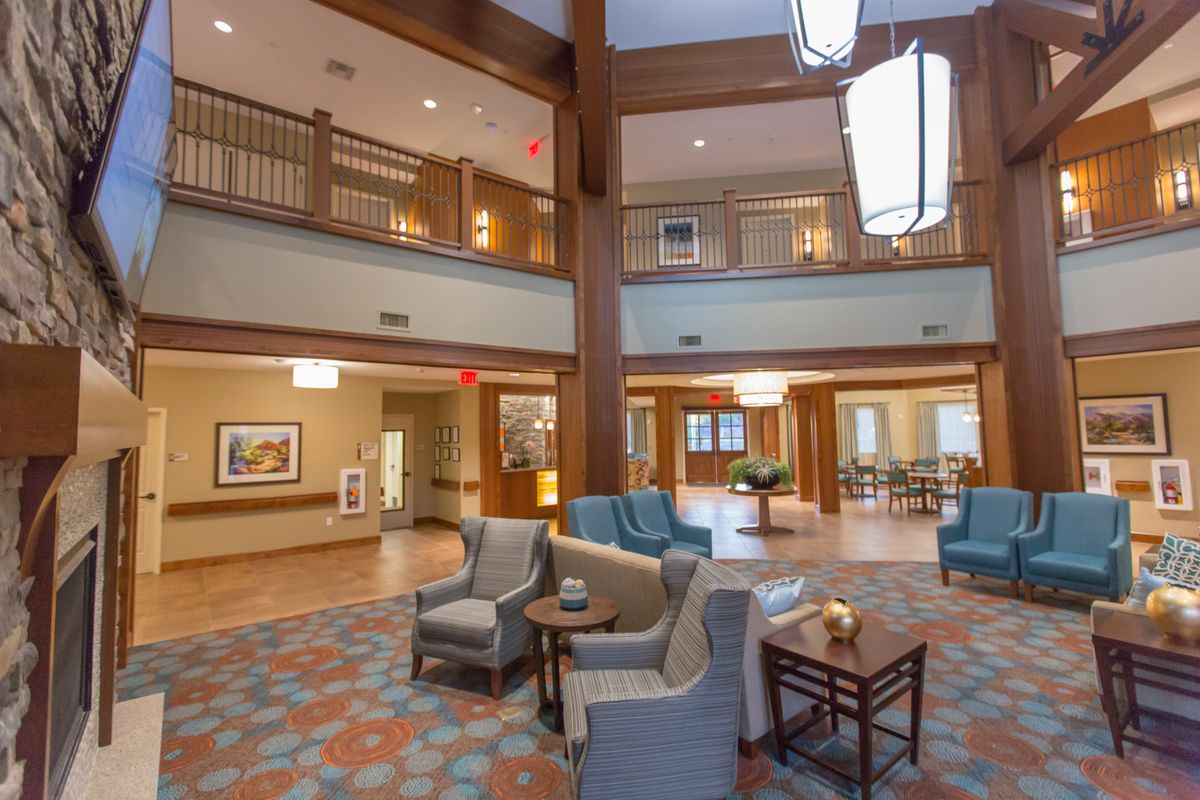
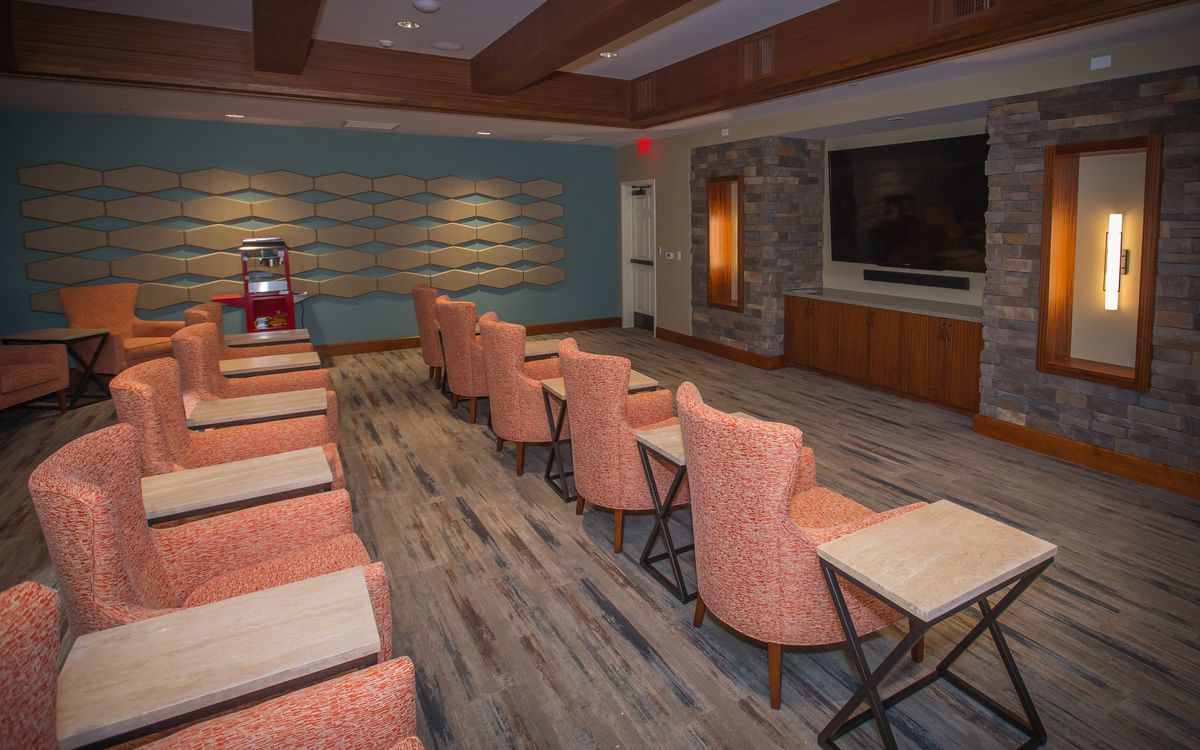
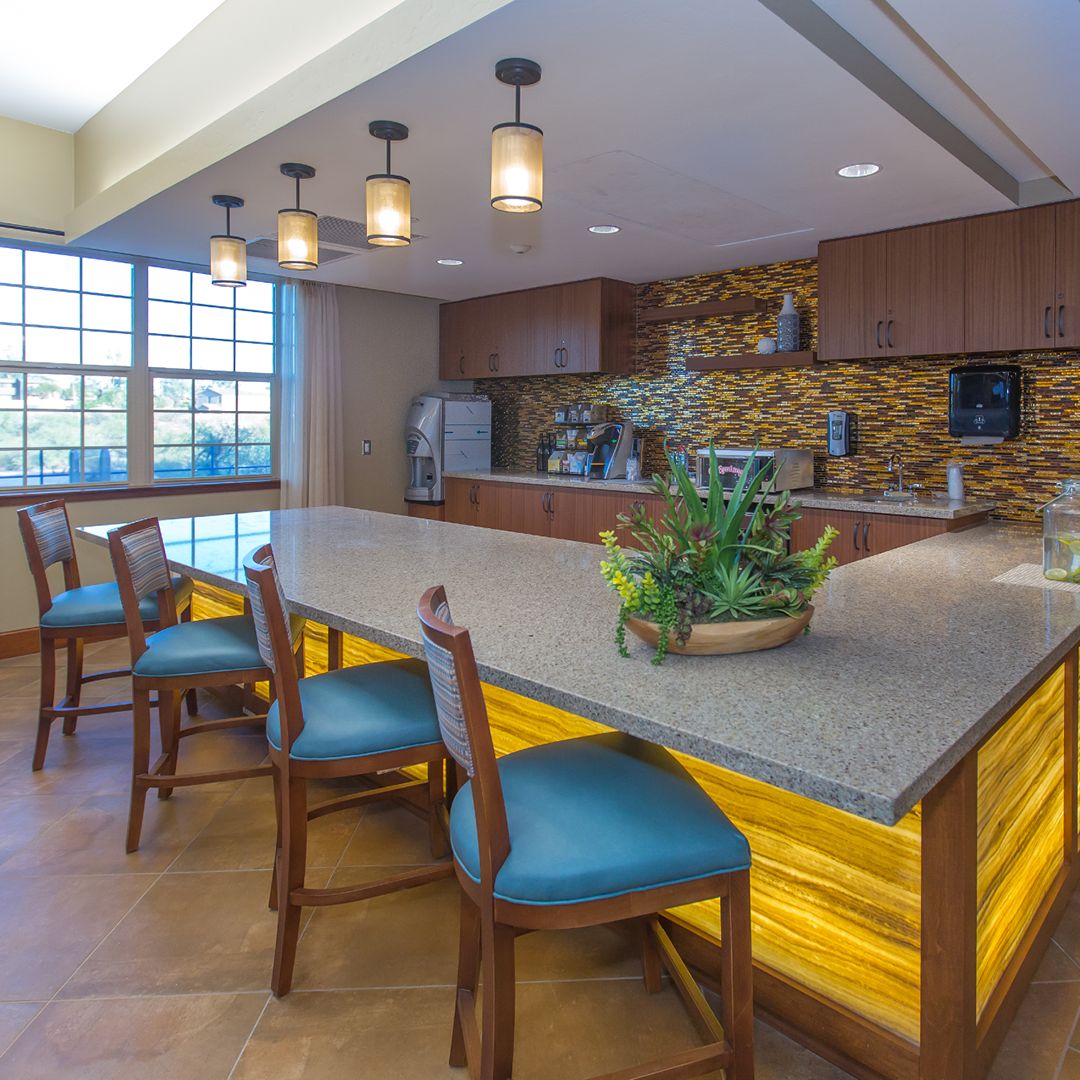
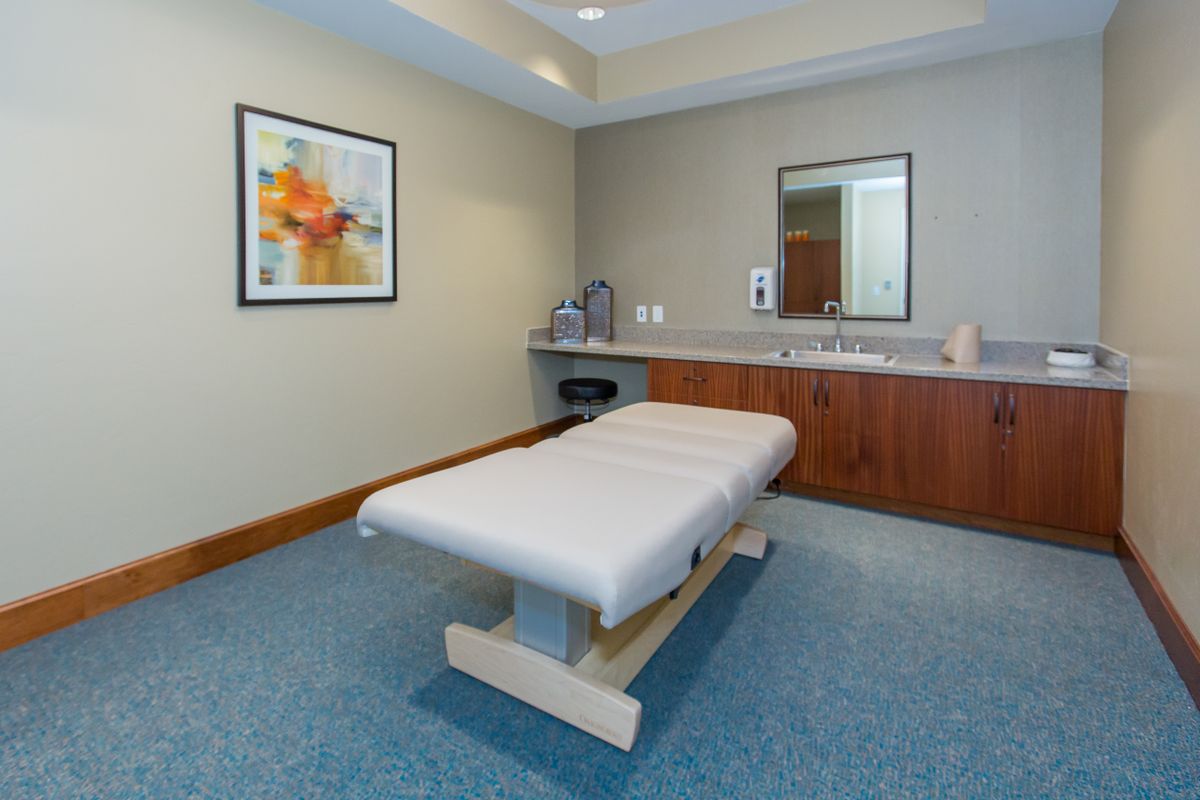
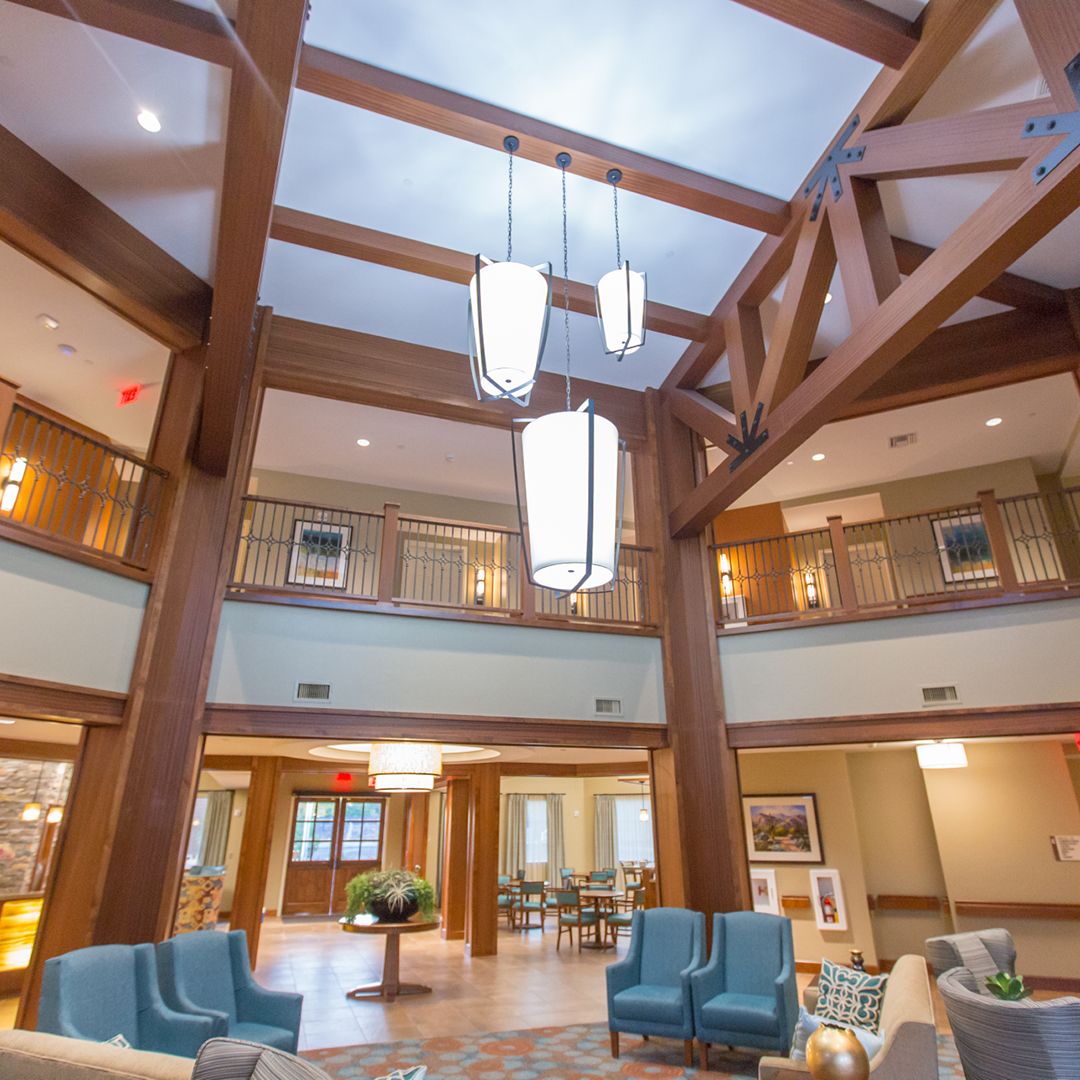
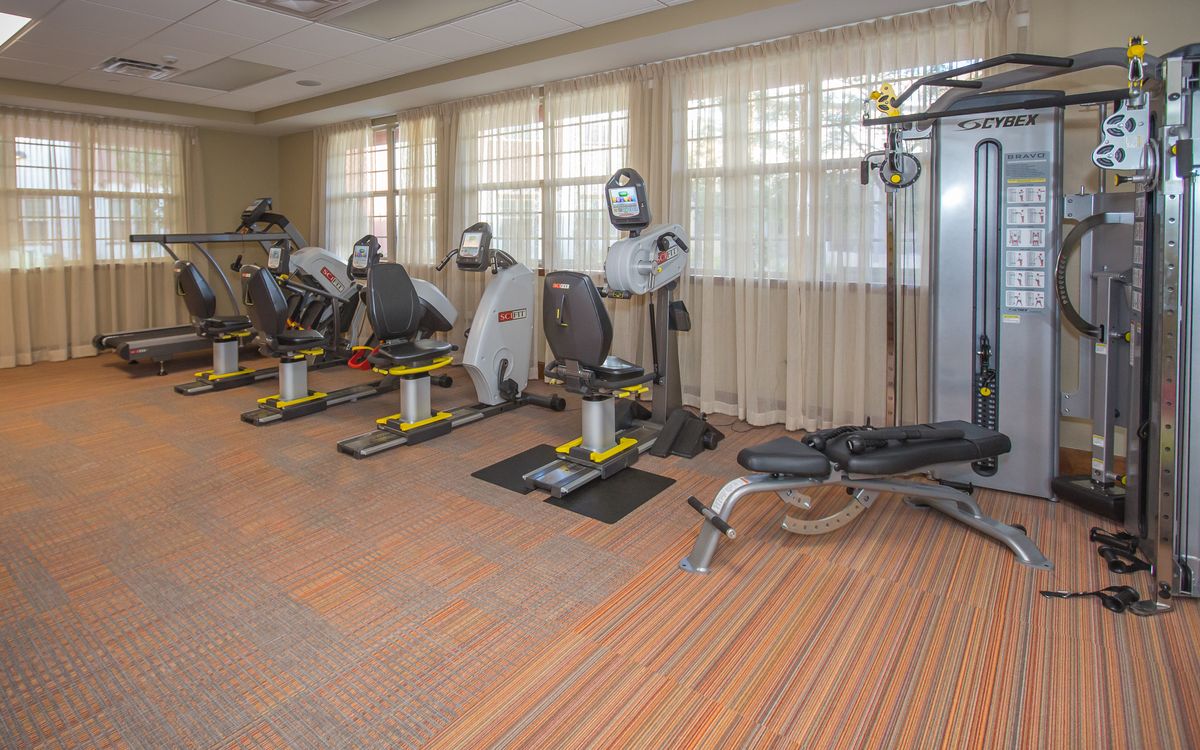
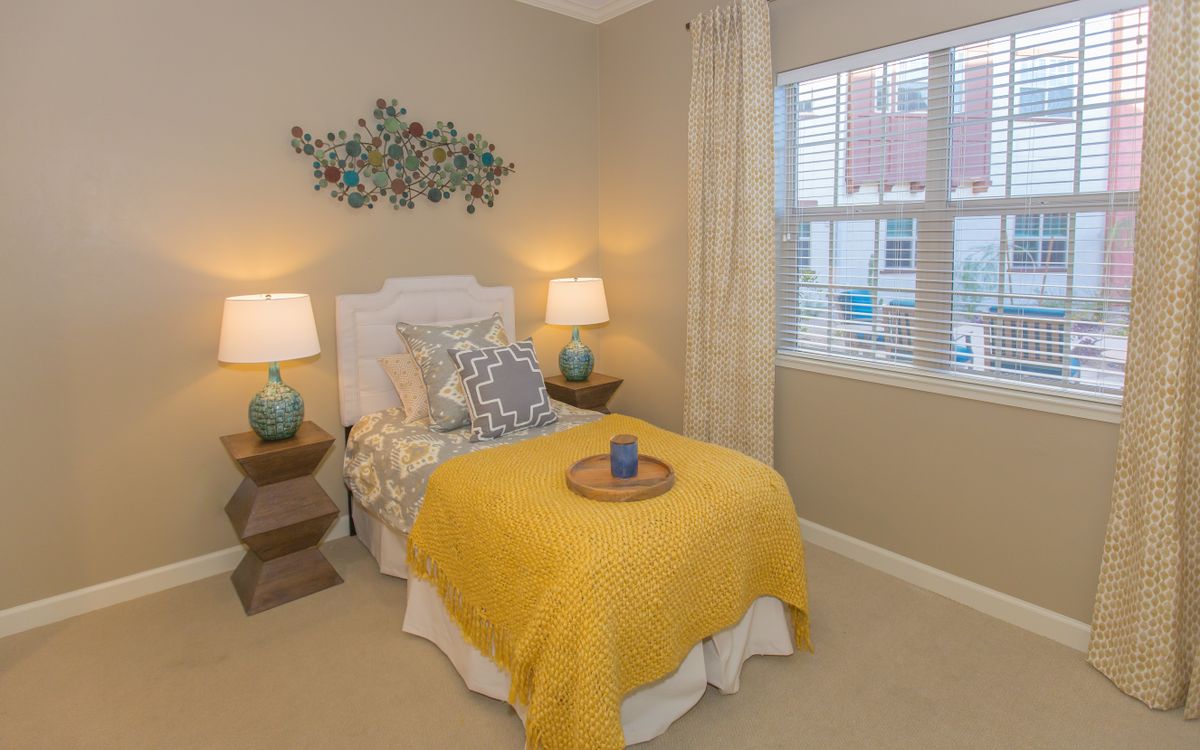
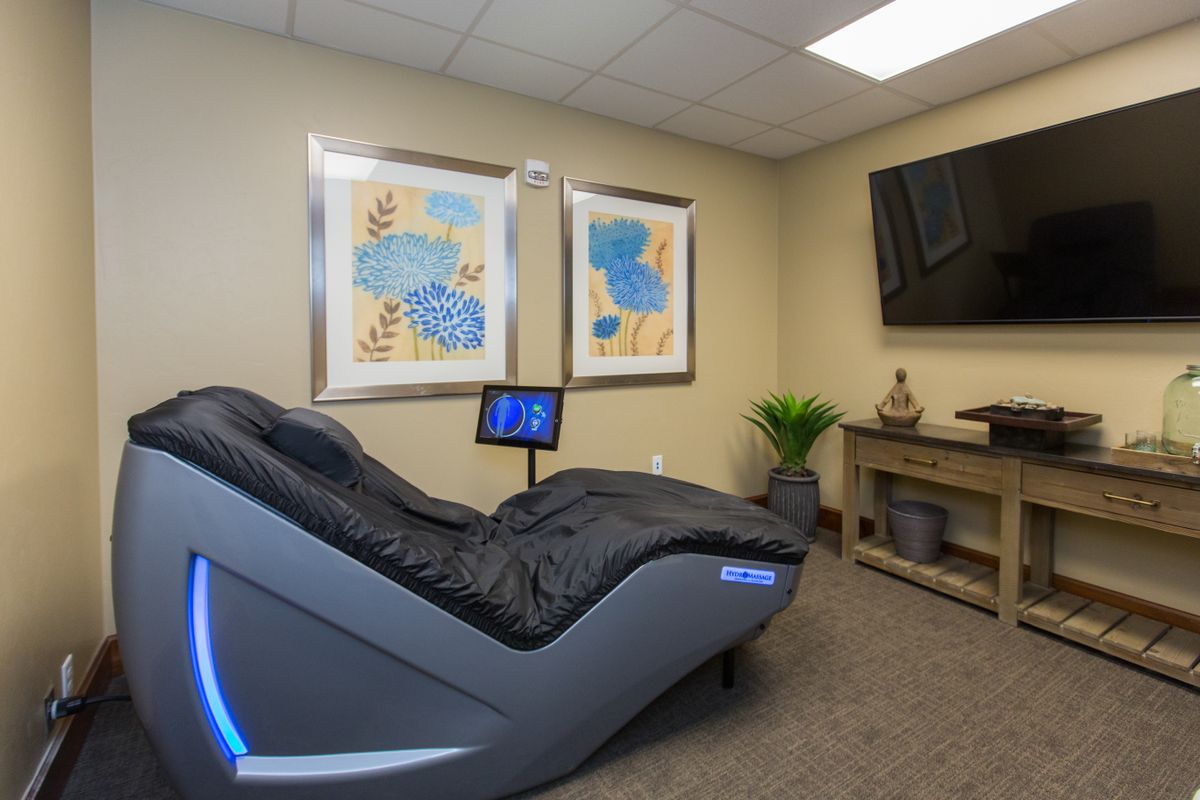
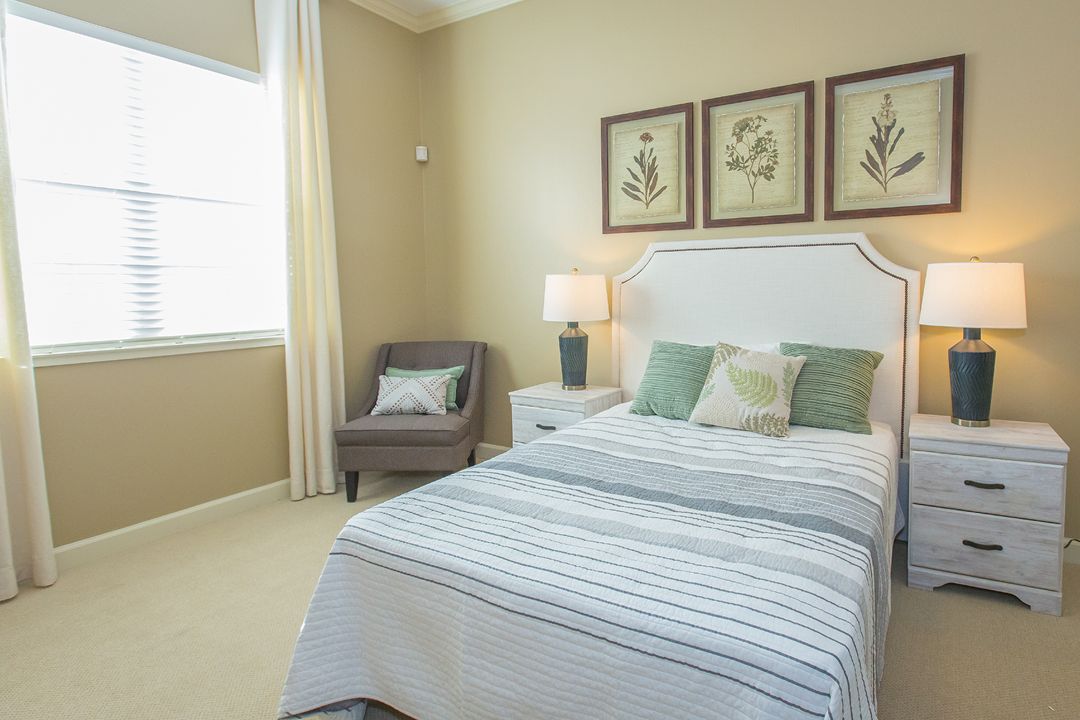
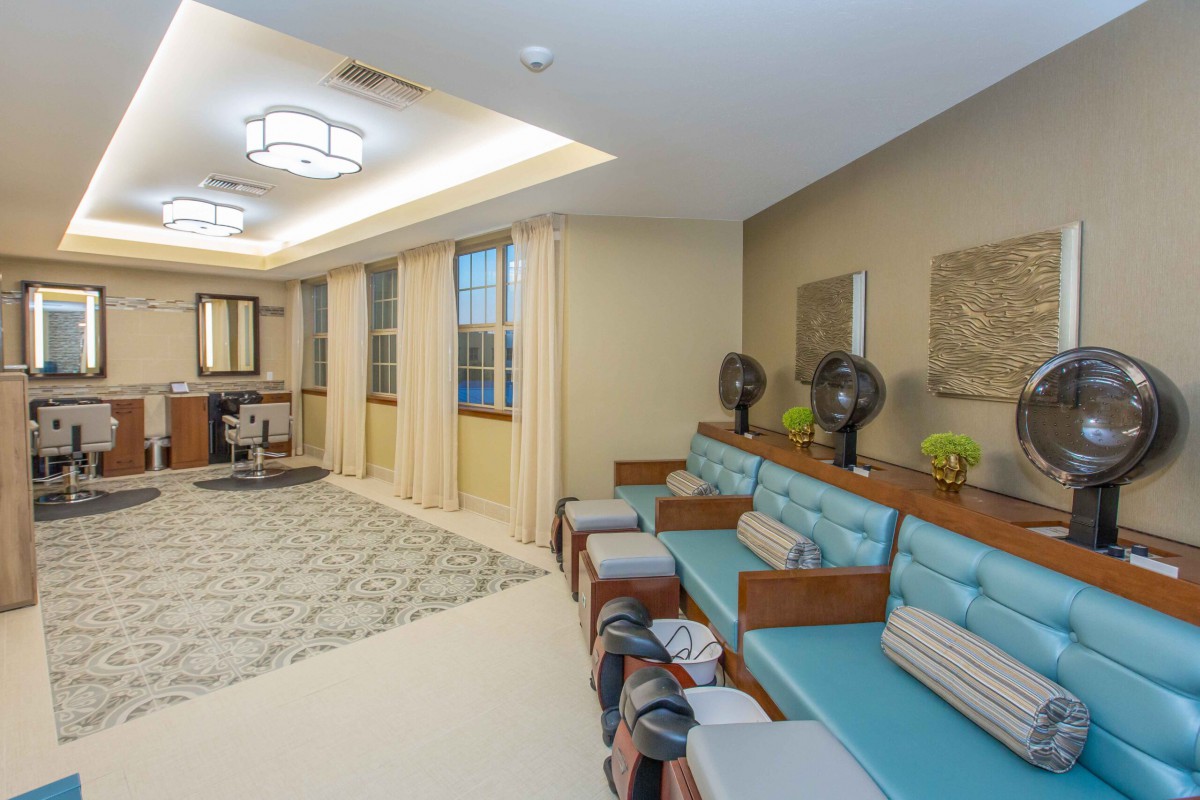
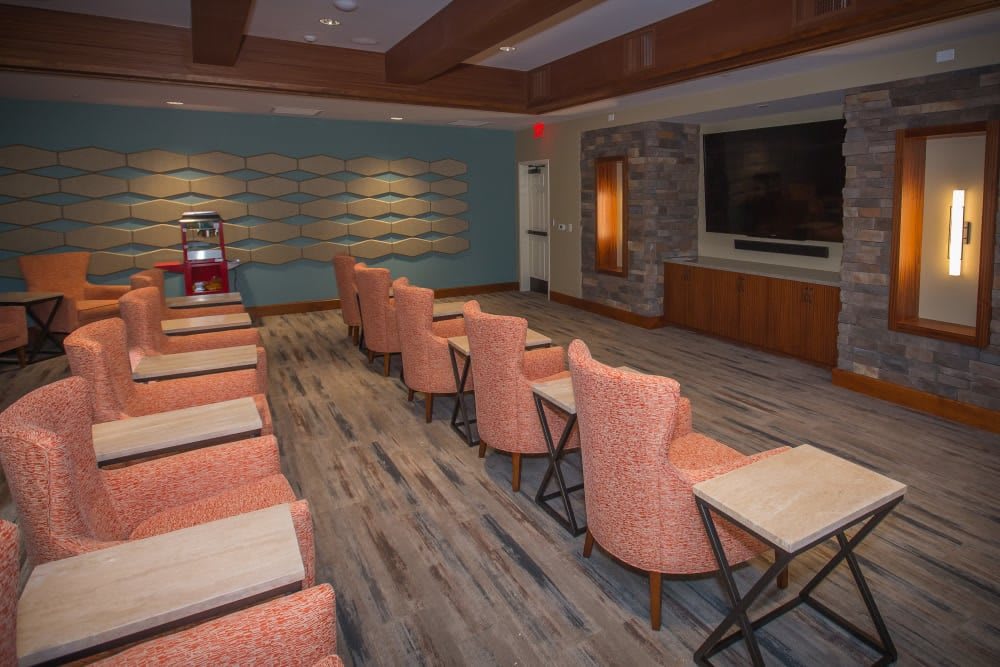
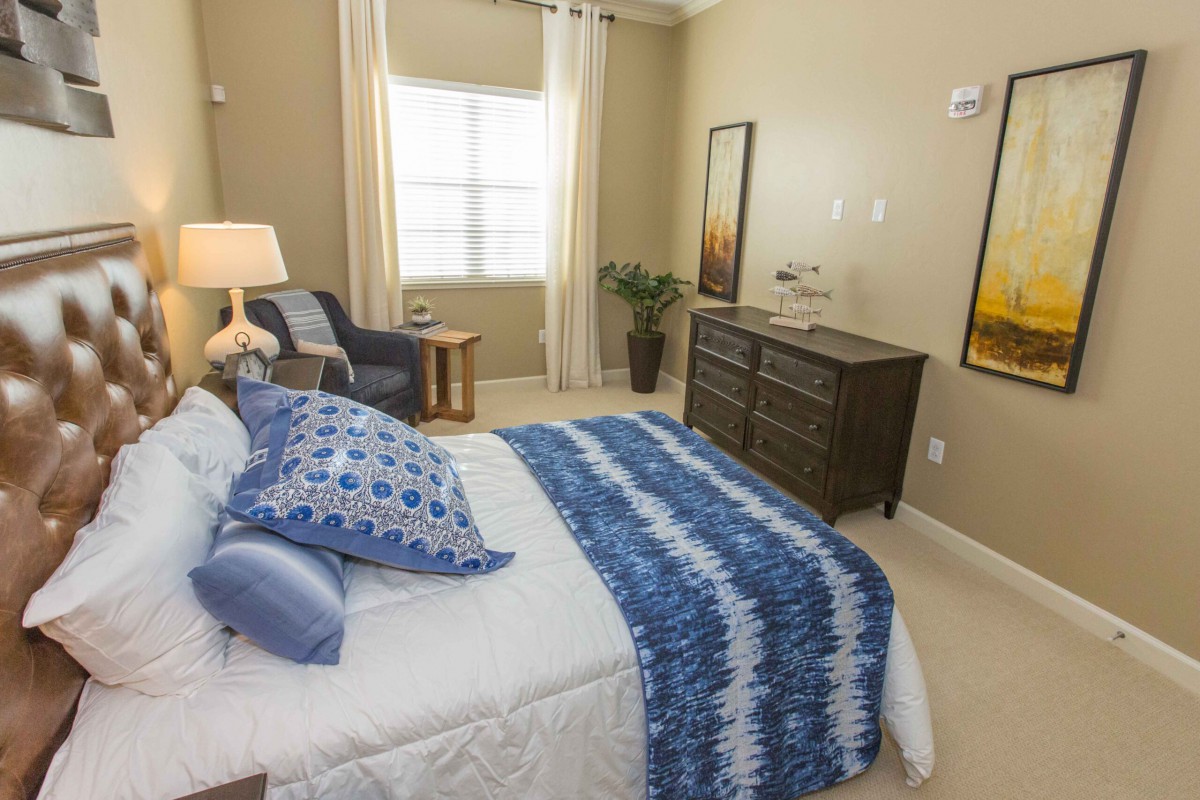
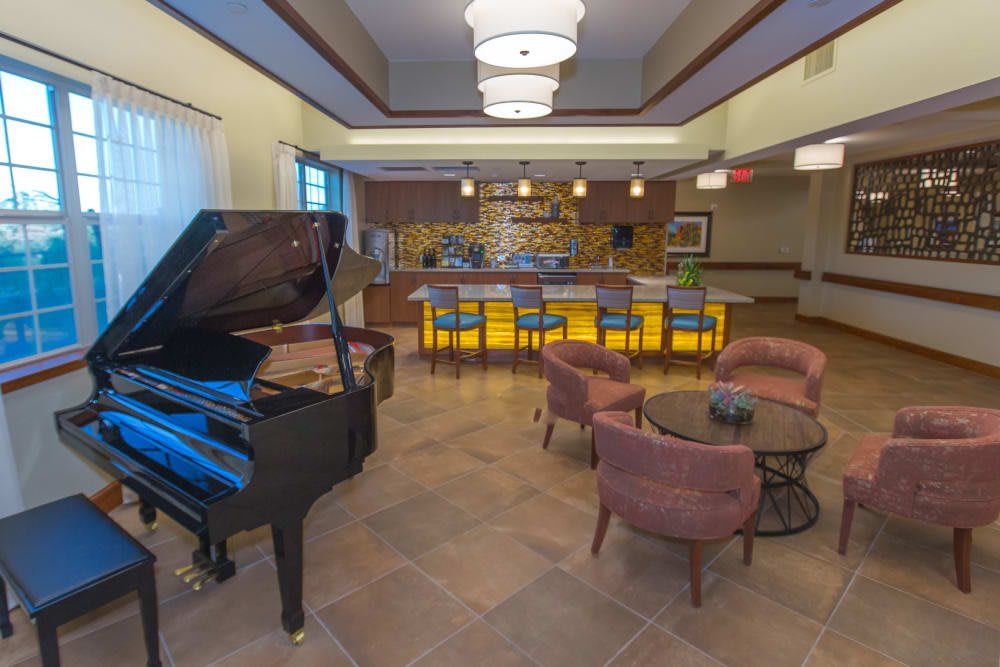
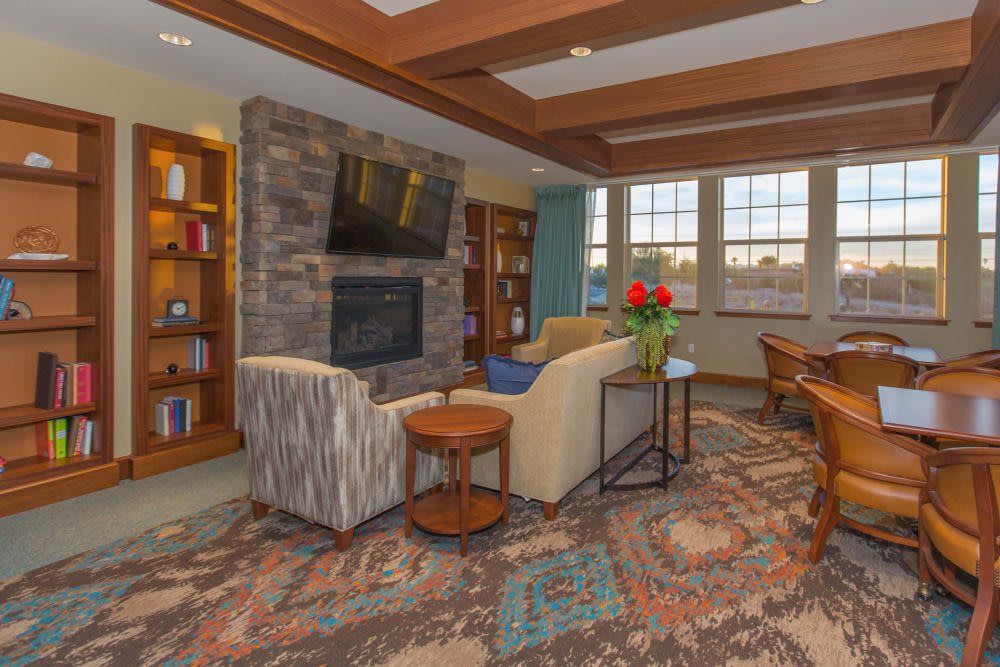
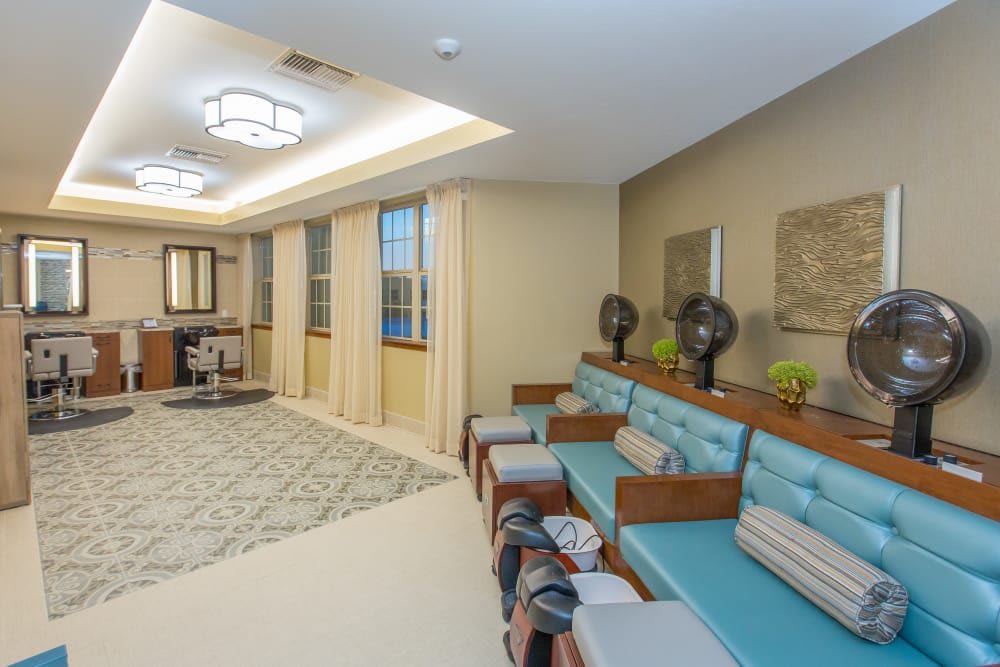
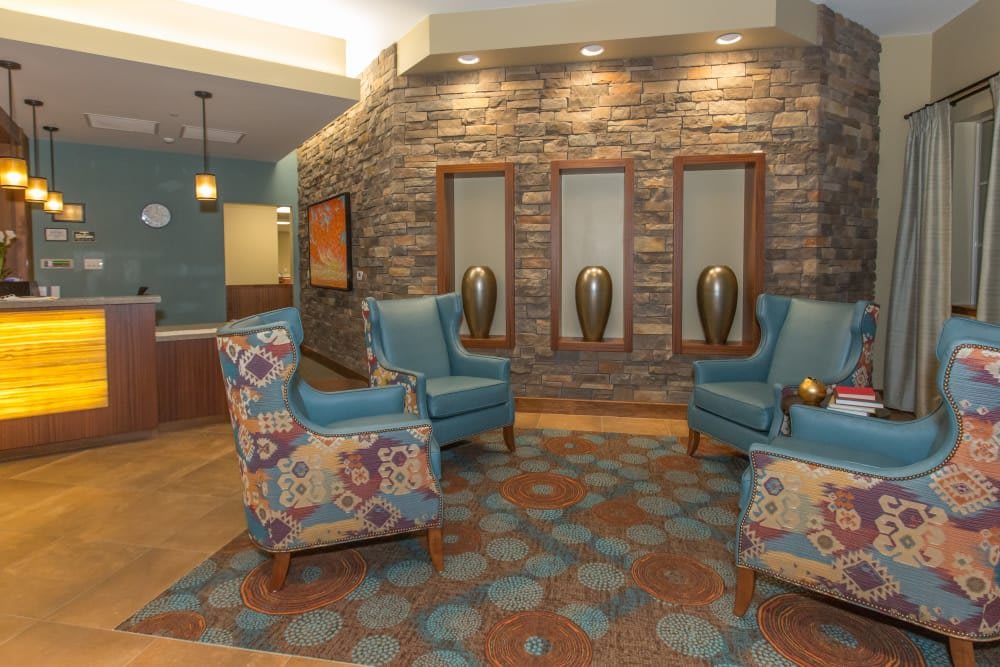
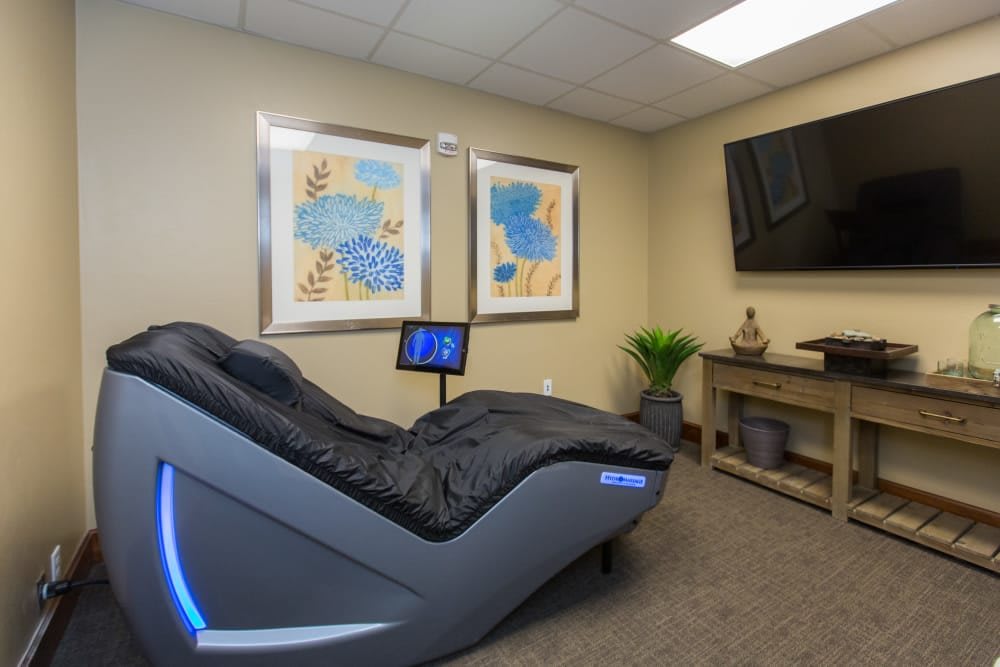
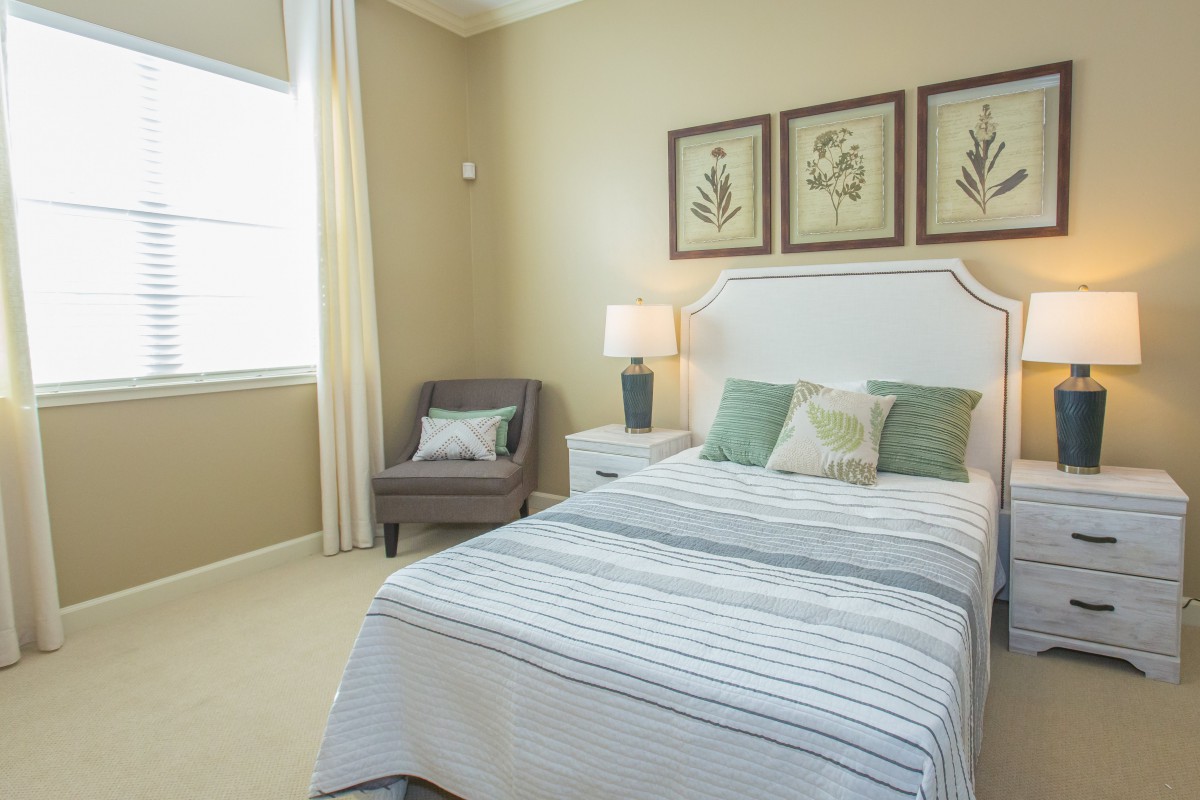
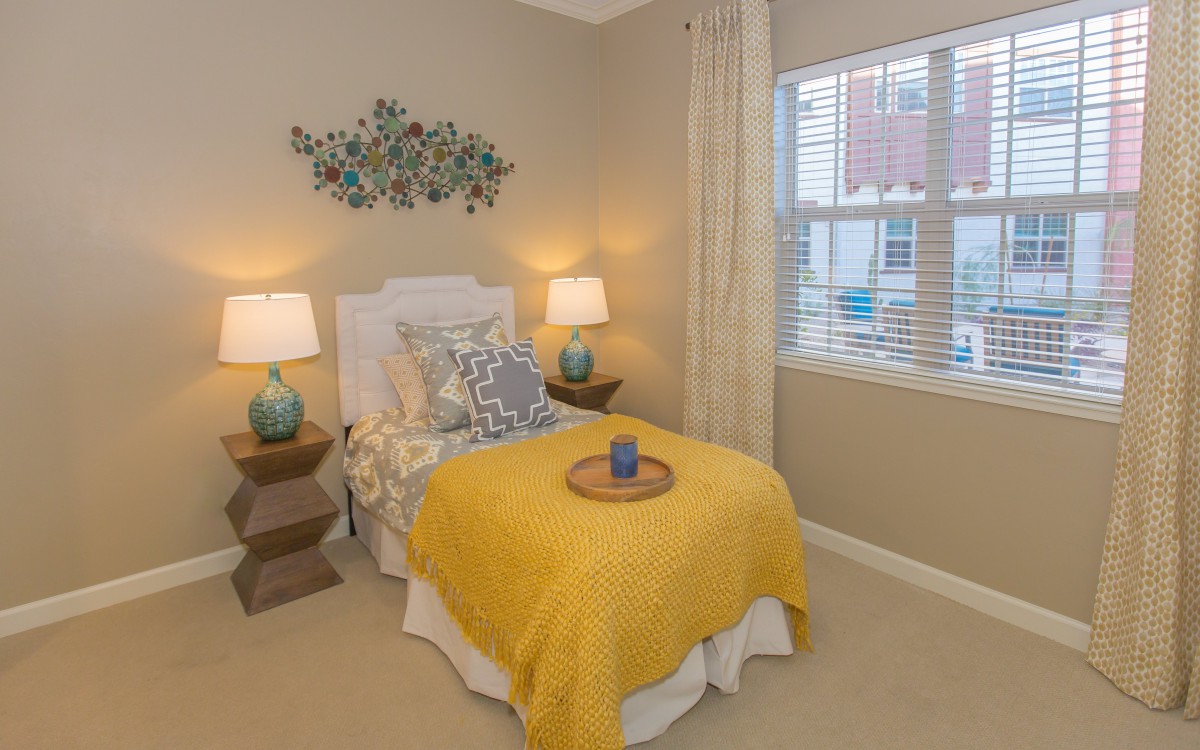
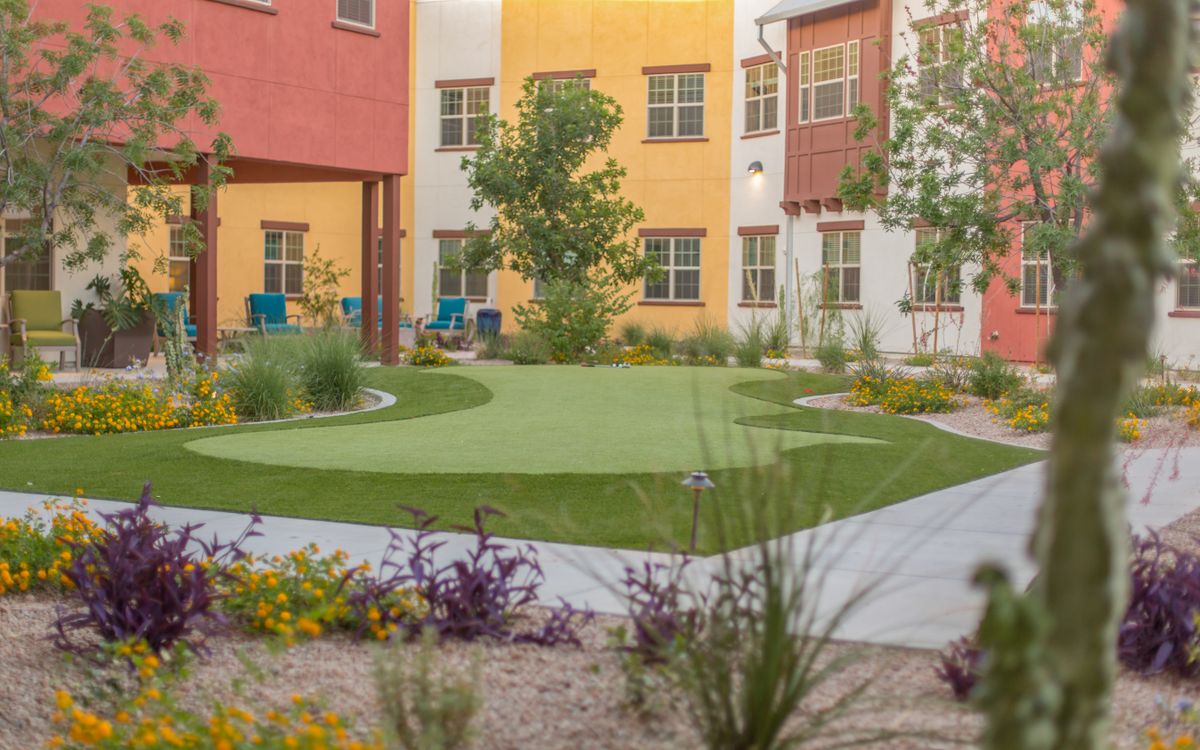
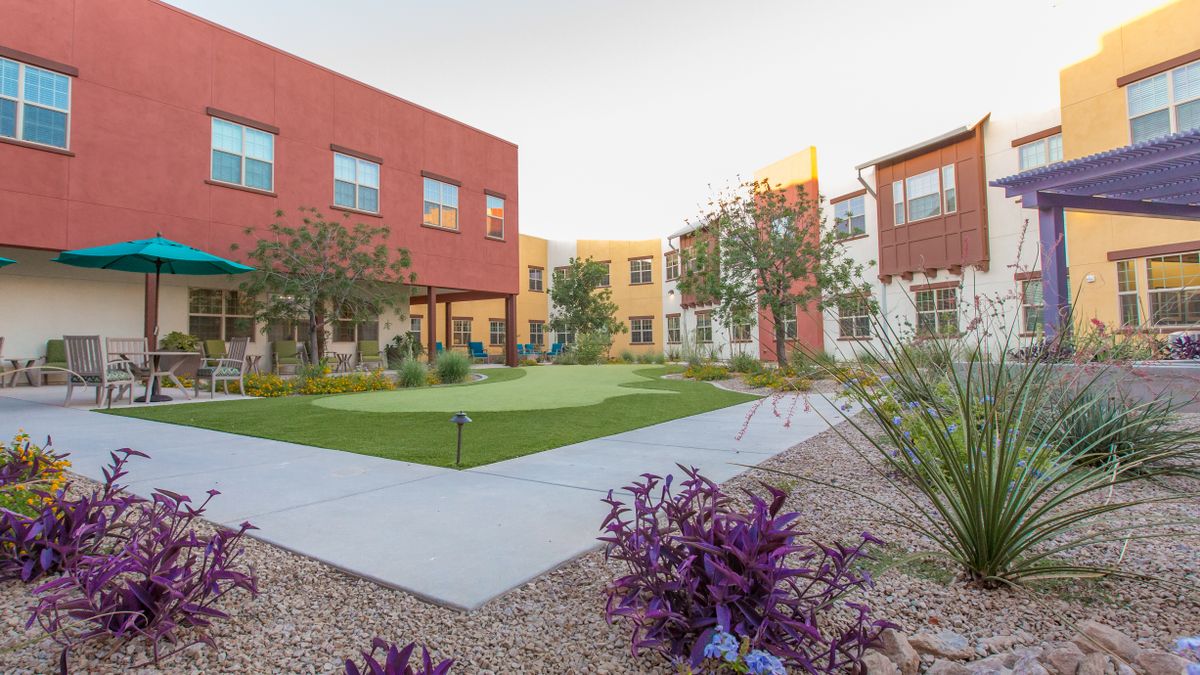
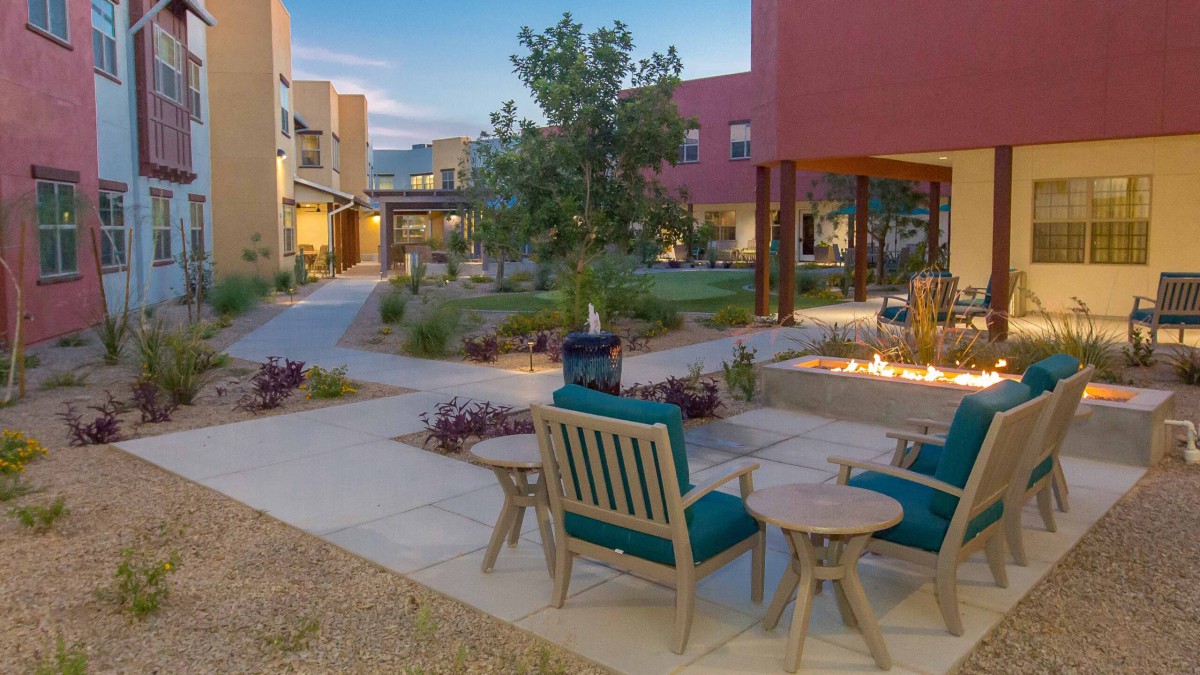
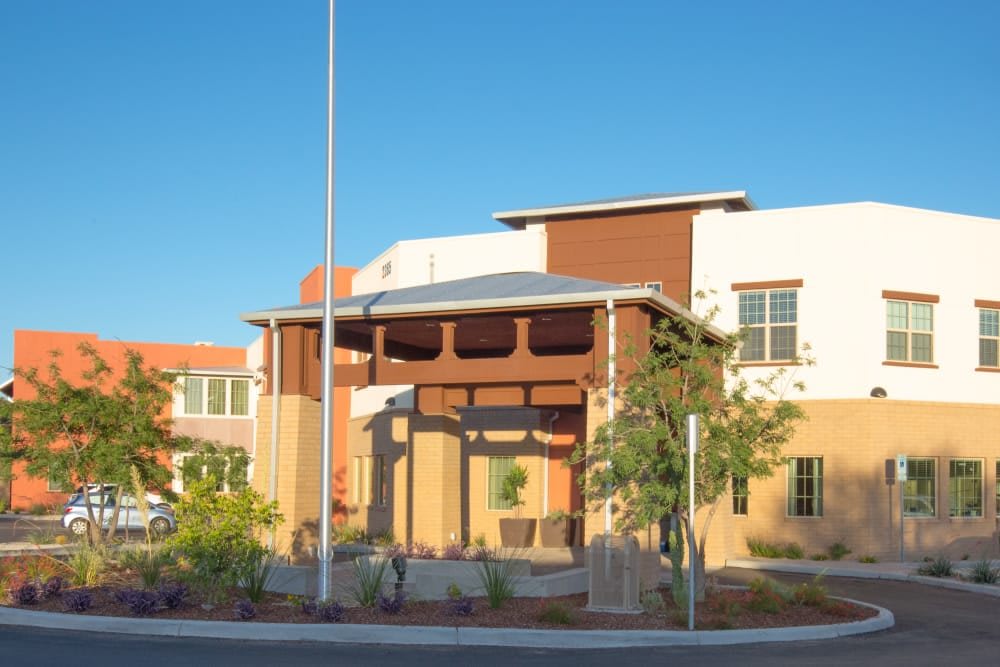
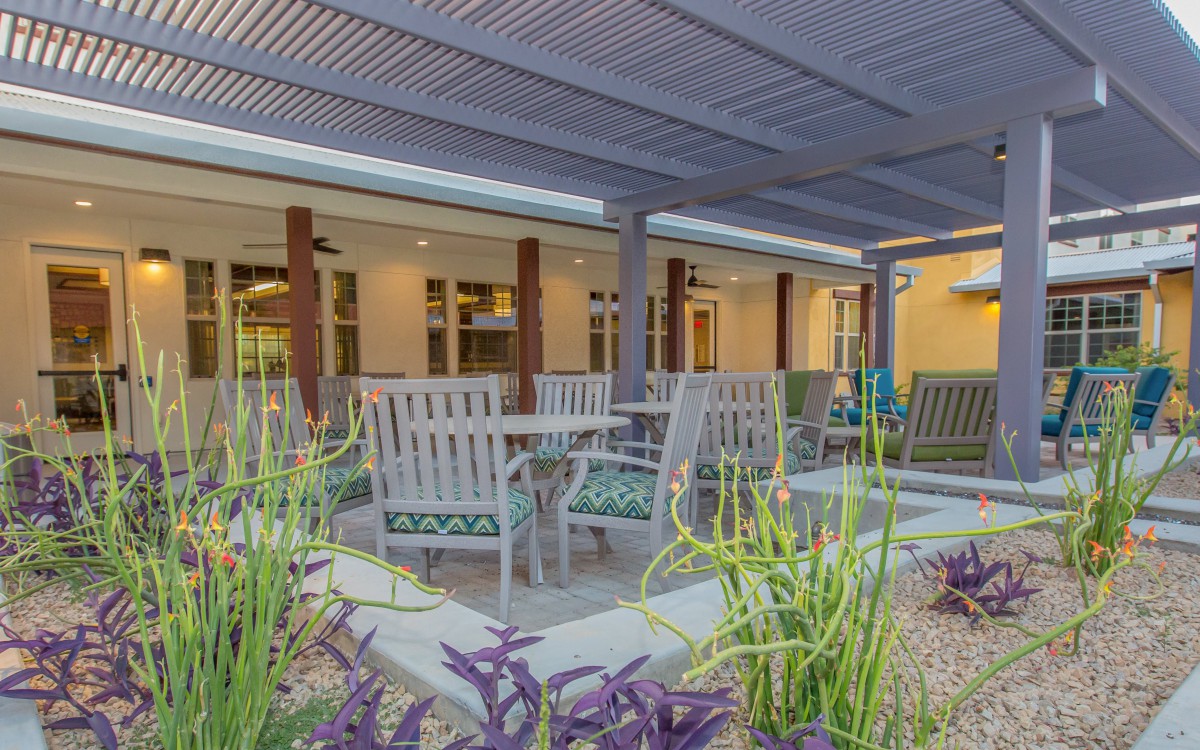
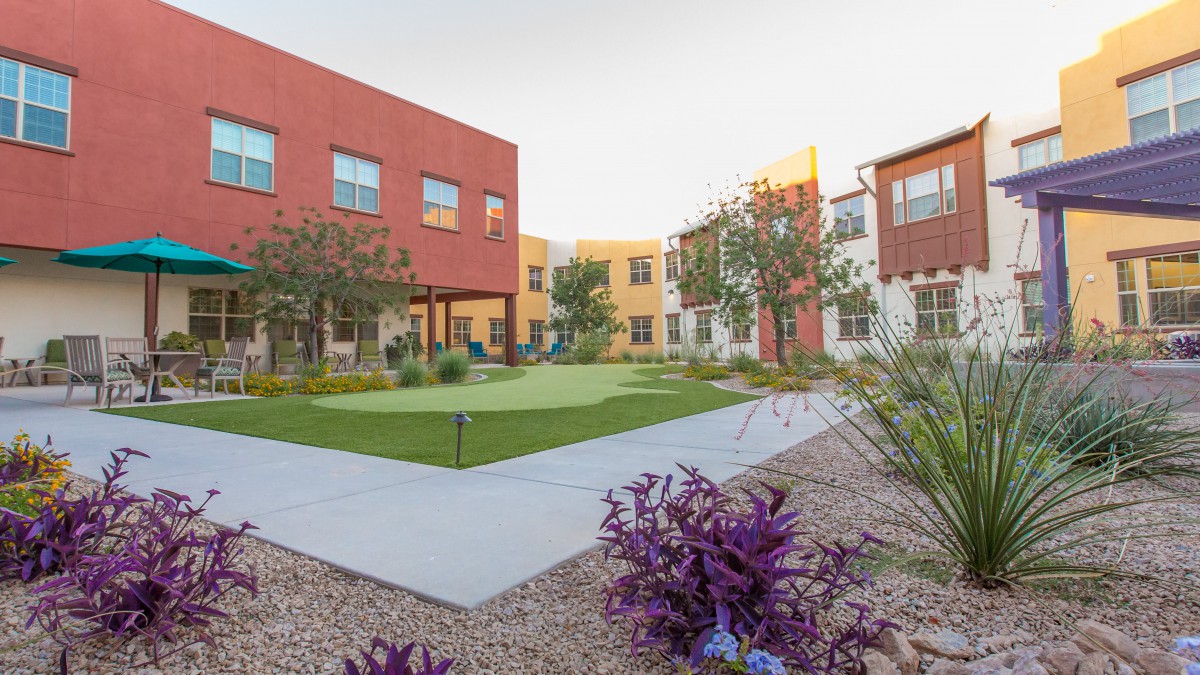
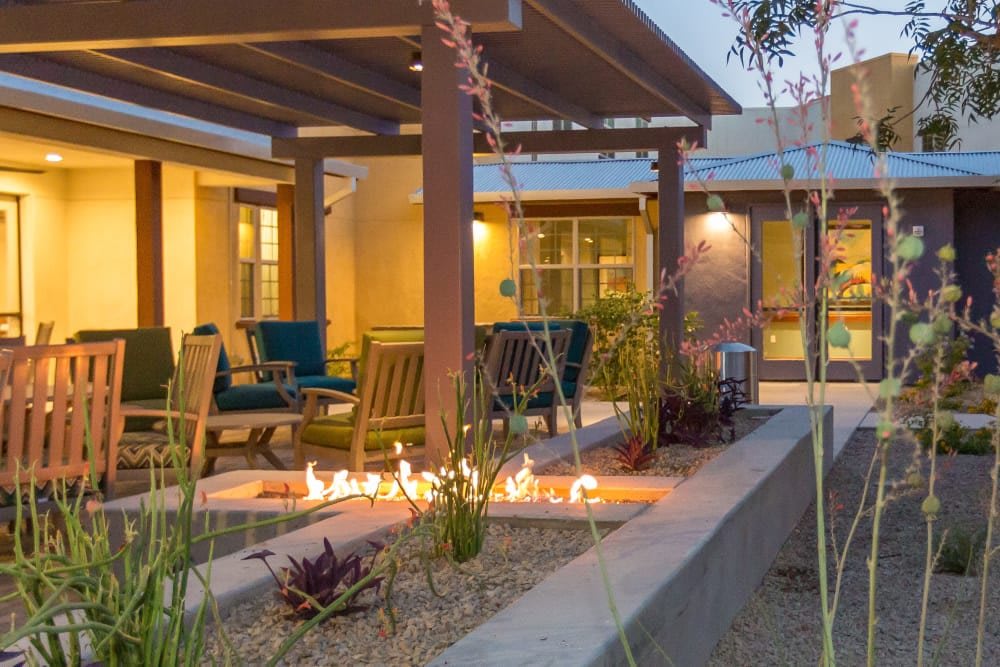
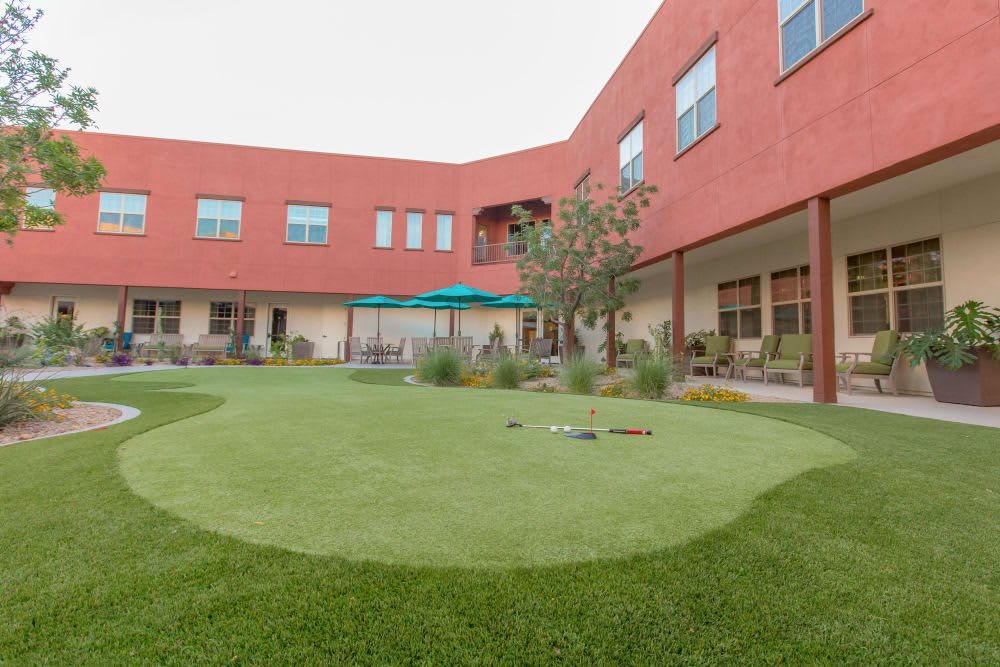
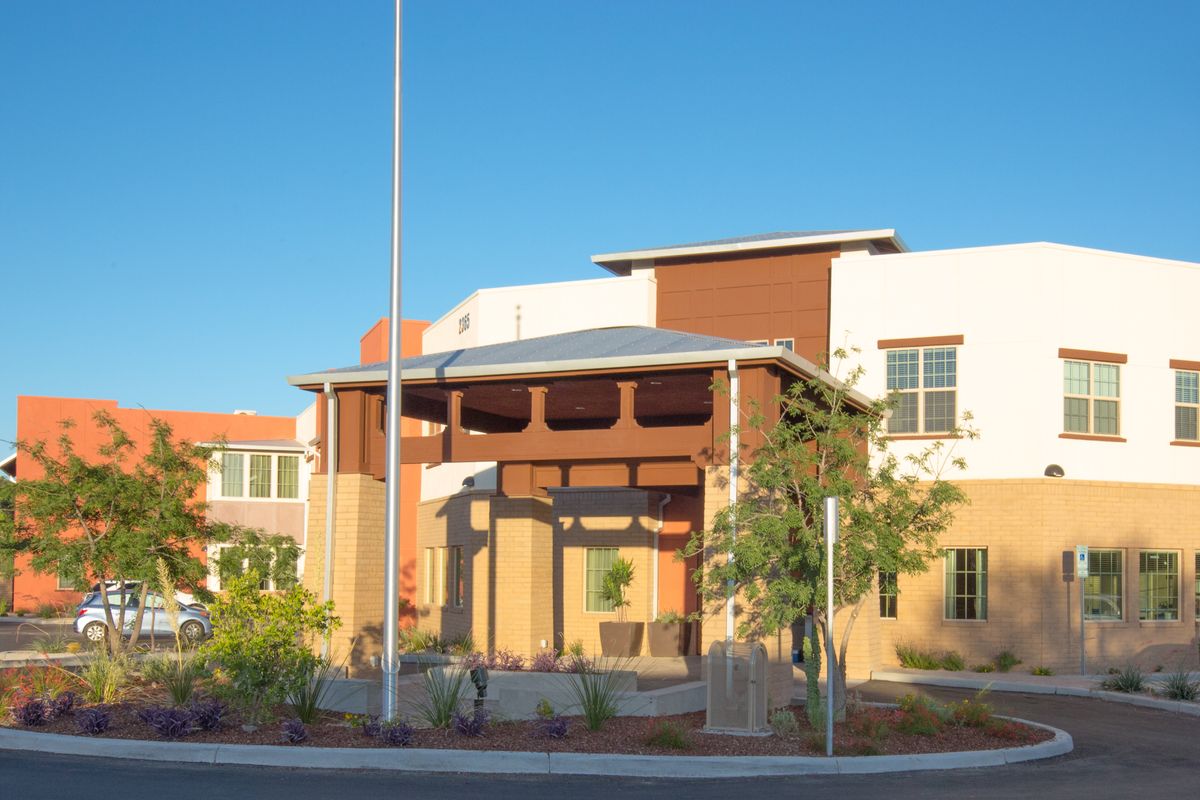
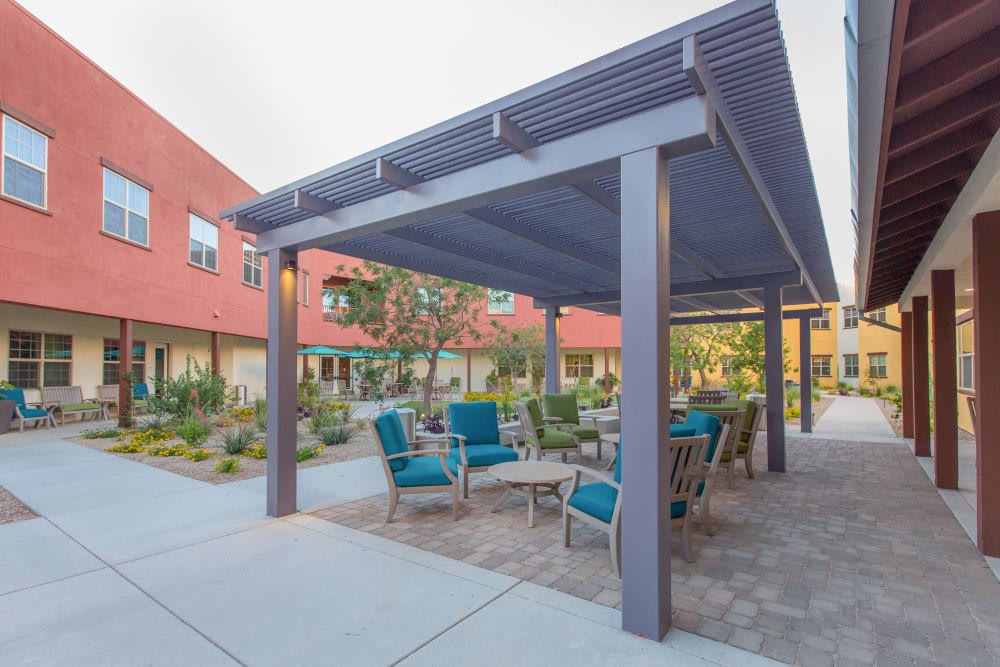
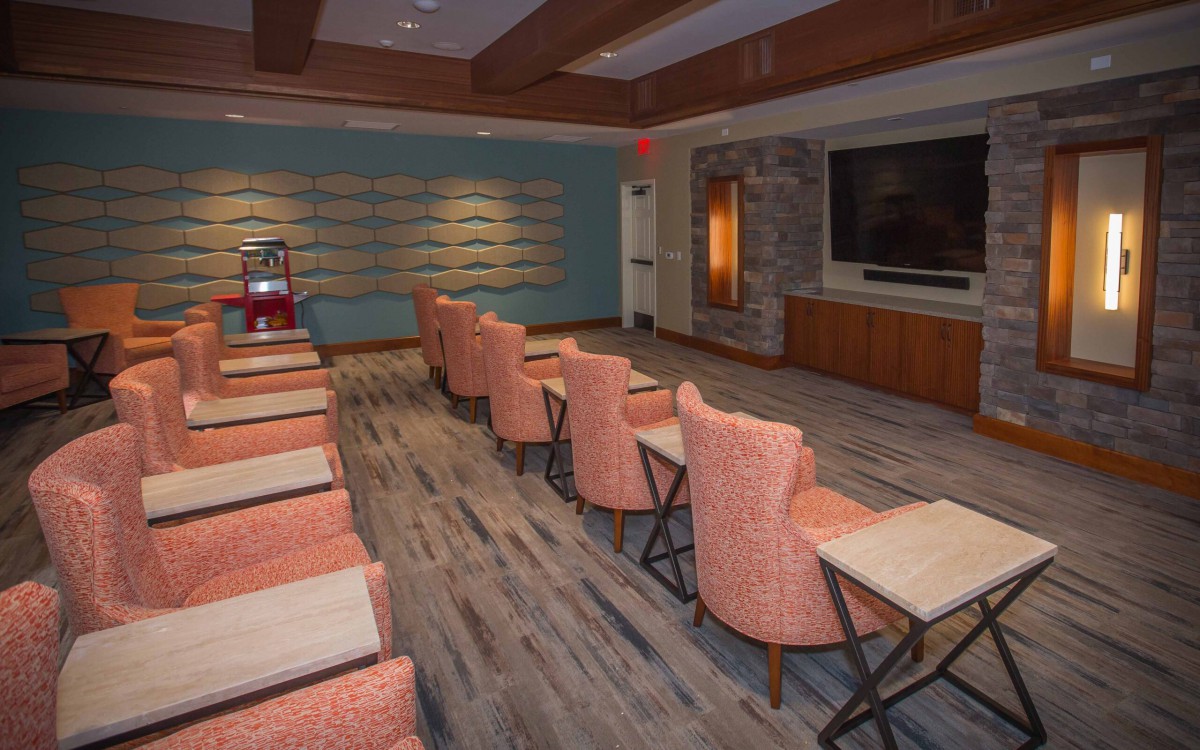
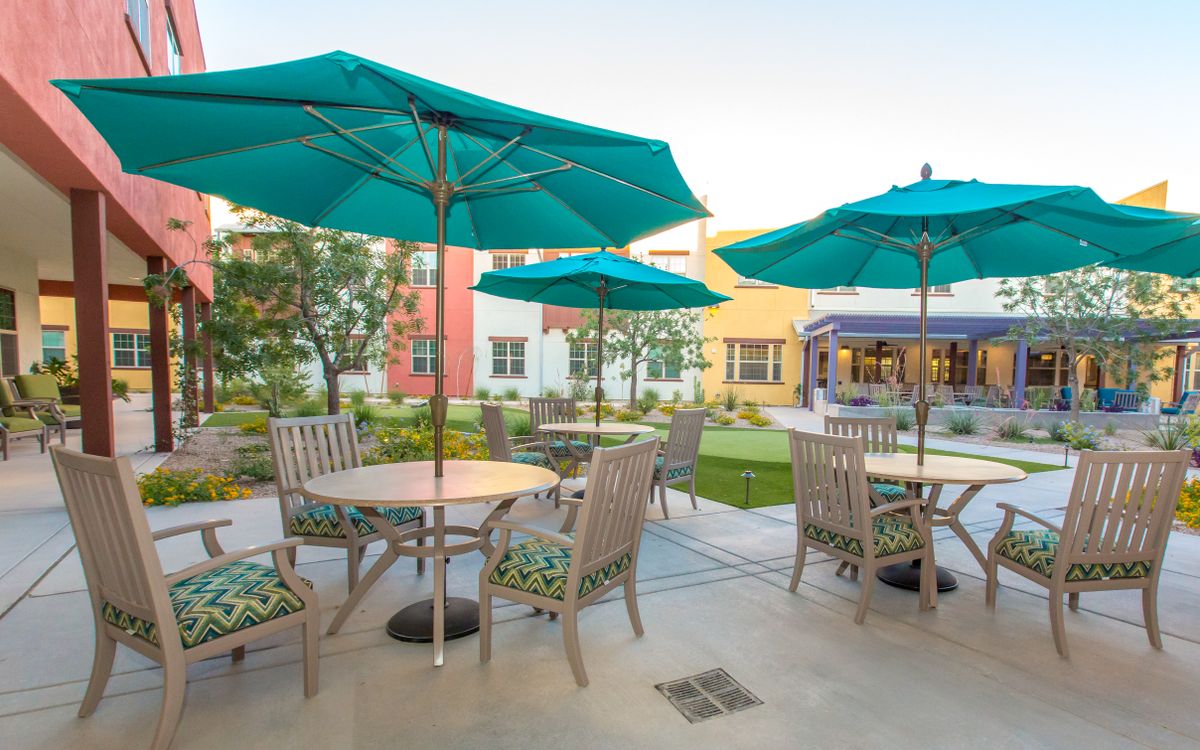
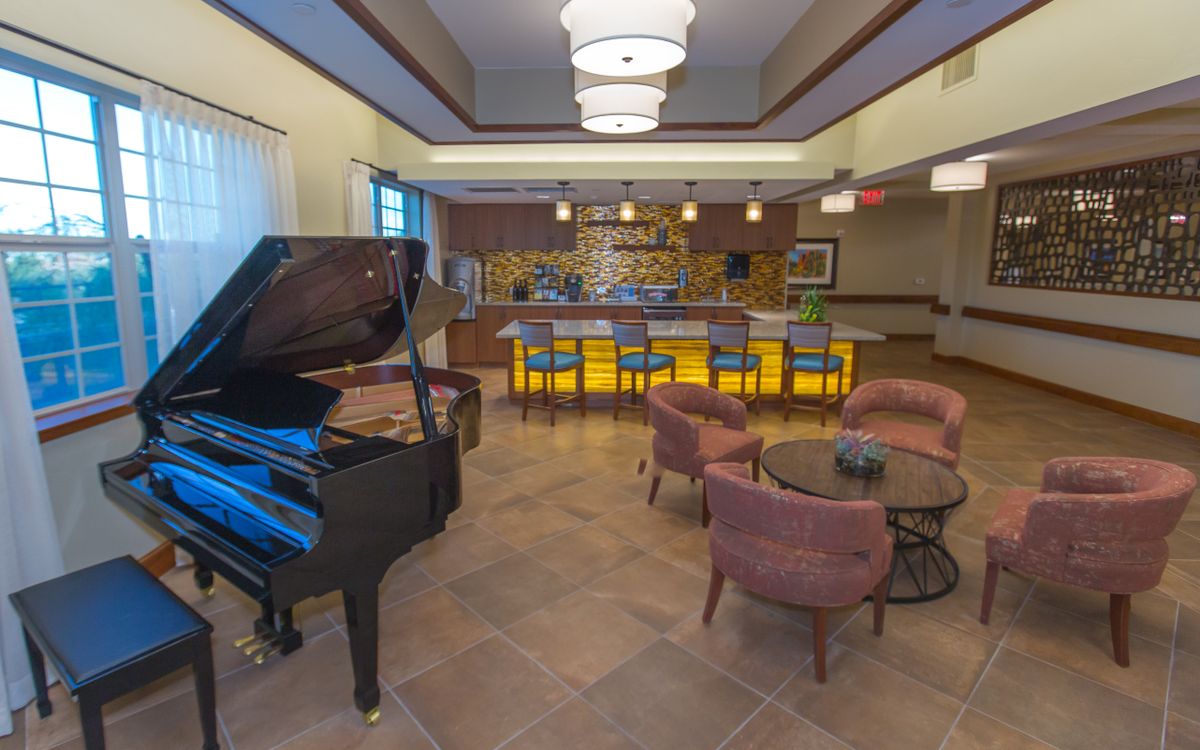
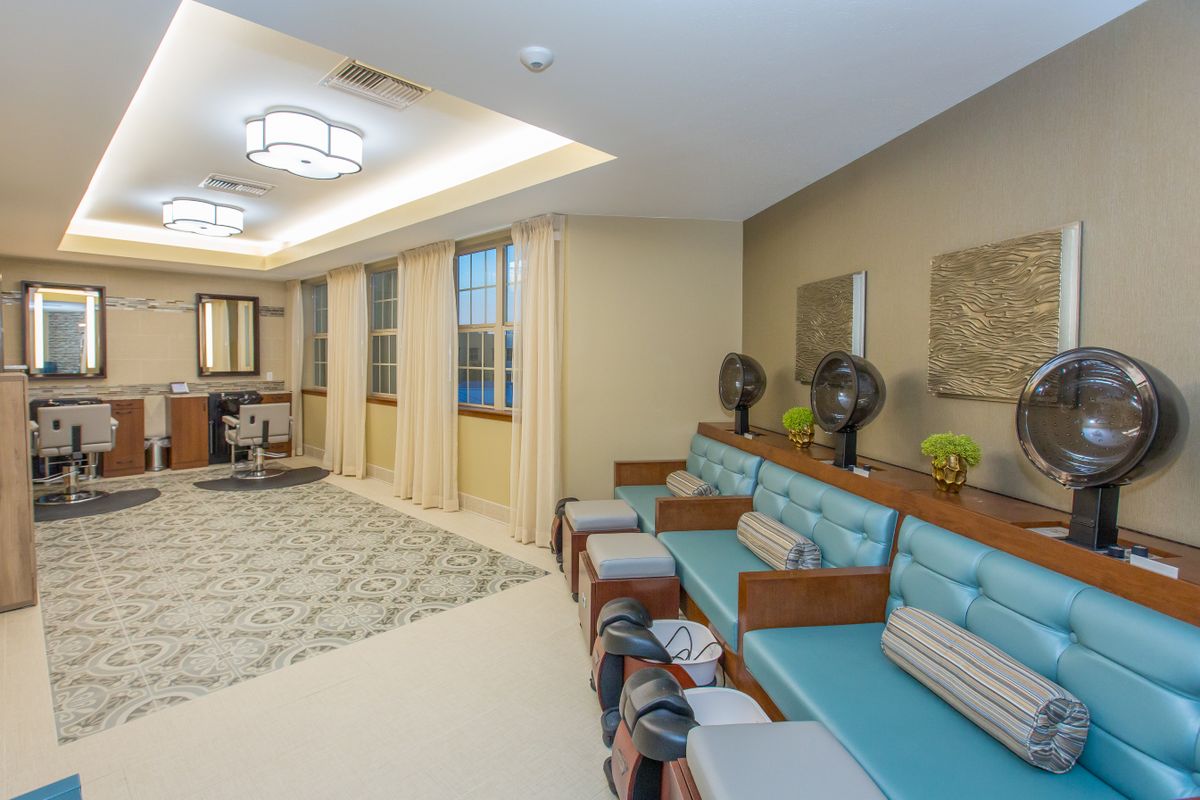
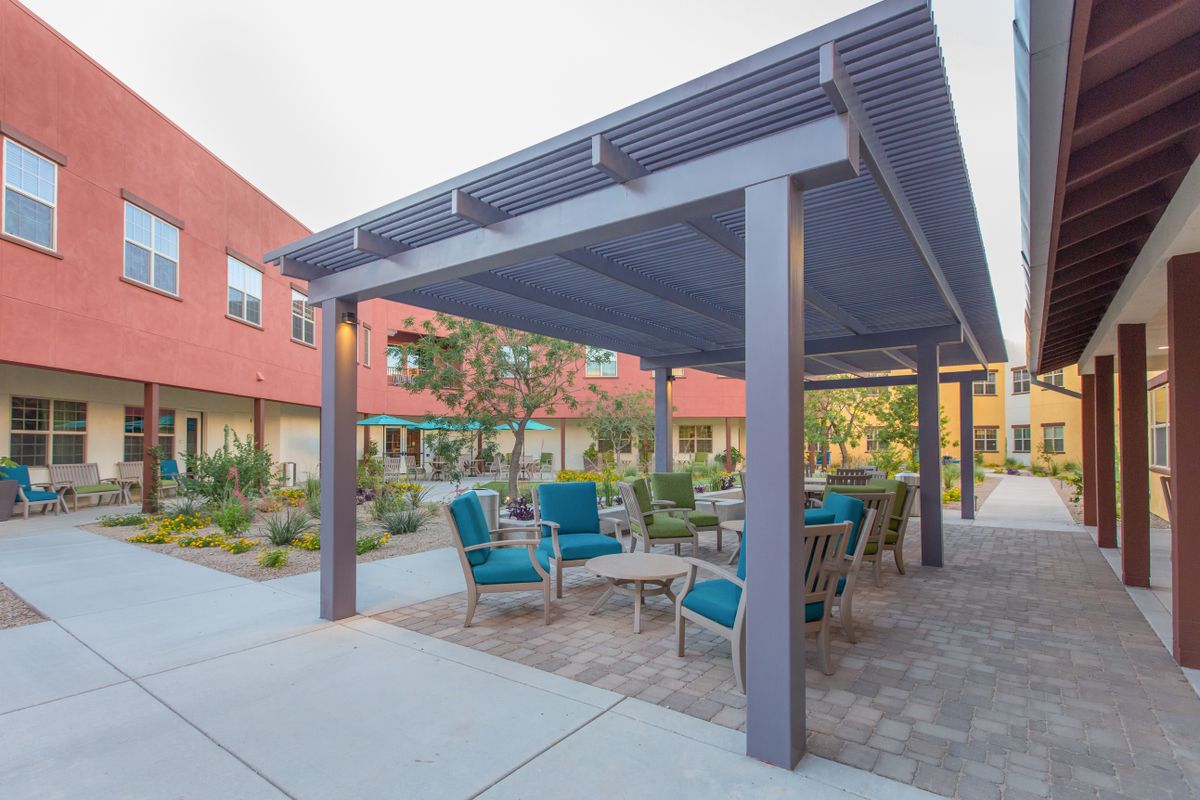
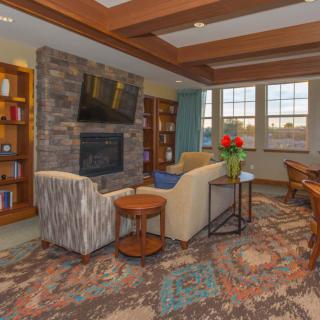
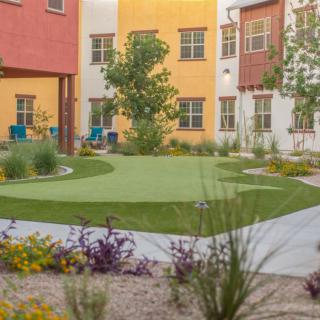
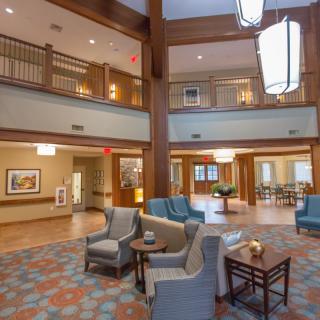
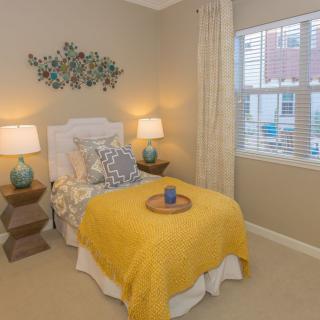
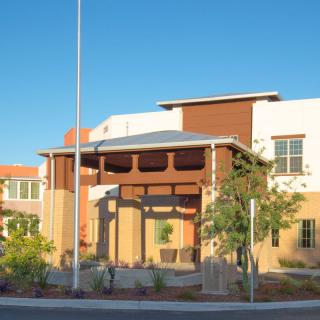
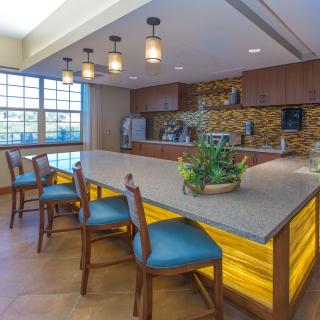
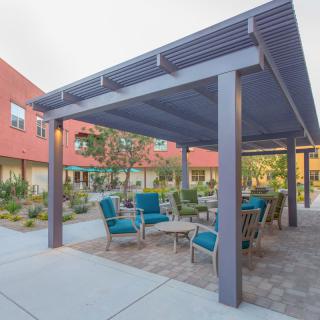
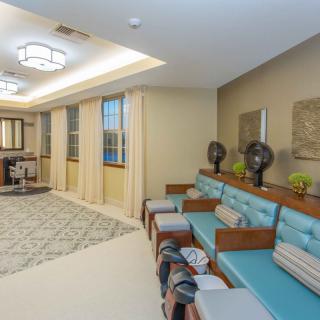
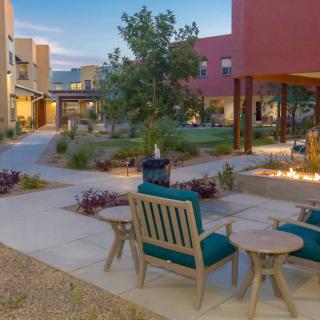
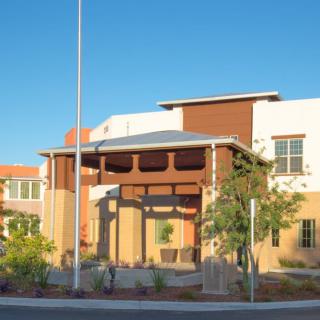
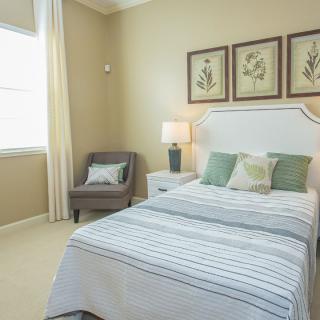
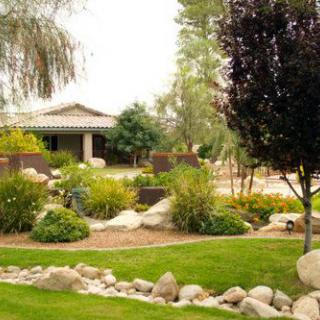
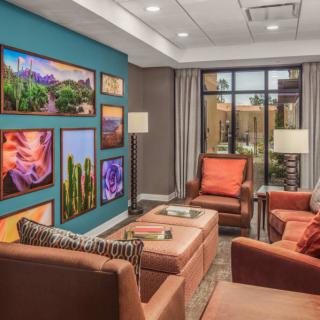
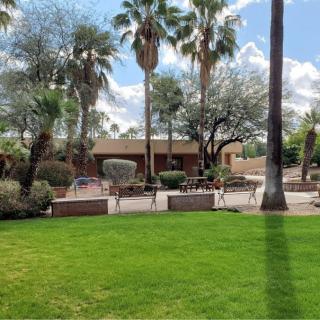
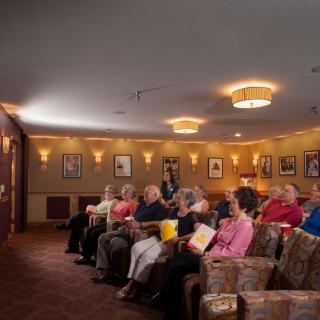
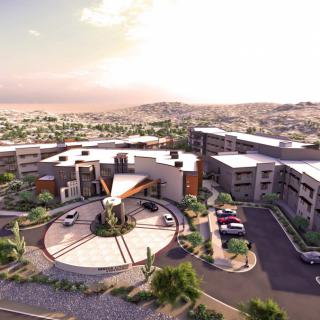
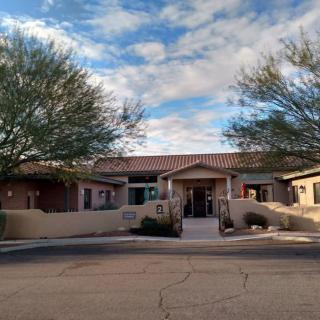
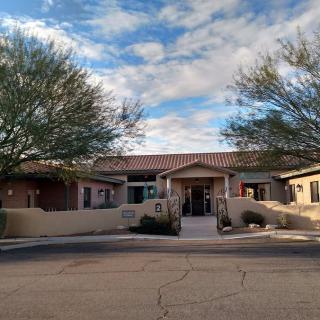
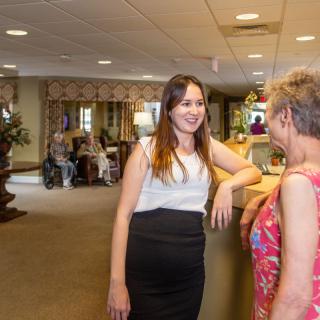
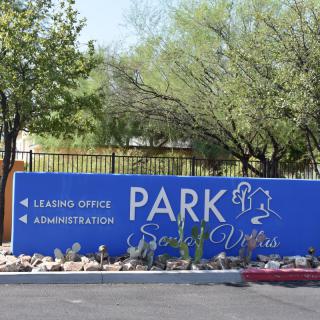
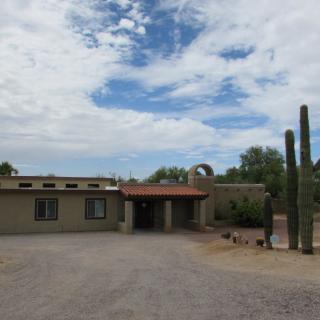
The Ranch Estates of Tucson on seniors.fyi includes 40 photos including images showing interior, bedroom, landscaping, decor, windows, lighting, dining, courtyard, and more.
Nearby Communities
Mary & Pete's Assisted Living
Tucson, AZ
4.5 from 26 reviews
$2,500 / month
Affordable memory care with comprehensive services (medication management, incontinence care, diabetic and high-acuity care).
Life Care Center Of Tucson
Yuma, AZ
3.7 from 157 reviews
Helpful, attentive staff and effective rehabilitation services.
Bridgewater Assisted Living
Tucson, AZ
3.4 from 49 reviews
$3,000 to $5,500 / month
Nice outdoor spaces with a memory-care focus and competitive studio pricing.
Solterra La Cholla
Tucson, AZ
3.1 from 17 reviews
Strong memory care with 24-hour supervision and abundant on-site amenities.
Caregiver support groups are crucial for providing emotional and practical assistance to those caring for loved ones, offering resources, coping strategies, and a sense of community through various organizations and platforms. These groups help alleviate isolation and burnout while addressing the unique challenges faced by caregivers of individuals with specific conditions.
The guide outlines the complexities of Medicaid coverage for assisted living, highlighting significant state-to-state variations, limited coverage often restricted to personal care services, and the existence of specialized waivers for certain needs like memory care. It advises families to consult local Medicaid offices for options while emphasizing the importance of understanding state-specific regulations and facility policies.
Medicaid coverage for assisted living varies by state and is primarily available to low-income individuals, with eligibility dependent on strict income and asset limits. Some states offer HCBS waivers for specific services in assisted living, but families must generally cover room and board costs, and should verify facility acceptance of Medicaid while considering potential waiting lists.
Get PricingAsk A QuestionSchedule A TourContact Senior Advisor
By clicking submit, you agree to our Partner's Terms of Use. You
also consent to receive calls and texts, which may be autodialed, from our Partner. Your consent is not a condition to
using our Partner's service. Please visit our Partner's Privacy Policy for information about their privacy practices.

 155 resident community capacity
 1-bedroom apartments
 Assisted Living
 Memory Care
 Cats allowed
 Dogs allowed
 Activities off-site
 Air-conditioning
 Bath tubs
 Beautician on-site
 Cable or satellite TV
 Computer center
 Devotional services off-site
 Dining room
 Fitness room
 Fully furnished
 Gaming room
 Garden
 Ground floor units
 Housekeeping services
 Indoor common areas
 Kitchenette
 Laundry
 Move-in coordination
 Outdoor common areas
 Private bathrooms
 Respite or short term stays offered
 Restaurant-style dining
 Small library
 Telephone
 Wellness center
 Wheelchair accessible showers
 Wi-Fi/high-speed internet available
 Tucson International (15 miles away)
 Community operated transportation
 12-16 hour nursing
 24-hour call system
 Ambulatory care
 Assistance with bathing
 Assistance with dressing
 Assistance with transfers
 Diabetes diet
 Diabetic care
 Hospice waiver
 Incontinence care
 Medication management
 Mental wellness program
 Special dietary restrictions
 Transportation arrangement (medical)
 Art classes
 Concierge services
 Cooking classes
 Day trips and outings
 Educational speakers / life long learning
 Happy hour
 Karaoke
 Live dance or theater performances
 Live musical performances
 Wine tasting
 English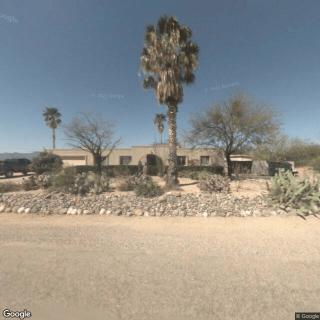
 Affordable memory care with comprehensive services (medication management, incontinence care, diabetic and high-acuity care).

 22 Remarkable Caregiver Support Groups Available Online and In-Person
 Understanding Medicaid Coverage for Assisted Living: A Comprehensive Guide
 How and When Medicaid May Cover Assisted Living Costs