For more information about senior living options: (866) 208-4318
3.7 from 157 reviews
5 stars
87
4 stars
19
3 stars
6
2 stars
6
1 stars
39
Overall Review of Life Care Center Of Tucson
common2 reviews mention this
Therapy gets real praise
Physical and occupational therapy are repeatedly described as helpful and hands-on.
Several residents and families say therapy made noticeable progress, especially with mobility and strength. One visitor specifically called out physical therapy as excellent because the therapist listened and built an exercise plan.
common3 reviews mention this
Cleanliness shows up consistently
Residents frequently mention the facility as clean and well kept.
Multiple reviewers highlight cleanliness as part of the overall experience, describing a clean facility and a fresh-smelling environment. Others also reinforce that rooms and common areas are kept up during their stay. A few reviews are critical of cleanliness, but the positive mentions are clear and recurring.
caveat3 reviews mention this
Staff responsiveness is uneven
Some residents report slow help after using call buttons.
While many reviews praise caregiving, others describe long waits for assistance after pressing call lights. A few reviewers describe delays on nights and weekends, including waiting around an hour or more for help. Some complaints also connect those delays to bigger care concerns, which residents frame as a reason for caution.
caveat2 reviews mention this
Food quality is mixed
Food gets both compliments and criticism from families.
Some residents describe the food as good and enjoyable. At the same time, other reviewers say meals arrive cold or aren’t tasty, and a few criticize food quality overall. The dining experience appears inconsistent across reviews.
How we summarize
Counts show how many written reviews mention each theme; a review can touch several themes, and only frequently mentioned themes are displayed.
Features
Housing
162 resident community capacity
Types of Care
Assisted Living
Skilled Nursing Facility
Amenities
Air-conditioning
Beauty salon
Cable or satellite TV
Computer center
Dining room
Fitness room
Fully furnished
Gaming room
Garden
Housekeeping services
Kitchenette
Move-in coordination
Outdoor space
Private bathrooms
Respite or short term stays offered
Restaurant-style dining
Small library
Telephone
Wellness center
Wi-Fi/high-speed internet available
Transportation
Tucson International (15 miles away)
Community operated transportation
Transportation arrangement
Care Services
24-hour call system
24-hour supervision
Activities of daily living assistance
Assistance with bathing
Assistance with dressing
Assistance with transfers
Diabetes diet
Hospice care
Meal preparation and service
Medication management
Special dietary restrictions
Dining
Diabetes diet
Special dietary restrictions
Activities
Community-sponsored activities
Concierge services
Fitness programs
Planned day trips
Resident-run activities
Scheduled daily activities
Nearby Places of Interest
Physicians
Cholla Pediatrics PC (0.1 miles)
MHC Obstetrics & Women's Health (0.1 miles)
Southern Arizona Center For Minimally Invasive Surgery (0.2 miles)
Tucson Orthopaedic Institute (0.2 miles)
Tucson Dermatology (0.3 miles)
Arizona Oncology (0.3 miles)
Urological Associates of Southern Arizona PC (0.3 miles)
Hospitals
Northwest Medical Center (0.2 miles)
Nw Medical Hospital (0.2 miles)
Restaurants
McDonald's (1 miles)
Applebee's (1.2 miles)
Sushi Garden (1.4 miles)
Pappoules (1.6 miles)
Popeyes Louisiana Kitchen (1.9 miles)
Mr. An's Teppan Steak & Seafood Sushi Bar (2.1 miles)
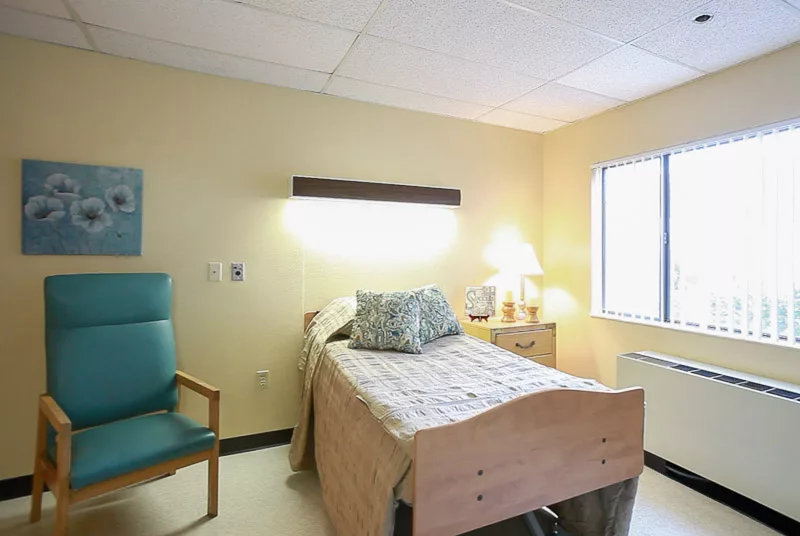
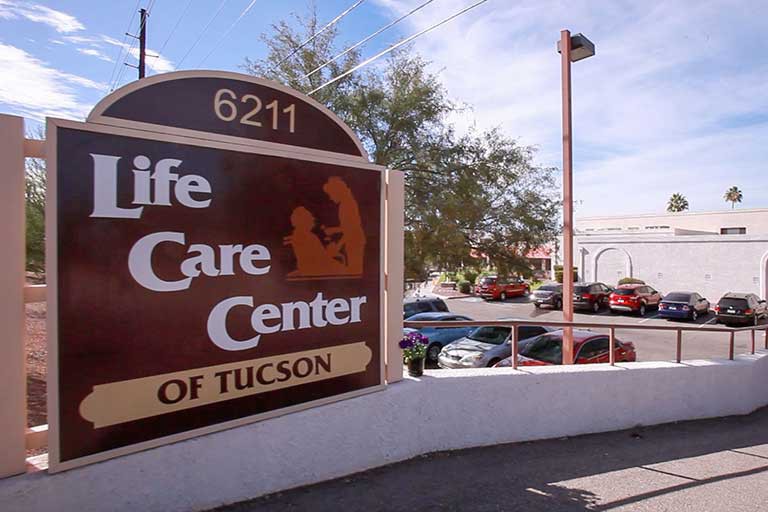
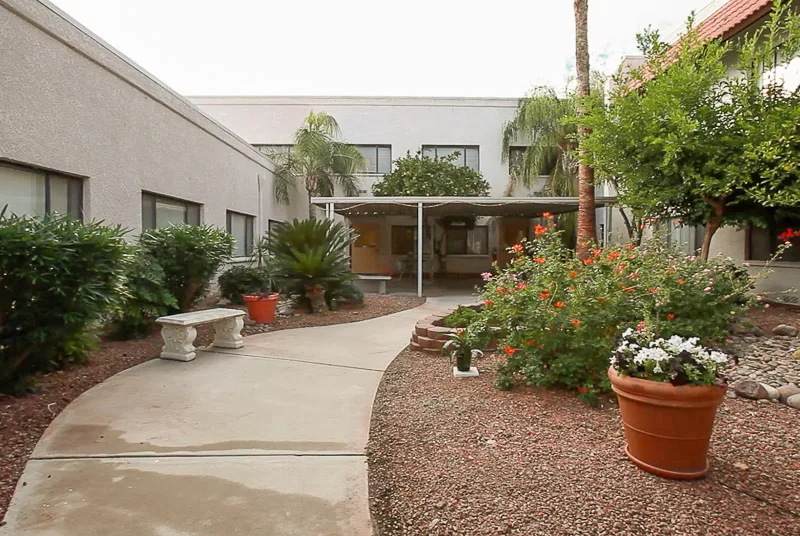
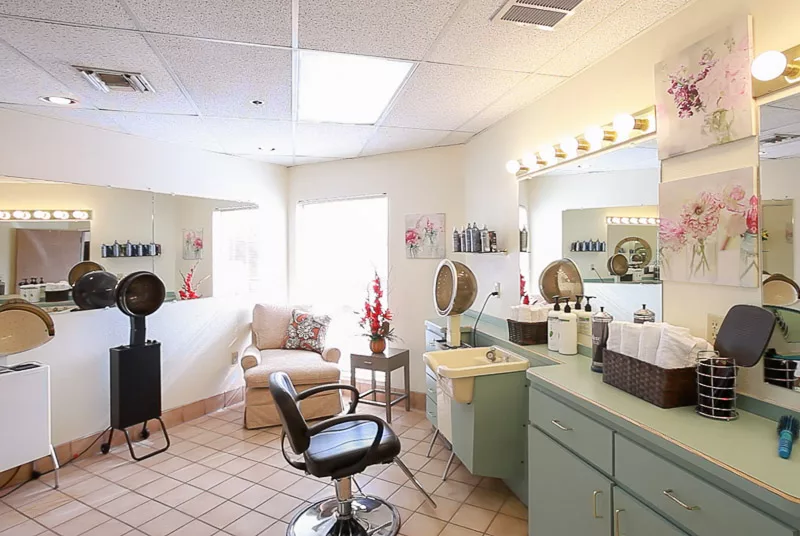
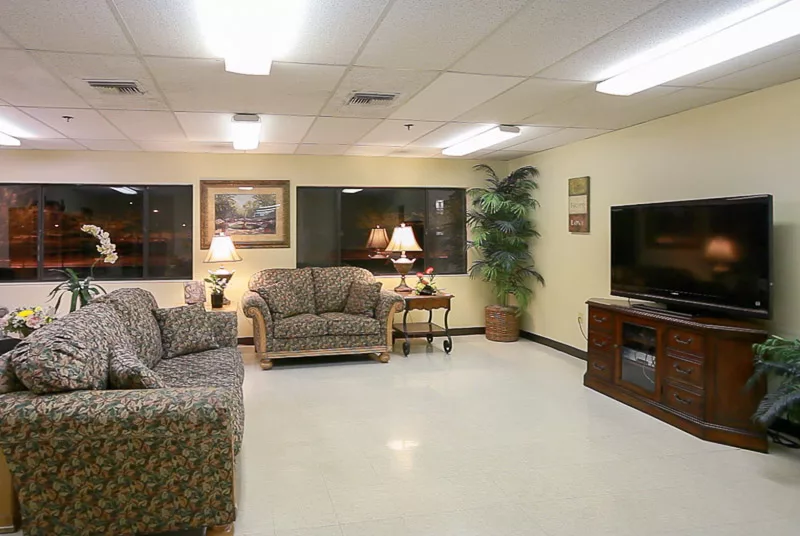
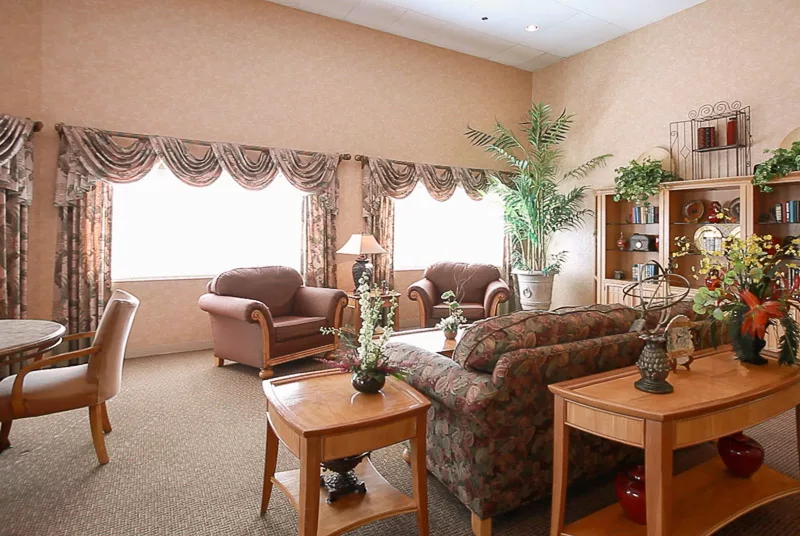
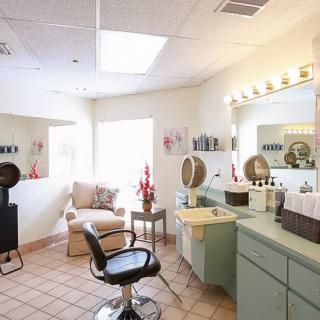
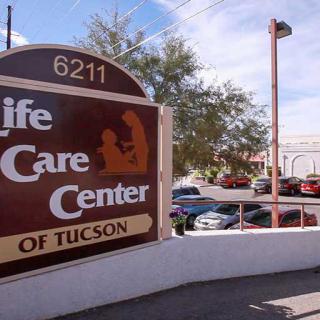
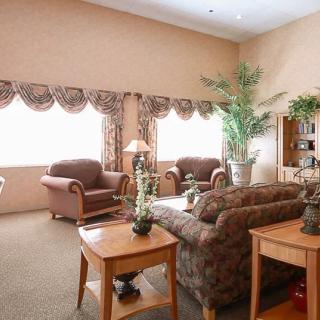
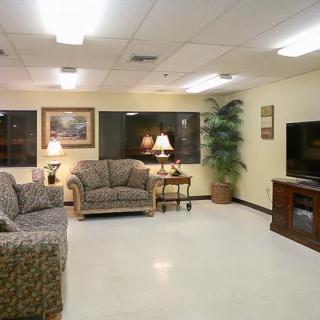
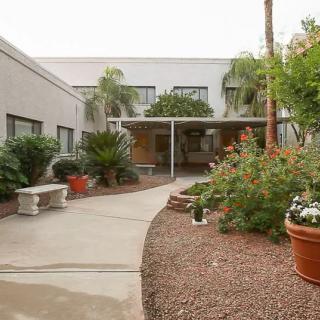
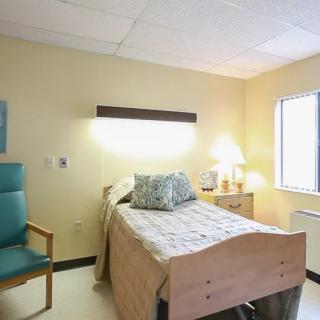
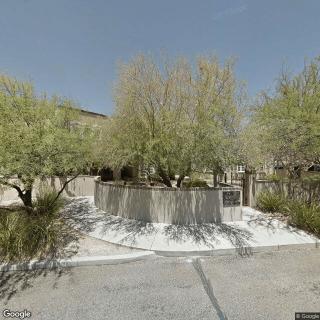
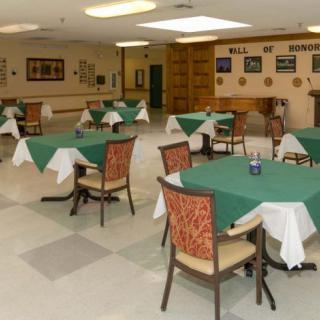
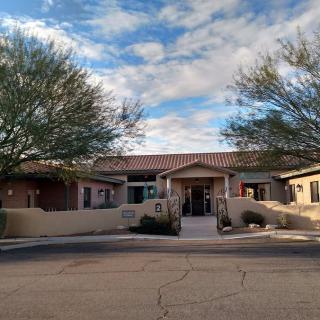
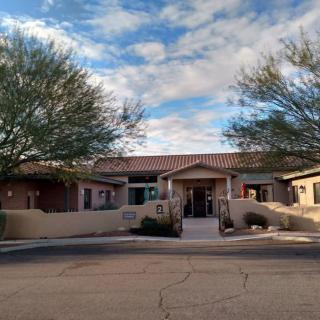
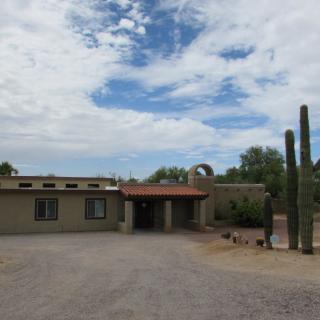
Life Care Center Of Tucson on seniors.fyi includes 6 photos including images showing living room, indoor plants, bedroom, salon, television, decor, healthcare, parking, and more.
The deductibility of assisted living expenses on taxes hinges on factors like the individual's medical condition and service nature, typically requiring the resident to be "chronically ill" per IRS definitions. Taxpayers may deduct eligible medical expenses related to personal care services but generally not rent unless primarily for medical care, and they should maintain thorough documentation to support claims while considering itemizing versus standard deductions.
The guide highlights the importance of assisted living facilities for aging veterans needing daily support, discusses unique challenges they face, and outlines available financial assistance from the VA, including the Aid and Attendance program. It emphasizes understanding eligibility criteria and navigating the VA system to access necessary benefits effectively.
The article compares assisted living and skilled nursing facilities, detailing their differing levels of assistance, medical support, cost structures, and day-to-day experiences. It emphasizes that assisted living is for those needing help with daily activities while maintaining independence, whereas skilled nursing facilities provide intensive medical care with 24-hour staff supervision.
Get PricingAsk A QuestionSchedule A TourContact Senior Advisor
By clicking submit, you agree to our Partner's Terms of Use. You
also consent to receive calls and texts, which may be autodialed, from our Partner. Your consent is not a condition to
using our Partner's service. Please visit our Partner's Privacy Policy for information about their privacy practices.

 162 resident community capacity
 Assisted Living
 Skilled Nursing Facility
 Air-conditioning
 Beauty salon
 Cable or satellite TV
 Computer center
 Dining room
 Fitness room
 Fully furnished
 Gaming room
 Garden
 Housekeeping services
 Kitchenette
 Move-in coordination
 Outdoor space
 Private bathrooms
 Respite or short term stays offered
 Restaurant-style dining
 Small library
 Telephone
 Wellness center
 Wi-Fi/high-speed internet available
 Tucson International (15 miles away)
 Community operated transportation
 24-hour call system
 Activities of daily living assistance
 Assistance with bathing
 Assistance with dressing
 Assistance with transfers
 Diabetes diet
 Hospice care
 Medication management
 Special dietary restrictions
 Concierge services
 Planned day trips
 Convenient access to numerous nearby amenities (pharmacies, physicians, hospitals, restaurants, parks, worship, theater).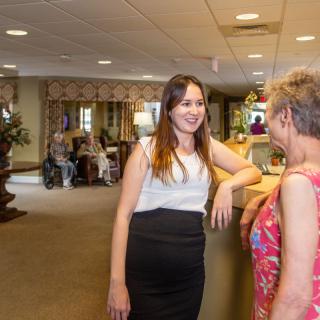

 Is Assisted Living Deductible on Your Taxes? Understanding the Complexities of Assisted Living Expenses and Deductions
 Assisted Living Support for Veterans: A Complete and Detailed Overview
 Exploring the Contrasts Between Assisted Living and Skilled Nursing