
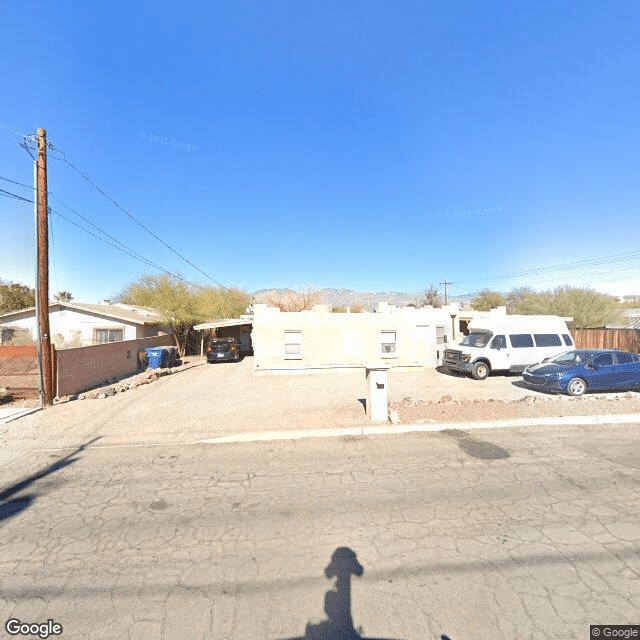
5255 E Lee Street, Tucson, AZ 85712
To contact a resident: (520) 203-7218
For more information about senior living options: (866) 208-4318
Serenity III ALH Costs & Pricing
At Serenity III Assisted Living Home (ALH), the monthly costs for accommodations are competitively positioned within the context of Pima County and the broader state of Arizona. For a semi-private room, residents can expect to pay $2,800, which is slightly lower than the county average of $2,805 and notably more affordable than the state average of $2,820. Similarly, for those seeking a private living space, Serenity III offers rates at $3,000, which again stands out as a more economical choice compared to Pima County's average of $3,332 and Arizona's state average of $3,345. This thoughtful pricing reflects Serenity III ALH's commitment to providing quality care while ensuring accessibility for families navigating assisted living options.
| Floor plans | Serenity III ALH | Pima County | Arizona |
|---|---|---|---|
| Semi-Private | $2,800 | $2,805 | $2,820 |
| Private | $3,000 | $3,332 | $3,345 |
Senior living communities with a similar price nearby
-
About the same
Abella Manor Senior Care, LLC
$2,800 to $3,200 / month4.7 miles away -
from +$350 / mo
Casa De Buena Vida
$3,150 to $3,450 / month8.4 miles away -
from +$400 / mo
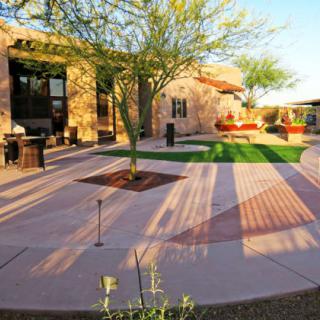
Academy Villas
$3,200 to $7,000 / month14.0 miles away -
from -$500 / mo
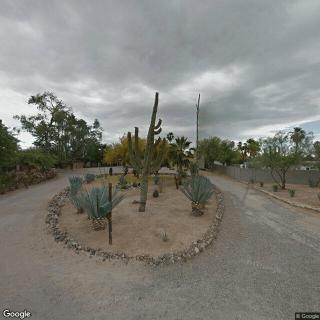
Northwest Assisted Living
$2,300 to $2,500 / month9.8 miles away -
from -$300 / mo
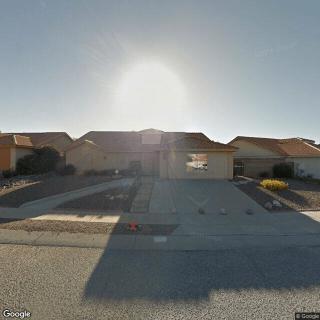
Grace Home I
$2,500 to $3,200 / month5.1 miles away
Overall Review of Serenity III ALH
Pros
 Serenity Place provided compassionate care for the mom, especially through her last days.
 - They accommodated the family so they could be there during this difficult time and adhered to CDC guidelines.
- The staff offered great food, were kind caregivers, and kept the facility very clean.
- They kept the mom’s appearance up by doing her nails and hair.
- The team took pride in their work.
Review
Serenity III ALH in Tucson is best suited for families seeking a small, attentive home where compassionate care and dignity in daily living are the top priorities. Based on a single glowing account, the community shines as a setting that emphasizes personal respect, warmth, and a supportive environment during challenging times. The reviewer highlights that the staff cared for a mother through her last days with a steady, respectful presence and facilitated family time during a difficult moment. This points to a culture that values human connection, resident appearance and comfort, and a welcoming atmosphere for loved ones during end-of-life care.
Key strengths center on three practical anchors: heartfelt caregiving, a clean, well-kept setting, and daily routines that honor appearance and self-respect. The caregivers are described as kind and invested in the resident’s welfare, and the facility is noted for cleanliness and attention to grooming, nails, hair, and overall presentation, elements that translate into a sense of dignity for residents. The quality of meals is cited as a plus, reinforcing the sense that daily life at Serenity III ALH is meant to be comfortable and satisfying, not merely functional. The pride in work evident among staff further reinforces a steady, quality-forward environment.
Given the absence of reported drawbacks in the review, the decision framework relies on aligning these strengths with the care needs at hand. The most obvious fit is for seniors who require steady, person-centered support, a strong emphasis on cleanliness and self-care, and an environment where family involvement is welcomed and facilitated. For families prioritizing a calm, respectful setting for end-of-life moments or for those seeking a home-like atmosphere where caregivers actively nurture resident dignity, Serenity III ALH presents a compelling option. Its strengths offset common concerns about impersonality or neglect that can occur in larger, more industrialized facilities.
However, a practical decision should still consider potential gaps that the single review does not address. Not every resident will require end-of-life-focused care alone; some will need higher medical oversight, chronic disease management, or specialized memory care. In such cases, alternatives with broader clinical staffing or dedicated memory-care programming may be necessary. Additionally, verify the breadth of services included in the base rate, the availability of on-site clinicians, emergency response protocols, transportation for appointments, and daily activity offerings. While the review praises day-to-day quality, these factors often become decisive once medical needs evolve.
To assess Serenity III ALH thoroughly, prospective families should seek concrete, facility-specific answers: who formulates and updates each resident’s care plan, how often the plan is reviewed, and how the care team communicates with family; the staffing model by shift and the ratio of aides to residents; the availability of nurses or clinicians for routine questions and after-hours needs; the menu variety and how resident preferences are accommodated; and the scope of grooming, laundry, and personal-care services beyond nails and hair. Understanding these operational details will reveal whether the care philosophy reflected in the review translates into day-to-day consistency across all residents.
In conclusion, Serenity III ALH appears to be a strong match for families prioritizing dignity, warmth, and meticulous daily care in a Tucson setting. The strongest argument is the proven capacity to support families through difficult times with compassionate, attentive staff, while maintaining a clean, well-presented environment and satisfying daily routines. Alternatives should be contemplated for those requiring more intensive medical management, broader memory-care options, or larger, more resource-rich campuses. For decision-makers anchored in the values of personal attention and resident dignity, a visit to Serenity III ALH is highly warranted to verify fit and confirm that the care model aligns with the specific needs and expectations of the loved one.
 Board and Care Home
 Private
 Tucson International (9 miles away)

 Ten Vital Duties of a Senior Caregiver: A Comprehensive Guide
 9 Stimulating Memory Activities for Seniors: Puzzles, Cards, and Much More
 Managing Nursing Home Expenses After Medicare Coverage Ends