
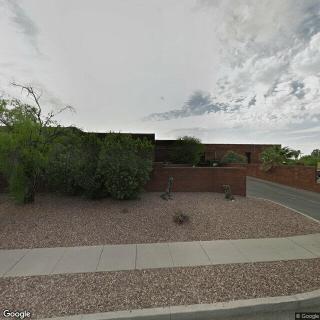
2828 West Goldfield Drive, Tucson, AZ 85745
For more information about senior living options: (866) 208-4318
Overall Review of Highland Hills Adult Care Home
Pros
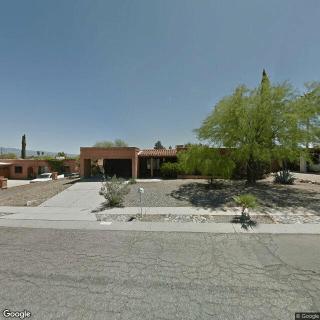
 The adult care facility is well kept.
- The staff are friendly and helpful.
Cons
 It was a little depressing.
- They really don't know much about it.
Review
Highland Hills Adult Care Home in Tucson is best suited for seniors who want a small, well-kept, home-like setting with dependable caregivers and straightforward daily routines. This community suits residents who prioritize personal attention from a small, steady staff over splashy programming or hospital-like amenities. The atmosphere tends toward calm, residential living rather than high-energy activity centers, making it a comfortable home base for those who value predictability and a sense of security in day-to-day care. Families seeking clear boundaries between living space and care tasks will find the arrangement appealing, provided the resident does not require expansive clinical services or a bustling social calendar to stay engaged.
Those considering alternatives should weigh options designed around more robust social programming, advanced medical oversight, or a more transparent flow of information. If a resident needs frequent nursing interventions, comprehensive rehabilitation services, or wants access to a broad activity schedule and regular events, a larger assisted living or a skilled nursing setting may deliver better alignment with expectations. A facility that publishes detailed care plans, routine updates, and a wider array of on-site therapists and specialists could outperform Highland Hills for families prioritizing ongoing, visible clinical support and a consistently high-energy environment.
The strongest pros here are practical and meaningful for the right resident. The property itself comes across as well cared for, with a tidy, orderly feel that reduces stress around daily living. The staff is described as friendly and helpful, which translates into reliable assistance for routine tasks, meal support, reminders, and responsive light supervision. In a smaller community, this often means residents encounter familiar faces and develop closer, trusting relationships with caregivers. That level of connection can offset some appetite for more diverse programming, as consistent attention from known staff contributes to a sense of safety and belonging.
On the downside, one recurrent theme is mood and ambience that some may find less uplifting, descriptions suggest a quieter, possibly understated atmosphere that could feel a bit depressing to residents who expect more stimulation or a brighter, more active setting. Another notable con is the implied opacity around details of services and daily life: reviewers indicate they don’t know enough about the full scope of offerings, which can leave families unsure about what to expect. These factors matter because they influence satisfaction and perceived value when weighing whether care needs align with the environment. The offset lies in the staff’s availability and the clean, predictable routine, but the lack of transparency means careful, in-person verification is essential before committing.
For families taking the next concrete steps, a disciplined due-diligence approach is warranted. Schedule a live tour and insist on meeting both the administrator and the direct care team. Request a current weekly activity schedule, a sample meal plan, and a detailed breakdown of staffing ratios by shift. Ask about medication management practices, emergency procedures, and how daily care plans are communicated to families. Compare these elements against other options in Tucson, focusing on three axes: care intensity and medical oversight, social engagement opportunities, and the transparency of information about services and costs. This due diligence will reveal whether Highland Hills’ intimate, homey model fits the resident’s needs or if a more transparent, activity-rich setting would be a better match.
In the end, Highland Hills Adult Care Home appears to serve a niche: a quiet, intimate, well-maintained home for seniors who value steady caregiver relationships and a restrained but dependable level of daily support. It is not the right fit for those who require robust clinical services, vigorous social programming, or a facility that communicates every detail with crystal clarity before admission. The rated experience, consistent positive impressions of staff and upkeep tempered by notes of mood and information gaps, points toward a cautious endorsement for the right profile. Families should enter with clear questions, measured expectations, and a willingness to visit multiple times to confirm that the emotional climate and care delivery align with the resident’s preferences and needs.
 10 resident community capacity
 Assisted Living
 Board and Care Home
 Cable or satellite TV
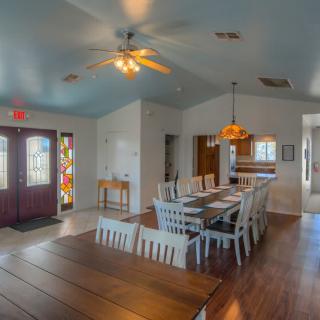
 Dining room
 Fully furnished
 Garden
 Housekeeping services
 Move-in coordination
 Outdoor space
 Telephone
 Wi-Fi/high-speed internet available
 Tucson International (10 miles away)
 24-hour supervision
 Activities of daily living assistance
 Assistance with bathing
 Assistance with dressing
 Assistance with transfers
 Diabetes diet
 Meal preparation and service
 Medication management
 Special dietary restrictions
 Transportation arrangement (medical)
 Transportation to doctors appointments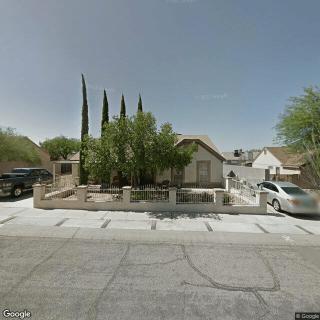



 When to Transition from Assisted Living to Memory Care: Key Indicators, Steps, and Finding the Right Community
 Assisted Living and Memory Care: Understanding Their Core Differences
 Beyond the Bingo Hall: 50+ Enriching Activities for Seniors in Assisted Living