
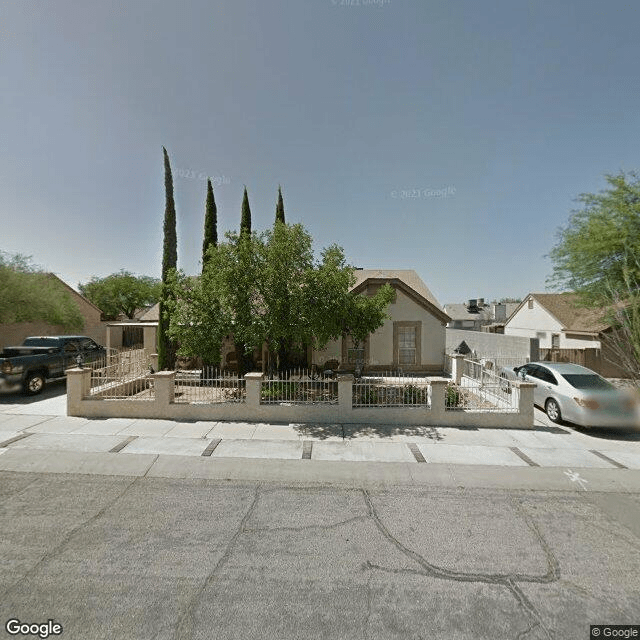
2828 W Goldfield Dr, Tucson, AZ 85745
To contact a resident: (520) 743-7455
For more information about senior living options: (866) 208-4318
Highland Hills Adult Care Costs & Pricing
Highland Hills Adult Care offers competitive pricing for its services, with semi-private rooms available at $2,500 per month, which is notably lower than both the Pima County average of $2,805 and the state average of $2,820. For those seeking more privacy, private rooms at Highland Hills are priced at $3,000 per month, again proving to be more economical compared to the Pima County average of $3,332 and the broader Arizona average of $3,345. This positioning not only underscores Highland Hills' commitment to affordability but also highlights its appeal as a cost-effective choice for adult care in the region.
| Floor plans | Highland Hills Adult Care | Pima County | Arizona |
|---|---|---|---|
| Semi-Private | $2,500 | $2,805 | $2,820 |
| Private | $3,000 | $3,332 | $3,345 |
Senior living communities with a similar price nearby
-
from +$300 / mo
Abella Manor Senior Care, LLC
$2,800 to $3,200 / month13.3 miles away -
from -$300 / mo
Abuelos At La Canada
$2,200 to $2,800 / month4.9 miles away -
from -$200 / mo
Northwest Assisted Living
$2,300 to $2,500 / month5.9 miles away -
from -$300 / mo
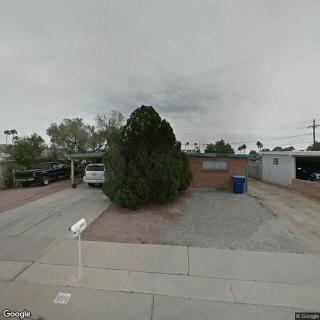
Gentlemen's Inn I
$2,200 / month12.3 miles away -
About the same
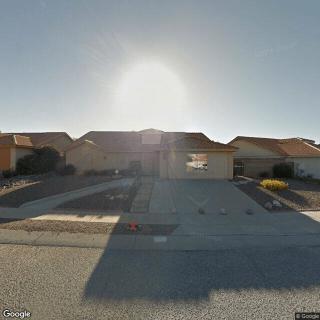
Grace Home I
$2,500 to $3,200 / month13.1 miles away
Overall Review of Highland Hills Adult Care
Pros
 The facility is well kept, with a friendly and helpful staff.
- It is a beautiful home where residents receive very good care.
- Placing their mom there for four years was the best decision the family member made for her.
- The owner Laurie and her staff are described as the best that the reviewer has found.
- The reviewer would recommend the facility to others.
- The home is a beautiful place that provides quality care to residents.
- Most residents have been there for many years and are very happy living in the home.
Cons
 The home is run in a very unprofessional manner.
- They cut corners and are underqualified, not educated, and far from dedicated to giving residents a good quality of life.
- It is run out of a home that is not well maintained and not efficient.
- The menu, claimed to be homemade and well balanced, is far from appetizing and the food is of very low quality.
- They claim to offer activities, but residents sit in chairs in the living room all day and watch TV after meals.
- The owners and their employees have argued or complained in front of residents and family members.
- Highland Hills is the last place one would consider placing a loved one.
- The owner Lora is lazy and incompetent.
Review
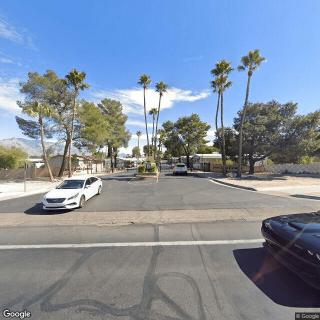
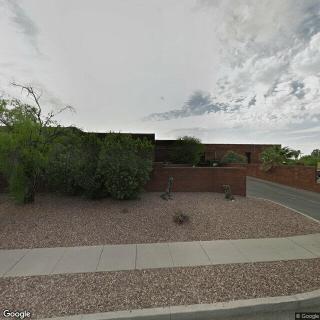
Highland Hills Adult Care in Tucson is best suited for seniors who value a small, home-like setting where staff know residents by name, routines feel predictable, and care feels personal rather than transactional. The property presents as a tidy, well-kept residence, and multiple accounts describe a stable, long-term population with residents who appear comfortable and well cared for. Families pursuing warmth, steady attention, and direct access to those overseeing daily life will find this community aligns with those priorities. The strongest case rests on a friendly, attentive staff and an owner-operator model that preserves a personal touch in daily operations.
However, those whose decision hinges on rigorous professional oversight or a highly structured activity program should consider alternatives. Several accounts portray a home where management and daily operations can feel uneven, with accusations of corner-cutting and underqualification. For residents with higher medical needs, or families requiring steady, experienced leadership for end-of-life planning, the gaps in governance can loom large. If a transparent, governance-forward environment with formal compliance, robust programming, and clearly documented outcomes is non-negotiable, other options may be safer bets.
Still, the core advantages here, an aesthetically pleasing setting, a well-tended environment, and a sincere impression of staff compassion, do not vanish because of concerns about oversight. The well-maintained home and the apparent ease with which staff connect with residents can offset some worries about administrative poise. For residents who settle into a routine, enjoy personal interactions, and do not demand aggressive programming, these strengths create a stabilizing daily experience. The presence of long-tenured residents also signals a level of satisfaction that can be reassuring to families weighing location, proximity, and personal compatibility with caregivers.
Support for this community also centers on those who run it. Reviews frequently describe the owner as dedicated and responsive, with caregivers portrayed as supportive and caring. In many voices, this leadership translates into a home where residents feel valued and respected. Yet the other side is equally pointed: tensions in the home’s management surface as arguments or complaints shared in front of residents and family members, and there are claims that end-of-life care arrangements may not be handled with the calm professionalism expected. For families prioritizing composed administration and consistent expectations, these contrasts become a critical factor.
Critically, the most consistently cited downsides concern operation quality rather than care intent. Critics describe corners being cut, staff who are underqualified, and meals that disappoint both in taste and nutritional value. They depict a day-to-day rhythm that can feel passive, residents lingering in chairs after meals, watching television rather than engaging in activities, and a home atmosphere that can seem inefficient or poorly organized. These concerns matter deeply for families with expectations of reliable programming, higher-quality cuisine, and proactive, structured engagement. Prospective movers should press for concrete, current details on staff credentials, ongoing training, meal planning, activity calendars, and how conflict within ownership is resolved to protect residents.
Bottom line: Highland Hills can be a strong fit for families prioritizing a warm, intimate setting and genuine caregiver attention, especially when a resident thrives on routine and personal connection. It is less suitable for families who require consistent professional governance, robust activity programming, or a facility with polished oversight and a flawless meal program. The decision to place should hinge on a candid assessment of comfort with the balance between home-like warmth and potential gaps in management structure. A disciplined visit, speaking with direct caregivers, reviewing the activity calendar, sampling meals, and clarifying hospice or palliative care policies, will reveal whether the positives outweigh the risks for the individual loved one.
 Board and Care Home
 Private
 Tucson International (10 miles away)
 Ambulatory care
 Diabetic care

 Managing Nursing Home Expenses After Medicare Coverage Ends
 Is a Geriatric Care Manager the Right Choice for Your Family?
 Compassionate Conversations: How to Comfort Someone Who Is Grieving