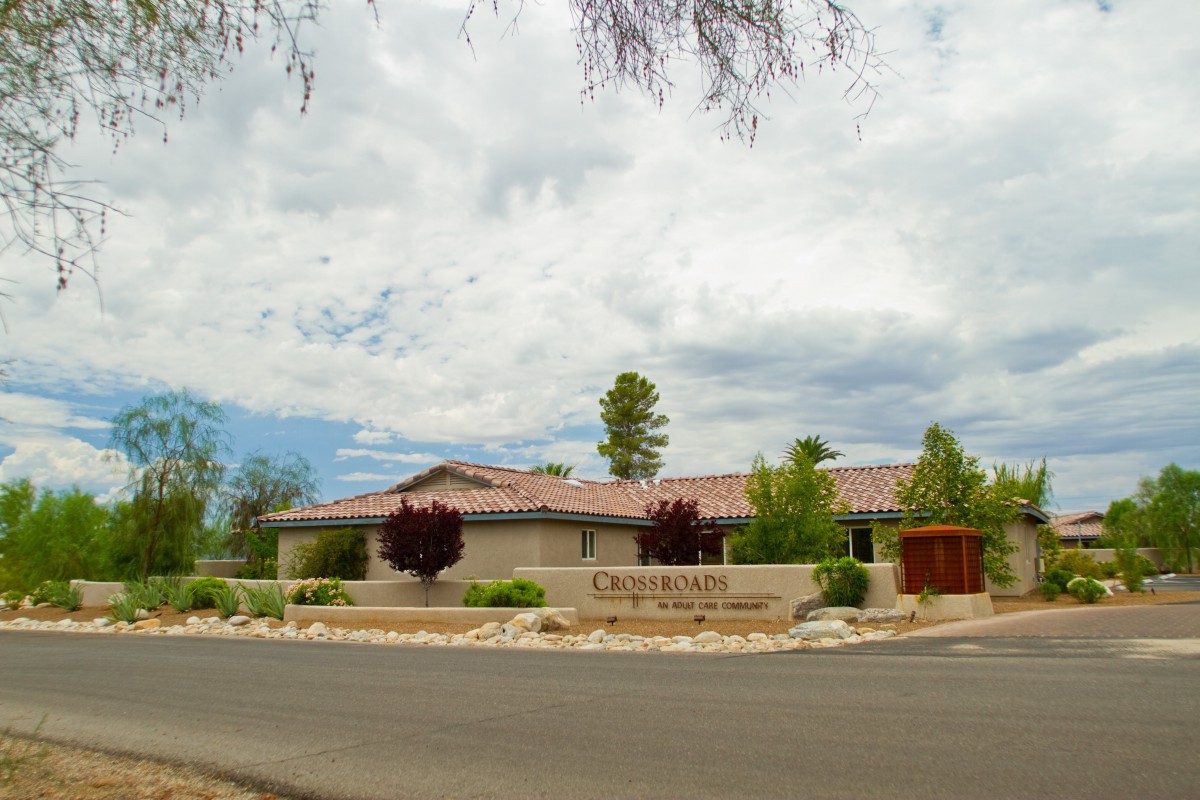






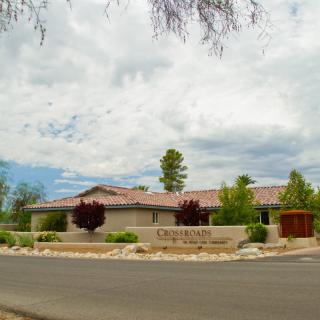







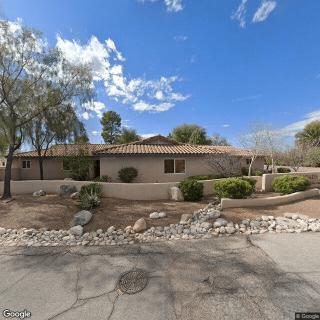
5821 N Escondido Ln, Tucson, AZ 85704
To contact a resident: (520) 971-4215
For more information about senior living options: (866) 208-4318
Crossroads Adult Care Home Escondido Costs & Pricing
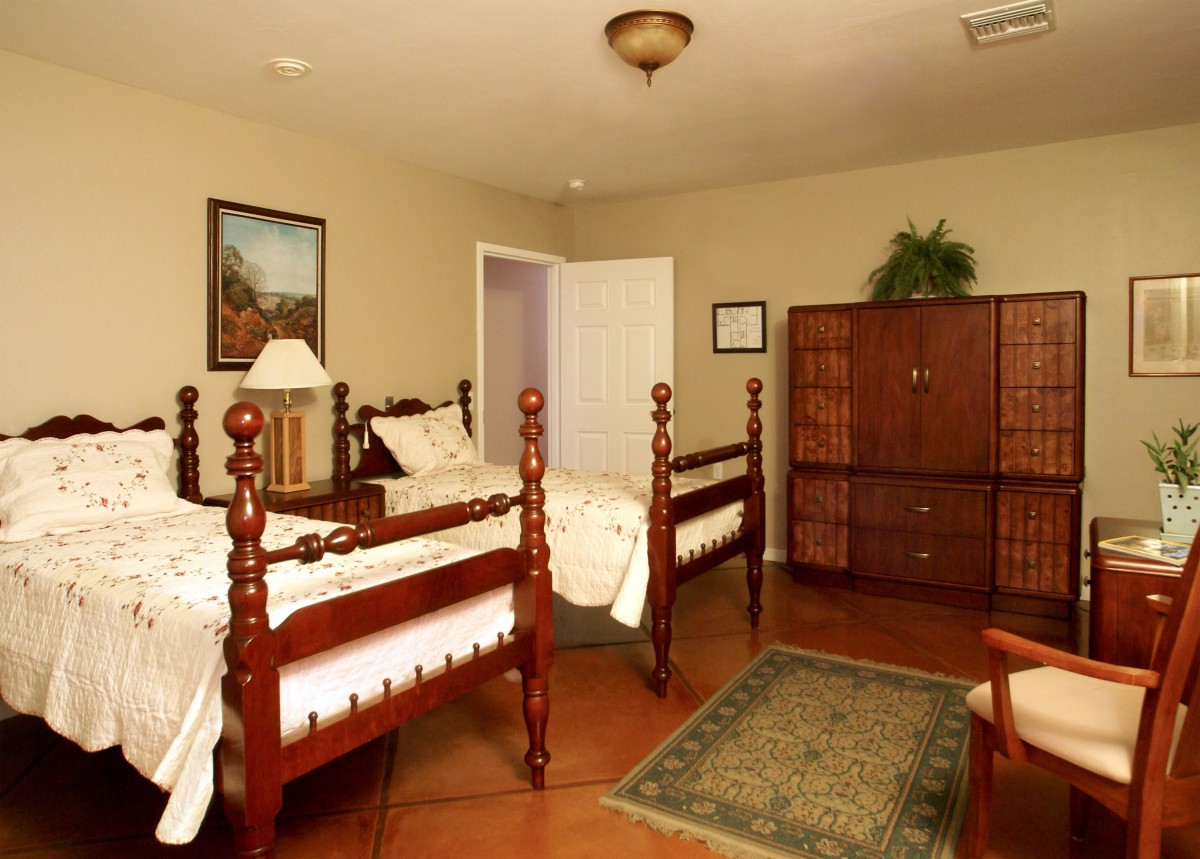
Crossroads Adult Care Home in Escondido offers a range of options for residents, with monthly costs reflecting the personalized care and amenities provided. The semi-private room is priced at $3,750, which is notably higher than the averages observed in both Pima County ($2,805) and across Arizona ($2,820). For those seeking more privacy, the studio room is available at $4,200, again surpassing the local county average ($3,786) and state average ($3,829). While these costs may be higher than surrounding areas, they likely reflect the quality of care and services that Crossroads Adult Care Home strives to deliver to its residents.
| Floor plans | Crossroads Adult Care Home Escondido | Pima County | Arizona |
|---|---|---|---|
| Semi-Private | $3,750 | $2,805 | $2,820 |
| Studio | $4,200 | $3,786 | $3,829 |
Memory care communities with a similar price nearby
-
from -$150 / mo

The Ranch Estates of Tucson
$3,600 to $4,840 / month1.7 miles away -
from -$605 / mo

The Watermark at Oro Valley
$3,145 to $4,995 / month4.2 miles away -
from +$545 / mo

Woodland Palms Memory Care Community
$4,295 to $4,995 / month8.6 miles away -
from -$415 / mo
Cascades of Tucson
$3,335 to $5,350 / month10.3 miles away -
from -$550 / mo

San Nicolas Assisted Living
$3,200 to $5,000 / month1.0 miles away
Overall Review of Crossroads Adult Care Home Escondido
Pros
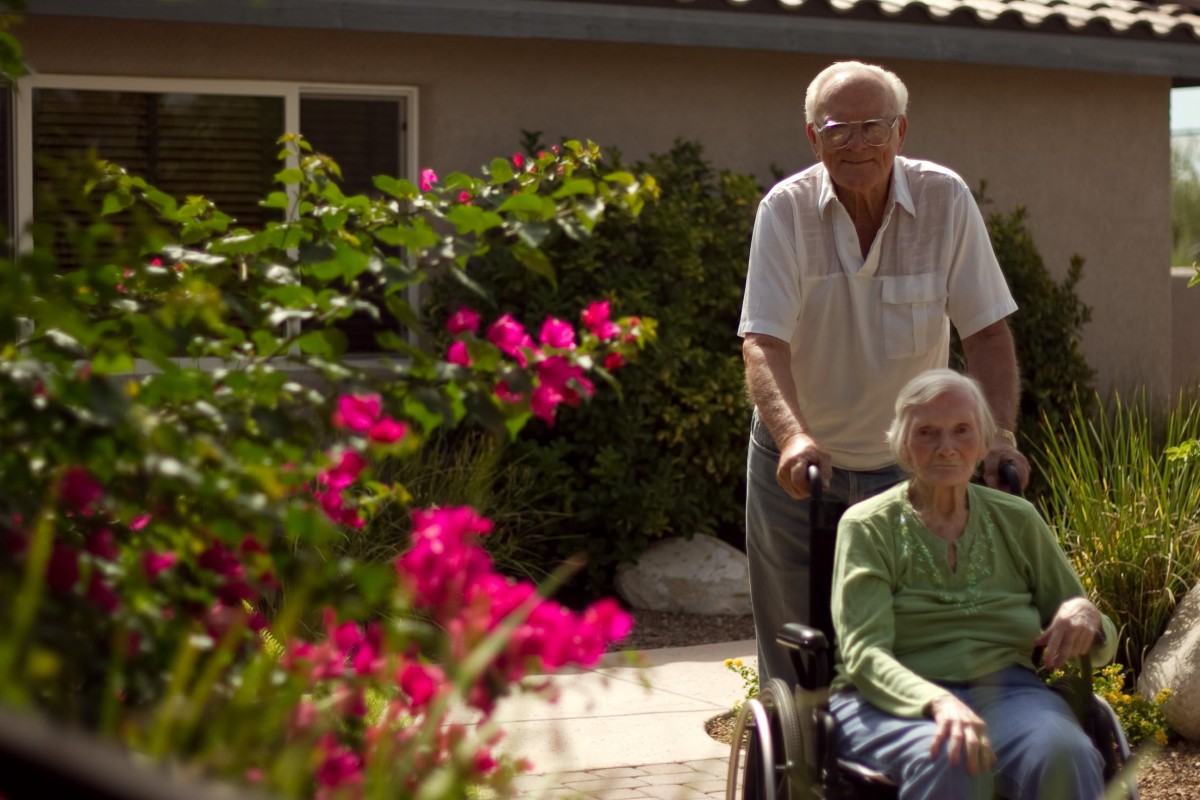
 The grounds are beautiful and the houses are clean and pleasant.
- Crossroads is one of the best assisted living facilities in Tucson.
- The facility goes above and beyond, especially during the pandemic.
- Belinda at Crossroads welcomed visitors, gave tours of the well-appointed homes, and the staff were genuinely caring.
- The meals are prepared from fresh ingredients with extra love.
- The memory care unit provides very good care.
- The caregivers are compassionate and dedicated.
- Crossroads has earned high praise from families.
- The rooms are larger than in other facilities and are very clean.
- The staff goes above and beyond to help residents.
- Crossroads is truly an amazing place filled with love, respect, and dignity for residents and staff.
- Terra Martin is regarded as a favorite caregiver.
Cons
 Crossroads is mismanaged to the point of being dangerous.
- The facility suffers from poor management, disorganization, and non-existent communication with residents' families.
- The director does not appear to manage the staff, and no one else is really in charge.
- There is a revolving door of temps and staff, with the most competent caregivers leaving shortly after being hired.
- There has been no proactive communication whatsoever from the facility, other than the monthly invoice.
- The facility failed to obtain COVID boosters for residents.
- A caregiver arrived at work impaired by drugs and/or alcohol, with no timely intervention by higher management.
- Residents were given pounds of candy and not monitored for oral hygiene, leading to health issues.
Review
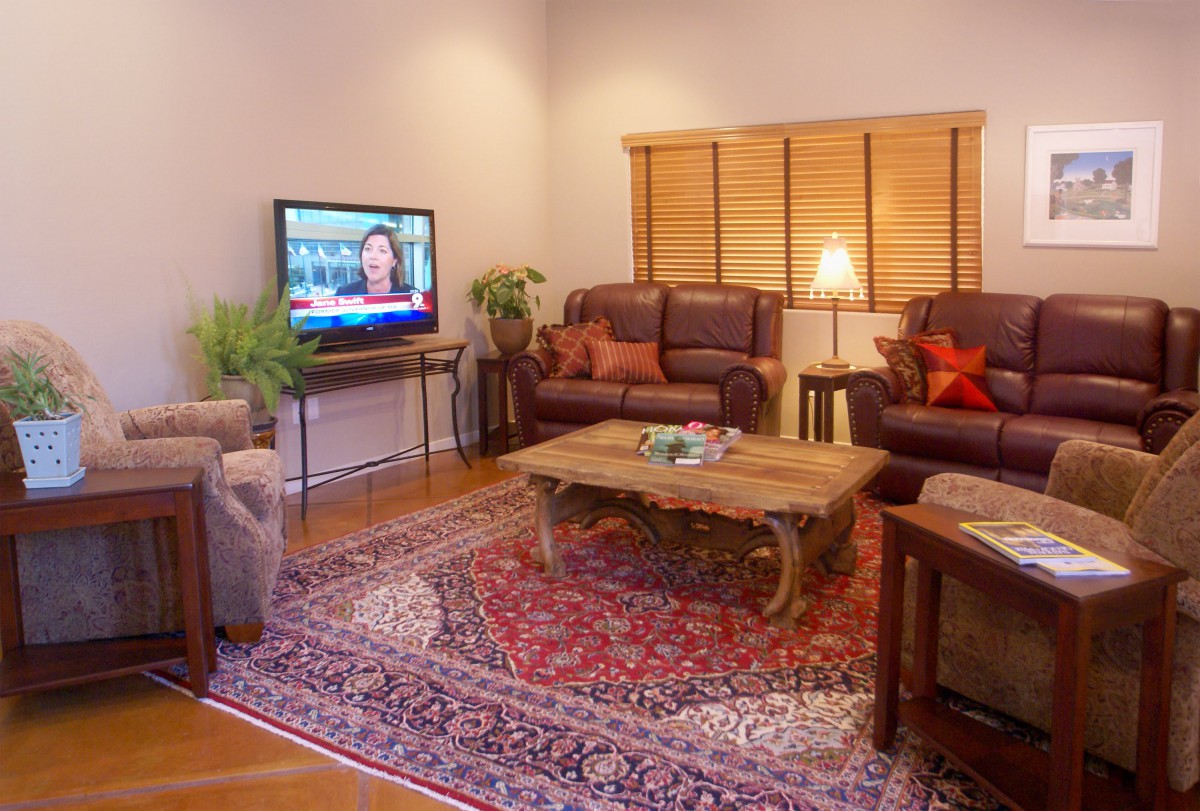
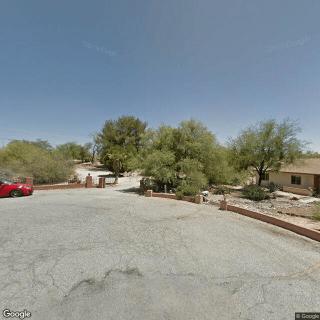
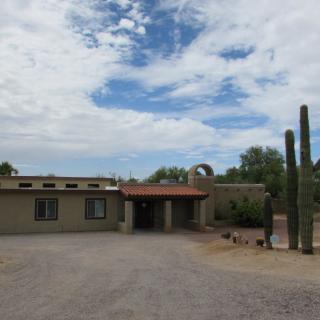
Crossroads Adult Care Home Escondido in Tucson is best suited for families seeking a small, home-like setting where genuine warmth and personal attention are valued over facility size or corporate polish. The property presents as clean, residential in feel, with pleasant grounds and rooms that feel more like living spaces than institutional halls. For memory care residents in particular, this environment can offer a sense of comfort and consistency that some families found indispensable in the early years of care. When care is running well, families describe a level of attentiveness and kindness that feels intimate and sincerely caring.
That said, serious caveats demand attention. Those who require strong, consistent governance and seamless, proactive communication should consider alternatives. Multiple reviews point to mismanagement, disorganization, and a revolving door of staff, with anecdotes of poor internal communication and delayed responses to family concerns. Several families allege that directives and care plans never make their way to the front-line caregivers, and that simple reminders about hydration or dental hygiene go neglected for long stretches. In short, a history of governance gaps can undermine even the most well-meaning caregiving when oversight is inconsistent.
The facility’s principal strengths lie in its intimate, family-owned character and the dedication of individual caregivers. Numerous families praise caregivers for compassion, patience, and the sense that residents are truly valued. The memory care unit has produced positive caregiving experiences for some families, and reviews highlight fresh, well-prepared meals and a home atmosphere in which residents appear comfortable and cared for. When staff members establish rapport with residents and families, Crossroads can deliver the kind of personalized attention that strengthens peace of mind for loved ones who want daily human connection and visible kindness.
However, the most troubling themes in the negative feedback center on safety, consistency, and accountability. Reports of a caregiver appearing impaired on duty, difficulty obtaining medications and clinical directives, and a lack of proactive management are of real concern. Some reviewers recount avoidable health setbacks, dental neglect, dehydration, weight loss, or aspiration concerns, that they attribute to lapses in monitoring activities of daily living. Other families note communication failures even after voicing issues repeatedly, making it harder to trust ongoing, long-term care without a clear, reliable escalation and resolution process. These are not minor annoyances; they touch the core safety and dignity of residents.
The key cost of the current governance gaps is that the excellent, compassionate caregiving can be inconsistent and unreliable, which limits the extent to which pros offset the cons. For families who can remain actively involved, advocate consistently, and demand clear accountability, Crossroads can still be a viable option, especially if the memory care environment and intimate setting align with the resident’s needs. Yet for those prioritizing predictable operations, frequent, transparent updates, and robust medical coordination, the cons are not easily outweighed by the positives. A shift in management stability and demonstrated, sustained improvement in communication would be the critical turning point.
Ultimately, decision-makers should approach Crossroads with a clear plan. Arrange direct conversations with the administrator and front-line supervisors to probe how care plans are communicated, how staffing shortages are handled, and what concrete bedside monitoring looks like day-to-day. Request to speak with current families and, if possible, tour during a typical shift to observe how staff interact with residents and document how issues are resolved. Set expectations for escalation, response times, and monthly care summaries. If a facility with intimate environment and passionate caregivers is the top priority, Crossroads may fit, provided governance and communication are tightened and demonstrably reliable. If not, exploring other Tucson options with stronger, more consistent oversight will be prudent.
 Assisted Living
 Memory Care
 Activities on-site
 Cable or satellite TV
 Devotional services off-site
 Indoor common areas
 Outdoor common areas
 Private bathrooms
 Wheelchair accessible showers
 Wi-Fi/high-speed internet available
 Tucson International (14 miles away)
 Ambulatory care
 Diabetic care
 High acuity care
 Incontinence care
 Medication management
 Meals provided
 Art classes
 Catholic services
 Stretching classes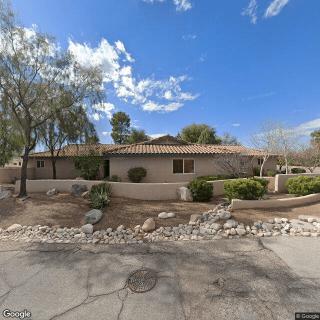



 Comprehensive Insights on the Late Stages of Dementia: What to Expect and How to Provide Care
 Medications Associated with Dementia Risk: A Comprehensive Overview
 Guiding Your Journey: Understanding Power of Attorney for Elderly Parents