For more information about senior living options: (866) 208-4318
4.4 from 25 reviews
5 stars
21
4 stars
0
3 stars
1
2 stars
0
1 stars
3
Casa De Anna's Costs & Pricing
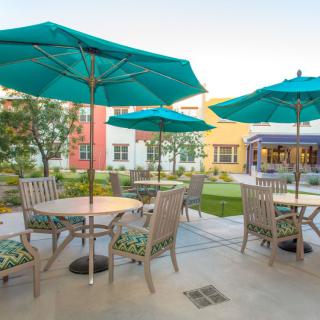
At Casa De Anna's, the monthly costs for accommodations reflect a commitment to quality and personalized care. For semi-private rooms, the cost is $3,250, which is notably higher than the average rates in Pima County ($2,805) and across Arizona ($2,820). The private room option at Casa De Anna's is priced at $3,900, exceeding both county ($3,332) and state averages ($3,345). While these figures are above local benchmarks, they may represent the enhanced services and amenities that residents can expect at Casa De Anna's, setting it apart as a premier choice for those seeking exceptional care in a supportive environment.
Floor plans
Casa De Anna's
Pima County
Arizona
Semi-Private
$3,250
$2,805
$2,820
Private
$3,900
$3,332
$3,345
Senior living communities with a similar price nearby
from -$450 / mo
Abella Manor Senior Care, LLC
5 from 13 reviews
$2,800 to $3,200 / month
12.5 miles away
from -$100 / mo
Casa De Buena Vida
5 from 11 reviews
$3,150 to $3,450 / month
0.8 miles away
About the same
Academy Villas
4.9 from 26 reviews
$3,200 to $7,000 / month
22.1 miles away
from +$350 / mo
The Ranch Estates of Tucson
4.8 from 177 reviews
$3,600 to $4,840 / month
1.7 miles away
from -$250 / mo
Lisa's Loft
4.8 from 52 reviews
$3,000 to $4,000 / month
14.2 miles away
Overall Review of Casa De Anna's
common19 reviews mention this
Staff compassion and attentiveness stand out
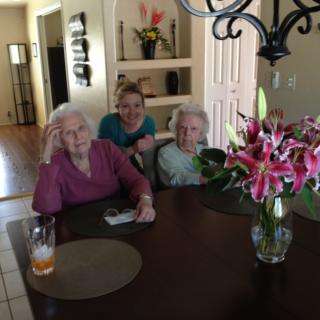
Residents and families consistently describe staff as compassionate, respectful, and attentive.
Across many reviews, families talk about staff treating residents with care, affection, and dignity, often describing communication and help as part of that daily support. Multiple reviewers also mention being comfortable that medications, personal needs, and day-to-day care were handled. A few reviews go the other direction, saying care quality and management were poor at times, which is a contrasting note to the broader experience.
common9 reviews mention this
Clean homes and well-kept grounds
Clean, well-maintained facilities are a frequent positive in reviews.
Several reviewers highlight cleanliness—describing the houses as clean and the environment as well kept. One family also praises the beauty of the grounds and the pleasant look of the homes even while criticizing care and communication. Others add that the facility felt welcoming and comfortable, reinforcing the cleanliness theme as part of the lived experience.
common8 reviews mention this
Family communication is often praised
Communication with family members is a recurring point in reviews.
Many families describe regular updates and a sense that they were able to reach or be welcomed by the facility. Some reviewers also mention feeling at ease because staff were responsive to questions and helped them stay informed about care. On the downside, a couple of reviews report communication breakdowns—one describing trouble getting anyone on the phone and another describing run-around and issues noticed after a delayed video visit.
caveat2 reviews mention this
Care quality complaints are serious
A small number of reviews raise serious concerns about care and management.
While most reviews are positive, two reviews describe major problems that go beyond normal service issues. One family states they saw a decline in care quality, communication, and oversight, and they describe specific examples tied to daily living and hygiene. Another review describes a situation where a loved one returned home with concerning health signs after what the reviewer frames as difficulty coordinating access to the facility.
How we summarize
Counts show how many written reviews mention each theme; a review can touch several themes, and only frequently mentioned themes are displayed.
Features
Types of Care
Board and Care Home
Amenities
Activities on-site
Devotional services off-site
Indoor common areas
Private
Transportation
Tucson International (14 miles away)
Care Services
Ambulatory care
Diabetic care
Dining
Meals provided
Activities
Activities on-site
Devotional activities offsite
Nearby Places of Interest
This part of Tucson, Arizona, offers a convenient location with easy access to various amenities such as physicians' offices, pharmacies, hospitals, restaurants, parks, cafes, and places of worship. The proximity of healthcare facilities like Fishkind Bakewell & Maltzman Eye Care & Surgery Center and Tucson Endocrine Associates ensures that medical needs can be easily met. The area also provides a range of dining options from upscale choices like The Parish to casual favorites like McDonald's and In-N-Out Burger. With parks such as Rilito River Park nearby for outdoor recreation and cultural venues like AMC Foothills 15 for entertainment, this neighborhood offers a well-rounded living experience for seniors looking to settle in Tucson.
Physicians
Fishkind Bakewell & Maltzman Eye Care & Surgery Center (0.8 miles)
Saguaro Dermatology (0.8 miles)
Tucson Endocrine Associates (1 miles)
Roberts Periodontal Group (1 miles)
Genisis Ob Gyn (1.1 miles)
Casas Adobe Physicians (1.2 miles)
Casas Adobes Internal Medicine (1.2 miles)
Restaurants
Mr. An's Teppan Steak & Seafood Sushi Bar (0.9 miles)
At Casa De Anna's, the monthly costs for accommodations reflect a commitment to quality and personalized care. For semi-private rooms, the cost is $3,250, which is notably higher than the average rates in Pima County ($2,805) and across Arizona ($2,820). The private room option at Casa De Anna's is priced at $3,900, exceeding both county ($3,332) and state averages ($3,345). While these figures are above local benchmarks, they may represent the enhanced services and amenities that residents can expect at Casa De Anna's, setting it apart as a premier choice for those seeking exceptional care in a supportive environment.
Weight training is vital for seniors to maintain muscle mass, bone density, and overall health, combating age-related declines through customized resistance exercises that enhance balance and well-being. Safe routines should start with realistic goals and proper form, while emphasizing gradual progress and consultations with healthcare providers to ensure safety and effectiveness.
The Sandwich Generation comprises adults managing the dual responsibilities of caring for aging parents and raising children, leading to significant emotional, logistical, and financial challenges. This situation is exacerbated by longer life expectancies and cultural expectations, necessitating effective coping strategies and support resources to alleviate caregiver stress and burnout.
The article highlights eight essential assistive devices that improve the independence and safety of older adults, addressing issues related to mobility, balance, vision, hearing, and dexterity. It emphasizes the importance of proper selection guided by healthcare professionals to enhance seniors' quality of life while allowing them to age in place.
Get PricingAsk A QuestionSchedule A TourContact Senior Advisor
By clicking submit, you agree to our Partner's Terms of Use. You
also consent to receive calls and texts, which may be autodialed, from our Partner. Your consent is not a condition to
using our Partner's service. Please visit our Partner's Privacy Policy for information about their privacy practices.

 Board and Care Home
 Activities on-site
 Devotional services off-site
 Indoor common areas
 Private
 Tucson International (14 miles away)
 Ambulatory care
 Diabetic care
 Meals provided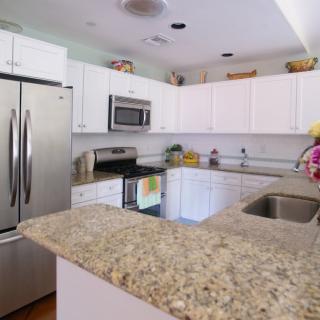
 Small, intimate setting.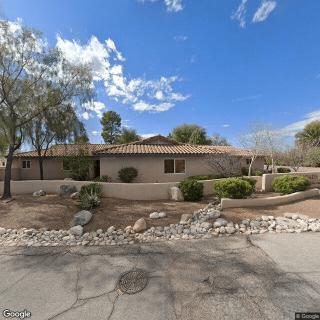

 Weight Training for Seniors: Building Strength and Vitality
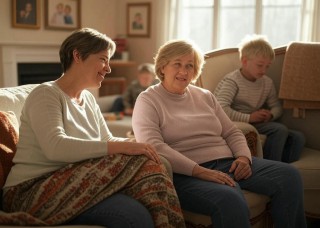 Understanding the Sandwich Generation: Stress and Responsibilities for Multigenerational Caregivers
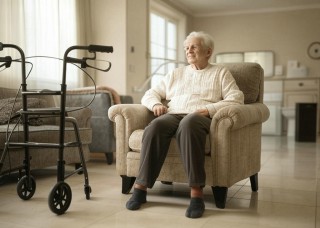 8 Essential Assistive Devices for Older Adults