4106 East 5Th Street, Tucson, AZ 85711
To contact a resident: (520) 326-1791
For more information about senior living options: (866) 208-4318
All Comforts Of Home Costs & Pricing
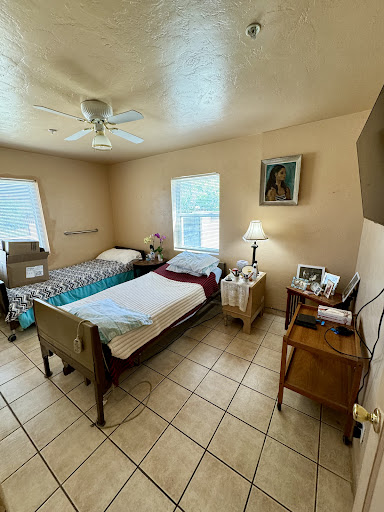
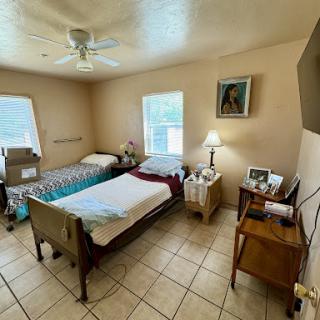
All Comforts of Home offers competitive pricing for its services, with both private and semi-private room options priced at $2,400 per month. This cost is significantly lower than the average monthly expenses in Pima County, where private rooms can reach $3,332 and semi-private rooms average around $2,805. Similarly, across Arizona as a whole, the costs are higher still - $3,345 for private accommodations and $2,820 for semi-private options. By providing affordable rates without compromising quality care, All Comforts of Home stands out as an attractive choice for individuals seeking comfort and support in their living arrangements.
| Floor plans | All Comforts Of Home | Pima County | Arizona |
|---|---|---|---|
| Private | $2,400 | $3,332 | $3,345 |
| Semi-Private | $2,400 | $2,805 | $2,820 |
Overall Review of All Comforts Of Home
Pros
 All Comforts of Home has been a wonderful surprise for families.
- The staff are friendly, responsive, patient, and respectful with residents.
- The Diaz family and their staff truly care for residents as if they are family.
- All Comforts of Home is family-owned and run with warm, compassionate care.
- The food is home-cooked and very good, with three meals a day (plus snacks).
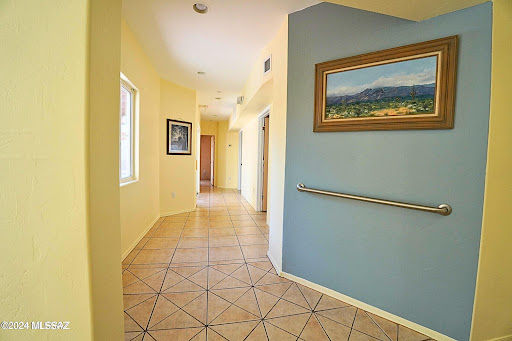
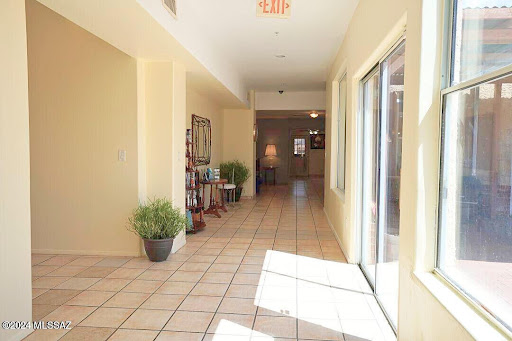
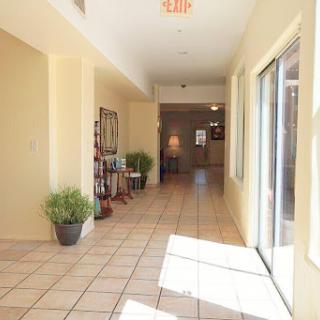
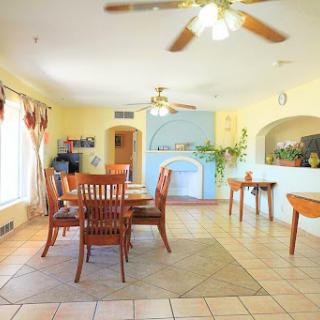
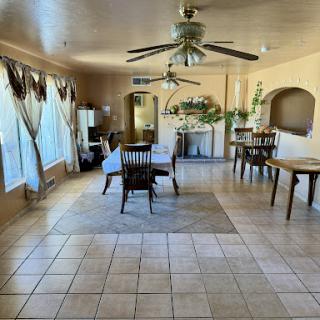
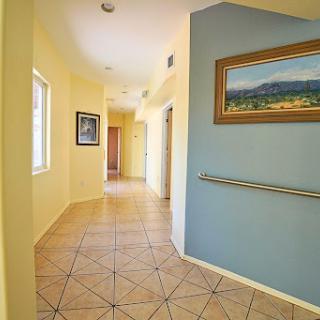
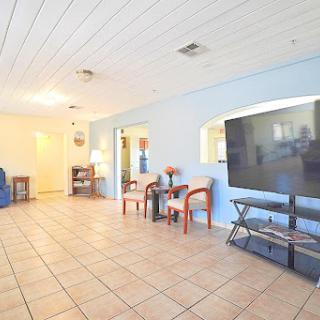
- The facility is clean and well kept, and residents receive lots of personal attention.
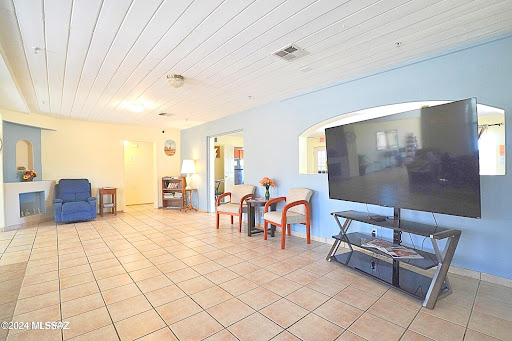
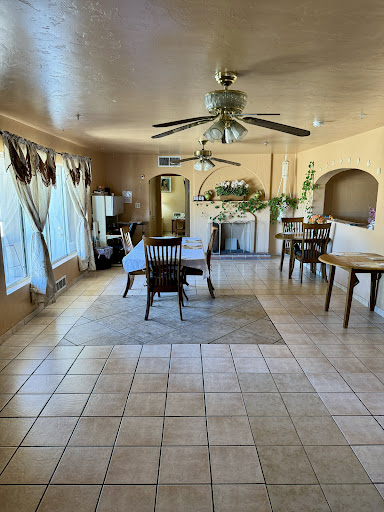
- The environment at All Comforts of Home feels warm, caring, and family-like.
- They offer a variety of in-house activities and events, including bingo, exercises, parties, BBQs, and movies.
- They provide comprehensive care with certified caregivers and a nurse practitioner on site.
Cons
 The facility is infested with bed bugs and has been for almost a year, with residents being bitten at night.
- The sudden cancellation of the ALTECS contract and shift to private clients left ALTECS residents with 60 days to find a new facility, and was accompanied by plans to charge higher fees.
- The facility reportedly lacks opportunities to take residents out to activities.
Review
All Comforts of Home (ACOH) is best suited for families seeking a small, home-like assisted living environment in Tucson that can tangibly deliver high-touch, individualized care for seniors with memory challenges. With roughly 10 residents, the community functions as a tight-knit, family-owned setting where staff know each resident personally, meals feel homemade, and routines are predictable. It is especially compatible for residents who benefit from a calm, intimate atmosphere, consistent daily structure, and a strong emphasis on enabling residents to remain connected to a caring, almost familial community.
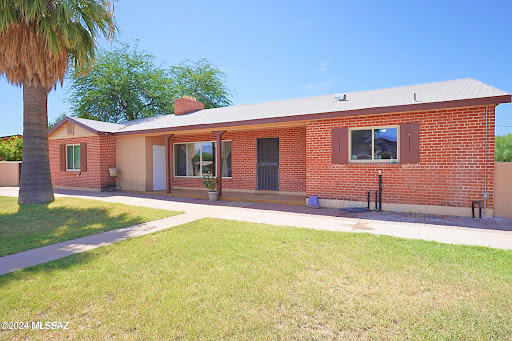
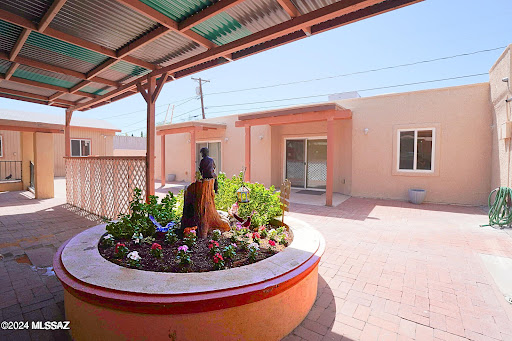
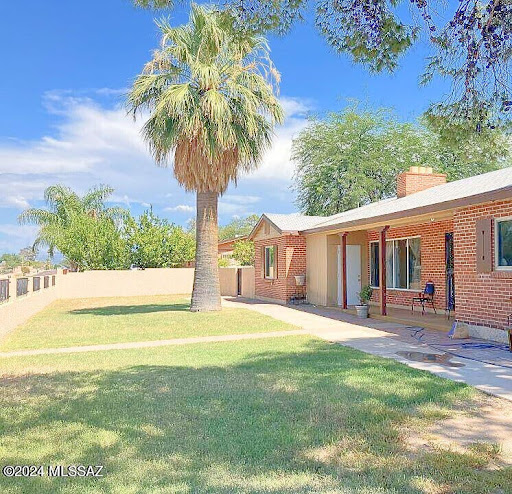
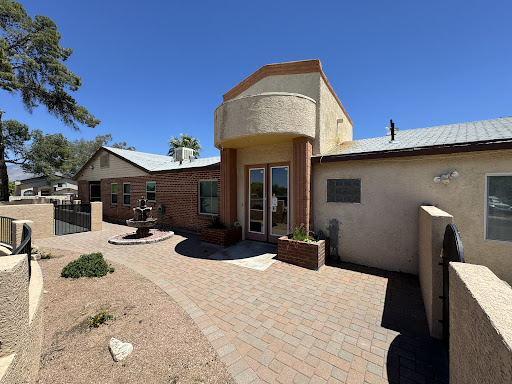
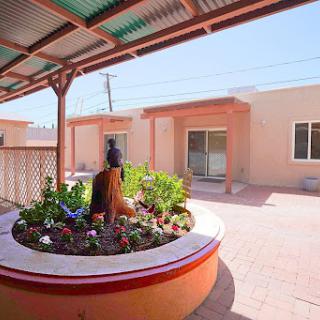
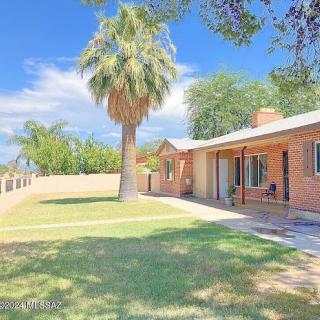
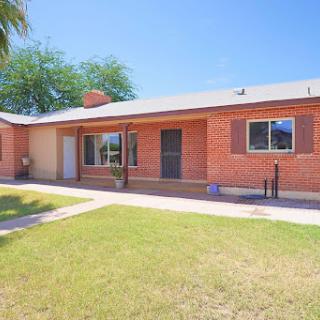
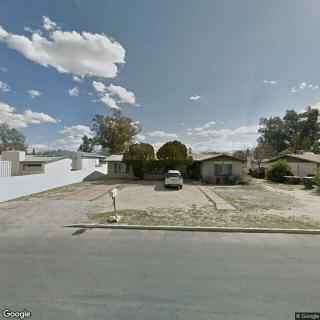
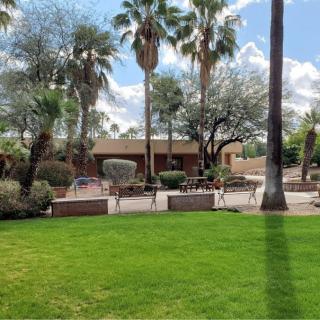
The strongest positives center on the hands-on, personalized care delivered by a family-operated team. Residents benefit from a 2-to-1 caregiver ratio, supported by a nurse practitioner who visits monthly and is on-call, ensuring medical attention stays front-and-center. The facility’s cleanliness and upkeep regularly receive praise, as does the warmth of the staff, described consistently as kind, patient, and respectful. Family involvement appears natural here, and the atmosphere is complemented by home-cooked meals, three daily meals plus snacks, and a rich slate of in-house activities, from bingo to movie days and in-house events. A large yard, shade trees, and a patio create a pleasant, private space for residents to enjoy.
ACOH also earns points for its memory-care readiness and the flexibility to provide multiple levels of care within a small footprint. The home-like setting supports residents with moderate to severe dementia through attentive supervision and a warm, reassuring environment. Families often highlight the sense that residents are treated like members of a caring unit rather than numbers in a building. This approach helps offset the challenges that come with memory loss by maintaining dignity, routine, and consistent, compassionate interaction, which can translate into steadier mood and better quality of life for many residents.
However, several important caveats require careful consideration before choosing this community. One review highlights a bed bug infestation that persisted for nearly a year, a red flag that warrants direct confirmation and a current pest-control plan before transition. While maintenance issues can arise in any small facility, this particular concern elevates the importance of inspecting the most recent remediation steps and asking for a documented plan to prevent recurrence. Additionally, in March 2025 the facility shifted to private-pay only after canceling its state ALTECS contract, giving ALTECS residents 60 days to transition. That financial pivot can be disruptive and may significantly affect families relying on ALTECS pricing, so a clear understanding of current and future rate structures, and what is included or excluded at each level of care, is essential.
These realities shape how the pros offset the cons. The clear advantages, personalized attention, a caregiver-focused model, and a true home-like environment, remain compelling for families prioritizing intimate support over institutional scale. The small size means potential gaps in wide-ranging activities or off-site outings are more likely, but the daily in-house programming is thoughtfully designed and consistently delivered by staff who know residents well. The shift to private pay amplifies the need for upfront budgeting and a careful review of service levels, but it does not erase the value of the core care quality: attentive, respectful treatment; strong daily routines; and a stable, nurturing setting that can be difficult to find in larger facilities.
For families evaluating options, the decisive question is whether a small, family-owned environment fits the memory-care and daily-living needs of the senior in question and whether the financial model aligns with long-term planning. If the priority is a warm, responsive team, predictable routines, and meaningful daily interaction within a home-like setting, ACOH stands out as a strong match, provided that current concerns about pests are resolved and that the financial terms are fully understood. Those who require robust external activity programs, larger campus amenities, or guaranteed ALTECS-rate stability should explore alternatives to ensure the chosen community can meet both clinical needs and budgetary realities without compromise.
 10 resident community capacity
 Assisted Living
 Board and Care Home
 Memory Care
 Cable or satellite TV
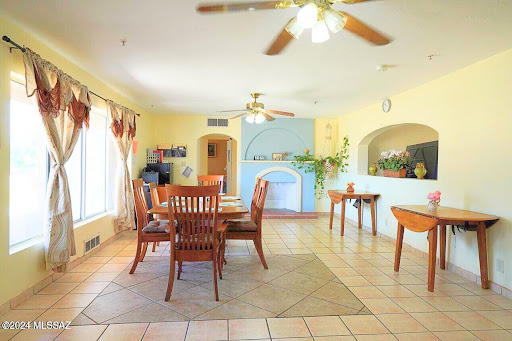
 Dining room
 Fully furnished
 Garden
 Housekeeping services
 Move-in coordination
 Outdoor space
 Private
 Telephone
 Wi-Fi/high-speed internet available
 Tucson International (8 miles away)
 24-hour supervision
 Activities of daily living assistance
 Assistance with bathing
 Assistance with dressing
 Assistance with transfers
 Diabetes diet
 High acuity care
 Meal preparation and service
 Medication management
 Special dietary restrictions
 Transportation arrangement (medical)
 Transportation to doctors appointments


 When Dementia Sparks Anger and Aggression: Understanding the Connection and Ways to Cope
 Dementia Behaviors: In-Depth Understanding and Effective Coping Strategies
 5 Early Indicators of Dementia and What You Can Do