
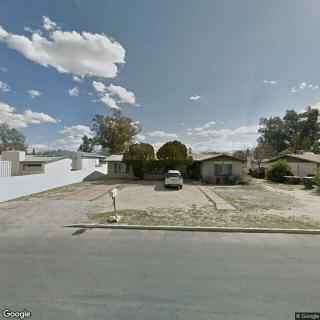
4322 East 6Th Street, Tucson, AZ 85711
For more information about senior living options: (866) 208-4318
Overall Review of Alma's Home Care Assisted Living
Pros
 Alma’s Care Home is described as having a homier, welcoming atmosphere that feels like a home away from home.
- Alma, Tony, and the caregiving staff are regarded as the BEST, providing timely responses and daily demonstrations of love and patience.
- The staff treat residents with dignity and respect, with careful attention to nutrition and well-being.
- Families feel supported by Alma’s team, who are great with families and offer peace of mind, including end-of-life support.
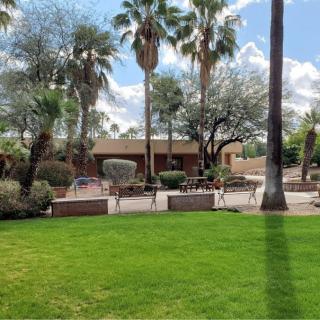
- The home is spotless and clean, with delicious and nutritious meals and a beautiful back patio/garden.
- The environment is peaceful, happy, and welcoming, with staff who greet visitors warmly and care for residents like family.
- Residents appear happy and well cared for, reflecting the caregivers’ dedication and love.
- Spanish is spoken at Alma’s, enhancing comfort and communication for residents and families.
Cons
 The other care homes were too sterile and impersonal.
- It is very difficult for residents to adjust to their new surroundings.
- The mother was unexpectedly diagnosed with a terminal illness and was given three months to live.
Review
Alma's Home Care Assisted Living in Tucson is best suited for seniors who prize a warm, home-like environment where staff cultivate genuine relationships, and families who want ready access to caregivers in a setting that feels more like home than a hospital. The community shines for those who speak Spanish or value bilingual communication, and for families seeking a place where daily routines emphasize dignity, patience, and a steady, personal touch. In this setting, residents are treated as members of a close-knit household rather than as anonymous entries on a roster, with care teams that emphasize comfort, consistency, and a sense of belonging.
Those needing intensive medical oversight, complex wound care, specialized memory care, or robust programming across a large campus may want to consider alternatives. Alma's size and format lend themselves to highly personalized attention, but they also imply fewer on-site resources for highly technical interventions or structured, large-scale activity calendars. Families should assess whether evolving clinical needs could outpace what a small, family-style home can reliably sustain. For residents requiring extensive assistance with daily medical regimens, or for therapies that demand hospital-grade equipment, a bigger facility with dedicated nursing teams may be a better fit.
Where Alma's shines, the advantages consistently align with residents' comfort and peace of mind. The reviews repeatedly highlight a homier atmosphere, a sense of belonging, and staff who are patient, loving, and responsive. The leadership, Alma, her son Tony, and the caregiving team, emerges as the anchor of trust, delivering timely answers and ongoing communication with families. Nutritional care is taken seriously, meals are described as delicious and nourishing, and the back porch gardens offer gentle, restorative routines. The ability to coordinate hospice or end-of-life support inside a nurturing home setting further reinforces the practical value: comfort, dignity, and family-centered care during life’s most challenging moments.
On the potential drawbacks, the most relevant trade-off is the smaller scale. A home-like residence can mean fewer on-site medical specialists, limited exposure to a wide range of therapeutic activities, and less formal programming than a large assisted-living campus. For families seeking a facility with extensive memory-care protocols, or with a calendar of structured events every day, Alma's may feel more intimate than expansive. Transportation options and access to external services can also come with more hands-on management by families or visiting contacts. Yet within those constraints, the strength of the team’s attentiveness often offsets these gaps in practical terms.
In practice, the benefits outsize the drawbacks for most scenarios, especially when the priority is consistent, compassionate care over the long arc of aging. The staff’s approach cultivates trust, reduces adjustment stress, and supports residents’ dignity daily. Family involvement is normalized and encouraged, with frequent updates and ready accessibility from the care team. End-of-life care is handled with empathy, and Alma’s willingness to arrange hospice care alongside attentive daily care provides a reassuring continuum. The overall environment, clean, peaceful, and nourished by thoughtful touches, transforms what could be a difficult transition into a manageable, humane experience.
The practical conclusion is clear: Alma's Home Care Assisted Living is a compelling option for families seeking a nurturing, home-based atmosphere equipped with respectful, Spanish-speaking caregiving and a strong sense of community. It excels where personal connection, dignity, and routine matter most, particularly for seniors who respond well to a smaller, family-style setting. Those with heavy medical needs, a requirement for intensive memory-care programming, or a demand for a broader array of on-site clinical resources should consider alternatives. The wiser path is to visit, observe interactions, meet Alma and Tony, and discuss care plans, then align expectations with the resident’s clinical needs and the family’s care goals.
 10 resident community capacity
 Assisted Living
 Board and Care Home
 Cable or satellite TV
 Dining room
 Fully furnished
 Garden
 Housekeeping services
 Move-in coordination
 Outdoor space
 Telephone
 Wi-Fi/high-speed internet available
 Tucson International (8 miles away)
 24-hour supervision
 Activities of daily living assistance
 Assistance with bathing
 Assistance with dressing
 Assistance with transfers
 Diabetes diet
 Meal preparation and service
 Medication management
 Special dietary restrictions
 Transportation arrangement (medical)
 Transportation to doctors appointments





 When to Transition from Assisted Living to Memory Care: Key Indicators, Steps, and Finding the Right Community
 Assisted Living and Memory Care: Understanding Their Core Differences
 Beyond the Bingo Hall: 50+ Enriching Activities for Seniors in Assisted Living