
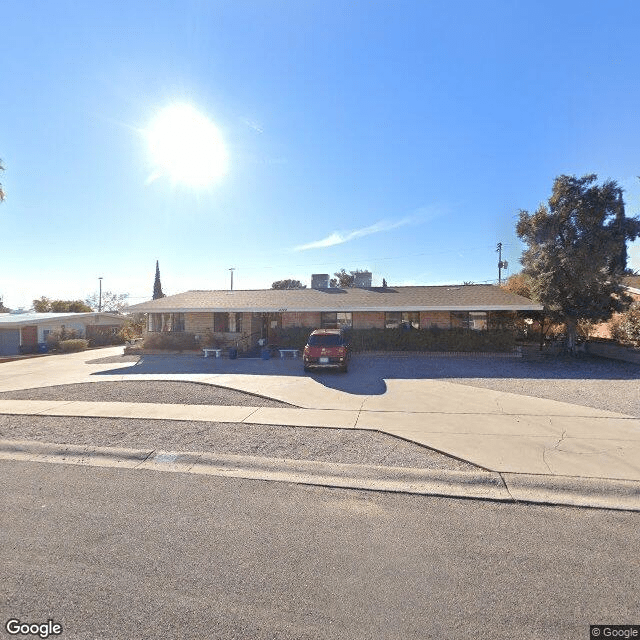
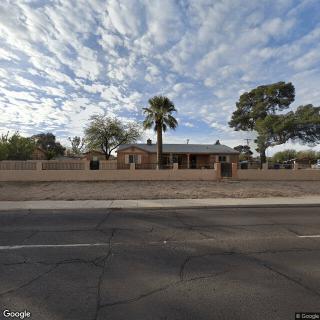
4322 East 6th Street, Tucson, AZ 85711
To contact a resident: (520) 406-1790
For more information about senior living options: (866) 208-4318
Alma's Homecare Assisted Living LLC Costs & Pricing
Alma's Homecare Assisted Living LLC offers competitive pricing for its services compared to the broader market in Pima County and the state of Arizona. For a private room, residents can expect to pay between $2,500 and $4,500 per month, which is notably lower than the county average of $3,332 and the state average of $3,345. The semi-private room is available at a flat rate of $2,500, offering excellent value compared to Pima County's average of $2,805 and Arizona's average of $2,820. Additionally, Alma's studio option is priced at $3,000 per month, which remains more economical than both the county's average of $3,786 and the state's figure of $3,829. These rates reflect Alma's commitment to providing affordable assisted living solutions while ensuring a high standard of care for its residents.
| Floor plans | Alma's Homecare Assisted Living LLC | Pima County | Arizona |
|---|---|---|---|
| Private | $2,500 to $4,500 | $3,332 | $3,345 |
| Semi-Private | $2,500 | $2,805 | $2,820 |
| Studio | $3,000 | $3,786 | $3,829 |
Memory care communities with a similar price nearby
-
from +$200 / mo

Casa De Los Abuelos Dos
$2,700 to $3,200 / month9.9 miles away -
About the same
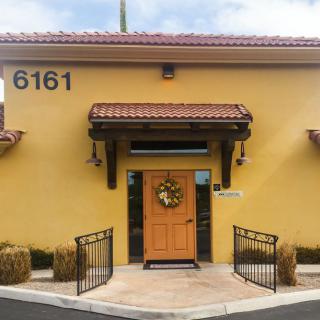
Fairmount Assisted Living
$2,500 to $3,500 / month2.5 miles away -
from +$450 / mo
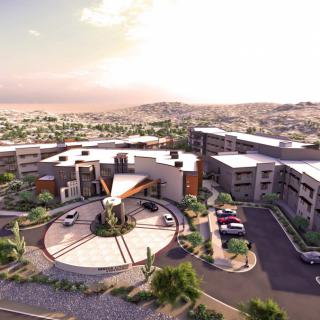
La Sonora at Dove Mountain
$2,950 to $5,270 / month17.3 miles away -
from -$372 / mo
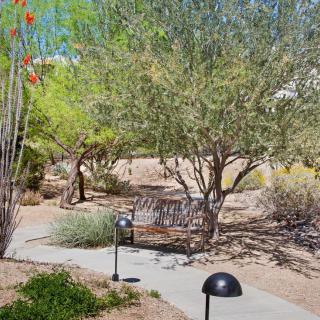
Sunrise at River Road
$2,128 to $3,530 / month6.0 miles away -
from +$95 / mo
Atria Campana Del Rio
$2,595 to $7,095 / month5.2 miles away
Overall Review of Alma's Homecare Assisted Living LLC
Pros
 Alma's Care Home provides a homier atmosphere that feels welcoming rather than sterile.
- Alma, Tony, and the caregiving staff are among the best, with timely responses to questions or concerns.
- Residents are treated with dignity and respect, with meals carefully monitored for nutritional health.
- The home feels like a warm, welcoming place—a home away from home—with friendly, family-like care.
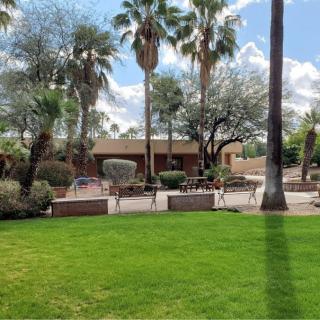
- The gardens and patio are beautiful, offering a peaceful and happy space for residents and visitors.
- The staff demonstrate love and patience every day, ensuring residents' well-being.
- The facility is clean, spotless, and well-maintained, with nutritious, delicious meals served.
- Families feel supported and kept up to date about their loved ones' care, finding comfort in the compassionate staff.
Cons
 The other places were too sterile and impersonal.
Review
This community is best suited for seniors who want a warm, homelike setting and families that want to stay closely involved in daily care. It is an excellent fit for residents who need assistance with activities of daily living but do not require the clinical heft of a large skilled-nursing campus. For Spanish-speaking households or those who value culturally attuned communication, Alma’s Homecare provides a meaningful alignment, with staff that speak the language and bring a personal, family-like touch to daily routines.
Those who should consider alternatives are families navigating spots where medical intensity or memory-care specialization is non-negotiable. If round-the-clock skilled nursing, complex wound care, or highly structured clinical programming are essential, a larger facility with a more formal medical model may be a better fit. Those seeking a highly regimented activity schedule, extensive on-site therapies, or dedicated memory-care programming should compare options to ensure the level of clinical oversight matches expectations.
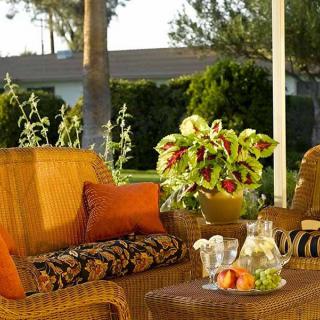
The strongest pros center on a genuine, homey atmosphere and consistently attentive staff. Alma, Tony, and the caregiving team are repeatedly described as best-in-class for warmth, patience, and personal regard toward residents. Nutrition is actively monitored, meals are described as nutritious and delicious, and the daily rhythm feels individualized rather than commodified. Visitors report back porches, garden spaces, and quiet moments that help residents enjoy familiar comforts, routines that foster dignity and a sense of belonging rather than institutional detachment.
This setting also delivers a peaceful, well-tended environment that supports emotional well-being. Cleanliness and a tidy, inviting home atmosphere are repeatedly highlighted, as are the welcoming greetings and the openness of staff to families. The back patio and outdoor spaces are described as special places where residents can observe birds and trees, enhancing quality of life. When end-of-life care becomes a reality, Alma’s capacity to coordinate hospice providers and to remain present with families reinforces a compassionate continuity of care that is hard to find in larger operations.
In weighing the positives against potential limits, the intimate, family-run model of Alma’s Homecare emerges as a deliberate trade-off: less focus on the medical machinery of care, more emphasis on daily comfort, dignity, and close communication. For families valuing assurance that a caregiver truly knows their loved one’s routines, preferences, and dietary needs, this approach often translates into fewer care gaps and more responsive updates. The cost is a facility footprint with fewer beds and a leaner medical staff, which means some residents may rely more on families and outside services to supplement medical oversight.
Practical steps for families evaluating Alma’s: arrange multiple visits at different times to observe interactions and meal service, and ask direct questions about staffing patterns, on-call coverage, and who handles acute medical needs. Confirm how often families receive updates and what forms of communication are available for progress notes or changes in condition. Explore memories and preferences, music, hobbies, favorite meals, and confirm that staff have proven mechanisms to incorporate those into daily routines. Finally, compare with other Tucson options to verify that the level of personalized attention, language compatibility, and caregiver continuity meets the specific needs and expectations of the loved one. For those prioritizing a homey, people-first environment with strong family engagement, Alma’s Homecare stands out as a highly reliable choice; for those requiring intensive medical care or specialized memory programs, alternatives should be considered to ensure comprehensive coverage.
 Board and Care Home
 Memory Care
 Private
 Tucson International (8 miles away)
 High acuity care
 Incontinence care

 A Thorough Discussion of Medications Potentially Linked to Dementia Risk
 Why Do Dementia Patients Sleep So Much? Understanding Oversleeping, Stages, and Care Approaches
 8 Key Indicators That Suggest It May Be Time to Transition from Assisted Living to Skilled Nursing Care