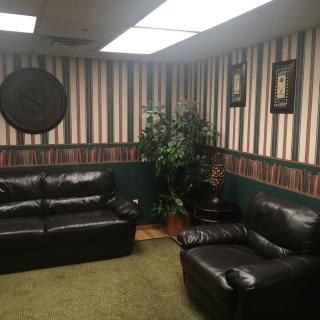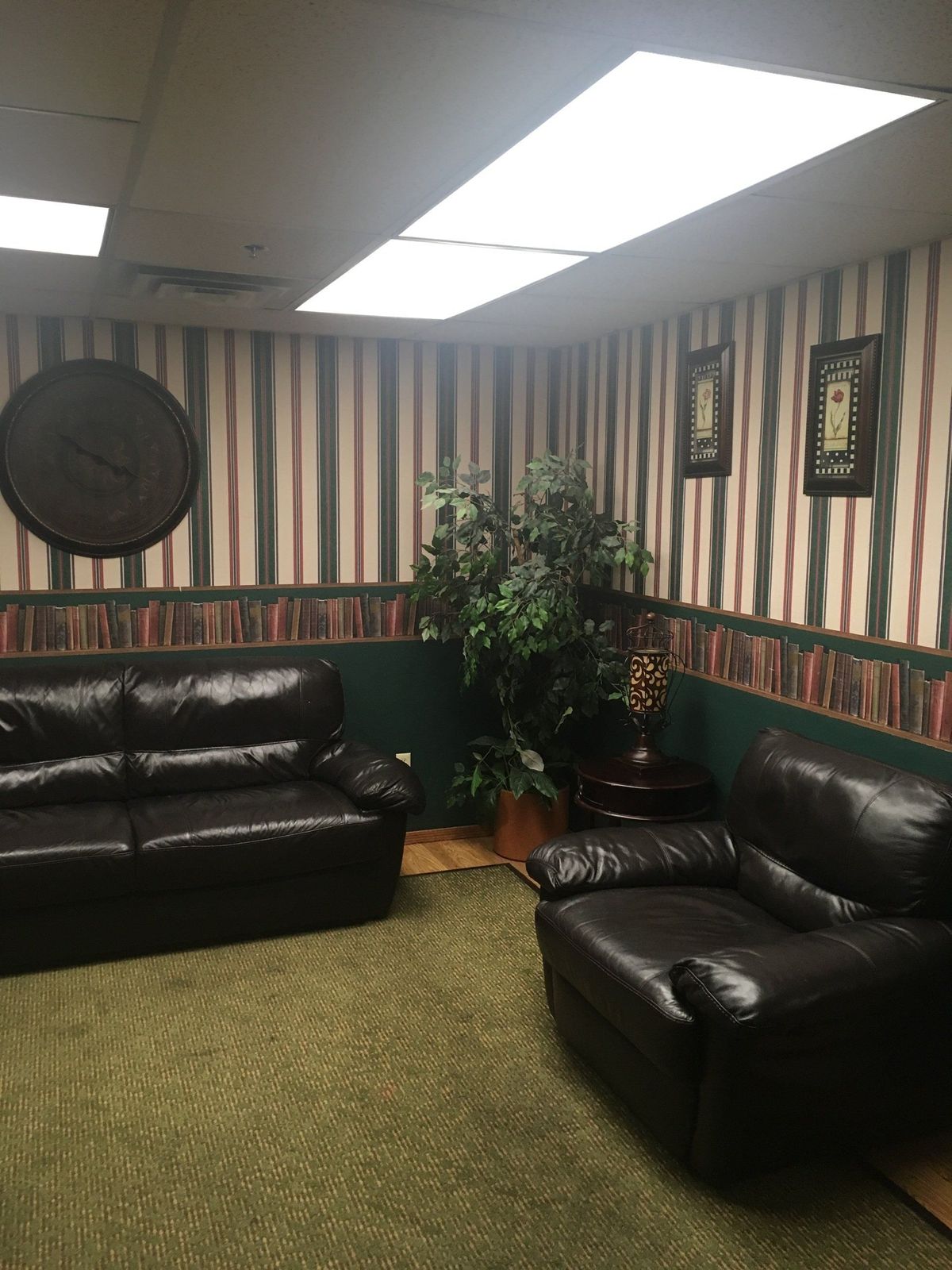
8435 East Mcdowell Road, Scottsdale, AZ 85257
For more information about senior living options: (866) 208-4318
Mimosa Springs Costs & Pricing
Mimosa Springs offers competitive pricing for its accommodations, reflecting the quality of care and amenities provided. For a semi-private room, residents can expect a monthly cost of $3,000, which is slightly above the average in Maricopa County at $2,801 but remains within reach compared to the overall state average of $2,820. Additionally, for those seeking more privacy with a one-bedroom option, Mimosa Springs charges $3,300 per month. This rate is somewhat lower than the county's average of $3,473 and also undercuts the state average of $3,532. Overall, while Mimosa Springs may have higher rates for semi-private rooms compared to local averages, it provides an appealing pricing structure for one-bedroom accommodations that adds considerable value in comparison to both county and state costs.
| Floor plans | Mimosa Springs | Maricopa County | Arizona |
|---|---|---|---|
| Semi-Private | $3,000 | $2,801 | $2,820 |
| 1 Bedroom | $3,300 | $3,473 | $3,532 |
Memory care communities with a similar price nearby
-
from -$500 / mo
La Bella Vita ALH
$2,500 to $7,000 / month14.1 miles away -
About the same
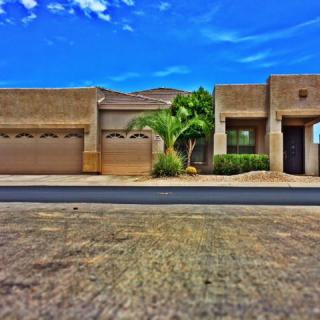
Desert Garden Senior Living
$3,000 to $3,500 / month16.6 miles away -
About the same
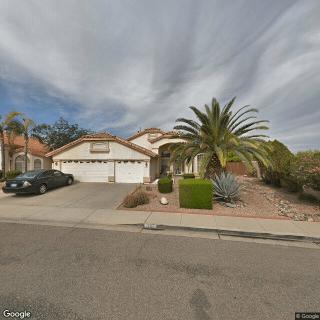
Horizon Assisted Living
$3,000 / month23.4 miles away -
About the same
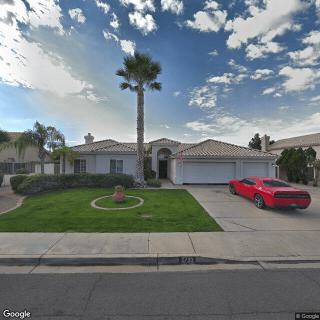
Desert Winds I
$3,000 to $3,800 / month7.4 miles away -
from +$500 / mo
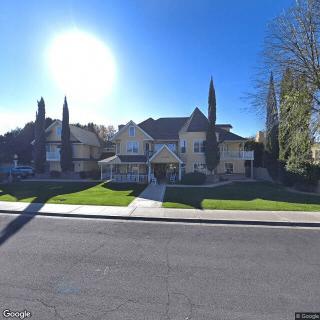
Jim & Patti Jones II
$3,500 to $4,500 / month6.4 miles away
Overall Review of Mimosa Springs
Pros
 The staff are very professional and extremely caring.
- The facility is clean and well kept.
- Any concerns are addressed immediately and resolved quickly.
- There are wonderful activities to keep residents engaged.
- The staff truly care about the people placed in their charge, and the facility feels like a family.
Review
Mimosa Springs is best suited for seniors who value a warm, family-like environment where staff know residents well, respond quickly to concerns, and daily life centers on engaging activities and social connection. In Scottsdale, AZ, this community stands out for a combination of professional care, a clean and well-kept setting, and a culture that treats residents like family. Families seeking reassurance that issues are handled promptly and respectfully will find the environment meets those expectations, with a tangible emphasis on resident happiness and safety.
Those who should consider alternatives are residents with higher medical complexity or specialized care needs. The reviews highlight a caring, capable staff and a social, engaging atmosphere, but they do not detail on-site medical services, memory-care programming, or advanced clinical oversight. For families prioritizing intensive clinical supervision, skilled nursing on-site, or dedicated memory care options, other communities that foreground medical capabilities may be a better fit. Similarly, if a quieter, more private, or less activity-filled setting is desired, exploring options with a different pace could be prudent.
The strongest pros lie in the human touch and the daily rhythm of life. Professional, caring staff are repeatedly described as genuinely attentive, creating trust through consistency and empathy. The facility’s cleanliness and upkeep reinforce a sense of safety and respect for residents’ dignity. Quick, visible responses to concerns reduce uncertainty for families and provide ongoing reassurance about the quality of daily care. A robust calendar of activities and a family-like, communal tone help prevent social isolation, supporting both cognitive engagement and emotional well-being. When measured against typical aging-in-place worries, these factors collectively deliver a compelling value: reliable companionship, predictable routines, and a care team that appears truly invested in each person.
However, the absence of noted downsides in the feedback does not eliminate the need for mindful diligence. The key is to verify alignment with individual care requirements rather than assuming every desirable outcome will unfold automatically. Pros offset potential concerns about neglect or impersonal service, but families should still confirm the scope of medical and therapeutic services, staffing levels during evenings and weekends, and the availability of any specialized programs (such as memory care or rehabilitation) that may be important for a given resident. In practical terms, this means asking targeted questions during tours and taking time to observe genuine interactions between staff and residents in real-time.
A practical decision checklist will help families gauge fit. Schedule a face-to-face visit to observe how staff engage with residents, noting whether conversations feel respectful and individualized. Review the activity calendar to see if programs align with the resident’s interests and energy levels. Inquire about meal options, transportation for appointments or outings, and the privacy and comfort of resident rooms. Ask direct questions about emergency response times, incident resolution processes, and the availability of clinical staff for on-site needs. Finally, request current references from families with similar care requirements to assess whether the demonstrated strengths translate across different contexts.
The verdict is clear for those prioritizing warmth, responsiveness, and an active, socially rich daily life. Mimosa Springs in Scottsdale represents a strong match for seniors who want consistent personal attention, a tidy, welcoming setting, and a culture that reinforces belonging and engagement. For families with residents who require advanced medical supervision, memory-support services, or a quieter, less socially oriented environment, it is wise to explore alternatives with explicit strengths in those areas. A guided tour, candid conversations with staff, and a close look at daily routines will reveal whether Mimosa Springs meets the anticipated level of care and companionship, or if another community better fits the medical and emotional needs of the loved one.
 42 resident community capacity
 Assisted Living
 Memory Care
 Respite Care
 Beauty salon
 Cable or satellite TV
 Dining room
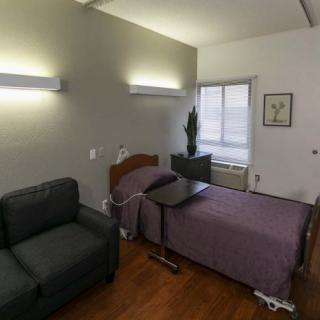
 Fully furnished
 Garden
 Housekeeping services
 Kitchenette
 Move-in coordination
 Outdoor space
 Restaurant-style dining
 Small library
 Telephone
 Wi-Fi/high-speed internet available
 Phoenix Sky Harbor International (7 miles away)
 24-hour call system
 Activities of daily living assistance
 Assistance with bathing
 Assistance with dressing
 Assistance with transfers
 Diabetes diet
 Medication management
 Mental wellness program
 Special dietary restrictions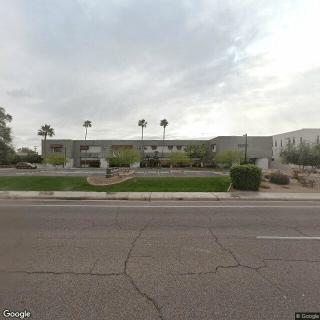




 When Dementia Sparks Anger and Aggression: Understanding the Connection and Ways to Cope
 Dementia Behaviors: In-Depth Understanding and Effective Coping Strategies
 5 Early Indicators of Dementia and What You Can Do