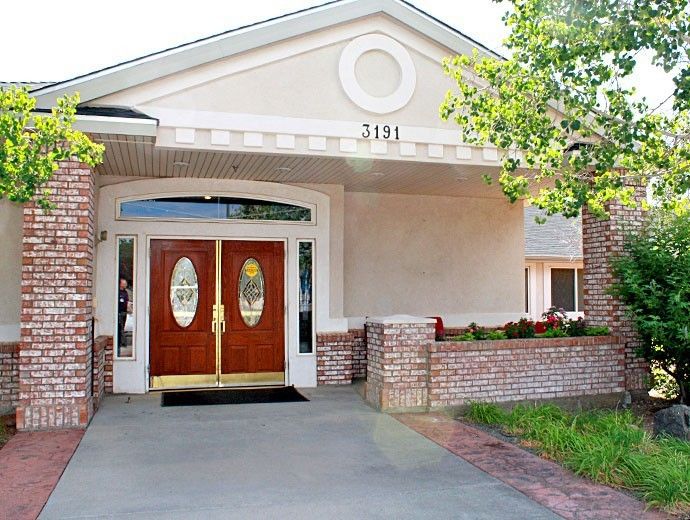
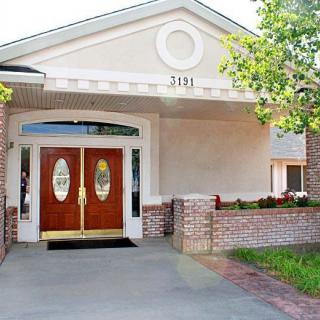




3191 Aster Drive, Prescott, AZ 86305
For more information about senior living options: (866) 208-4318
Willow Wind Residence Costs & Pricing
Willow Wind Residence offers a private room option at a monthly cost of $4,641, which reflects its premium amenities and personalized care services. When compared to the average costs in Yavapai County, which stands at $4,070 for similar accommodations, Willow Wind's pricing is slightly higher. This discrepancy highlights the added value and specialized offerings that residents may find beneficial. In contrast, the overall state average for private room costs in Arizona is significantly lower at $3,345, indicating that Willow Wind caters to a clientele seeking enhanced comforts and quality of life in their living arrangements. This positioning within the market suggests a commitment to providing exceptional care tailored to individual needs.
| Floor plans | Willow Wind Residence | Yavapai County | Arizona |
|---|---|---|---|
| Private | $4,641 | $4,070 | $3,345 |
Assisted Living communities with a similar price nearby
-
from +$359 / mo
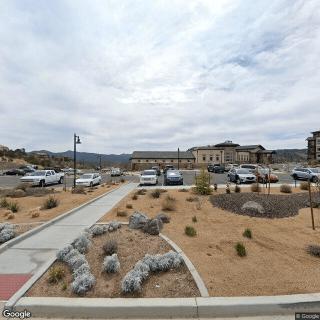
Touchmark at The Ranch Health and Fitness Club
$5,000 to $6,000 / month4.6 miles away
Overall Review of Willow Wind Residence
Pros
 The staff was awesome and the communications director was very good.
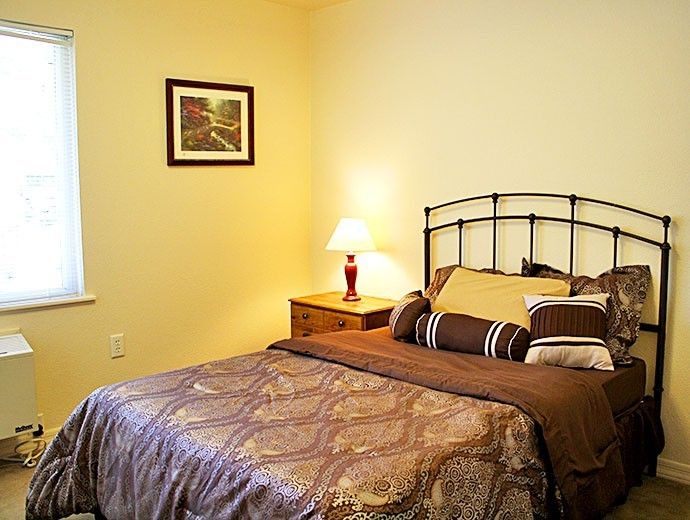
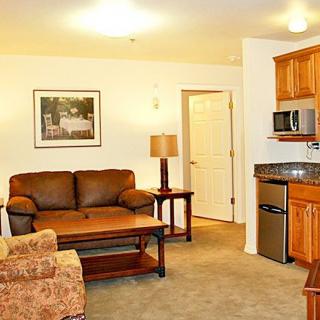
- The rooms were excellent and very nice.
- Willow Wind Residence was very clean, and the people there were friendly and helpful.
- The mother really liked the room.
- It is a beautiful assisted living facility.
- The staff was engaging and helpful.
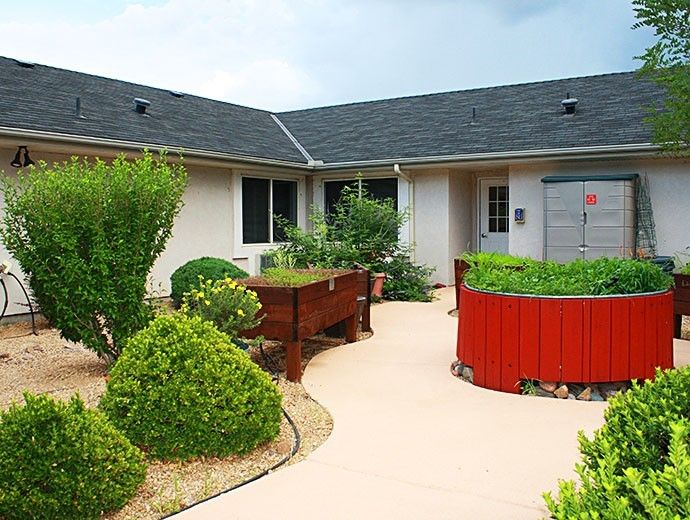
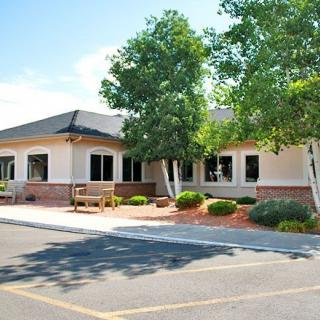
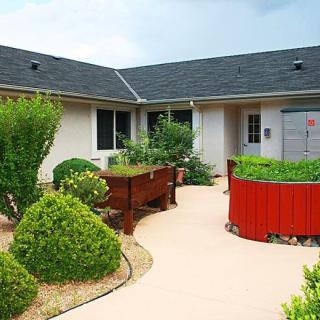
- The backyard offered safe, park-like spaces for seniors to enjoy, with tranquil trees and well-manicured lawns.
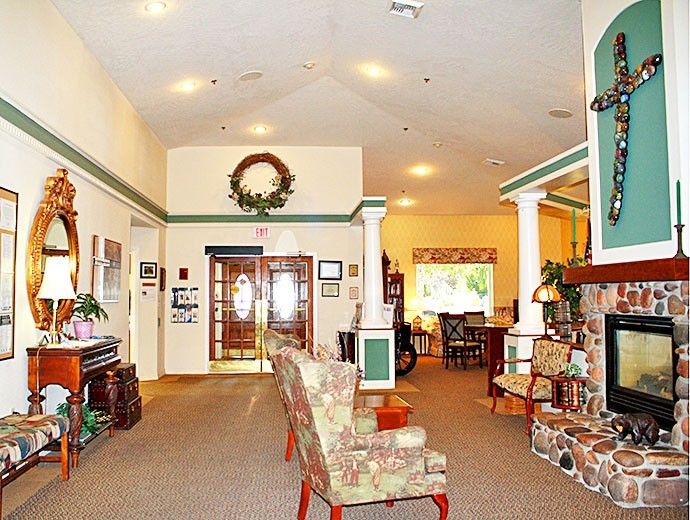
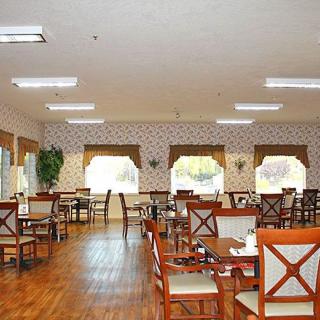
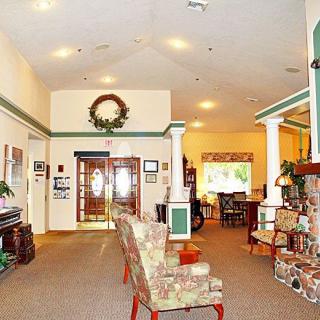
- The interior design was nicely ordered and easy to navigate, with rooms that had calming colors and plenty of light.
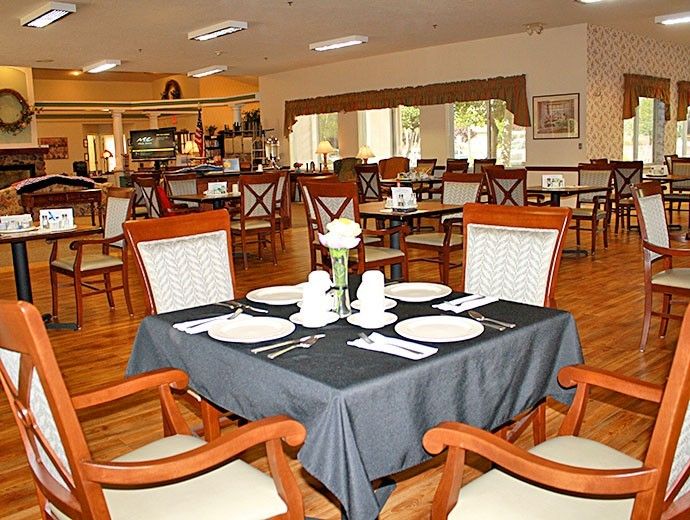
- The food looked and smelled delicious and was healthily prepared.
Cons
 The kitchen manager’s hiring of her entire crew allegedly created hostility, favoritism, and retaliation among staff.
- HR and management are described as sweeping concerns under the rug and prioritizing money over residents’ welfare.
- They had to stop working there due to blood pressure spikes and anxiety.
- Residents were allegedly put to the back burner, with notices issued for requesting carpet cleaning because of bugs and bites.
- The overall atmosphere was described as unprofessional, especially since the director was dating the HR representative and wouldn’t intervene.
- Mel and her kitchen crew were accused of driving the place toward collapse, with food quality deemed unfit for even a dog.
- The new ownership was criticized for mistreatment of residents, issuing 30-day notices to those who complained, and failing to meet basic medical and safety needs (e.g., not addressing emergencies properly).
- The staff, including the nurse and director, were portrayed as uncaring toward the elderly, with a closed-door policy and poor emergency response.
- At Willow Wind, housekeeping, apartment care, and laundry services were described as inadequate, leading to outsourcing parts of care.
Review
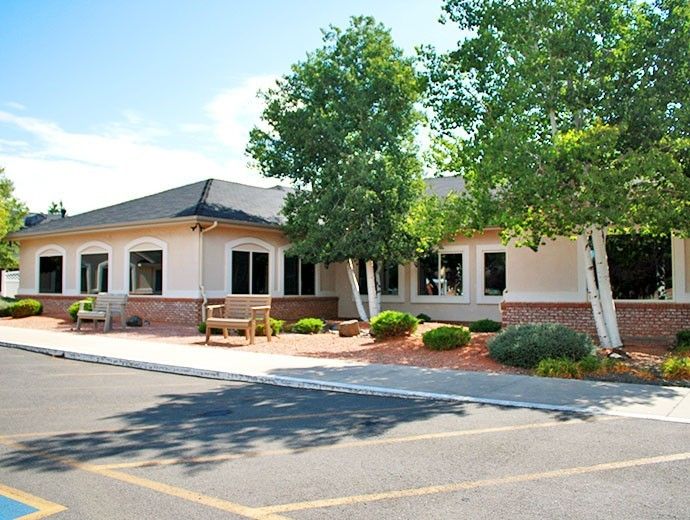
Willow Wind Residence in Prescott, AZ is best suited for seniors who want a lively, home-like assisted living environment on one level, with strong social programming and easy navigation through common spaces. It appeals to residents who appreciate a garden-forward campus, regular outings, church services, and a dining room that feels people-centric rather than clinical. For those who prioritize independence, daily activities, and a visible sense of community, this is a compelling match. However, this community is not ideal for individuals who require consistently stable leadership, rock-solid accountability, and impeccable housekeeping, or for families that demand absolute predictability from administration. In those cases, alternatives with steadier governance and stronger responsiveness should be explored.
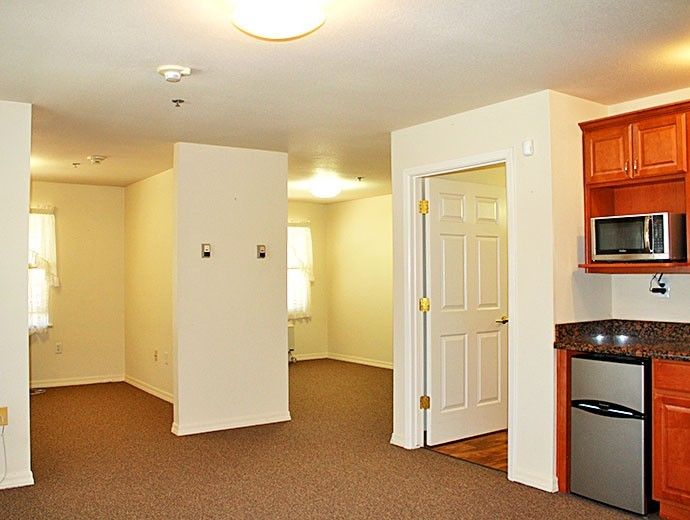
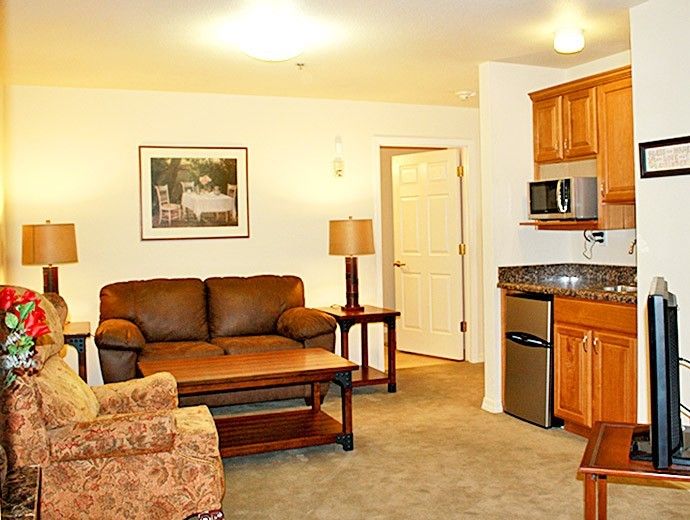
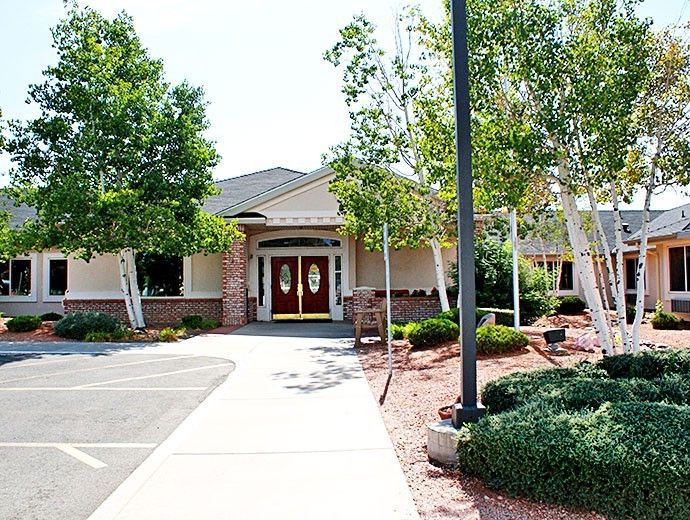
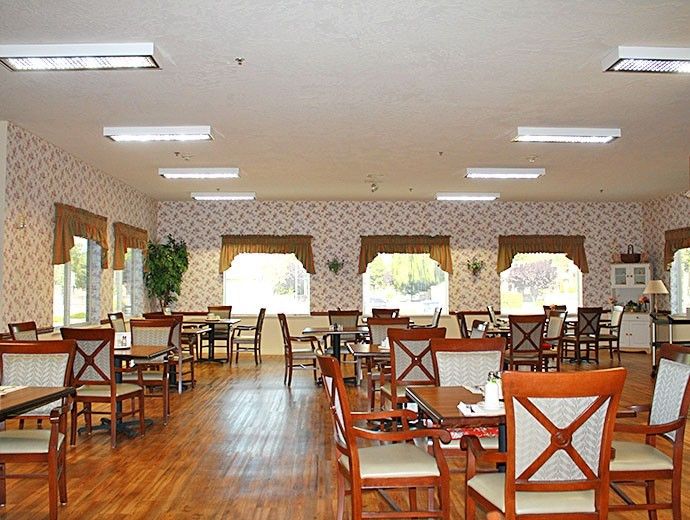
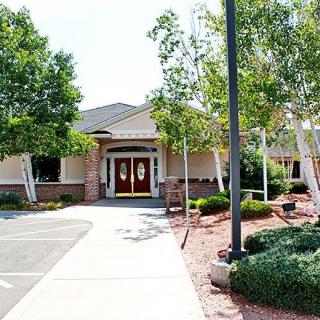
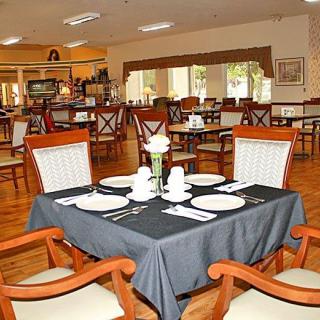
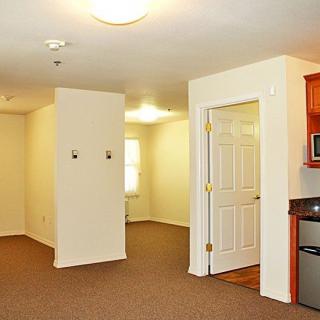
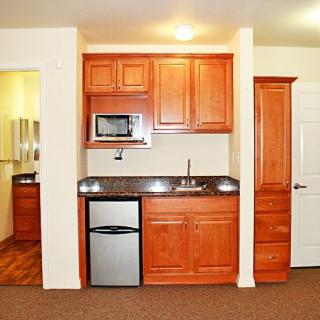
On the positive side, Willow Wind Residence offers a number of compelling, tangible strengths. The facility is repeatedly described as clean and well laid out, with a single-story design that makes navigation straightforward for residents with mobility limitations. Private rooms and bathrooms are designed to feel homelike, with views and safe features. The activity calendar is broad, including crafts, social events, nature outings, and garden time, which helps residents stay engaged and socially connected. The campus also supports a robust wellness culture with an exercise center and supervised classes, plus daily access to snacks, home-style meals, and multiple dining options that foster social dining experiences. That combination of environment, amenities, and staff engagement creates a meaningful quality-of-life foundation for many residents.
The biggest red flags center on leadership and day-to-day reliability. Several reviews describe a recent ownership or management shift, with troubling implications for residents who speak up or raise concerns. Reported issues include retaliation against residents who complain, 30-day lease terminations tied to advocacy, and a closed-door policy at the nursing station that can delay urgent medical attention. Food quality and portion sizes in some cases are criticized as well, alongside concerns about bugs in rooms and inconsistent housekeeping and laundry service. The tone of leadership has been questioned in high-stress moments, including how concerns are managed and whether staff feel supported to do their jobs. Taken together, these governance and operational dynamics cast a shadow over otherwise solid clinical capabilities.
Those strengths do not entirely offset the cons for every senior. The social environment and strong staff engagement can compensate somewhat for routine service gaps, but they cannot fully mitigate the risk of delayed medical response, abrupt moves, or a culture that discourages residents from speaking up. For residents with higher medical or cognitive needs, or for families who require transparent, reliable escalation paths and predictable staffing, the cons loom larger. The contrast between moments of genuine warmth and the perception of leadership-driven instability makes this a facility where the experience hinges significantly on the specific leadership team in place and the resident’s ability to advocate and secure clear answers.
Practical steps matter for families weighing Willow Wind against other options. A prospective resident should request a candid meeting with the administrator to understand ownership stability, recent changes, and the facility’s formal complaint-resolution process. Inspect the kitchen and dining operations during a meal to gauge consistency, taste, and portion size; speak with front-line staff about response times and scheduling; and ask to see recent maintenance logs for pest control and room cleanliness. Review the resident care plans for alignments with personal needs and verify that call systems and nurse availability meet expectations. Consider side-by-side comparisons with other Prescott-area communities that demonstrate stable governance and a proven track record in resident advocacy.
In conclusion, Willow Wind Residence delivers a genuinely engaging, comfortable living environment for active seniors who want meaningful social activity and a home-like atmosphere, provided leadership and operational stability are in place. It is well worth considering for families who can actively oversee concerns, demand transparency, and place high value on the community’s warmth and amenities. However, for residents requiring consistent medical oversight, rigorous housekeeping, and predictable governance, alternatives with steadier administration and fewer sightlines to potential retaliation or abrupt terminations should be pursued first. The decision should hinge on the importance placed on social fulfillment and homelike comfort versus the need for unwavering reliability in leadership and care.
 62 resident community capacity
 Active Adult Communities (55+)
 Assisted Living
 Independent Living
 Respite Care
 Activities on-site
 Air-conditioning
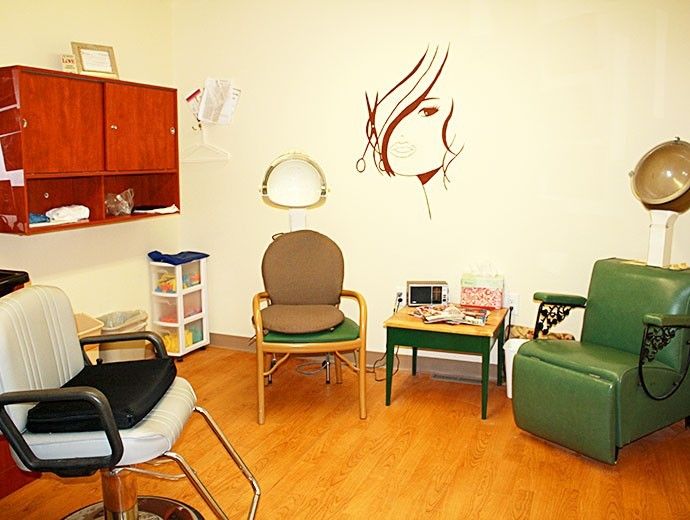
 Beauty salon
 Cable or satellite TV
 Computer center
 Devotional services off-site
 Dining room
 Fitness room
 Fully furnished
 Gaming room
 Garden
 Housekeeping services
 Indoor common areas
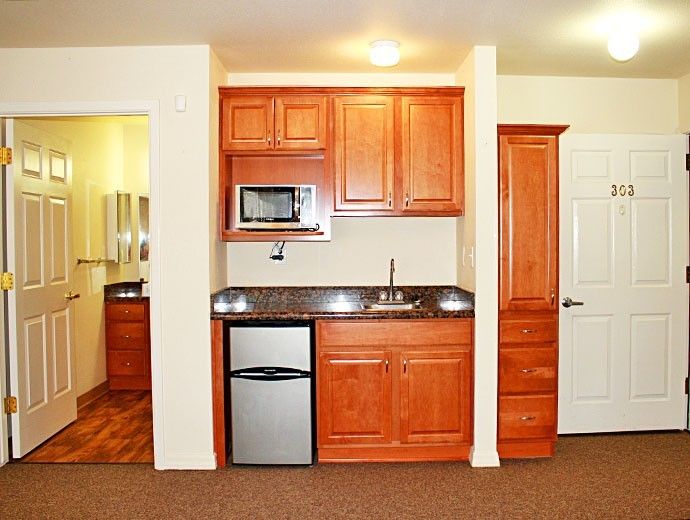
 Kitchenette
 Move-in coordination
 Outdoor space
 Private bathrooms
 Restaurant-style dining
 Small library
 Telephone
 Wellness center
 Wi-Fi/high-speed internet available
 Community operated transportation
 12-16 hour nursing
 24-hour call system
 Ambulatory care
 Assistance with bathing
 Assistance with dressing
 Assistance with transfers
 Diabetes diet
 Diabetic care
 Medication management
 Mental wellness program
 Special dietary restrictions
 Concierge services
 Planned day trips



 An Extensive Exploration of the VA Aid and Attendance Benefit
 Senior Transition Services: Understanding Their Role, Cost, and Importance
 Exploring the Path to Senior Living: A Comprehensive Look at Independent Living and Assisted Living