
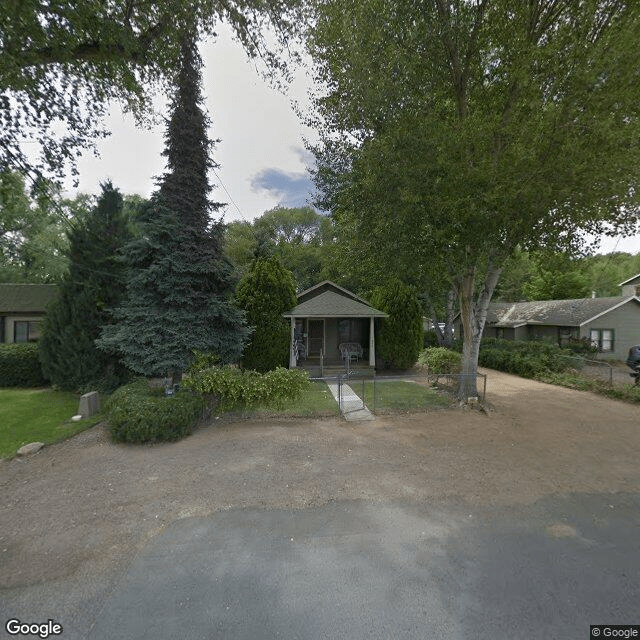
844 Sunset Ave., Prescott, AZ 86305
To contact a resident: (928) 771-2335
For more information about senior living options: (866) 208-4318

The Margaret T. Morris Center Costs & Pricing
The Margaret T. Morris Center presents a unique pricing structure for its residential services compared to both Yavapai County and the broader state of Arizona. For semi-private rooms, the monthly cost is $4,585, significantly higher than the county average of $2,930 and the state average of $2,820. Similarly, studio apartments at the center are priced at $7,100 per month, which again surpasses both local and state figures - $3,552 in Yavapai County and $3,829 across Arizona. These costs may reflect the comprehensive care and specialized services offered by The Margaret T. Morris Center, positioning it as a premium option within the region's senior living market.
| Floor plans | The Margaret T. Morris Center | Yavapai County | Arizona |
|---|---|---|---|
| Semi-Private | $4,585 | $2,930 | $2,820 |
| Studio | $7,100 | $3,552 | $3,829 |
Memory care communities with a similar price nearby
-
from +$415 / mo
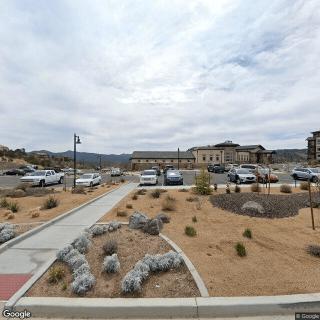
Touchmark at The Ranch Health and Fitness Club
$5,000 to $6,000 / month4.6 miles away
Overall Review of The Margaret T. Morris Center
Pros
 MTMC is regarded by families as the gold standard of memory care.
- MTMC is dementia-specific and nonprofit, centering services on residents’ needs.
- The center provides excellent care along with engaging activities, good food, socialization, and outdoor access.
- Families receive wonderful support, including caregiver support groups online every other week.
- MTMC has long-tenured, dedicated staff and management.
- The staff—from the Director of Nursing to front desk and housekeeping—are friendly, welcoming, and easy to talk to.
- The facility handled COVID guidelines excellently, keeping residents safe, and activities have resumed.
- The environment is calm and soothing, featuring a beautiful garden and accommodating visiting policies, including pet visits.
Cons
 The sister was not treated well at the facility.
- The facility was very short-staffed.
- Often the sister could not be located.
- She suffered anxiety, likely due to unmet needs.
- She was overmedicated.
- The mother was overly medicated, with drastic changes in one week, which was unacceptable.
- MTMC was described as ready to kick a patient out very quickly, even when a medication change would have sufficed.
- The reviewer advised others to find another place.
Review
Margaret T. Morris Center in Prescott is best suited for seniors living with memory impairment who need highly specialized, dementia-focused care offered in a nonprofit setting. Families chasing continuity of care will value the campus design, dividing residents into four neighborhoods by level of ability and moving residents as disease progresses, to minimize confusion and preserve dignity. The center’s largest strengths lie in its long-tenured staff and management, with caregivers and nurses who have spent years at MTMC, some approaching thirty years on site. The nonprofit structure matters here: decisions are framed around residents’ needs rather than profit, translating into program rationales that emphasize safety, meaningful activity, and social connection over cost-cutting. The experience of families who moved a loved one from another state to Prescott to be closer to kin underscores MTMC’s draw: a memory-care specialist that feels dedicated and stable, not transactional.
Alternatives are worth considering for residents whose needs exceed standard dementia care, where the focus includes broader medical complexity or less predictable behavior. The reviews reveal a split in experience: while many families praise the staff's attentiveness and the warm culture, others report times of under-staffing and anxiety among residents, with at least one case of overmedication and a sense of being discharged quickly. For couples or individuals requiring frequent medical interventions, or for families who prize absolute consistency across all shifts, MTMC’s strengths could be offset by episodic staffing gaps. Those seeking a larger corporate memory-care network with standardized metrics or facilities with more aggressive medical oversight may prefer alternatives. The decision should weigh the center’s deep-dive dementia program against the risks raised by staffing variability in peak times.
On balance, the core advantages of MTMC, dementia specialization, neighborhood-based organization, and a heritage of stable staff, tend to offset the most worrisome drawbacks. The four-floor, four-neighborhood model allows residents to stay among peers with similar cognitive levels, reducing distress and enabling staff to tailor activities and routines to ability. Long-tenured employees bring diligence, familiarity, and proactive care planning that families describe as a relief. The nonprofit status reinforces resident-first priorities, enabling services often trimmed in for-profit settings. Amenities like garden spaces, outdoor access, pet-friendly visits, and a steady cadence of activities create daily structure that supports mood, sleep, and engagement, which in turn reduces agitation and elopement risk common in dementia care. The care team’s accessibility, evidenced by a Nursing Director who knows residents and can be reached, amplifies safety and trust for families, which is a decisive offset to occasional staffing fluctuations.
Still, no facility is without friction. The criticisms that surface most often center on staffing shortages during busy periods and occasional medication-management concerns. When staff are scarce, it’s harder to locate a resident or provide the constant supervision that memory care requires, and that is a real risk signal for families evaluating MTMC. Reports of overmedication in a couple of cases should be weighed against the center’s overall diagnostic and monitoring framework: the dementia-focused approach makes it easier to manage symptoms without resorting to sedatives, but outliers can occur in any setting. The mention of quick discharges or being asked to consider other placements adds a caution flag: this is a place that can do right by residents, but it requires engaged families who stay aligned with clinicians and care plans. The balance hinges on how consistently staffing levels align with the intensity of residents’ needs.
Prospective families should visit with specific questions about daily staffing ratios on each shift, the process for adjusting medications tied to cognitive decline or behavioral symptoms, and the method for relocating residents within the four neighborhoods as needs change. Inquire about the Nursing Director’s accessibility, the availability of caregiver support resources, and opportunities for family involvement in care planning. A tour that features the garden, the dining atmosphere, and the activity calendar will reveal whether the promised sense of community translates into everyday life. Listen for firsthand stories about social engagement, pet visits, and transportation services, the presence of these elements often predicts sustained quality of life even as memory care progresses. The center’s nonprofit identity and long-standing staff should be material considerations, not afterthoughts.
For families prioritizing dementia-focused care delivered in a nonprofit, resident-centric environment, Margaret T. Morris Center stands as a top contender in Prescott. Its structured neighborhood model, long-tenured staff, and robust social program create a credible path to stability and dignity for a loved one with memory loss. However, potential buyers should enter with eyes open about staffing consistency and the possibility of medication-management challenges, and be prepared to partner closely with leadership to ensure alignment with care plans. Alternatives may be more appropriate for residents who require broader medical oversight, more uniform staffing across shifts, or a facility with less reliance on a single campus culture. In the end, MTMC offers a compelling combination of specialized care, stability, and community that many families will value as they navigate the memory-care journey.
 Memory Care



 Delving into the Inner World of Dementia: Insights into Thoughts and Awareness
 Five Subtle Dementia Indicators to Observe: An In-Depth Guide to Understanding “Does My Mom Have Dementia?”
 Dementia, Paranoia, and Caregiver Guidance: Understanding the Connection