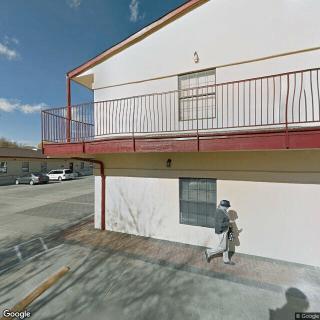
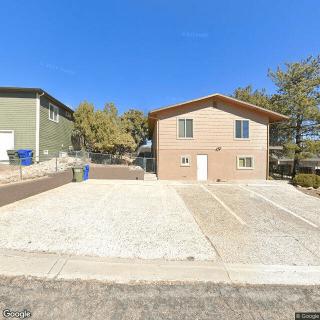
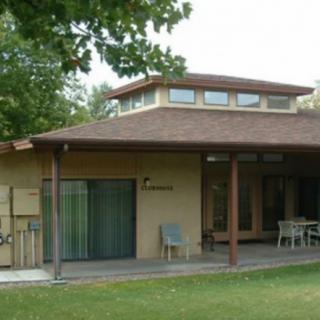
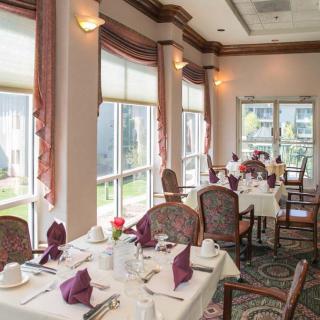
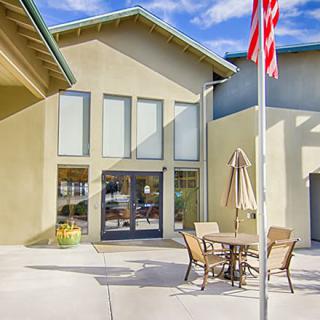
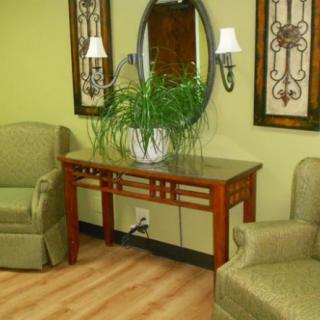
Prescott Nursing And Rehabilitation Center in Prescott, AZ

Save

Prescott Nursing And Rehabilitation Center in Prescott, AZ

864 Dougherty Street, Prescott, AZ 86305

For more information about senior living options: (844) 490-3973

4.8 from 100 reviews
5 stars
91
4 stars
5
3 stars
2
2 stars
0
1 stars
2

Assisted Living Skilled Nursing Facility

Overall Review of Prescott Nursing And Rehabilitation Center

Pros

  • pro Juan Contreras is consistently described as an outstanding CNA, always attentive and professional in helping patients recover.
  • pro Jasmine coordinates discharge with dedication, guiding families through insurance, doctors, and home health.
  • pro Jazmin in social services is instrumental in advocating for patients and managing Medicare benefits and discharge planning.
  • pro Tennell, Anna, Ryan, and the nursing team provide kind, thorough care that helps patients learn to go home.
  • pro The Haven Health staff are praised for being caring, attentive, and making residents feel like family.
  • pro Arthur Cummings is described as exceptional, thorough, and supportive to families during care planning.
  • pro The therapy team is excellent, with therapists helping patients regain function and navigate discharge.
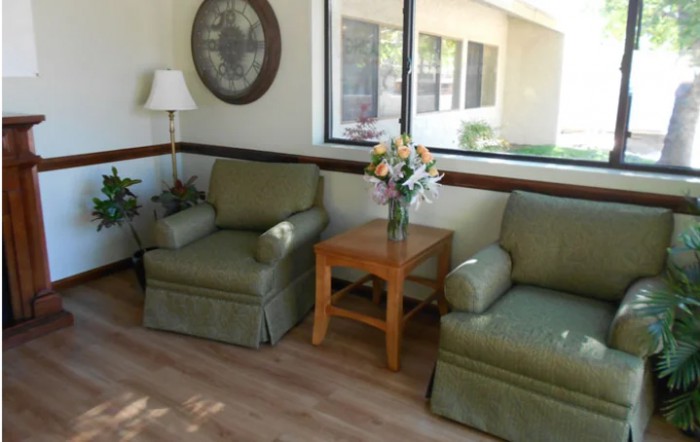
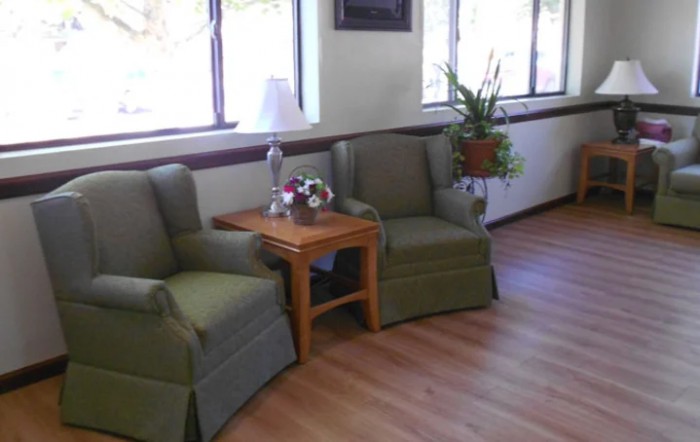
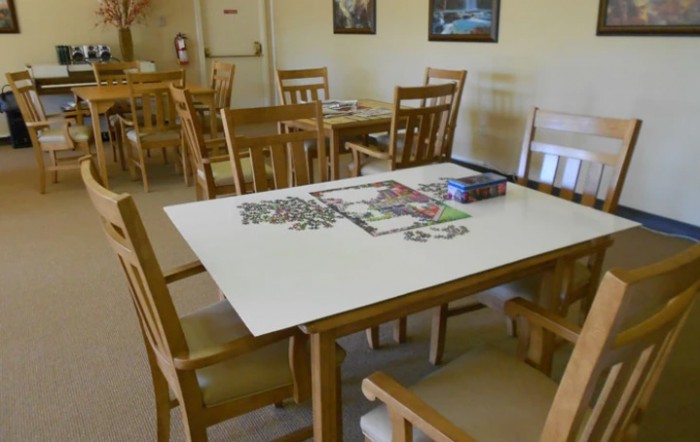
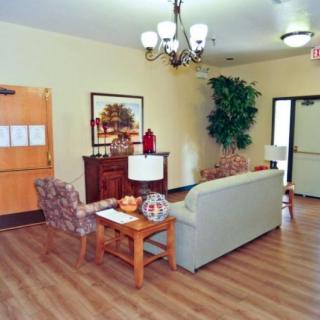
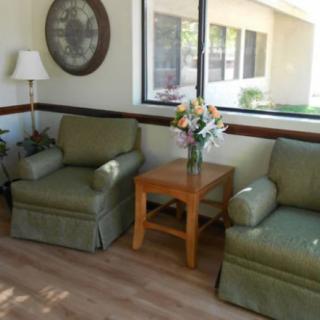
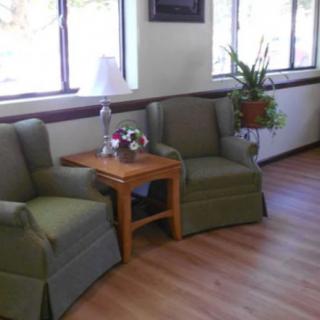
  • pro The facility is clean, well-maintained, and offers a cheerful, welcoming environment that supports recovery.

Cons

  • pro A reviewer stated that the care was very poor, with treatment repeatedly late, medications not given for three days, and little doctor contact.
  • pro A commenter claimed that the facility is "all about money" and doesn't care about patients, doubting the authenticity of the five-star reviews.
  • pro Another person described Haven as a "sorry place" due to delays in treatment and lack of responsiveness.

Review

This Prescott facility is best suited for seniors who are recovering from a hospital stay and need focused rehabilitation with a clear pathway back home, supported by a team that coordinates medical care, therapy, and discharge planning. The reviews consistently flag a home-like atmosphere where therapy, nursing support, and social work collide to move residents toward independence. A strong thread runs through the feedback: residents recover more quickly and feel accountable care is happening when Juan Contreras, a CNA, and the therapy and social work teams are on the scene, guiding daily progress and building confidence for discharge. Families facing a rehab-to-home transition will find value in the streamlined communication and hands-on support that permeates the care plan.

Those weighing alternatives should consider whether the primary need is ongoing, high-intensity medical oversight or specialized memory care. If 24/7 acute medical management or dementia-specific programming is paramount, some families may prefer a facility with a different clinical balance or a larger campus. A minority of reviewers express concern about emphasis on paperwork or cost navigation, suggesting that in rare cases the administrative dimension can eclipse moment-to-moment care. In such scenarios, it makes sense to compare with other SNFs that market differently, even while recognizing that Haven Prescott consistently delivers compassionate, capable frontline care.

On the positive side, the staff core is extraordinary in practice. Juan Contreras and other CNAs are repeatedly described as remarkably responsive, uplifting, and genuinely caring, with a knack for anticipating needs and keeping spirits high. Nursing and therapy teams are widely praised for thorough, patient-centered care that translates into meaningful recovery gains. Social workers like Jazmin and Jasmine stand out for guiding families through insurance, benefits, and discharge logistics, turning what can be a maze into a manageable plan. The facility's cleanliness, modern amenities, and reliable food quality reinforce the sense that recovery happens in a well cared-for environment.

Where the strongest pros meet potential cons, the offset is practical and direct. The most cited drawbacks revolve around occasional delays in service or communication gaps around urgent needs, such as timely treatments. Yet the consistent response to such concerns is a robust support network: therapists who secure equipment for discharge, social workers who choreograph post-discharge services, and a leadership team that stays tightly aligned with family questions. The overarching pattern is that any slowdowns are counterbalanced by proactive problem-solving, transparent discharge planning, and an unwavering commitment to getting residents home with health intact. In short, the positives - competent care, accessible therapy, and a family-centered approach - usually prevail over the rare hiccup.

This facility is an especially strong match for families prioritizing rehab outcomes and a seamless transition plan. It suits retirees who want a "home away from home" vibe during therapy, with daily encouragement from a well-regarded CNA corps and a therapy staff that pushes toward functional independence. It also serves those seeking strong advocacy in social services to navigate Medicare, ALTCS, and postoperative home-health arrangements. If memory care or ultra-low-cost options are the deciding factors, or if the sole criterion is 24-hour medical intensity without the emphasis on discharge planning, careful comparison is warranted. Otherwise, Haven Prescott is a compelling choice for recovery that aspires to restore independence.

Practical next steps are straightforward. Schedule a tour and request to meet the care team, especially the CNAs who will be on the front lines and the social workers who will steer the discharge plan. Ask for a sample therapy plan and a realistic timeline for goals toward home, and verify how insurance and benefit coordination will be handled day to day. Don't miss talking to Jazmin about post-acute services and home-care connections, and probe the BOM, Arthur, about care-coordination logistics and transparency on costs. For families prioritizing compassionate rehab with a clear, supported path back home, Haven Health Prescott stands out as a decisive, well-founded option.

Features

Housing

  • 64 resident community capacity 64 resident community capacity

Types of Care

  • Assisted Living Assisted LivingAssisted living facilities provide crucial support and care for seniors who may need help with daily tasks such as medication management, bathing, and meal preparation. These communities offer a safe and comfortable environment where seniors can maintain their independence while receiving the assistance they need to thrive in their golden years.
  • Skilled Nursing Facility Skilled Nursing FacilitySkilled Nursing Facilities are crucial for seniors as they provide round-the-clock medical care, rehabilitation services, and assistance with daily activities. These facilities ensure that seniors receive the specialized care they need to maintain their health and well-being as they age.

Amenities

  • Air-conditioning Air-conditioningAir conditioning is important for seniors as they are more vulnerable to heat-related illnesses and may have underlying health conditions that make it difficult for them to regulate their body temperature. It helps to keep them comfortable, safe, and healthy in hot weather.
  • Beauty salon Beauty salonBeauty salons are important for seniors because they provide a space for them to feel pampered, socialize, and maintain their personal grooming and hygiene. Regular visits to a beauty salon can help boost seniors' self-esteem and overall well-being.
  • Cable or satellite TV Cable or satellite TVCable or satellite TV is important for seniors because it provides entertainment, news, and companionship, helping to combat loneliness and boredom. It also offers a wide range of programming options tailored to different interests and preferences.
  • Computer center Computer centerA computer center is essential for seniors as it provides access to technology, communication tools, and resources that can enhance their daily lives. It allows them to stay connected with loved ones, engage in online activities, and learn new skills, ultimately promoting socialization and mental stimulation.
  • Dining room Dining roomDining rooms are important for seniors as they provide a space for socialization, connection, and nutritious meals. They offer opportunities for residents to bond over shared meals, foster a sense of community, and promote healthy eating habits. Dining rooms also ensure that seniors have access to well-balanced meals tailored to their dietary needs and preferences.
  • Fitness room Fitness roomHaving a fitness room in a senior living community is essential for seniors to stay active, maintain their physical health, and improve their overall well-being. Regular exercise can help prevent falls, reduce the risk of chronic diseases, and promote mental sharpness. It also provides social opportunities for residents to connect with others and enjoy a sense of community.
  • Fully furnished Fully furnishedFully furnished senior living communities are important for seniors because they provide convenience, comfort, and a hassle-free moving experience. Seniors can easily settle into their new living space without the stress of having to buy and move furniture. This allows them to focus on enjoying their new home and community.
  • Gaming room Gaming roomGaming rooms are important for seniors as they provide a fun and engaging environment for socializing, cognitive stimulation, and physical activity. Games can improve memory, problem-solving skills, and overall mental well-being while fostering friendships and reducing feelings of isolation.
  • Garden GardenGardens are important for seniors as they provide a peaceful and therapeutic environment for relaxation, physical activity, and socialization. Being in nature has been shown to reduce stress, improve mood, and promote overall well-being. Gardens also offer opportunities for seniors to engage in gardening activities, which can improve mobility, flexibility, and cognitive function. Additionally, gardens create a sense of community and connection with others who share a passion for plants and outdoor spaces.
  • Housekeeping services Housekeeping servicesHousekeeping services are important for seniors because they help maintain a clean and safe living environment, promote independence, and reduce the risk of accidents or illnesses. Additionally, having assistance with household chores can alleviate physical strain and allow seniors to focus on other aspects of their well-being.
  • Kitchenette KitchenetteKitchenettes are important for seniors living in senior living communities because they provide the convenience and independence of being able to prepare simple meals and snacks in the comfort of their own living space. This can help promote a sense of autonomy and well-being for seniors, allowing them to maintain some level of control over their dietary choices and daily routines.
  • Move-in coordination Move-in coordinationMove-in coordination is important for seniors because it helps ease the transition into their new living environment. It ensures that all logistics, such as packing, organizing movers, and setting up utilities are taken care of, allowing seniors to focus on settling in and adjusting to their new home. Having a smooth move-in process can alleviate stress and anxiety, making the transition smoother and more enjoyable for seniors.
  • Outdoor space Outdoor spaceOutdoor spaces are important for seniors as they provide opportunities for physical activity, social interaction, exposure to natural light and fresh air, and a sense of connection to nature. Having access to outdoor spaces can improve overall well-being and quality of life for older adults living in senior communities.
  • Private bathrooms Private bathroomsPrivate bathrooms are important for seniors in senior living communities because they provide independence, dignity, and comfort. Having a private bathroom allows seniors to maintain their personal hygiene routines without the need for assistance, promoting a sense of autonomy and privacy. Additionally, private bathrooms help prevent the spread of infections and provide a safe and clean environment for seniors to navigate safely.
  • Restaurant-style dining Restaurant-style diningRestaurant-style dining is important for seniors because it allows them to enjoy delicious, nutritious meals in a social and upscale setting. This enhances their dining experience, promotes healthy eating habits, and fosters socialization with fellow residents, ultimately contributing to their overall well-being and quality of life.
  • Small library Small librarySmall libraries are important for seniors as they provide access to a variety of reading materials, including books, newspapers, and magazines. This can help stimulate their minds, keep them engaged, and provide a sense of community through book clubs and other social activities. Additionally, reading has been shown to improve cognitive function and overall mental well-being in older adults.
  • Telephone TelephoneTelephones are important for seniors as they provide a lifeline for communication with loved ones, emergency services, and healthcare providers. They offer a sense of security and independence, enabling seniors to stay connected and access assistance when needed.
  • Wellness center Wellness centerWellness centers are important for seniors because they offer a variety of programs and services that promote physical, mental, and emotional well-being. These centers provide opportunities for exercise, socialization, education, and relaxation, helping seniors maintain their overall health and quality of life.
  • Wi-Fi/high-speed internet available Wi-Fi/high-speed internet availableWi-Fi/high-speed internet is important for seniors to stay connected with loved ones, access online resources, and participate in virtual activities to combat feelings of loneliness and isolation. It also allows them to easily manage healthcare needs, access entertainment, and engage in lifelong learning opportunities.

Transportation

  • Community operated transportation Community operated transportationCommunity operated transportation is crucial for seniors as it provides them with the means to access essential services, social activities, and medical appointments. It allows seniors to maintain their independence and quality of life by ensuring they can participate in activities outside of their homes. Additionally, community-operated transportation services offer a safe and reliable way for seniors to travel without having to rely on family or friends for assistance.
  • Transportation arrangement Transportation arrangementTransportation arrangements are crucial for seniors as they may face challenges with driving, mobility, or access to public transportation. Having reliable transportation services ensures that seniors can easily attend appointments, social activities, and maintain their independence and quality of life.

Care Services

  • 24-hour call system 24-hour call system24-hour call systems are important for seniors because they provide peace of mind and immediate assistance in case of emergencies. This technology ensures that help is always available, promoting safety and security for elderly individuals living alone or in assisted living facilities.
  • 24-hour supervision 24-hour supervision24-hour supervision is important for seniors to ensure their safety, well-being, and access to immediate assistance in case of emergencies or health issues. This constant support provides peace of mind for both seniors and their loved ones, allowing them to age in place with dignity and security.
  • Activities of daily living assistance Activities of daily living assistanceActivities of daily living assistance are important for seniors because they provide essential support with tasks such as eating, bathing, dressing, and mobility. This assistance helps seniors maintain their independence, dignity, and overall quality of life as they age.
  • Assistance with bathing Assistance with bathingAssistance with bathing is crucial for seniors as it helps maintain personal hygiene, prevents infections, and ensures their overall well-being and comfort. It also provides a sense of dignity and independence for seniors who may struggle with this task on their own.
  • Assistance with dressing Assistance with dressingAssistance with dressing is important for seniors because it helps maintain their independence, promotes personal hygiene, prevents accidents and injuries, and improves overall quality of life. This service ensures that seniors can continue to dress comfortably and confidently, despite any physical limitations they may have.
  • Assistance with transfers Assistance with transfersAssistance with transfers is crucial for seniors as it helps prevent falls and injuries, maintains their independence, and ensures they can safely navigate their living environment. It also provides peace of mind for both seniors and their loved ones.
  • Diabetes diet Diabetes dietA diabetes diet is crucial for seniors as it helps manage blood sugar levels, reduce risks of complications, and improve overall health and well-being. By following a balanced and nutritious diet tailored to their specific needs, seniors can better control their diabetes and enhance their quality of life.
  • Meal preparation and service Meal preparation and serviceMeal preparation and service are crucial for seniors as they may have limited mobility or energy to cook nutritious meals. Having access to healthy and convenient food options can ensure they are getting the proper nutrition needed to maintain their overall health and well-being.
  • Medication management Medication managementMedication management is crucial for seniors to ensure they are taking the right medications at the correct dosages and times. This helps prevent adverse drug interactions, reduces the risk of medication errors, and promotes overall health and well-being. Proactive management also allows for adjustments as needed based on changing health conditions or new prescriptions.
  • Special dietary restrictions Special dietary restrictionsSpecial dietary restrictions are important for seniors because age-related changes in metabolism and health conditions can make it difficult for their bodies to process certain foods. By following a diet tailored to their specific needs, seniors can maintain their overall health and well-being, manage chronic conditions, and reduce the risk of complications such as malnutrition or food interactions with medications.

Dining

  • Diabetes diet Diabetes dietA diabetes diet is crucial for seniors as it helps manage blood sugar levels, reduce risks of complications, and improve overall health and well-being. By following a balanced and nutritious diet tailored to their specific needs, seniors can better control their diabetes and enhance their quality of life.
  • Special dietary restrictions Special dietary restrictionsSpecial dietary restrictions are important for seniors because age-related changes in metabolism and health conditions can make it difficult for their bodies to process certain foods. By following a diet tailored to their specific needs, seniors can maintain their overall health and well-being, manage chronic conditions, and reduce the risk of complications such as malnutrition or food interactions with medications.

Activities

  • Community-sponsored activities Community-sponsored activitiesCommunity-sponsored activities are important for seniors as they provide opportunities for social interaction, mental stimulation, and physical activity. These activities can help improve overall well-being, combat loneliness and isolation, and promote a sense of belonging and purpose among older adults.
  • Concierge services Concierge servicesConcierge services are essential for seniors as they provide assistance with daily tasks and errands, enhance their quality of life by offering convenience and personalized care, and promote a sense of safety and security.
  • Fitness programs Fitness programsFitness programs are crucial for seniors as they help improve strength, flexibility, balance, and overall well-being. Staying active can reduce the risk of chronic diseases, improve mental health, and enhance quality of life in older adults.
  • Planned day trips Planned day tripsPlanned day trips are important for seniors because they offer opportunities for socialization, mental stimulation, and physical activity. They provide a change of scenery and help seniors stay engaged and connected to their community, promoting overall well-being and quality of life.
  • Resident-run activities Resident-run activitiesResident-run activities are important for seniors as they encourage social interaction, creativity, and a sense of autonomy. These activities empower seniors to stay engaged and active in their community while fostering meaningful connections with their peers.
  • Scheduled daily activities Scheduled daily activitiesScheduled daily activities are important for seniors because they provide structure, socialization, mental stimulation, and physical activity. Engaging in regular activities can improve overall well-being and quality of life for seniors living in a community setting.

Description

Prescott Nursing And Rehabilitation Center in Prescott, AZ is a skilled nursing facility that offers a range of care services to meet the needs of its residents. The community provides 24-hour supervision and assistance with activities of daily living such as bathing, dressing, and transfers. Medication management is also available to ensure residents receive their prescribed medications on time.

Residents at Prescott Nursing And Rehabilitation Center can enjoy a variety of amenities designed to enhance their comfort and well-being. A beauty salon is available for grooming needs, and there is cable or satellite TV for entertainment. Community operated transportation is provided for easy access to nearby locations, and a computer center allows residents to stay connected with loved ones. The dining room offers restaurant-style dining with special dietary restrictions taken into consideration. Housekeeping services are provided to maintain cleanliness within the community.

To promote an active lifestyle, Prescott Nursing And Rehabilitation Center offers various activities for its residents. Concierge services are available to assist with any requests or needs, while fitness programs help residents stay physically fit. Planned day trips provide opportunities for exploration and socialization, and there are resident-run activities organized by the community members themselves. Scheduled daily activities ensure that there is always something engaging for residents to participate in.

The surrounding area of Prescott Nursing And Rehabilitation Center also offers convenience and accessibility. There are six cafes, two parks, twelve pharmacies, thirty-seven physicians, thirty-five restaurants, one transportation service, three places of worship, one theater nearby for residents' convenience. Additionally, three hospitals are located close by in case of any medical emergencies.

Overall, Prescott Nursing And Rehabilitation Center provides a comprehensive assisted living experience with various care services and amenities to cater to the needs of its residents while offering opportunities for engagement and convenience in the surrounding area.

Nearby Places of Interest

Physicians

  • Medwise (0.1 miles)
  • SimonMed Imaging (0.1 miles)
  • Prescott Cardiac Diagnostics (0.2 miles)
  • Derek Hewitt MD (0.3 miles)
  • Tomar Pain Centers (0.3 miles)
  • Ona, Enrique Dr - YRMC PhysicianCare Family Medicine (0.4 miles)
  • Prescott Plastic Surgery (0.4 miles)

Pharmacies

  • Jayson Robertson, PharmD (0.3 miles)
  • Altius Healthcare (0.3 miles)
  • Goodwins Compound Pharmacy (0.4 miles)
  • CVS Pharmacy (0.7 miles)
  • Green Tree Pharmacy (0.7 miles)
  • Fresh Vitamins (1.3 miles)
  • Walgreens (1.3 miles)

Restaurants

  • Spicy Streats *El Pinguino (0.4 miles)
  • Taco Bell (0.4 miles)
  • Jersey Mike's (0.5 miles)
  • Little Caesars Pizza (0.5 miles)
  • Denny's (0.5 miles)
  • Lindo Mexico Restaurant (0.6 miles)
  • McDonald's (0.7 miles)

Hospitals

  • Yavapai Regional Medical Center ER (0.5 miles)
  • Leaving Yavapai Regional Medical Center (1.1 miles)
  • US Veterans Medical Center (2 miles)

Cafes

  • Starbucks (0.5 miles)
  • Wild Iris Coffee House (1.4 miles)
  • Raven Cafe (1.4 miles)
  • Lone Spur Cafe (1.5 miles)
  • Frannie's (1.5 miles)
  • Starbucks (3.2 miles)

Parks

  • Acker Park (0.7 miles)
  • Courthouse Square (1.5 miles)

Places of Worship

  • Arizona Church Conference Center-Chapel Rock (1.6 miles)
  • Unity Church of Prescott (2 miles)
  • Prescott Christian Church (2.2 miles)

Theaters

  • Picture Show (3 miles)

Transportation

  • U-Haul Moving & Storage (3.4 miles)

Frequently Asked Questions

Where is Prescott Nursing And Rehabilitation Center?
What photos are available for Prescott Nursing And Rehabilitation Center in Prescott, Arizona?

Nearby Communities

  • Boulder Gardens Assisted Living

    Boulder Gardens Assisted Living

    Prescott, AZ

    3.8 from 6 reviews
    $1,597 to $2,215 / month

    pro High-quality, attentive care in a clean, engaging community.
  • Margaret T Morris Center

    Margaret T Morris Center

    Prescott, AZ

    4.4 from 15 reviews
     

    pro Compassionate, memory-care focused staff with engaging activities.

  • The Margaret T. Morris Center

    The Margaret T. Morris Center

    Prescott, AZ

    4.5 from 17 reviews
    $4,585 to $7,100 / month

    pro Memory-care specialization with dedicated, caring staff and a positive atmosphere.

  • Helping Hands In-Home Care

    Helping Hands In-Home Care

    Prescott, AZ

    4.4 from 14 reviews
     

    pro Fast response, flexible meeting scheduling, and professional caregivers.

  • Option Care Of Arizona

    Option Care Of Arizona

    Prescott, AZ


    pro Convenient access to healthcare, dining, parks, and other amenities.

  • Nepsky Consulting & Rsdntl Svc

    Nepsky Consulting & Rsdntl Svc

    Prescott, AZ

    4.4 from 42 reviews
     

    pro Extensive nearby healthcare and lifestyle amenities (hospitals, pharmacies, physicians, restaurants, parks, and places of worship).

  • Good Samaritan Society - Prescott Village

    Good Samaritan Society - Prescott Village

    Prescott, AZ

    4 from 19 reviews
     

    pro Engaging activities with friendly, accommodating staff and comfortable casitas.

  • Las Fuentes Resort Village

    Las Fuentes Resort Village

    Prescott, AZ

    4.6 from 49 reviews
    $2,620 to $4,085 / month

    pro Beautiful grounds, spacious apartments, and a friendly, responsive staff with a strong activities and dining program.

  • Evergreen Village Prescott

    Evergreen Village Prescott

    Prescott, AZ

    4.3 from 81 reviews
    $2,100 to $3,800 / month

    pro Friendly, caring staff in a clean, active community with competitive pricing for the area.

Related Resources

  • active senior livingVibrant Senior Living: A Comprehensive Guide for Active Older Adults

    Vibrant Senior Living emphasizes active senior living communities that promote independence and engagement through diverse amenities and activities, fostering wellness and social interaction among older adults. These communities range from independent to assisted living, with a focus on personal growth, family involvement, financial planning, and leveraging technology to enhance residents' experiences.

  • when to move from assisted living to memory careWhen to Transition from Assisted Living to Memory Care: Key Indicators, Steps, and Finding the Right Community

    Transitioning from assisted living to memory care is driven by an individual's cognitive decline and specific needs, requiring careful evaluation of indicators like increased confusion and wandering. The process involves consulting medical professionals, researching suitable communities, considering financial and legal aspects, and ensuring effective communication for personalized care plans.

  • assisted living vs memory careAssisted Living and Memory Care: Understanding Their Core Differences
    Assisted living provides moderate support for seniors seeking independence, while memory care offers specialized support for individuals with dementia or cognitive impairments through structured routines and trained staff. Key differences include care approaches, environment security measures, staff training levels, activity types, and cost considerations.