
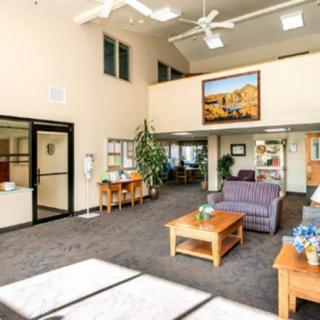
1030 Scott Drive, Prescott, AZ 86301
For more information about senior living options: (866) 208-4318
Overall Review of Good Samaritan Society - Prescott Village
Pros
 The staff are extremely caring and attentive to residents' needs.
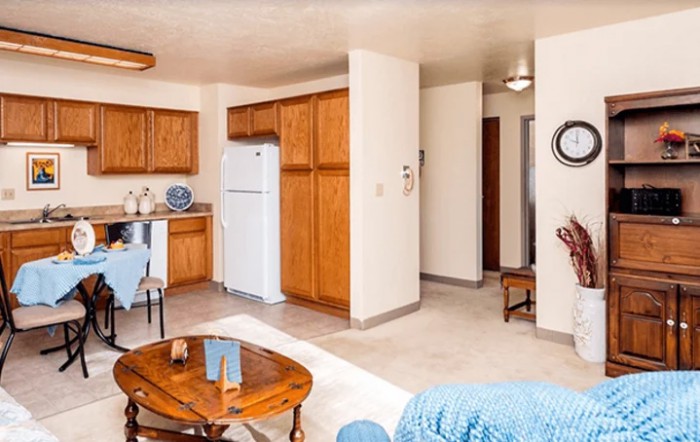
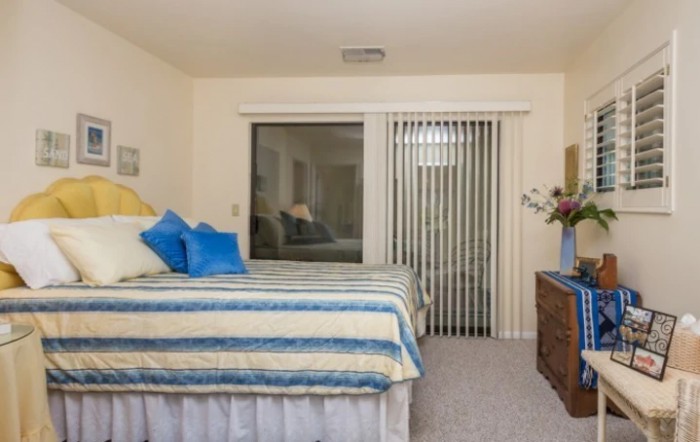
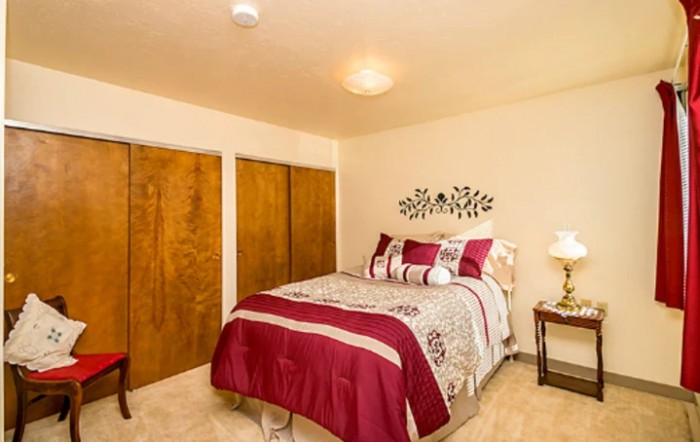
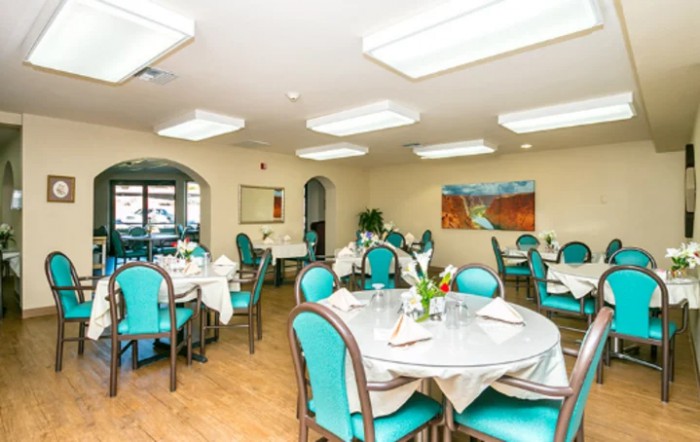
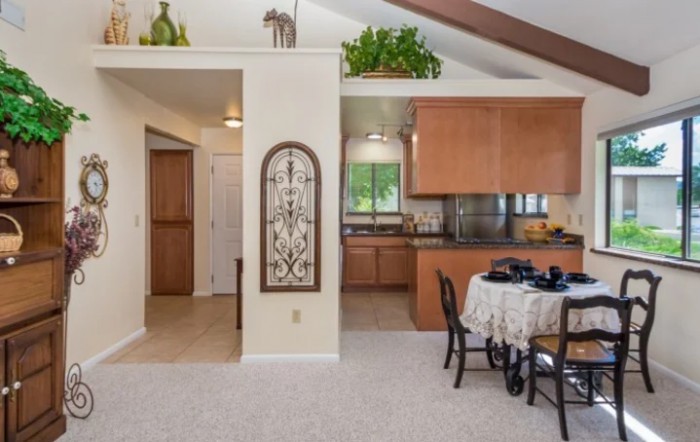
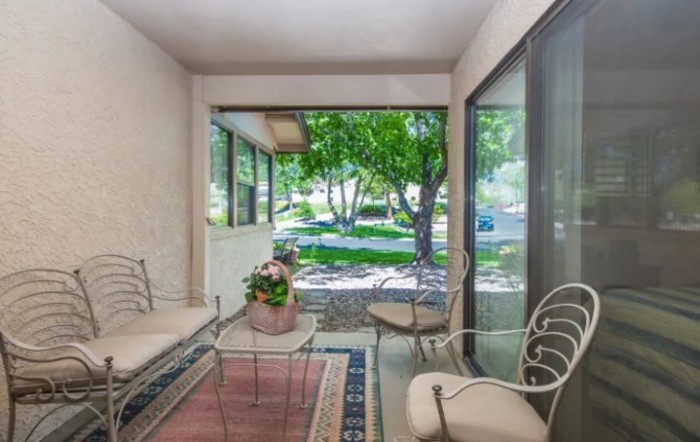
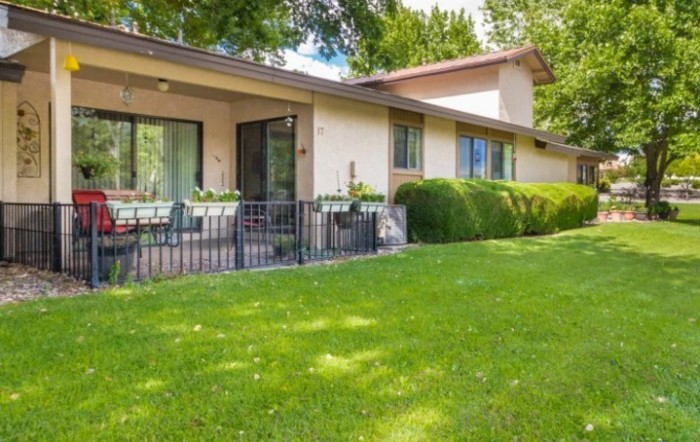
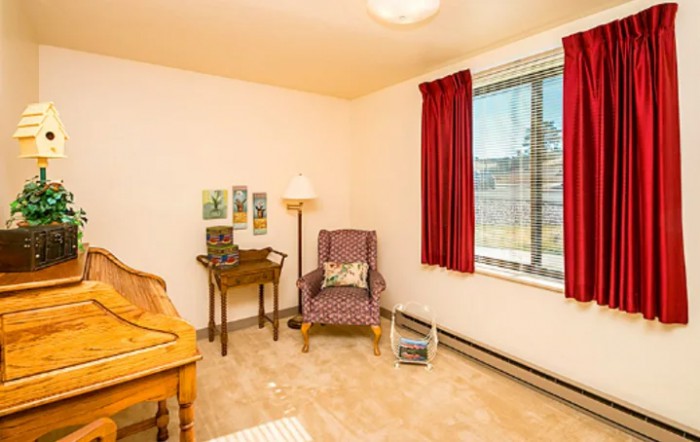
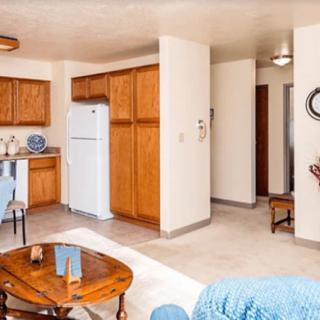
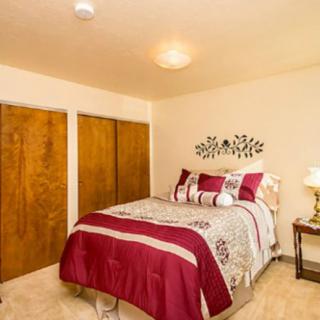
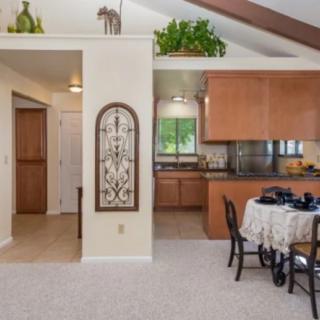
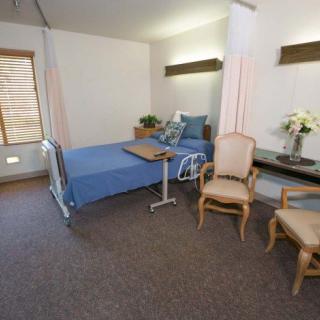
- The facility offers large, comfortable rooms, an outdoor yard, daily activities, and delicious on-site food.
- The nursing and therapy teams are encouraging and help residents build confidence without pushing beyond their endurance.
- The CNAs and other staff are cheerful, helpful, and go the extra mile to assist.
- Families can visit with pets, which lifts spirits and morale.
- The director and front-office staff are knowledgeable and helpful in navigating services and paperwork.
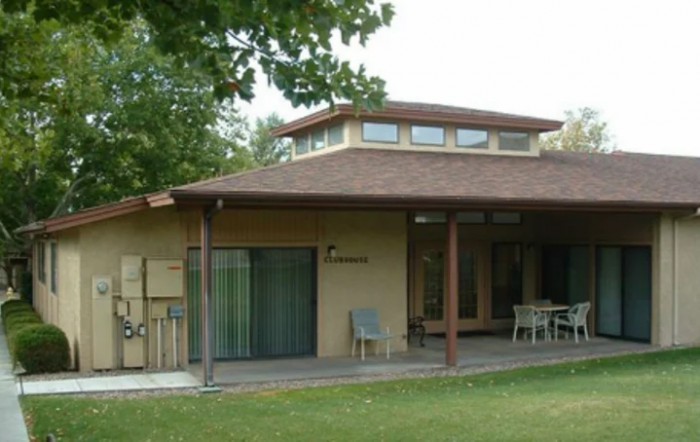
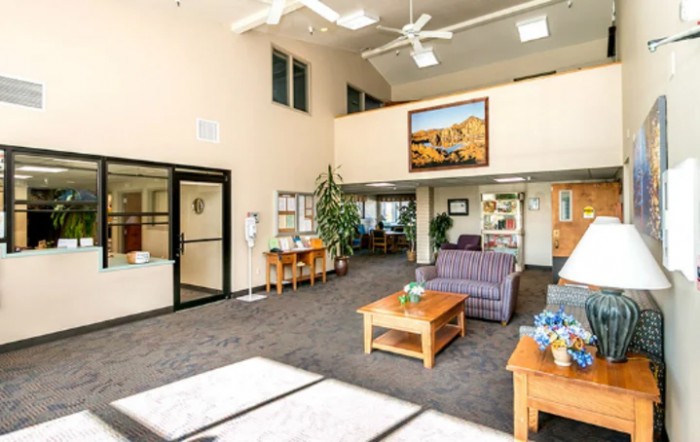
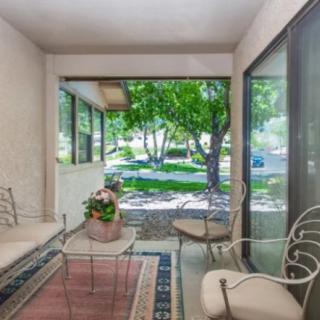
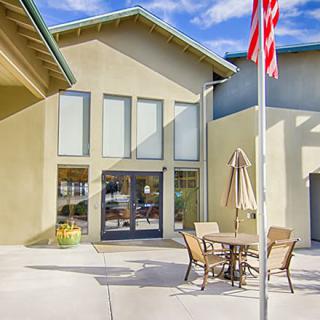
- The environment is clean, well-maintained, and supports a welcoming community with library and activity areas.
Cons
 They stated that patient care declined 100% after the new ownership, and they wouldn’t put their dog there.
 - They reported that in a four-day stay, the staff missed delivering at least one meal, routinely didn’t answer the call button for long periods, and pushed non-scheduled meds the patient refused.
- They observed several nurses at the nurses’ station ignoring room calls while talking loudly about personal matters, leaving patients untended.
- They described the facility as a “death rehab hospital” where nurses ignored critical vital signs and calls went unanswered.
- They criticized the revolving door of employees, calling the culture unorganized and saying that no one seemed to know anything about anything.
- They noted a failure to communicate basic information, such as not documenting that a relative was blind.
- They warned that COVID spread rapidly and that getting a doctor consult or information about care was difficult.
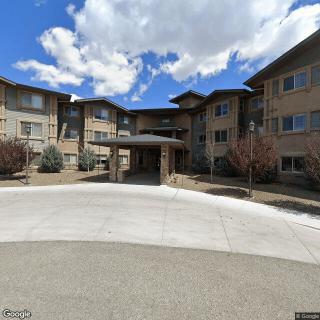
- They described Good Samaritan as an older, worn-out facility needing improvements.
Review
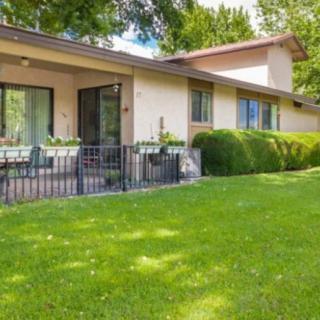
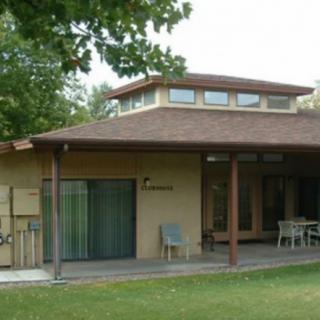
Good Samaritan Society – Prescott Village is best suited for seniors who want a campus-style environment with independent casitas, strong social programming, and on-site rehab or long-term care options. It works well for couples who prefer to remain together in a familiar community, and for families seeking a one-stop setting where activities, dining choices, and basic medical support live on the same campus. The appeal rests on a lively, walkable footprint that includes a clubhouse, library, exercise room, and outdoor spaces, all supported by a widely recognized Lutheran-based ethos that emphasizes neighborliness and service. The core value proposition is clear: belonging, engagement, and accessible care pathways without a long drive to services. The caveat is that consistent, high-quality care hinges on staffing stability and effective leadership, which reviews show can be uneven.
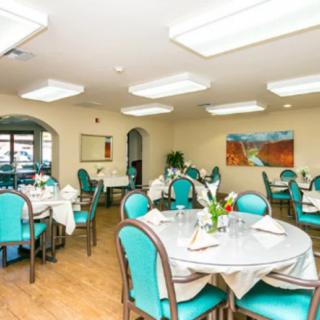
The facility’s clear strengths lie in its abundant amenities, approachable staff in many departments, and the sustained availability of rehabilitative services. Reviewers repeatedly cite effective physical and occupational therapy teams, compassionate CNAs, and a culture of teamwork where staff members help one another to serve residents. Meals and food quality, often described as delicious by diners, also stand out, along with on-site kitchen preparation and flexible dining options that support both independent living and residents in care. Long-term residents highlight the value of regular activities, a small library, and multiple social spaces that keep people connected. Those who prize a warm, human-centered atmosphere will find substantial value here, especially when the care team remains steady and engaged.
Yet the narrative is not one-sided. A number of reviews point to noticeable downsides that can erode confidence when not managed well. Some speak to a shift in the experience after new ownership, with concerns about patient care becoming uneven or less responsive. Frequent complaints include missed meals, delayed or absent response to call buttons, and occasional medication missteps or unrequested med administration that residents must refuse. Instances of staff appearing distracted or preoccupied with unrelated conversations, and reports of rooms or common areas that lack timely attention, can fuel anxiety for families when decisive, proactive care is expected. On the broader spectrum, the facility’s age and wear contribute to perceptions of an environment that could use more rigorous investment in infrastructure and staffing consistency.
Despite the drawbacks, the strong pros can offset the main cons for many prospective residents, provided expectations are aligned and due diligence is performed. The campus layout and casita living option promote autonomy while still offering ready access to skilled care, rehab, and food service. The depth of social programming, exercise classes, library resources, club activities, and communal dining, creates a meaningful daily rhythm that helps residents stay engaged and connected. Positive stories about caretaking staff, nurses, and therapists who genuinely value residents’ dignity and independence reinforce the sense that good days at Prescott Village are not rare. When staffing is stable and management is responsive, the care experience tends to be consistently solid rather than episodic.
For families weighing Prescott Village against alternatives, a practical decision framework is essential. During tours, request candid feedback from current independent living residents and from those receiving rehab or long-term care. Probe specifics: average call-button response times, nurse-patient ratios during shifts, and the frequency of routine meals being missed. Confirm the therapy schedule, the process for medication administration, and who handles changes in medical plans. Examine cost structures, casita rents, annual increases, and what is included in monthly fees, as well as the facility’s capacity to support roommates, pet policies, and guest access. Finally, observe how staff communicate with families, how concerns are escalated, and whether the environment feels orderly and compassionate even on busy days.
In the end, Prescott Village stands as a compelling option for seniors who value community, independence, and on-site rehab within a recognizable, faith-based setting. It is less suitable for those requiring flawless, consistently rapid care in every moment or for families with a very low tolerance for staffing variability and occasional care gaps. The best-fit decision rests on a clear match between personal priorities, engagement, autonomy, and access to therapy, and the ability to accept occasional operational bumps as the price of a vibrant, resource-rich community. Diligent, informed visits and direct conversations about staffing, care workflows, and resident experiences will reveal whether Prescott Village can meet the loved one’s needs with the grace and reliability that matter most.
 58 resident community capacity
 Assisted Living
 Skilled Nursing Facility
 Air-conditioning
 Beauty salon
 Cable or satellite TV
 Computer center
 Dining room
 Fitness room
 Fully furnished
 Gaming room
 Garden
 Housekeeping services
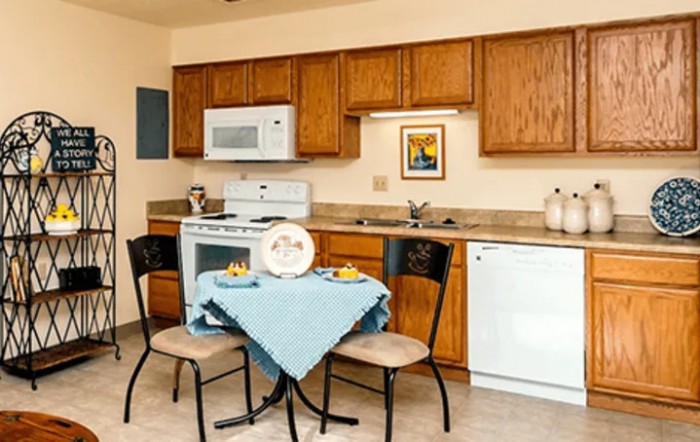
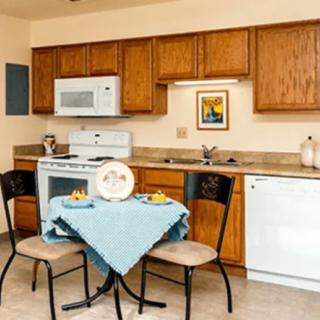
 Kitchenette
 Move-in coordination
 Outdoor space
 Private bathrooms
 Restaurant-style dining
 Small library
 Telephone
 Wellness center
 Wi-Fi/high-speed internet available
 Community operated transportation
 24-hour call system
 Activities of daily living assistance
 Assistance with bathing
 Assistance with dressing
 Assistance with transfers
 Diabetes diet
 Hospice care
 Medication management
 Special dietary restrictions
 Concierge services
 Planned day trips



 Choosing the Right Senior Care: A Detailed Exploration of Assisted Living and Nursing Homes
 Understanding the True Cost of Assisted Living in 2025: A Comprehensive Guide
 Understanding Medicaid Coverage for Assisted Living: A Comprehensive Guide