

1075 Ruth St, Prescott, AZ 86301
To contact a resident: (520) 778-3302
For more information about senior living options: (866) 208-4318
Overall Review of Village Tower - Good Samaritan
Pros
 The staff have consistently been cordial and helpful.
- The facility has always been clean and looking nice.
- Sonia the manager is kind, helpful, and provides a place to call home.
- Cody the maintenance person is friendly and fixes issues promptly.
- The leasing manager Sonja is extremely professional and kind.
- Sonja provides well-thought-out information and explains processes in detail.
- Sonja is a blessing with patient communication and a clear passion for the town and community.
- Village Tower feels like home and is a safe place.
Cons
 The new manager is awful, rude, and nasty, abusing elderly residents and talking down to them.
- The manager is dishonest and has been accused of lying about the waiting list and mail status.
- The staff are accused of discrimination against a disabled senior by dropping him from the waiting list.
- The service suffered from years of unreturned calls and poor communication from management.
- The reviewer warned others not to bring their loved ones here, describing the management as unsafe and uncaring.
Review
Village Tower at Good Samaritan in Prescott, AZ is best suited for relatively independent seniors who prize a clean, well-kept environment, personal warmth from a small, attentive staff, and a sense of getting a “home” over crisper care guarantees. It works best for residents who want approachable maintenance and straightforward, friendly interaction with on-site team members who remember names and promptly address minor annoyances. For families prioritizing predictable admission timelines, formalized waitlist policies, or a clear path to longer-term care, this community becomes less compelling. Those who need robust assisted living services, consistent leadership, or protection against opaque placement practices should seriously consider alternatives.
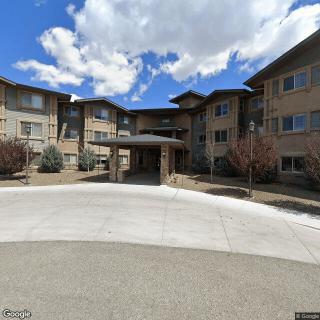
On the upside, Village Tower earns its reputation for atmosphere and day-to-day reliability. Longstanding cleanliness and a welcoming vibe set a stable first impression, with residents repeatedly noting cordial, helpful staff. The leasing experience, when handled by capable managers, feels professional and responsive, and several team members earn genuine trust for their competence and kindness. Maintenance issues are described as being resolved quickly, and the property’s overall appearance reinforces a sense of safety and belonging. For a resident who centers daily life around a predictable, neighborly environment, these strengths create tangible comfort and continuity.
Yet the most glaring fault lines run through management and administrative practices. Residents repeatedly point to a troubling drift in leadership quality, including reports of a new manager who is described as rude and dismissive of the elderly. More troubling are serious accusations regarding the housing waitlist: claims of being dropped from the list, inconsistent calls, and charges of discrimination that strip away any confidence in fair processing. The tension between the strong, caring staff in certain roles and the problematic behavior and communication from the top creates a risk profile that cannot be ignored. These dynamics can undermine the very stability that draws people to the community in the first place.
The key question for prospective residents is whether the positives can realistically offset the negatives. For families who value personal rapport with on-site staff and the sense that issues, small or large, get addressed without drama, the pros can meaningfully offset the cons. A well-handled leasing team, responsive maintenance, and a resident-led feeling of home provide genuine quality of life benefits that are not trivial. However, when the administration is perceived as unreliable, inconsistent, or punitive toward applicants, the stability of housing and the predictability of care become questionable. In short, the positives can carry the day for some, but the negatives introduce a real potential for ongoing frustration.
Practical next steps for decision-making are clear. Inspect the community with a critical eye on how management engages prospective residents and handles communications, preferably with a current resident who can speak to the lived experience. Request a current, written explanation of the waitlist policy, the criteria for placement, and what happens if an applicant’s contact information changes. Seek a direct conversation with the on-site manager about expectations, grievance procedures, and a concrete timeline for openings. If possible, obtain recent statements from multiple residents about day-to-day operations to gauge whether the current leadership climate has improved or worsened.
Ultimately, Village Tower is a viable option for those who prize a warm, neighborly setting and a responsive, friendly staff, provided there is confidence in the stability and fairness of management. It is less suitable for families seeking airtight transparency on admission timelines and a consistently professional leadership approach. For families weighing alternatives, consider communities with proven, stable governance and documented policies that protect applicants from miscommunication or perceived mistreatment. The decision hinges on the weight given to personal warmth and maintenance responsiveness versus the imperative for predictable housing access and accountable leadership.
 Active Adult Communities (55+)





 Weight Training for Seniors: Building Strength and Vitality
 Understanding the Sandwich Generation: Stress and Responsibilities for Multigenerational Caregivers
 8 Essential Assistive Devices for Older Adults