The Gardens at Willow Creek is a senior community in Prescott, AZ.
Information last verified:
1171 Lilac Way, Prescott, AZ 86305
For more information about senior living options: (866) 208-4318
1.1 from 54 reviews
5 stars
1
4 stars
0
3 stars
1
2 stars
0
1 stars
52
Overall Review of The Gardens at Willow Creek
caveat30 reviews mention this
HOA decisions draw harsh complaints
Many reviewers describe HOA management as heartless and unfair, with residents or families feeling targeted by rule enforcement.
A large share of the reviews focus on HOA actions, often calling them heartless, horrific, or without compassion. Several reviewers say the community tried to remove an orphaned teen living with his grandparents, describing it as making the child homeless or refusing an exception despite the circumstances. Even when reviewers donā€™t mention a specific incident, they still generalize the same theme about harsh management and residents or families being mistreated.
caveat2 reviews mention this
Discrimination accusations are repeated
Some reviewers accuse the community of discrimination, including age-based and other personal-bias concerns.
Beyond general complaints about the HOA, a couple of reviews specifically accuse the community of discrimination. One review cites age-based discrimination in connection with removing a teen, while another claims they were kicked out because of being Mexican. These comments appear as allegations rather than consistently supported examples across all reviews.
How we summarize
Counts show how many written reviews mention each theme; a review can touch several themes, and only frequently mentioned themes are displayed.
Features
Housing
6 resident community capacity
Types of Care
Active Adult Communities (55+)
Amenities
Housekeeping services
Telephone
Wi-Fi/high-speed internet available
Care Services
Assistance with dressing
Meal preparation and service
Medication management
Dining
Diabetes diet
Special dietary restrictions
Nearby Places of Interest
Physicians
Arizona Kidney Disease & Hypertension Center (0.2 miles)
California's Form 602A is a vital tool for evaluating the health needs of seniors seeking residential care, detailing their medical conditions and daily living requirements to ensure proper service alignment. This standardized form enhances communication among physicians, families, and facilities, serving as a regulatory measure for admissions and ongoing care while adapting to changing healthcare practices.
The overview of blood pressure management for seniors emphasizes the importance of monitoring and interpreting blood pressure readings, noting that normal ranges can vary due to age-related factors and individual health conditions. It highlights tailored guidelines for systolic and diastolic levels, the necessity of early detection and consistent management to prevent serious health complications, and advocates for personalized care strategies that incorporate lifestyle changes and medication adherence.
Dogs can greatly improve the lives of older adults by offering emotional support and encouraging physical activity, with factors such as size, temperament, and grooming needs being crucial in selecting a suitable breed. Senior dogs often make ideal companions for this demographic, promoting social connections and requiring care routines that align with seniors' capabilities.
Get PricingAsk A QuestionSchedule A TourContact Senior Advisor
By clicking submit, you agree to our Partner's Terms of Use. You
also consent to receive calls and texts, which may be autodialed, from our Partner. Your consent is not a condition to
using our Partner's service. Please visit our Partner's Privacy Policy for information about their privacy practices.

 6 resident community capacity
 Active Adult Communities (55+)
 Housekeeping services
 Telephone
 Wi-Fi/high-speed internet available
 Assistance with dressing
 Meal preparation and service
 Medication management
 Diabetes diet
 Special dietary restrictions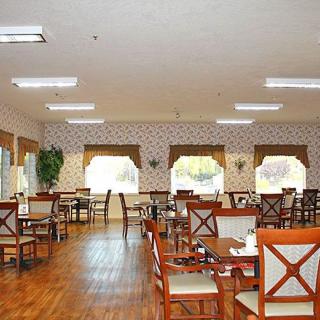
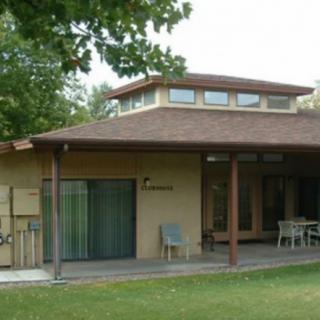
 Friendly, attentive staff; clean, navigable layout; spacious activity rooms; attractive private rooms; good dining and outdoor spaces; engaging activities.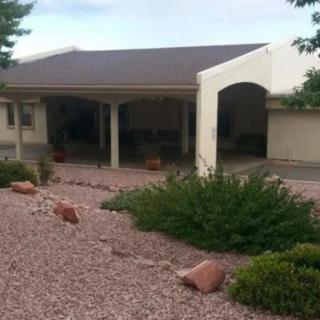


 California's Form 602A: An In-Depth Examination of Senior Care Assessment
 Comprehensive Look at Senior Blood Pressure Charts: Normal and Elevated Levels by Age
 Top Canine Companions for Older Adults