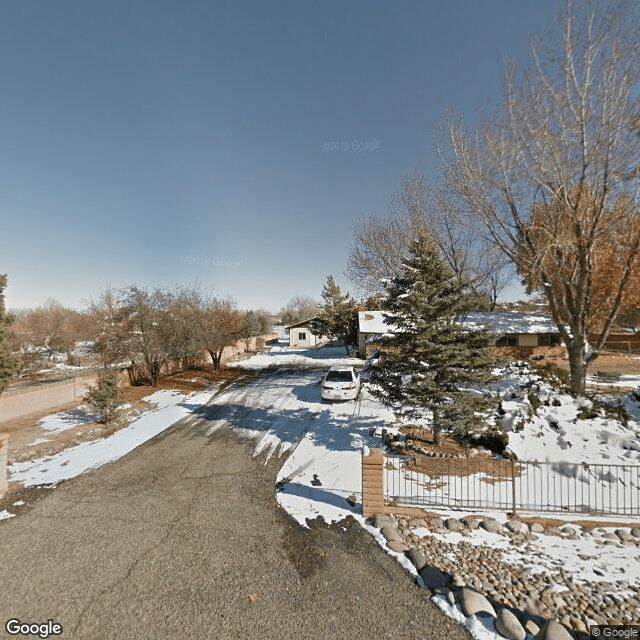
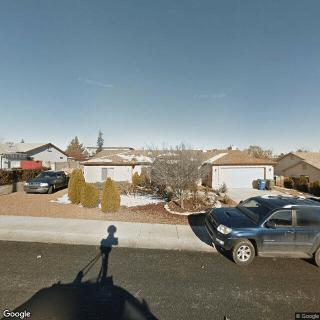
2955 Pleasant Valley Drive, Prescott, AZ 86305
For more information about senior living options: (866) 208-4318
Pleasant Valley Care Home Costs & Pricing
Pleasant Valley Care Home offers competitive pricing in the Yavapai County and broader Arizona market. For a semi-private room, the monthly cost is $3,000, which is slightly above the county average of $2,930 but remains higher than the state average of $2,820. In contrast, for a private room, Pleasant Valley's pricing at $3,400 is notably more affordable than the county's average of $4,070 while still surpassing the state's average of $3,345. This positions Pleasant Valley Care Home as an attractive option for individuals seeking quality care that balances value with personalized accommodations in a supportive environment.
| Floor plans | Pleasant Valley Care Home | Yavapai County | Arizona |
|---|---|---|---|
| Semi-Private | $3,000 | $2,930 | $2,820 |
| Private | $3,400 | $4,070 | $3,345 |
Assisted Living communities with a similar price nearby
-
from +$500 / mo

Pronghorn Assisted Living
$3,500 to $6,000 / month9.5 miles away -
from -$300 / mo
Brookings
$2,700 to $3,000 / month9.4 miles away -
from +$170 / mo
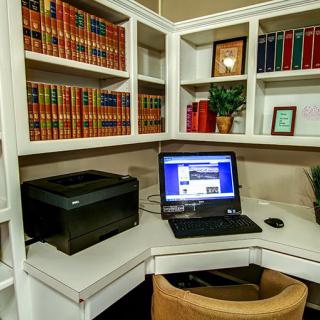
Granite Gate
$3,170 to $5,230 / month3.0 miles away -
from -$380 / mo
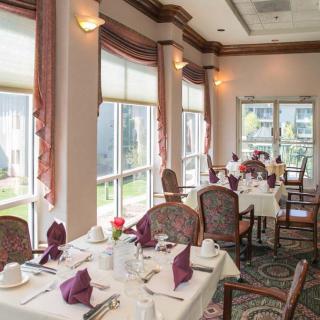
Las Fuentes Resort Village
$2,620 to $4,085 / month2.4 miles away -
from +$500 / mo
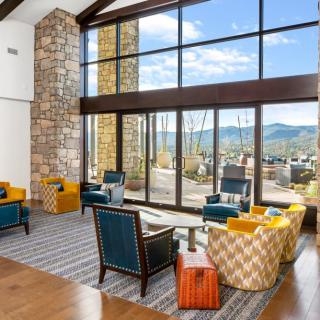
Touchmark At The Ranch
$3,500 to $4,550 / month4.8 miles away
Overall Review of Pleasant Valley Care Home
Pros
 They take great care of the residents.
- The care and kindness from the staff provide relief to families.
- Pebbles, Shelby, and Yvonne are exceptional and highly recommended.
- Yvonne, Mark, and their staff deliver attentive, loving care.
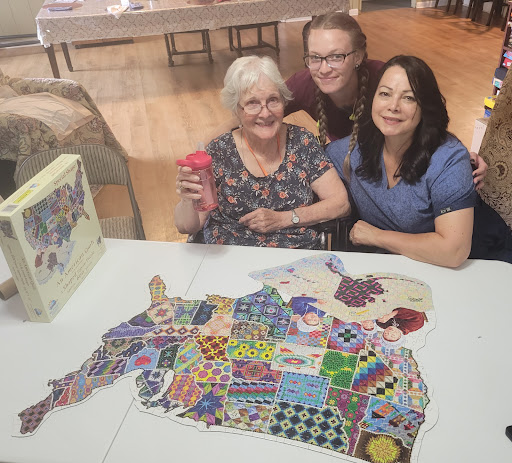
- The home’s small size creates a warm, family-like atmosphere.
- The staff consistently find time for residents and respect their individual routines.
- The facility is warm, caring, and well maintained, treating residents with dignity and respect.
- The meals are home-cooked, varied, and of high quality.
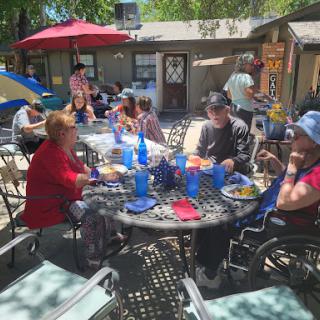
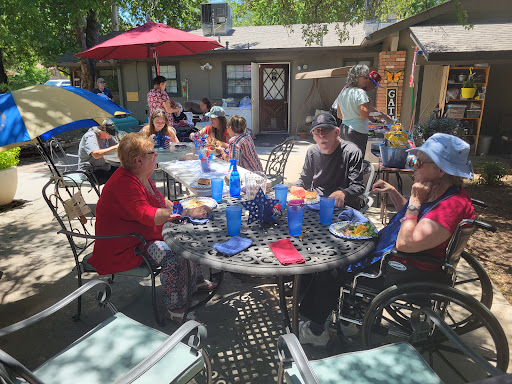
- In-house activities and services, including exercises, bingo, crafts, movie nights, library access, and pampering days, support residents’ well-being.
Cons
 This is a nice facility and staff but seems limited for activities.
Review
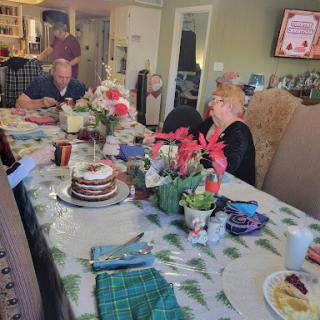
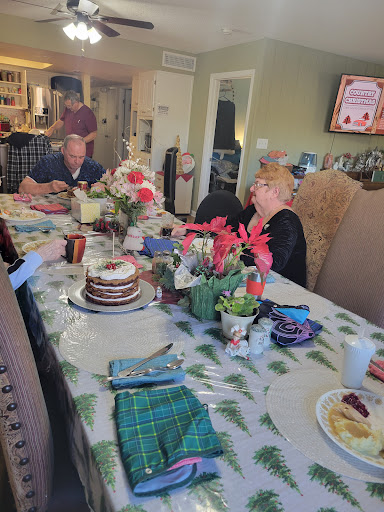
Pleasant Valley Care Home is best suited for seniors who want a small, family-style assisted living environment in Prescott where care is intensely personalized and relationships feel genuine. The community operates like a tight-knit home rather than a campus, with a nurse-owner and a devoted team delivering steady routines, attentive supervision, and a warmth that makes residents and their families feel truly known. It rewards families seeking consistency, dignity, and daily interactions that resemble a well-run home rather than a hospital setting.
For families weighing options, it’s important to consider that Pleasant Valley’s strengths align with a very specific care model. Alternatives make sense for residents who require more intensive medical oversight, broader social programming, or frequent outings beyond a private yard and in-house activities. Larger communities with dedicated memory-care wings or specialized rehab services, and places that offer more diverse excursion schedules, may better serve those with higher care needs, complex medical regimens, or a preference for a more expansive social calendar.
The core advantages come through in abundance. The staff is consistently described as compassionate, genuine, and capable, led by caregivers who treat residents like family and who maintain a calm, respectful atmosphere. Families repeatedly highlight personalized routines, approachable caregivers, and the sense that each resident receives attention tailored to their daily preferences. Meals are described as home-cooked and reliably satisfying, with housekeeping and laundry included. The small size supports intimate interactions, enabling staff to notice subtle changes and respond quickly.
That said, the most frequent drawback mentioned centers on activity scope and outing opportunities. The facility emphasizes in-house programming and daily outdoor time in a large yard, yet several observers note that outings and larger, externally organized activities aren’t a built-in staple. The nine-bed setting, while creating a family-like vibe, inevitably limits the breadth of programming and the ability to accommodate broader social calendars or more specialized memory-care outings. A few reviews also flag that while care is strong, the options for extensive external engagement are not as plentiful as in bigger communities.
Still, the robust pros largely offset these limitations for residents who value steady, compassionate care in a home-like setting. The intimate environment translates into meaningful relationships with staff, which in turn supports predictable daily routines and a sense of security for residents and their families. The presence of a doctor who participates in care, coupled with certified caregivers and a nurse-owner overseeing operations, helps ensure medical needs are met with competence, while housekeeping, meals, and accessible activities reinforce a well-rounded daily life inside a small, well-kept facility.
In the end, Pleasant Valley Care Home serves best those who prize a nurturing, intimate setting where staff have time to know residents deeply and respond with warmth and competence. It’s an excellent match for families seeking a true home-like experience, predictable routines, and strong daily support for residents who do not require high-intensity clinical services or frequent, outside-the-mat social programming. Those who must accommodate advanced medical complexity, require regular off-site excursions, or prefer a larger community with a broader activity slate should look at alternatives that can scale these elements more aggressively. Families should visit with a clear list of questions about memory-care specifics, staff-to-resident ratios, and the appetite for outside appointments, then decide whether the warmth and attentiveness here outweigh the potential desire for more expansive programming.
 10 resident community capacity
 Studio apartments
 Assisted Living
 Board and Care Home
 Respite Care
 Cats allowed
 Dogs allowed
 Cable or satellite TV
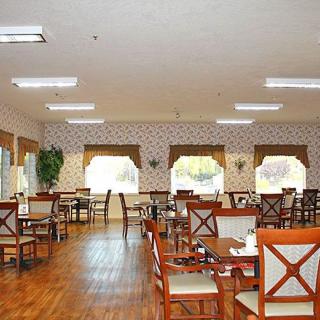
 Dining room
 Fully furnished
 Garden
 Housekeeping services
 Laundry
 Move-in coordination
 Outdoor space
 Party space
 Private
 Telephone
 Wi-Fi/high-speed internet available
 24-hour supervision
 Activities of daily living assistance
 Assistance with bathing
 Assistance with dressing
 Assistance with transfers
 Diabetes diet
 Diabetic care
 Meal preparation and service
 Medication management
 Special dietary restrictions
 Transportation arrangement (medical)
 Transportation to doctors appointments
 English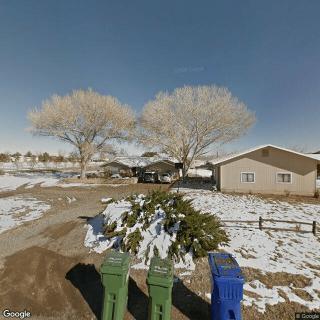

 Assisted Living Support for Veterans: A Complete and Detailed Overview
 Exploring the Contrasts Between Assisted Living and Skilled Nursing
 8 Key Indicators That Suggest It May Be Time to Transition from Assisted Living to Skilled Nursing Care